At this time last year, it seemed the movie theater experience might be headed toward extinction like the VCR. With streaming services on the rise and ticket prices climbing, fewer people were going out to the multiplex.
Then a wave of blockbuster hits changed the outlook. Superhero films reached new heights with the historic and wildly successful Black Panther; Rami Malek delivered an acclaimed performance as Freddie Mercury in Bohemian Rhapsody; and another entry in the Star Wars universe pulled in hundreds of millions worldwide. By the end of the year, 2018 had become the highest-grossing year at the box office in history.
Still, even with those successes, 2018’s top-grossing film ranks only ninth overall when counting global totals. That prompted a look back at the films that led the box office each year during the 21st century. The list below uses both domestic and international figures, though it was domestic receipts that typically propelled each film to the year’s top spot. Data were sourced from Box Office Mojo.
2000: “How the Grinch Stole Christmas”
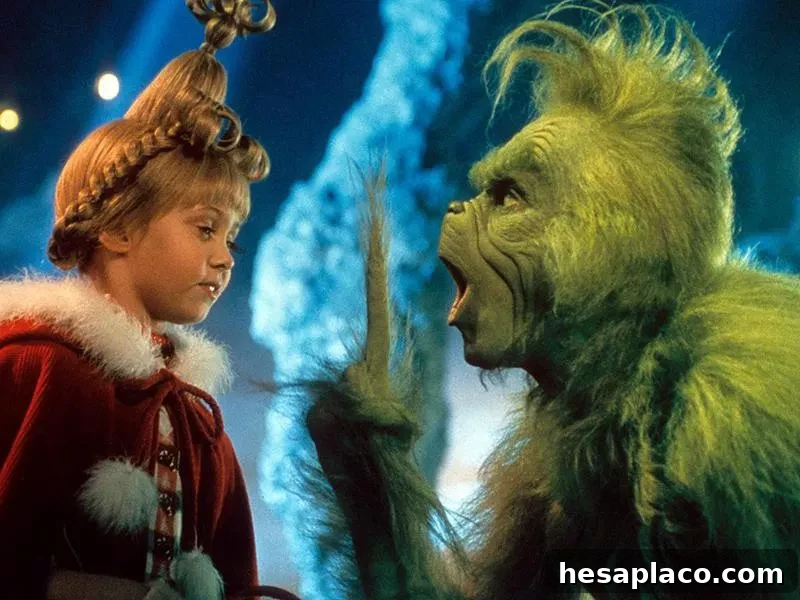
This iteration of the classic Dr. Seuss story starred Jim Carrey back when he was a major box-office draw. Universal / IMDB
Studio: Universal
Total gross: $345,141,403 (domestic: $260,044,825; international: $85,096,578)
Opening weekend: $55,082,330
Budget: $123 million
Oscar nominations: Art Direction, Costume Design, Makeup (win)
Jim Carrey’s Grinch became a seasonal staple. The film follows the curmudgeonly Grinch of Whoville as he attempts to ruin Christmas until a child, Cindy Lou Who, reveals the holiday’s true meaning. The movie was notable for its extensive use of stage makeup among cast and extras, earning the film an Academy Award for best makeup design.
2001: “Harry Potter and the Sorcerer’s Stone”
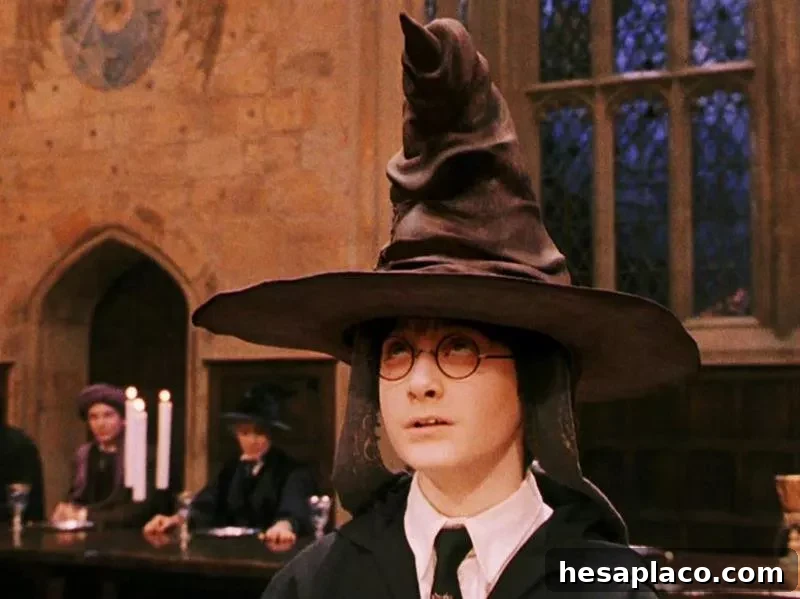
J.K. Rowling became a billionaire thanks to the “Harry Potter” novels and film series that would follow. Warner Bros. / IMDB
Studio: Warner Bros.
Total gross: $974,755,371 (domestic: $317,575,550; international: $657,179,821)
Opening weekend: $90,294,621
Budget: $125 million
Oscar nominations: Art Direction, Costume Design, Original Score
After multiple rejections, J.K. Rowling’s first Harry Potter novel eventually became a global phenomenon. The film introduces 11-year-old orphan Harry Potter, who learns he is the child of powerful wizards and begins studies at Hogwarts School of Witchcraft and Wizardry. The U.S. title uses Sorcerer’s Stone instead of Philosopher’s Stone, reflecting marketing choices made for American audiences.
2002: “Spider-Man”

Kirsten Dunst and Tobey Maguire starred in “Spider-Man,” which helped launch a Midas era for comic book movies. Sony/Columbia / IMDB
Studio: Sony/Columbia
Total gross: $821,708,551 (domestic: $403,706,375; international: $418,002,176)
Opening weekend: $114,844,116
Budget: $139 million
Oscar nominations: Sound, Visual Effects
“Spider-Man” popularized the maxim “With great power comes great responsibility” and helped establish the modern era of comic-book cinema. After years of development, Tobey Maguire’s Peter Parker swung onto screens and launched a profitable franchise that showed studios superhero films could be both critically and commercially successful.
2003: “The Lord of the Rings: The Return of the King”
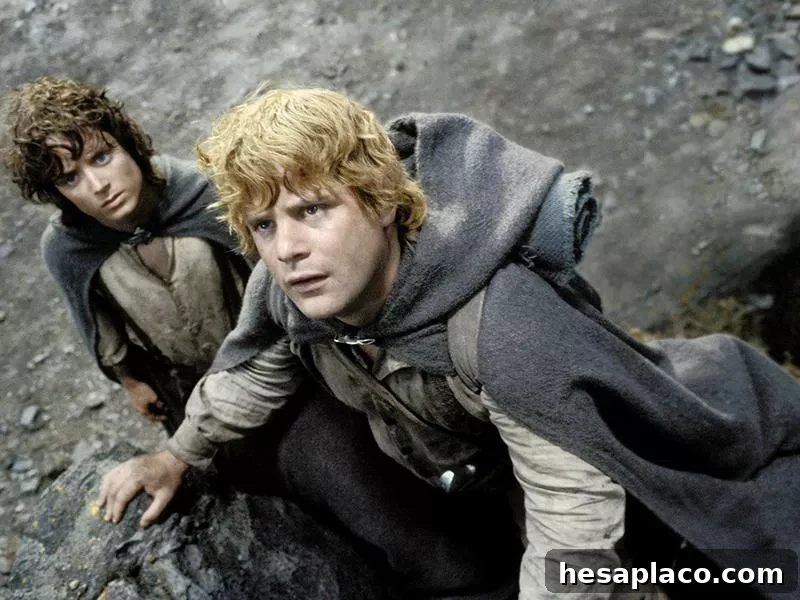
Sean Astin (right) and Elijah Wood starred in the third installment of “The Lord of the Rings” trilogy. New Line / IMDB
Studio: New Line
Total gross: $1,119,929,521 (domestic: $377,845,905; international: $742,083,616)
Opening weekend: $72,629,713
Budget: $94 million
Oscar nominations/wins: 11 nominations and 11 wins including Best Picture, Director, Adapted Screenplay, Art Direction, Costume Design, Editing, Makeup, Original Score, Original Song, Sound, Visual Effects
Peter Jackson’s conclusion to his adaptation of J.R.R. Tolkien’s epic completed one of film history’s most acclaimed trilogies. Return of the King swept the Academy Awards with wins across major categories and follows Frodo and his companions on their final push to destroy the One Ring and defeat Sauron.
2004: “Shrek 2”
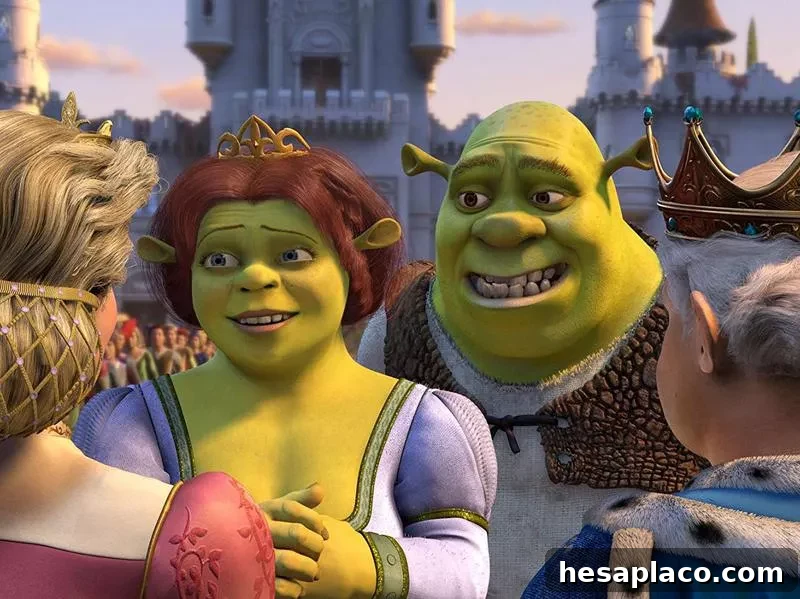
Until 2010, “Shrek 2” was the highest-grossing animated film of all time. DreamWorks / IMDB
Studio: DreamWorks
Total gross: $919,838,758 (domestic: $441,226,247; international: $478,612,511)
Opening weekend: $108,037,878
Budget: $150 million
Oscar nominations: Animated Feature, Original Song
Shrek 2 outperformed its predecessor and set new records for animated openings at the time. The sequel follows Shrek and Fiona as they meet Fiona’s royal family, who expect a prince rather than a green ogre, leading to comic mishaps and heartfelt moments. It remained the highest-grossing animated film until 2010 and is DreamWorks’ most successful release.
2005: “Star Wars: Episode III — Revenge of the Sith”

“Star Wars: Revenge of the Sith” is widely considered the best film of the prequel series, at least from a critical perspective. Lucasfilm / IMDB
Studio: Lucasfilm
Total gross: $848,754,768 (domestic: $380,270,577; international: $468,484,191)
Opening weekend: $108,435,841
Budget: $113 million
Oscar nominations: Makeup
Episode III concluded George Lucas’s prequel trilogy and depicts Anakin Skywalker’s fall to the Dark Side and his transformation into Darth Vader. Widely regarded as the strongest of the prequels, the film tied together many threads that lead into the original 1977 Star Wars saga.
2006: “Pirates of the Caribbean: Dead Man’s Chest”
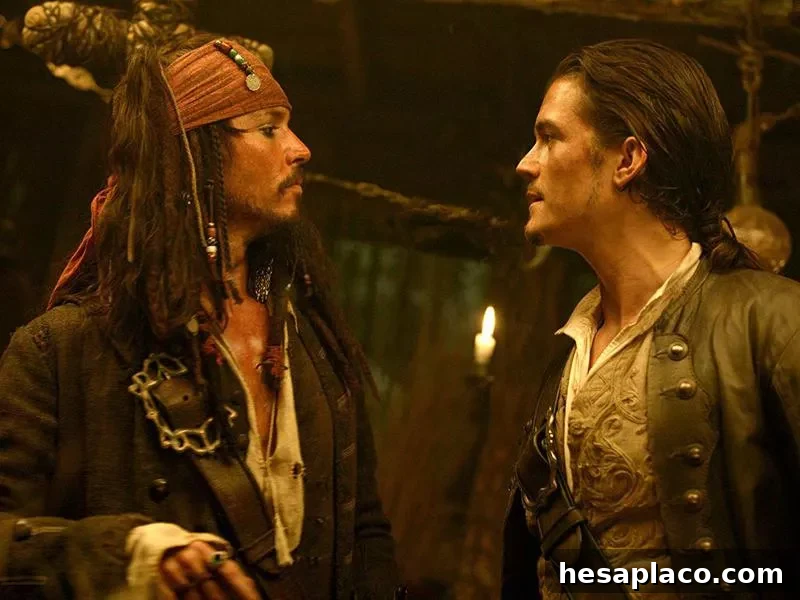
Johnny Depp (left) and Orlando Bloom starred in the second of the “Pirates of the Caribbean” movies. Buena Vista / IMDB
Studio: Buena Vista
Total gross: $1,066,179,725 (domestic: $423,315,812; international: $642,863,913)
Opening weekend: $135,634,554
Budget: $225 million
Oscar nominations: Art Direction, Sound, Sound Editing, Visual Effects (win)
Dead Man’s Chest continued the adventures of Captain Jack Sparrow as he contends with Davy Jones and a blood debt that threatens his soul. Based on a Disney park attraction rather than a book, the Pirates franchise proved remarkably lucrative and helped cement Johnny Depp’s iconic turn as Jack.
2007: “Spider-Man 3”
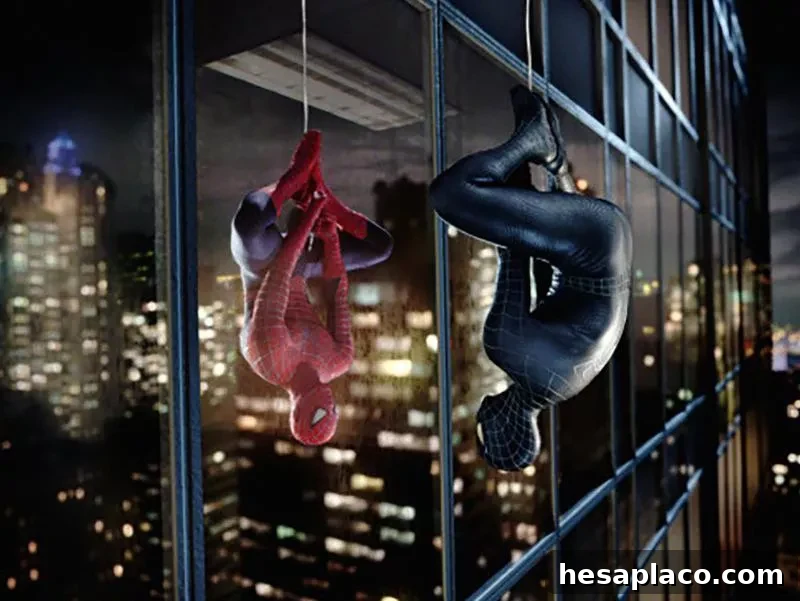
The third installment in Sam Raimi’s “Spider-Man” trilogy picks up where the second movie leaves off. Sony/Columbia / IMDB
Studio: Sony/Columbia
Total gross: $890,871,626 (domestic: $336,530,303; international: $554,341,323)
Opening weekend: $151,116,516
Budget: $258 million
Oscar nominations: None
Spider-Man 3 was the highest-grossing entry in Sam Raimi’s trilogy despite mixed critical reception. The story follows Peter Parker as his world complicates after an alien symbiote bonds with him, contributing to a darker turn and a crowded narrative that ultimately led the studio to take the franchise in a new direction.
2008: “The Dark Knight”
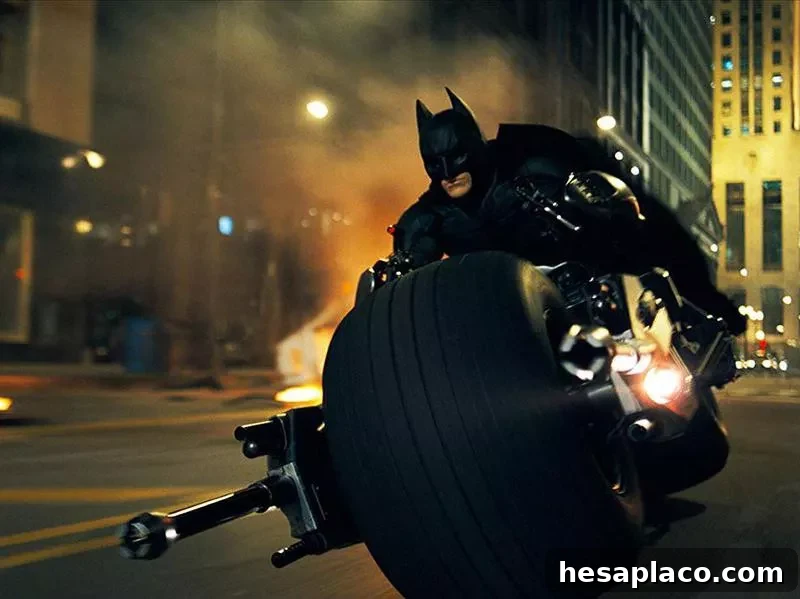
Christian Bale starred as Batman in the second of Christopher Nolan’s Dark Knight trilogy. Warner Bros. / IMDB
Studio: Warner Bros.
Total gross: $1,004,558,444 (domestic: $534,858,444; international: $469,700,000)
Opening weekend: $158,411,483
Budget: $185 million
Oscar nominations/wins: Multiple nominations; Heath Ledger won Supporting Actor (posthumously); Sound Editing (win)
Christopher Nolan’s second Batman film is widely regarded as one of the best superhero movies ever. Heath Ledger’s haunting performance as the Joker earned a posthumous Oscar and contributed to the film’s cultural and box-office impact, as Batman and Gotham contend with escalating chaos.
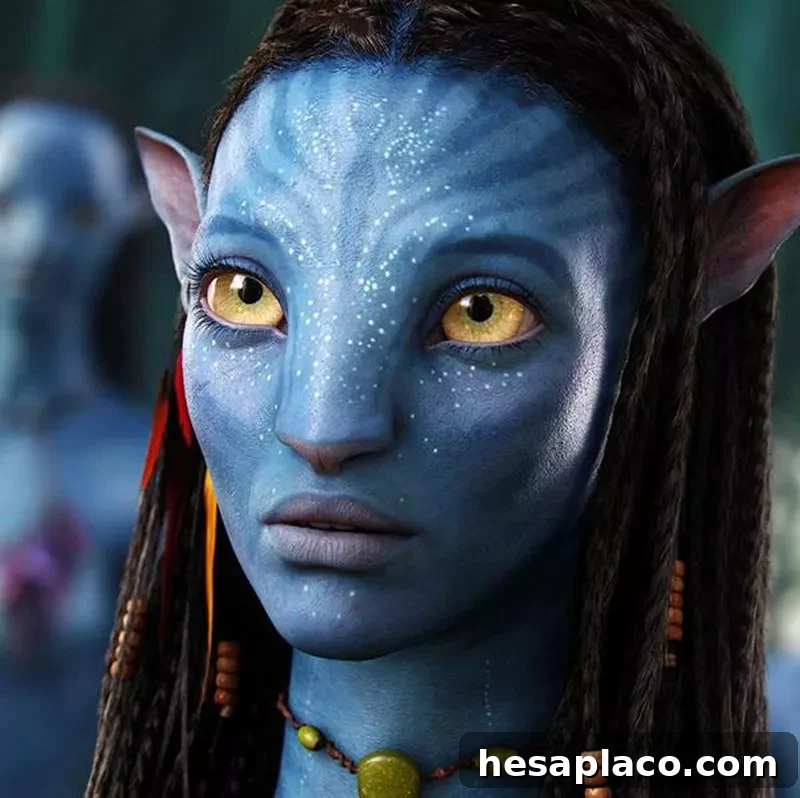
2009: “Avatar”
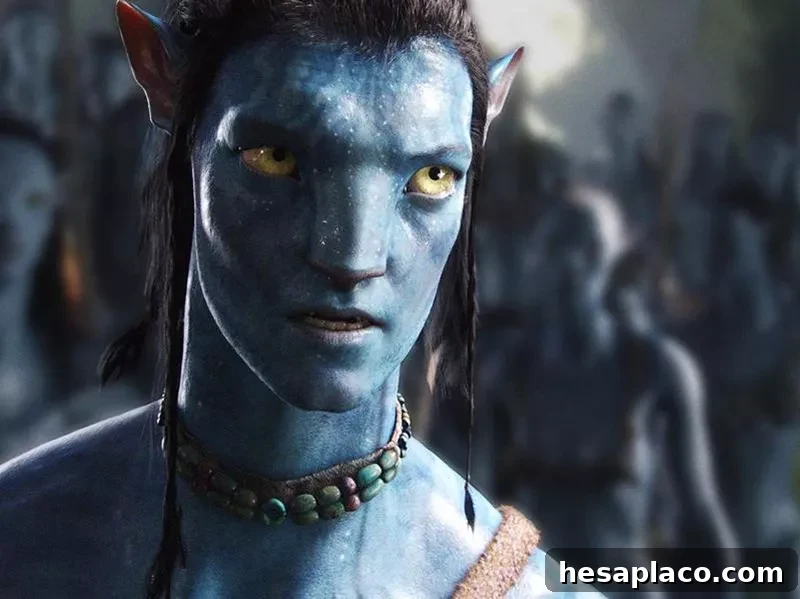
The highest-grossing film of 2009 is also the highest-grossing film of all time. Fox / IMDB
Studio: Fox
Total gross: $2,787,965,087 (domestic: $760,507,625; international: $2,027,457,462)
Opening weekend: $77,025,481
Budget: $237 million
Oscar nominations/wins: Multiple nominations; wins include Art Direction, Cinematography, Visual Effects
James Cameron’s Avatar became the highest-grossing film ever, surpassing Titanic. The long-gestating sci-fi epic follows human miners on Pandora, a moon rich in resources, and the indigenous Na’vi whose existence is threatened by exploitation. Cameron delayed the project until technology could realize his vision, producing a groundbreaking visual experience.
2010: “Toy Story 3”
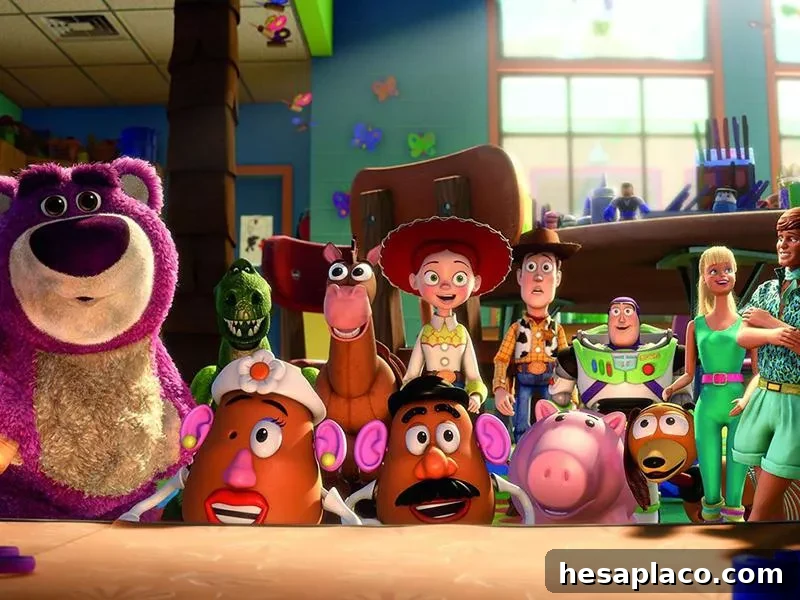
Critics loved the film as much as moviegoers. “Toy Story 3” was the third animated feature to be nominated for a Best Picture Oscar. Buena Vista / IMDB
Studio: Buena Vista
Total gross: $1,066,969,703 (domestic: $415,004,880; international: $651,964,823)
Opening weekend: $110,307,189
Budget: $200 million
Oscar nominations/wins: Adapted Screenplay, Animated Feature (win), Best Picture, Original Song (win), Sound Editing
Toy Story 3 continued the beloved franchise with emotional resonance, following Woody, Buzz and the gang as their owner, Andy, grows up and prepares for college. The film earned critical acclaim, box-office success, and became one of the few animated films nominated for Best Picture at the Oscars.
2011: “Harry Potter and the Deathly Hallows: Part 2”
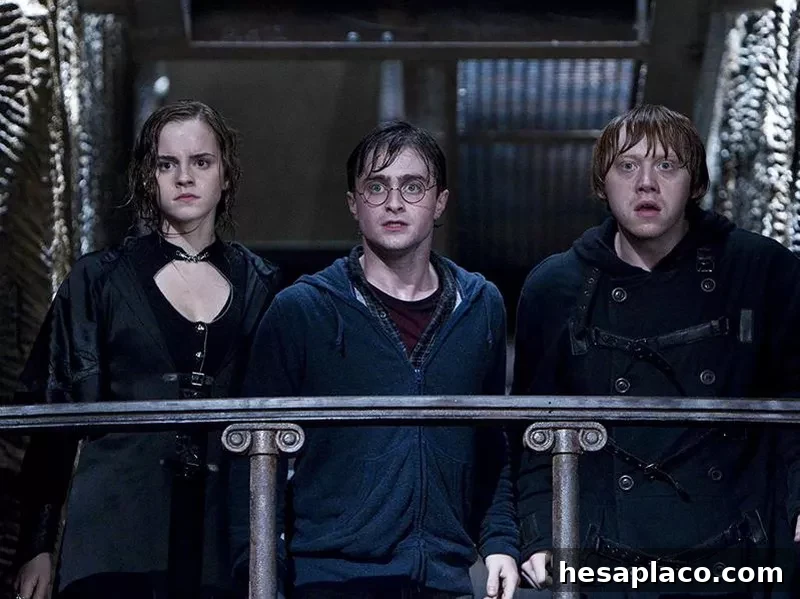
In the final installment of the “Harry Potter” film series, Harry and other familiar faces try to rid the world of evil in one last battle against Lord Voldemort. Warner Bros. / IMDB
Studio: Warner Bros.
Total gross: $1,341,511,219 (domestic: $381,011,219; international: $960,500,000)
Opening weekend: $169,189,427
Budget: $250 million
Oscar nominations: Art Direction, Makeup, Visual Effects
The final chapter of the Harry Potter saga brought the long-running conflict with Voldemort to a close and became the most successful film in the series. Behind-the-scenes stories include the complexity of shots like the scene featuring seven versions of Harry, which required many takes to perfect.
2012: “The Avengers”
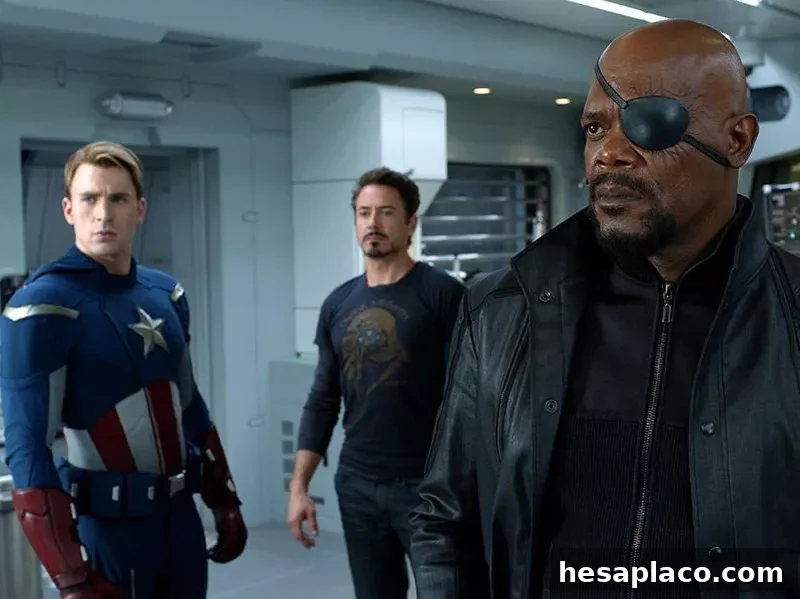
Chris Evans (left), Robert Downey Jr. (center) and Samuel L. Jackson (right) are among the stars of “The Avengers.” Marvel Studios / IMDB
Studio: Marvel Studios
Total gross: $1,518,812,988 (domestic: $623,357,910; international: $895,455,078)
Opening weekend: $207,438,708
Budget: $220 million
Oscar nominations: Visual Effects
The Avengers assembled Marvel’s key heroes—Iron Man, Captain America, Thor and the Hulk—under Nick Fury’s leadership to stop Loki. The film became Marvel’s first to cross $1 billion worldwide and ranks among the highest-grossing films of its time.
2013: “The Hunger Games: Catching Fire”

“The Hunger Games: Catching Fire” starring Jennifer Lawrence was the first top-grossing film since “The Exorcist” in 1973 to have a female lead character. Lionsgate / IMDB
Studio: Lionsgate
Total gross: $865,011,746 (domestic: $424,668,047; international: $440,343,699)
Opening weekend: $158,074,286
Budget: $130 million
Oscar nominations: None
The second Hunger Games film follows Katniss and Peeta through a turning point in their lives as the Games’ rules change and political tensions rise. Catching Fire earned strong reviews and solidified Jennifer Lawrence’s status as a major star. It was also notable as the first year’s top-grossing film since 1973 to feature a female lead.
2014: “American Sniper”

“American Sniper” was loosely based on the memoir of the same name by Chris Kyle. Warner Bros. / IMDB
Studio: Warner Bros.
Total gross: $547,426,372 (domestic: $350,126,372; international: $197,300,000)
Opening weekend: $633,456 (limited), $89,269,066 (wide)
Budget: $58.8 million
Oscar nominations: Actor, Adapted Screenplay, Best Picture, Editing, Sound, Sound Editing (win)
Clint Eastwood’s American Sniper, based loosely on Chris Kyle’s memoir, became the director’s highest-grossing film. The drama follows the life and service of the most lethal sniper in U.S. history, and its success surprised many, making it a sleeper hit for the year.
2015: “Star Wars: The Force Awakens”

This installment was the first in the “Star Wars” franchise to have no involvement from creator George Lucas. Walt Disney Pictures / IMDB
Studio: Walt Disney Pictures
Total gross: $2,068,223,624 (domestic: $936,662,225; international: $1,131,561,399)
Opening weekend: $247,966,675
Budget: $245 million
Oscar nominations: Editing, Original Score, Sound, Sound Editing, Visual Effects
Reviving the saga under J.J. Abrams, The Force Awakens marked a major return for Star Wars and was the first installment without George Lucas’s direct involvement. Set 30 years after the fall of the Empire, a new menace in Kylo Ren emerges, reigniting the galactic struggle.
2016: “Rogue One: A Star Wars Story”

“Rogue One” is a stand-alone film that simply exists within the “Star Wars” universe. It tells the story of the theft of the design plans for the Death Star. Walt Disney Pictures / IMDB
Studio: Walt Disney Pictures
Total gross: $1,056,057,273 (domestic: $532,177,324; international: $523,879,949)
Opening weekend: $155,081,681
Budget: $200 million
Oscar nominations: Sound, Visual Effects
Rogue One was the first stand-alone Star Wars story and tells the mission to steal the Death Star plans. George Lucas first conceived the idea of stand-alone tales within the Star Wars universe, and Rogue One’s success proved that anthology films could thrive alongside the main saga.
2017: “Star Wars: The Last Jedi”
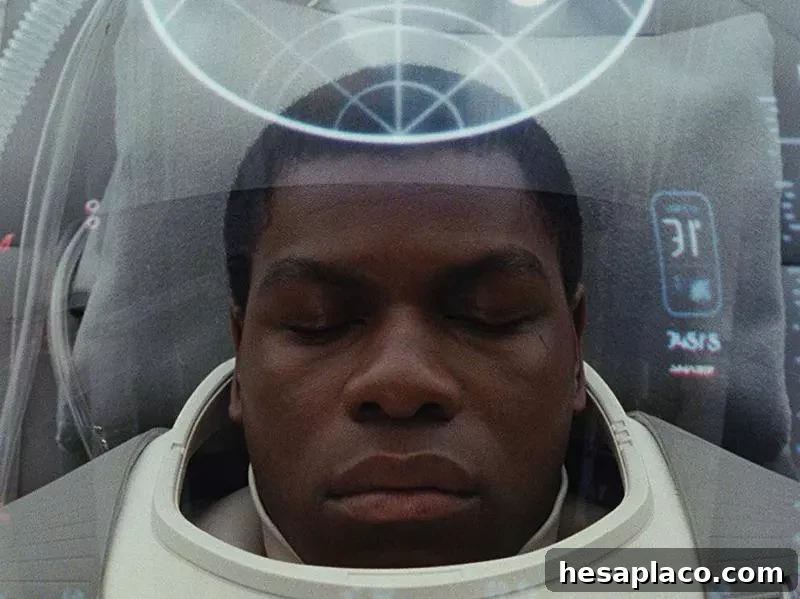
John Boyega stars as Finn in “Star Wars: The Last Jedi.” Walt Disney Pictures / IMDB
Studio: Walt Disney Pictures
Total gross: $1,332,539,889 (domestic: $620,181,382; international: $712,358,507)
Opening weekend: $220,009,584
Budget: $317 million
Oscar nominations: Original Score, Sound, Sound Editing, Visual Effects
The Last Jedi expands the saga with Luke Skywalker mentoring Rey while Kylo Ren consolidates power. The film featured the late Carrie Fisher and included several notable cameos, becoming another major box-office entry for the franchise.
2018: “Black Panther”
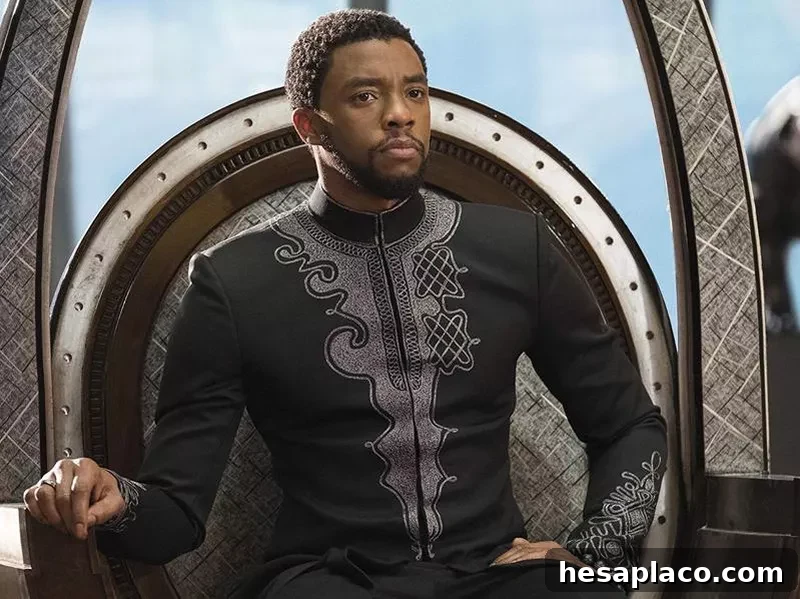
Chadwick Boseman stars in “Black Panther” as T’Challa, the heir to the technologically advanced kingdom of Wakanda. Marvel Studios / IMDB
Studio: Marvel Studios
Total gross: $1,346,913,161 (domestic: $700,059,566; international: $646,853,595)
Opening weekend: $202,003,951
Budget: $200 million
Oscar nominations: TBD
Black Panther broke box-office records in 2018 and made a significant cultural impact. The film follows T’Challa, the heir to the advanced African nation of Wakanda, as he confronts a challenger from the country’s past. It stands as one of the highest-grossing films of all time and the highest-grossing film directed by a Black filmmaker, highlighting that stories centered on African and African American characters can achieve widespread commercial success.