
Let’s be honest: everyone makes mistakes at work. It’s natural, and it happens more often than we’d like to admit.
A survey conducted by Censuswide for LinkedIn found that 54 percent of professionals have had a “career fumble,” ranging from never replying to an email (17 percent) to crying at the office (17 percent), oversleeping (15 percent), or failing to follow up after a meeting (12 percent). While many of these missteps are small, how you respond to them can significantly affect your reputation.
So how should you handle workplace errors? Avoiding responsibility, panicking, or blaming others usually makes things worse. Below are 15 things you shouldn’t say or do when you mess up at the office—and what to do instead.
Don’t Overthink Your Mistake

Beating yourself up won’t help. Criticism can be useful, but dwelling on a mistake is unproductive and paralyzing. Many ambitious, well-educated people are perfectionistic and overly hard on themselves; when they perceive failure, it can feel discouraging and immobilizing. Instead, acknowledge the error, breathe, and move on to a constructive response.
Don’t Forget to Apologize

Be direct and offer a sincere apology. Avoiding an apology creates an impression that you won’t take responsibility, which can harm trust. In many cases—such as typos or missed follow-ups—apologizing and correcting the issue shows accountability and the ability to learn from mistakes.
Don’t Cover Up the Error

Hiding a mistake rarely works. Trying to conceal an error usually makes the outcome worse when it’s discovered. It’s better to own up right away, explain the situation calmly, and outline steps to remedy it. Transparency usually preserves credibility better than secrecy.
Don’t Assume You Can Fix it Yourself

Admitting a mistake is important, but assuming you must fix everything alone isn’t always wise—especially if you lack the expertise to correct the problem. Most professionals seek help from a boss, coworker, or network contact. Asking for assistance can speed resolution and reduce the chance of compounding the error.
Don’t Neglect to Ask for Feedback About How You Can Do Better

Request feedback to understand what went wrong and how to improve. This step accelerates learning and shows your manager you’re committed to growth. It’s also an opportunity to discover how others handled similar situations and avoid repeating the same mistake.
Don’t Make an Excuse

Excuses deflect responsibility and undermine trust. Owning your error—without shifting blame—demonstrates maturity and reliability. Accepting responsibility increases the likelihood that colleagues and managers will continue to trust you with projects.
Don’t Be Inflexible

Mistakes often require adapting your process. Resist rigidity and be open to new approaches and feedback. Embracing change and other people’s perspectives helps you learn faster and improves how you handle similar situations in the future.
Don’t Over-Apologize

Apologize when appropriate, but avoid excessive or performative apologies that consume time and cause unnecessary stress. After apologizing, focus on actionable steps to fix the problem so you’re not taking time away from important work.
Don’t Just Do the Bare Minimum to Fix Your Mistake

When you address a mistake, aim to go beyond the minimum fix. Analyze what went wrong, implement safeguards to prevent recurrence, and, if possible, add extra effort to restore confidence. Educating yourself and preparing better for next time is one of the most effective ways to recover.
Don’t Neglect Trying to Provide a Solution
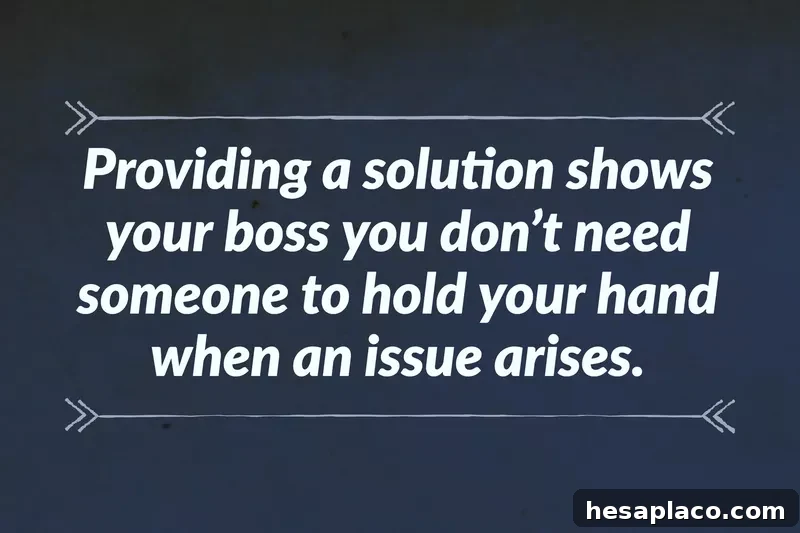
Propose a concrete solution—an action plan, process change, or a clear lesson learned. Offering a fix demonstrates initiative and reassures your team that you can manage problems without constant supervision.
Don’t Become Overly Emotional

It’s normal to feel upset, but don’t let emotions prevent you from acting. If you need a moment, take a short break: get coffee, take a walk, or speak to someone supportive. Once you’ve calmed down, you’ll be better equipped to fix the problem and move forward.
Don’t Blame Others

Pointing fingers harms relationships and damages your credibility. Take responsibility for your part, even if the situation involved others. Leaders and teammates respect accountability more than defensiveness.
Don’t Rush to Fix the Issue Without a Plan

Rushed solutions can create new problems. Pause to develop a clear plan before acting, and ask for help if needed. Thoughtful preparation leads to better outcomes and demonstrates professionalism.
Don’t Fight the Consequences

If the mistake warrants formal consequences—such as an HR review—remain calm and accept responsibility unless you genuinely believe the decision is unjust. Defensiveness can worsen the situation; staying composed and cooperative helps resolve matters more constructively.
Don’t Make the Same Mistake Again

The ultimate goal is to avoid repeating the same error. Be vigilant, double-check your work, and put safeguards in place. While mistakes happen, consistently taking steps to prevent recurrence protects your reputation and reduces future stress.
Everyone slips up now and then—the difference lies in how you respond. Own the mistake, learn from it, and take clear steps to make things right. Doing so will help you recover quickly and build stronger professional trust.