
America is undergoing a major demographic shift: by 2030, about 20 percent of the U.S. population will be 65 or older. Cities and regions across the country will need to adapt to the needs of growing numbers of retirees and aging adults. A Milken Institute study evaluated how well different metropolitan areas support successful aging by measuring factors such as health care access, wellness, transportation, housing, economic security and community engagement. The results show that places strong for careers or raising families are not always the best for aging well, and vice versa. Below are metro areas ranked from 50 to 1, summarizing their strengths and weaknesses for retirees and older residents.
50. Cincinnati, Ohio/Kentucky/Indiana

Getty Images
Population over 65: 14.1 percent
Overview: Cincinnati posts moderate results across many indicators, with weaker scores for wellness. The economy is solid with low unemployment, reasonable job and wage growth and an affordable cost of living compared with national averages. Public transport fares are low and civic engagement and funding for older adults are respectable.
Health-care capacity is strong in several areas: many nurses and nursing home beds, good access to home health providers, dialysis, rehab, hospice and Alzheimer’s units. Physician and hospital bed availability is moderate, and ER wait times are low. Costs for adult day services and nursing homes are reasonable.
Weaknesses: Car dependence is high, about 30 percent of residents live below the poverty line, and small-business growth is only moderate. The region records high rates of smoking, diabetes, Alzheimer’s and depression, and physical activity levels are fairly low. Access to medical and diagnostic centers and continuing-care facilities is limited.
49. Columbus, Ohio

Getty Images
Population over 65: 12.4 percent
Overview: Columbus scores well for education and employment but lags on wellness and financial security. Living costs, rents and home prices are below national averages. The city provides reliable bus service and walkable neighborhoods, with solid job growth and low unemployment. Senior volunteering and civic engagement are strong.
Health resources are plentiful: many nurses and physicians, excellent hospice access, good hospital bed availability, orthopedic surgeons and rehab services. Home health care and adult day services are affordably priced.
Weaknesses: Small-business growth is moderate, public transit fares and investment in senior transportation are limited. Smoking, depression and Alzheimer’s rates are concerning and ER wait times are somewhat long. Assisted living costs and access to continuing-care facilities are moderately constrained.
48. Chicago-Naperville-Elgin, Illinois

Getty Images
Population over 65: 13.3 percent
Overview: As a major business and financial hub, Chicago scores well on transportation but less well on financial security. Housing costs hover around the national average, and public transit—especially the train network—is a major advantage. Investments in senior and public transportation are solid.
Wellness metrics are generally favorable, with lower obesity and smoking rates and good access to specialized elder services, hospice and Alzheimer’s care. The metro area also has many physical therapists and physicians.
Weaknesses: Severe winter weather, higher unemployment and moderately high older-adult poverty are challenges. Civic engagement is lower than ideal, and Alzheimer’s prevalence and ER wait times are on the higher side. Numbers of nurse practitioners and physician assistants are relatively low.
47. Little Rock-North Little Rock-Conway, Arkansas

Getty Images
Population over 65: 14 percent
Overview: Little Rock ranks well for health care, living arrangements, employment and financial security but scores lower for wellness, general livability and transportation. Housing and living costs are below national averages, and community engagement is high with few older adults in poverty.
Hospital bed availability, nurses, orthopedic surgeons and physical therapists are ample, and geriatric, rehab and Alzheimer’s units are accessible. ER wait times are moderate.
Weaknesses: The area is vulnerable to extreme weather and scores low on walkability. Senior volunteering and investments in senior transportation are limited. Obesity, diabetes and Alzheimer’s rates are high while physical activity and life expectancy are low. Access to home health providers and continuing-care facilities is restricted, and crime rates are elevated.
46. Colorado Springs, Colorado

Getty Images
Population over 65: 12 percent
Overview: Colorado Springs performs well on wellness and education but lags on health-care access. The area offers a lower cost of living and unemployment than nearby Denver, with good job and small-business growth. Wellness indicators are strong—low obesity, diabetes and Alzheimer’s rates—and many older adults live healthy, active lives.
The area has good access to home health providers and continuing-care facilities, and nursing home and assisted living costs are moderate. Nurse practitioners and physician assistants are well represented.
Weaknesses: Public transit is limited, keeping residents car-dependent. Access to nursing homes, primary care physicians, hospital beds and specialty facilities such as dialysis and hospice is constrained, and ER wait times can be long.
44. Pittsburgh, Pennsylvania (tie)

Getty Images
Population over 65: 18.7 percent
Overview: Pittsburgh has transformed from an industrial center to a hub for education and technology. It rates highly on education, community engagement and transportation. Housing and rents remain affordable, and the city provides good access to hospitals, rehab, Alzheimer’s and hospice care with low ER wait times and many nurses available.
Weaknesses: Rising housing costs and traffic congestion, a sluggish economy with slow job and wage growth, higher smoking and drinking rates, and a relatively low number of physicians and higher tax burden challenge the region’s outlook for older adults.
44. Indianapolis-Carmel-Anderson, Indiana (tie)

Getty Images
Population over 65: 12.7 percent
Overview: Indianapolis scores well for health care and community engagement. Housing and living costs are below the national average. The region offers strong access to nursing homes, hospitals, long-term care and rehabilitation services, and home health providers are readily available.
Weaknesses: Harsh winters, high crime rates and elevated smoking, Alzheimer’s and depression rates are concerns. Obesity and lower life expectancy are issues, and the cost of adult day services and continuing care can be high.
43. Seattle-Tacoma-Bellevue, Washington

Getty Images
Population over 65: 12.5 percent
Overview: The Seattle region scores highly on transportation and wellness, supported by a strong tech-driven economy and robust wage growth. Wellness metrics are strong: low rates of Alzheimer’s and diabetes, active residents and ample fitness facilities. Access to physicians, orthopedic surgeons and physical therapists is good.
Weaknesses: Seattle is among the most expensive regions in the country, with housing costs roughly double the national average. Traffic congestion, limited bus service, high crime and relatively low funding for older adult programs make some aspects of aging there expensive and difficult; assisted living and nursing home costs are high.
42. Raleigh, North Carolina

Getty Images
Population over 65: 11.8 percent
Overview: Raleigh performs well on general livability and wellness, with low crime, strong job and wage growth and active older residents. The region offers excellent access to primary care, dialysis, hospice, long-term hospitals and orthopedic surgeons, and costs for adult day services and assisted living are relatively low.
Weaknesses: The cost of living is moderately high, nursing-home bed availability is limited, Alzheimer’s rates are elevated and access to some geriatric and rehab units is restricted.
41. Wichita, Kansas

Getty Images
Population over 65: 13.8 percent
Overview: Wichita scores well for education, living arrangements and community engagement, offering a low cost of living, affordable housing and short commutes. Access to specialized care—geriatric and rehab services, orthopedic surgeons—and to hospital beds is strong, and hospital costs are comparatively low.
Weaknesses: Kansas has a high sales tax and the region faces severe weather. Public transit is limited, so most residents rely on cars.
40. Portland-Vancouver-Hillsboro, Oregon/Washington

Getty Images
Population over 65: 13.6 percent
Overview: Portland ranks highly on wellness, education and transportation. Residents are active, with low rates of smoking, obesity and chronic disease. Continuing-care facilities and special-needs transportation are accessible, and the area has many primary-care physicians.
Weaknesses: Housing and living costs are well above national averages, rent is rising rapidly, and Oregon’s income taxes are high. Access to nursing homes and home health providers is limited and long-term care costs are high; hospital capacity and diagnostic services are constrained.
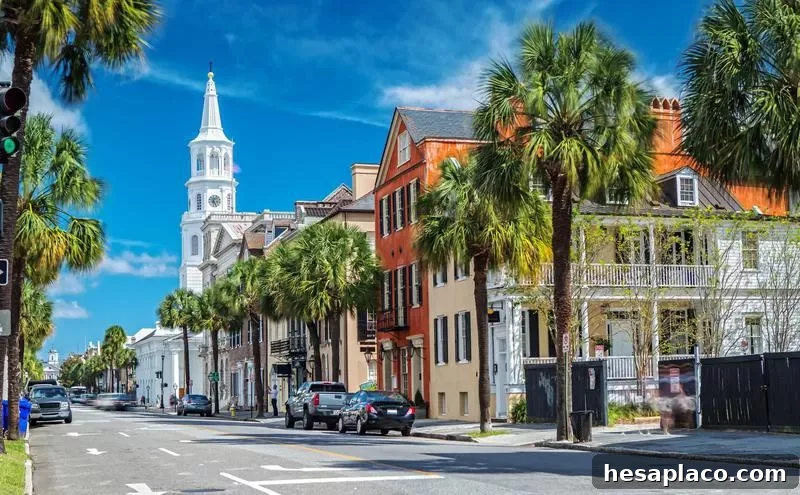
39. Charleston-North Charleston, South Carolina
Getty Images
Population over 65: 13.8 percent
Overview: Charleston offers mild climate, beaches and good health-care access. Job and wage growth are healthy, small-business growth is solid and taxes are comparatively low. Nursing homes, assisted living and adult day services tend to be affordable, and hospitals provide strong access to geriatric, rehab, Alzheimer’s and dialysis units.
Weaknesses: House prices and living costs exceed national averages, summers are hot and the area is hurricane-prone. Traffic congestion spikes during tourist seasons. Access to nursing home beds and home health services is limited, and state funding for older adults is low. Diabetes and alcohol use are higher than average.
38. Ogden-Clearfield, Utah

Getty Images
Population over 65: 11.3 percent
Overview: Ogden performs well on wellness, livability and living arrangements while lagging on health-care capacity. Housing prices are much lower than nearby Salt Lake City and the cost of living is moderate. The region shows low chronic-disease rates and high senior volunteering. Assisted living costs are low and most older adults age at home.
Weaknesses: Winters are cold and snowy and fitness facilities are limited. Adult day services and home health provider availability are constrained. Hospital access, physician and nurse numbers, and specialized services such as dialysis and hospice are all limited.
37. Hartford-West Hartford-East Hartford, Connecticut

Getty Images
Population over 65: 16.2 percent
Overview: Hartford scores well on community engagement, health care and wellness. The region is historic and walkable, with robust senior volunteerism and strong funding for older-adult programs. Access to hospice, Alzheimer’s units and long-term hospitals is very good.
Weaknesses: The cost of living and taxes are higher than average, public transit fares are high, and investment in senior transportation is limited. Nursing homes and assisted living are expensive and access to dialysis centers is not strong.
36. Cleveland-Elyria, Ohio

Getty Images
Population over 65: 16.9 percent
Overview: Cleveland is affordable with a walkable downtown and extensive transit options. It scores well on livability and living arrangements and offers good access to nursing homes, home health care, rehab, geriatric and hospice services with low ER wait times.
Weaknesses: Job and small-business growth are weak, older-adult poverty is significant, smoking and diabetes rates are high and physical activity is low. Medical and diagnostic center availability is limited, and winters can be harsh.
35. Houston-The Woodlands-Sugar Land, Texas

Getty Images
Population over 65: 10.1 percent
Overview: Houston performs strongly on livability, financial security, living arrangements and employment. The region has a booming economy, affordable housing and a large supply of hospital beds, rehab services and medical centers. Long-term care costs and home health services are relatively affordable.
Weaknesses: A notable share of older adults live in poverty, access to physical therapists is limited, and availability of hospice and Alzheimer’s units is less robust than ideal. Civic engagement is relatively low.
34. Boise, Idaho

Getty Images
Population over 65: 13.3 percent
Overview: Boise rates well for community engagement and livability. Job growth has been strong in recent years, crime and unemployment are low, and residents enjoy high physical activity and volunteering rates. The area has many nurses and good access to geriatric and hospice services.
Weaknesses: Public transportation is limited, small-business growth has slowed, and Alzheimer’s and depression rates are relatively high. Access to nursing home care, home health services and some senior medical services is constrained, and adult day services can be costly.
33. Milwaukee-Waukesha-West Allis, Wisconsin

Getty Images
Population over 65: 14.3 percent
Overview: Milwaukee scores well on health care and transportation. The area offers strong access to geriatric and Alzheimer’s care, many nurses and allied health professionals, good home health services and investments in senior transportation.
Weaknesses: Cost of living is higher than average, growth in jobs and wages is slow, taxes are relatively high, and rates of Alzheimer’s and obesity are elevated. Nursing-home and assisted-living costs trend high and public transit reliability is a concern; winters are long and cold.
32. Richmond, Virginia

Getty Images
Population over 65: 14.2 percent
Overview: Richmond scores well on employment and health care with a moderate cost of living and strong community involvement among seniors. Hospital capacity, nurses and dialysis centers are abundant, and ER wait times are shorter than in many metro areas.
Weaknesses: Alzheimer’s prevalence and the tax burden are high, wage and small-business growth are sluggish, and assisted living and rent costs can be elevated.
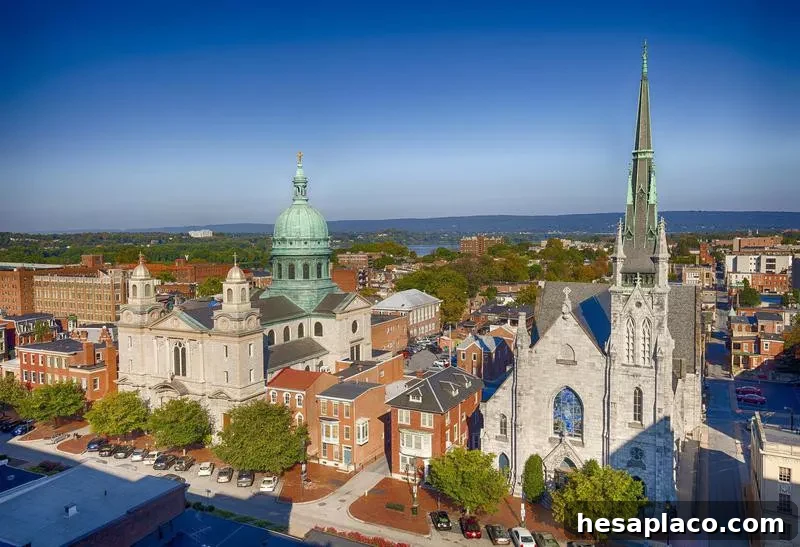
31. Harrisburg-Carlisle, Pennsylvania
Getty Images
Population over 65: 16.5 percent
Overview: Harrisburg offers a small-town feel with affordable housing, low crime and good access to elder-care specialists. The region rates well for community engagement and health-care access, with plentiful nurses, nurse practitioners, physician assistants and Alzheimer’s units.
Weaknesses: Traffic congestion is high because most residents drive, and the area experiences elevated obesity and diabetes rates. Medical and diagnostic center availability is limited, ER wait times can be long, and access to long-term hospitals is constrained.
30. Nashville-Davidson-Murfreesboro-Franklin, Tennessee

Getty Images
Population over 65: 12.4 percent
Overview: Nashville scores well on community engagement, financial security and health care. The metropolitan region remains relatively affordable and benefits from strong job growth and low unemployment. Health-care access is good, with many nurse practitioners, physician assistants, physical therapists and orthopedic surgeons.
Weaknesses: House prices are rising, commute times can be long, mass-transit fares are high and senior-transportation investment is low. Smoking, Alzheimer’s and obesity rates are elevated and life expectancy is reduced for older adults.
The list continues upward through the top-ranked metros, highlighting each region’s strengths and weaknesses across the same categories: health care capacity, wellness indicators, transportation and mobility, housing and living costs, economic security, and civic engagement. Together, these profiles show how diverse American metro areas are in their ability to support an aging population: some offer strong medical infrastructure but high costs; others provide low costs and strong community ties but limited specialized care. As the U.S. population grows older, these differences will shape where older adults can live independently, access care and remain engaged in their communities.