Investing in cryptocurrency is a recent economic trend, but societies have used many different forms of money across history. Some unusual payment instruments remain in use today and are recognized, tolerated, or accepted within local economies and legal systems.
From Zimbabwe’s hyperinflated banknotes to massive Rai stones in Micronesia whose value is preserved by oral tradition, these are some of the strangest currencies that have been used around the world.
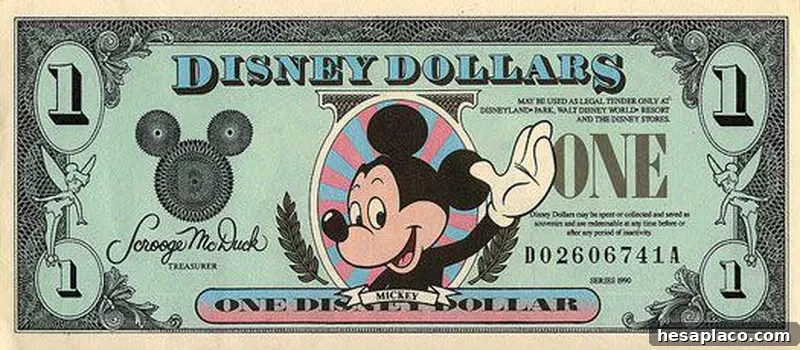
25. Disney Dollars
SgtObiWan / Twitter
Where used: U.S. Disney theme parks and facilities
Bottom line: Disney Dollars functioned as a redeemable medium of exchange at Disney-owned locations. They resembled U.S. currency in size and style but featured Disney characters such as Mickey and Minnie Mouse instead of presidents. Production stopped in 2016, but existing Disney Dollars remain redeemable at Disney resorts, on Disney Cruise Line vessels, and on parts of Castaway Cay.
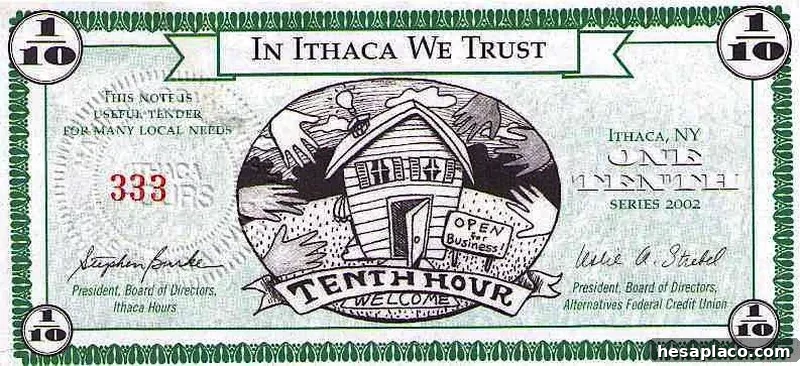
24. Ithaca Hours
DevData2 / Twitter
Where used: Ithaca, New York
Bottom line: Launched in 1991, the Ithaca Hour was one of the earliest local, time-based currencies, designed to encourage spending at local businesses. One Ithaca Hour represented roughly one hour of work or about $10. At its peak more than $100,000 in Ithaca Hours circulated. As electronic payments grew common, usage declined and by the mid-2010s the online platform supporting them ceased regular operation.
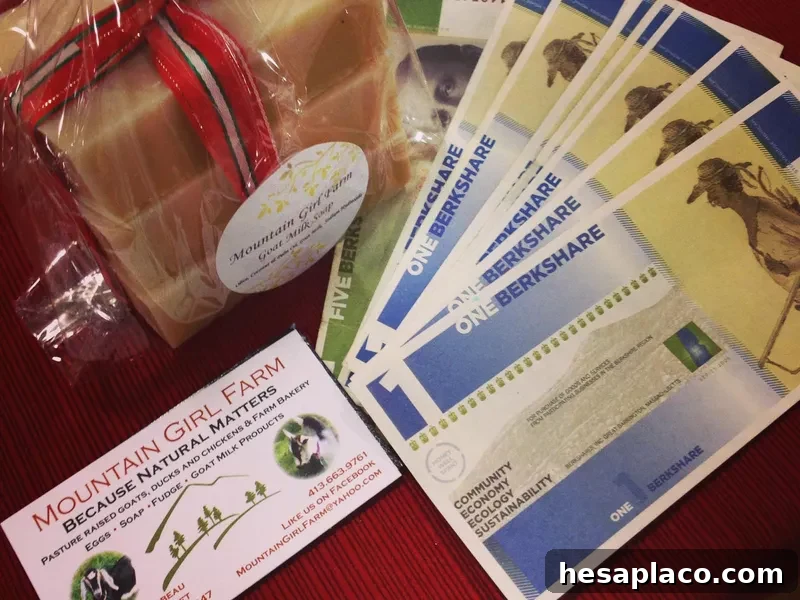
23. BerkShares
BerkShares / Facebook
Where used: Berkshires region, Massachusetts
Bottom line: BerkShares are a community currency bought at a discount by residents (around 95 cents per berk) to spend locally. Accepted by hundreds of independent businesses and several local banks, BerkShares aim to keep money circulating within the region and can be used for purchases, making change, paying wages, or supporting charities.
22. Antarctican Dollar
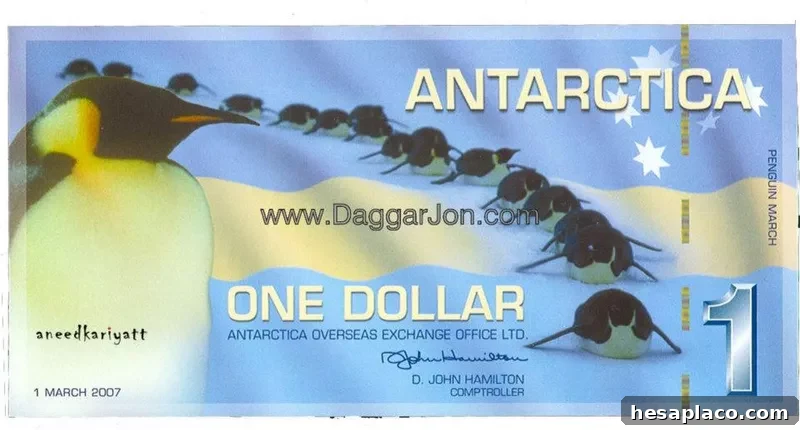
Aneed Kariyatt / Facebook
Where used: Antarctica
Bottom line: The Antarctican dollar, or Emp, is a novelty currency named after emperor penguins. It isn’t legal tender but is a collectible souvenir for visitors. Practical transactions on the continent are extremely limited; McMurdo Station does have an ATM, reflecting that standard currencies are used for most purchases.
21. Breadcoin
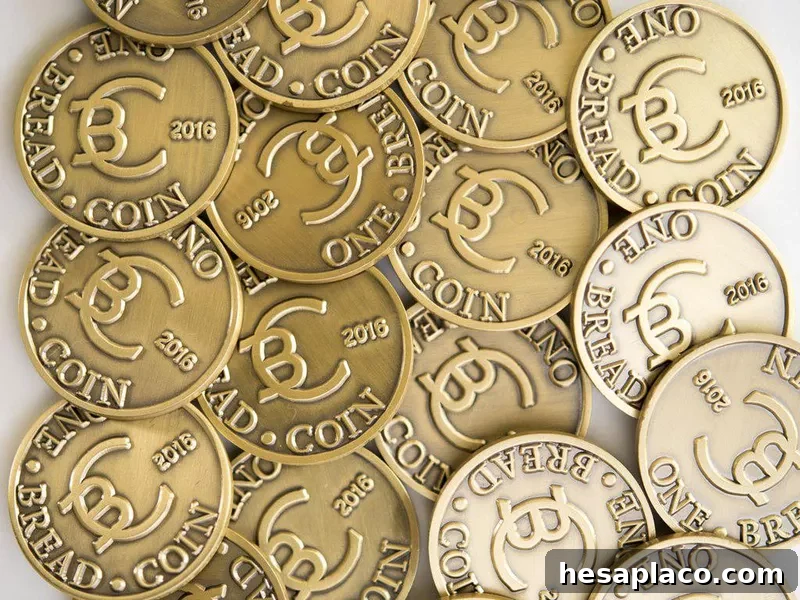
Wikipedia
Where used: Washington, D.C., and Maryland
Bottom line: Introduced in 2016, Breadcoin is a community food token distributed to people experiencing food insecurity. Monthly donors fund the coins, and participating food vendors accept Breadcoins so recipients can buy meals from local retailers, helping connect charitable support directly to local businesses and food providers.
20. Euskoa
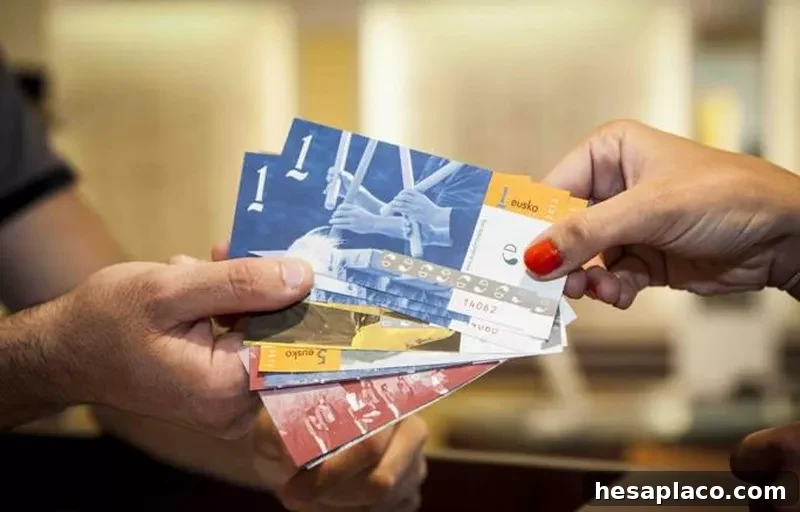
argia.astekaria / Facebook
Where used: Basque region of France
Bottom line: The Euskoa, launched in 2013, is a regional currency used to promote local trade in the French Basque area. Its smallest unit equals approximately €1, and when prices don’t round cleanly, the buyer pays the cent difference in euros. The currency supports regional businesses and keeps purchasing power within the local economy.
19. S&H Green Stamps
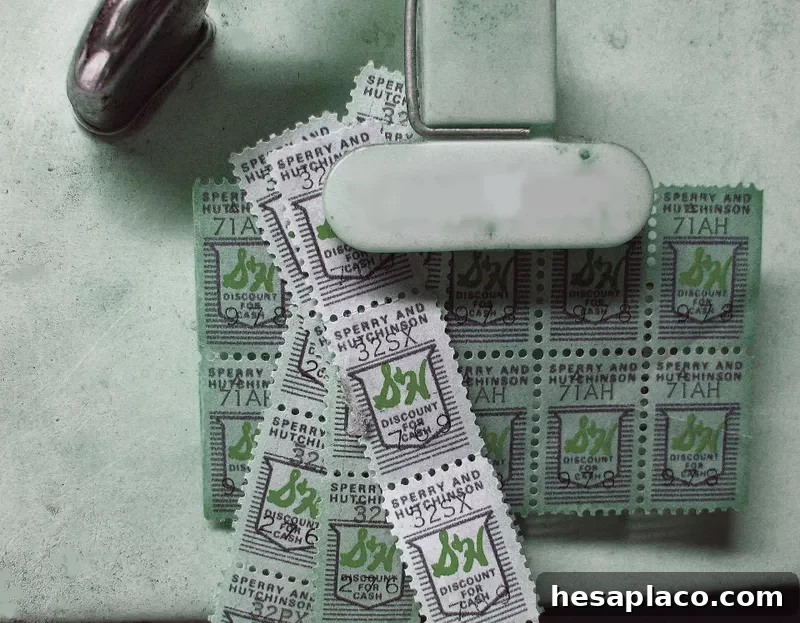
Wikipedia
Where used: United States
Bottom line: S&H Green Stamps were trading stamps distributed by retailers beginning in the late 19th century. Shoppers collected stamps in booklets and redeemed filled booklets for merchandise from a catalog. Attempts to modernize the program into digital gift cards were not successful, and the program ended formally in 2020.
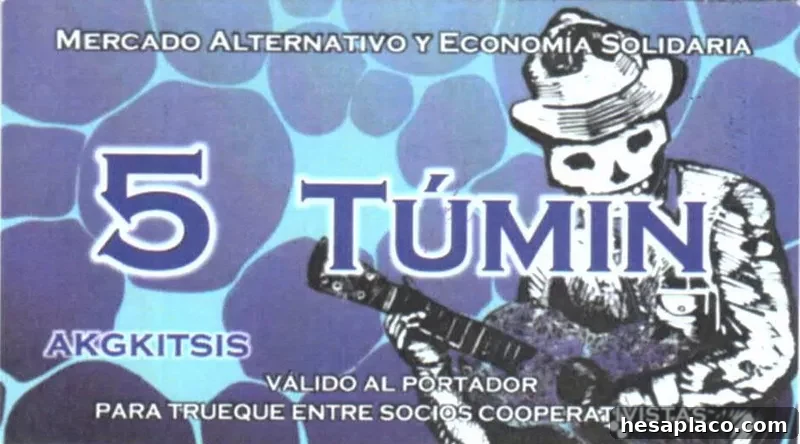
18. Túmin
sambcollection / Facebook
Where used: Espinal, Veracruz, Mexico
Bottom line: Túmin is a community currency in Espinal. New members receive a starting balance and a directory of participating businesses. To participate, contributors must offer goods or services, and one Túmin is roughly equivalent to one Mexican peso, encouraging local trade and mutual support.
17. The Zimbabwe Dollar
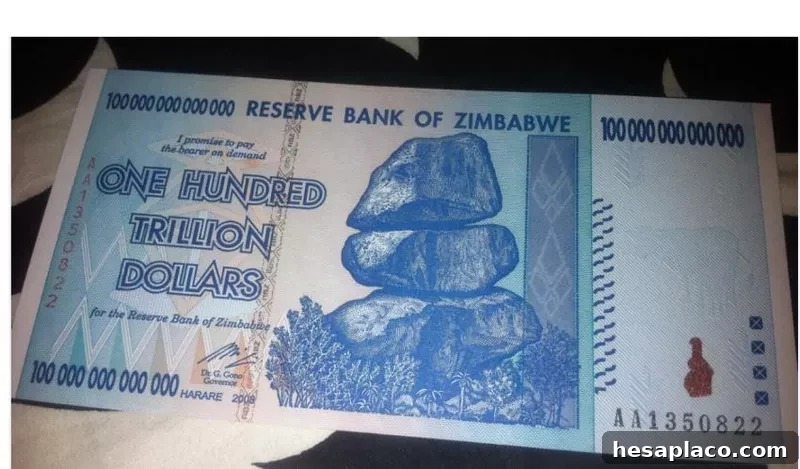
Where used: Zimbabwe
Bottom line: During Zimbabwe’s hyperinflation around 2008–2009, denominations reached into the trillions and became essentially worthless. The Reserve Bank abandoned the national currency in favor of the U.S. dollar and other currencies. Today these extravagant banknotes survive mainly as collector’s items.
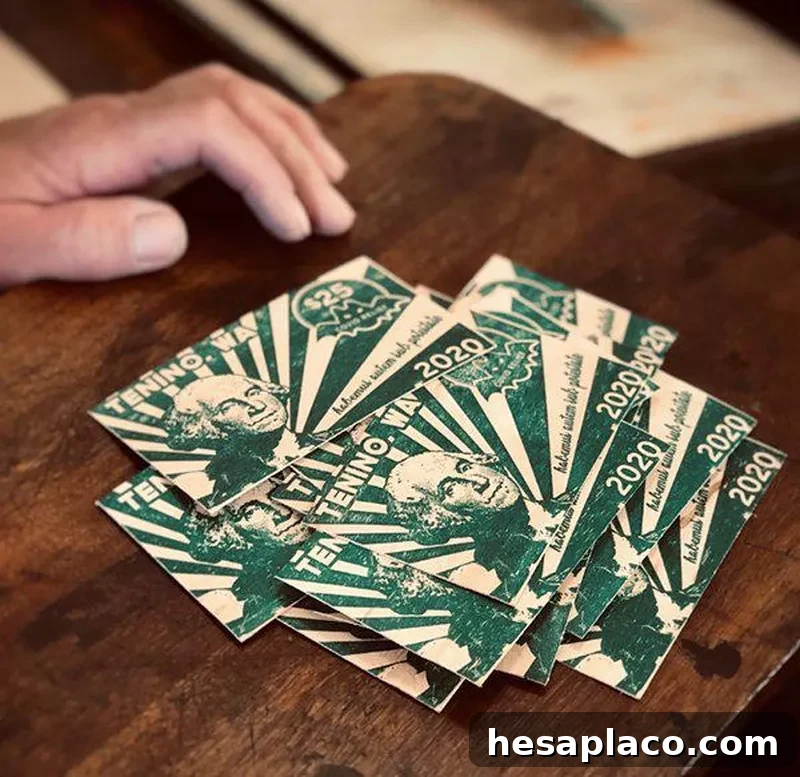
16. Tenino Wooden Currency
Design_inQ / Twitter
Where used: Tenino, Washington
Bottom line: Continuing a long tradition of local tokens, Tenino issued wooden currency to help residents facing economic hardship during the COVID-19 pandemic. Eligible households can receive monthly wooden dollars to purchase essentials and services from registered providers. The notes are not redeemable for cash and are restricted from buying alcohol, tobacco, or marijuana.
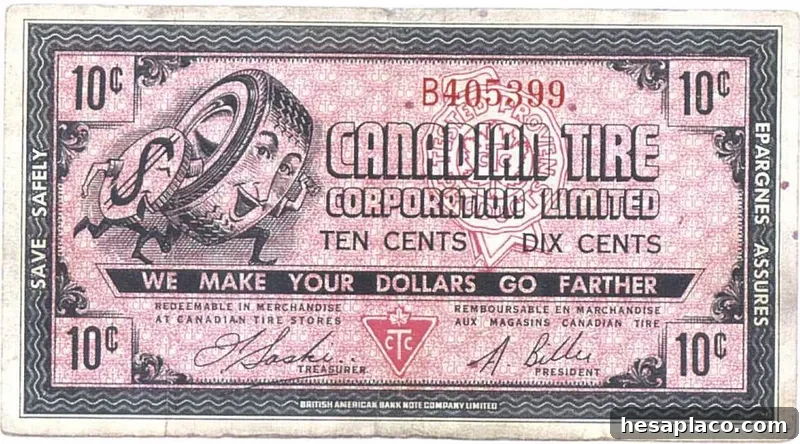
15. Canadian Tire Money
Canadiantire / Facebook
Where used: Canadian Tire retail locations (and informally elsewhere)
Bottom line: Canadian Tire Money began as paper rewards issued by the retail chain and resembles Canadian currency. Though not legal tender, many customers and some outside businesses accept it out of habit or loyalty. One Canadian Tire “buck” has historically been valued close to a Canadian dollar. The company has shifted to the Triangle Rewards program, but paper and token versions of Canadian Tire Money still circulate.
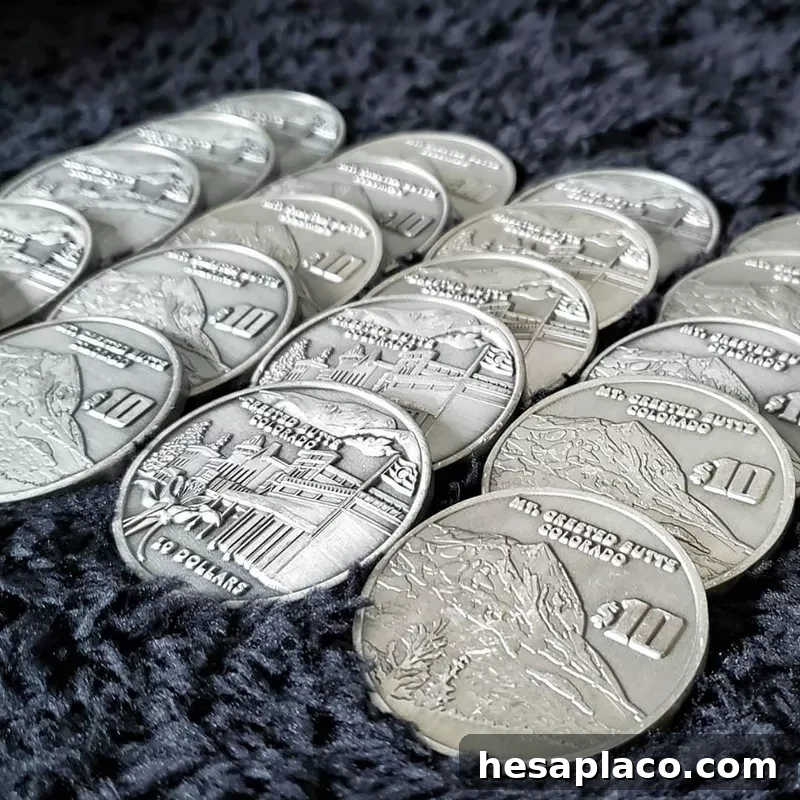
14. Butte Bucks
cbchamber / Facebook
Where used: Crested Butte, Colorado
Bottom line: Butte Bucks are seasonal tokens used to drive holiday shopping on Crested Butte. Sold at a discount, each coin is worth $10 when spent locally during the specified promotional period, and participating businesses redeem them at a visitor center by year’s end.
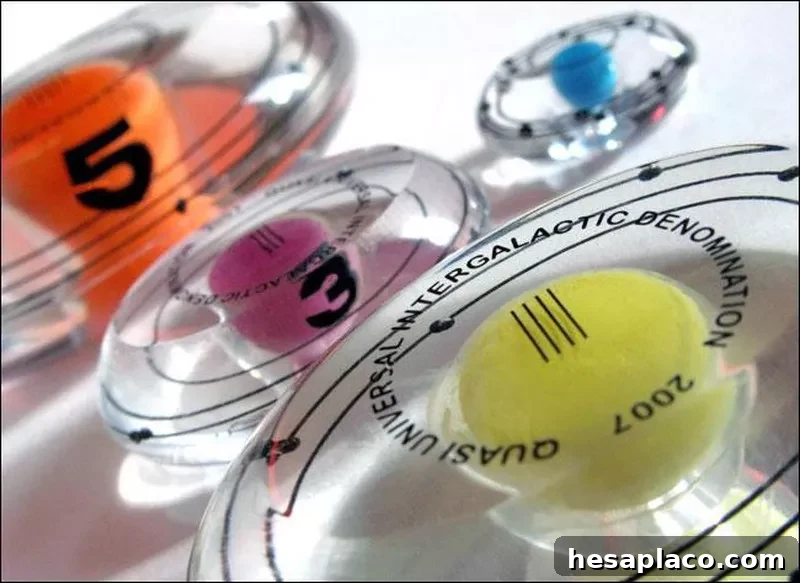
13. Quasi Universal Intergalactic Denomination (QUID)
Jeremy Jones / Facebook
Where used: Conceptually, outer space
Bottom line: Created as a tongue-in-cheek marketing campaign by a foreign exchange company, QUID was designed from polymer to avoid sharp edges or magnetic strips, features that would complicate use in microgravity. In 2007 one QUID equaled about £6.25. It remains an imaginative example of marketing crossing into collectible currency.
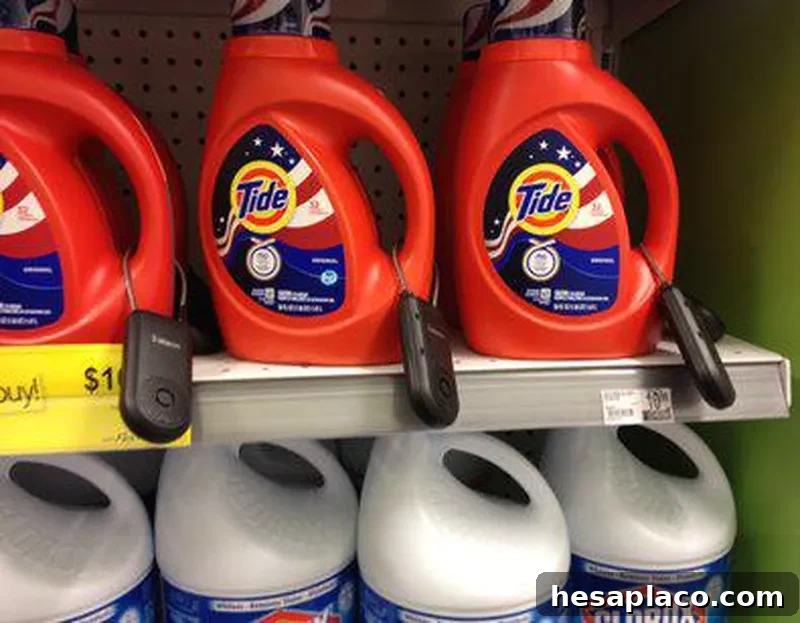
12. Tide
MadAnter / Twitter
Where used: United States (informally)
Bottom line: Laundry detergent, especially expensive, large containers of Tide, became an informal street commodity in some U.S. cities around 2012. Because it was easily resold, stolen detergent effectively functioned as a barter item used in illicit transactions, then redistributed to local shops for cash.
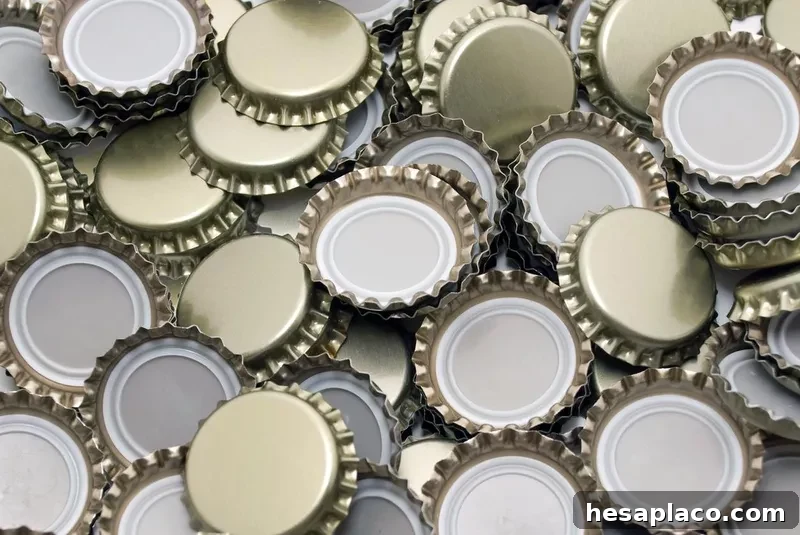
11. Bottle Caps
Getty Images
Where used: Cameroon (informal)
Bottom line: A brewery promotion that printed prize offers on bottle caps inadvertently turned caps into a medium of exchange. Since a bottle’s price matched common small fares, people sometimes used caps to settle informal transactions. The practice shows how consumer products and promotions can create ad hoc currencies in local contexts.
10. Chiemgauer
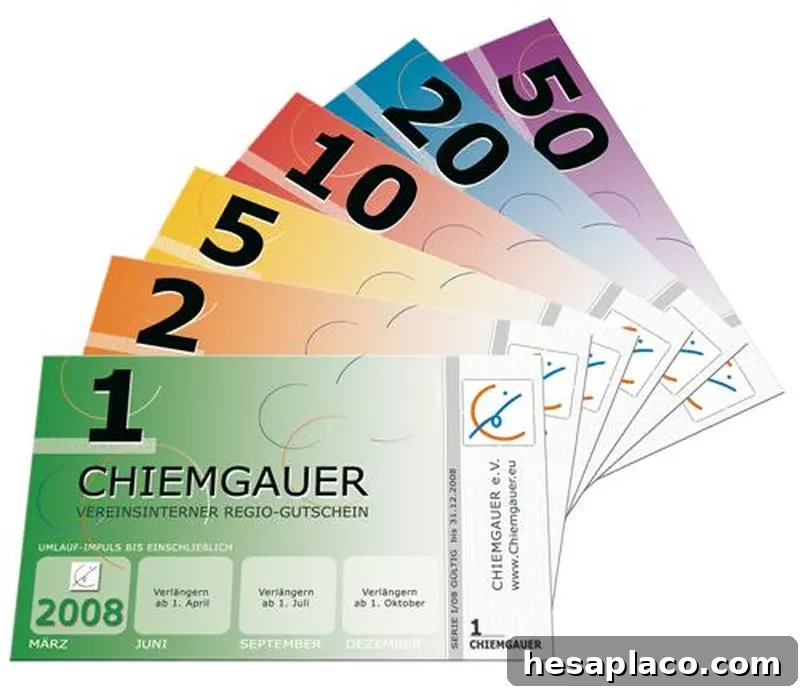
Wikipedia
Where used: Chiemgau region, Bavaria, Germany
Bottom line: Launched in 2003 by a teacher, the Chiemgauer local currency was designed to boost employment, culture, and food resilience in the region while educating students about economics. A digital version (eChiemgauer) followed. The Chiemgauer is typically pegged at one euro and continues to support local trade.
9. Dolphin Teeth

Getty Images
Where used: Solomon Islands
Bottom line: In parts of the Solomon Islands, dolphin teeth have long served as a form of wealth and currency. Their value rose dramatically at times, raising conservation concerns. Historical use highlights how cultural values and scarcity can turn natural objects into monetary units, sometimes with ecological consequences.
8. Time Dollars
Getty Images
Where used: Worldwide
Bottom line: Time-based currencies trade units of labor rather than money. Typically, one time dollar equals one hour of service. Members exchange services—such as childcare, repairs, or tutoring—earning credits redeemable for others’ time. Time banks operate globally, with hundreds of organizations in the U.S. alone.
7. Tea Bricks
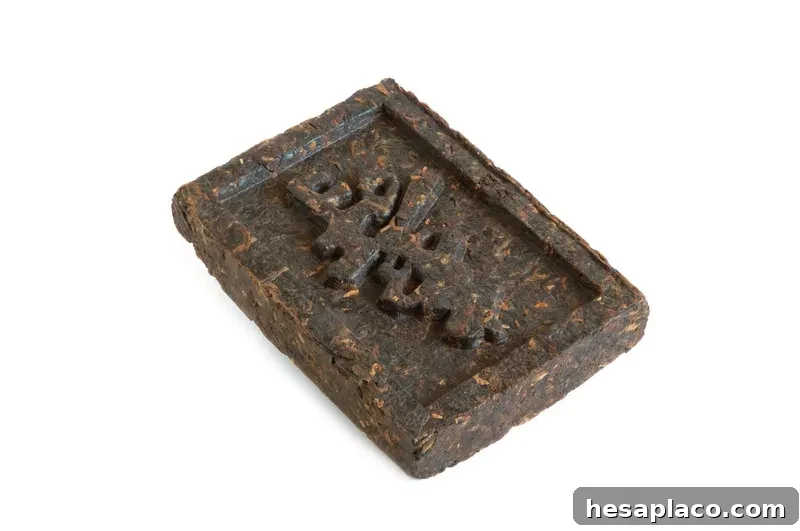
Getty Images
Where used: China, Tibet, Mongolia, Central Asia, and Siberia
Bottom line: Compressed tea bricks were once a widely accepted medium of exchange across large parts of Asia. Valued for their portability, storability, and multiple uses (brewing, medicinally, or even as food), tea bricks served as practical currency well into the 20th century in some regions.
6. Shells
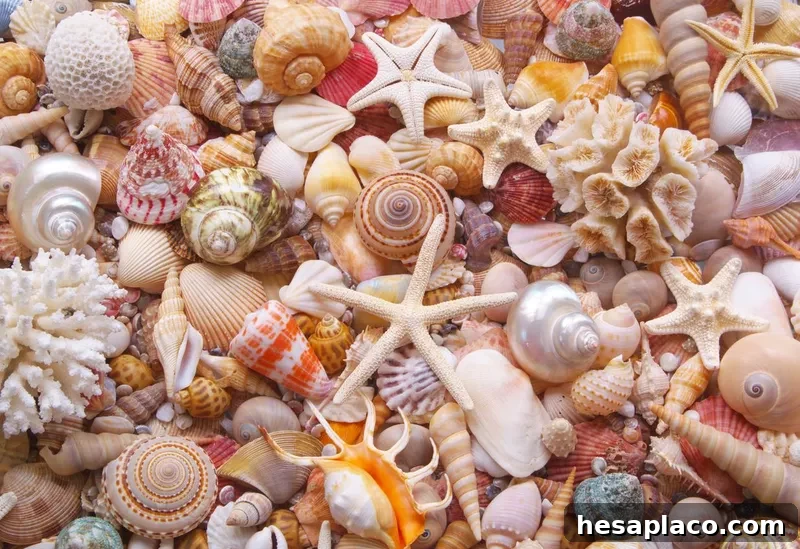
Getty Images
Where used: Historically global; still used in some places like Sri Lanka
Bottom line: Shell money, including cowrie shells, has been used worldwide as a durable and portable medium of exchange. While most societies have shifted to modern currencies, some traditions persist; for example, Sri Lanka historically used Cypraea moneta (money cowries) as a recognized value token.
5. Salt
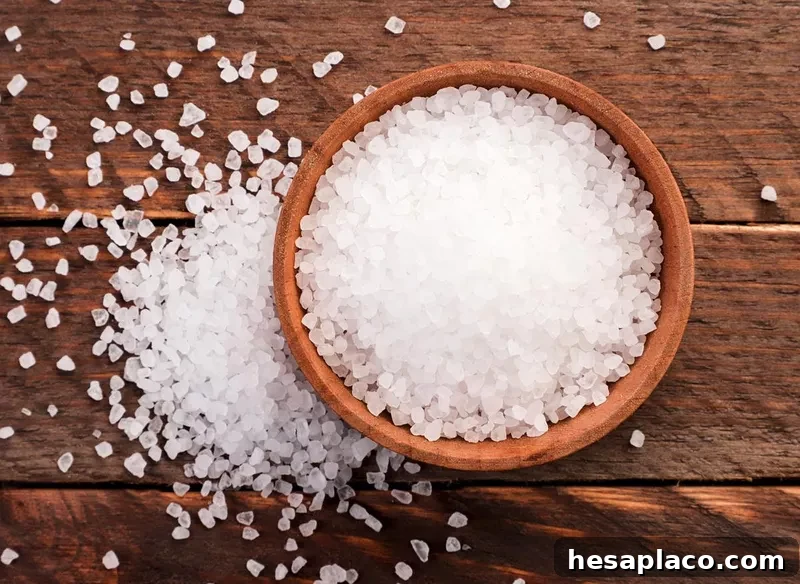
Getty Images
Where used: Historically widespread; still used by nomads in Ethiopia’s Danakil Plains
Bottom line: Salt has been a crucial commodity and medium of exchange for millennia. The Latin root of “salary” reflects the importance of salt in paying troops. In some remote areas, such as Ethiopia’s Danakil Plains, salt blocks or bars have persisted as trade items and storehouses of value.
4. Salt Spring Dollars
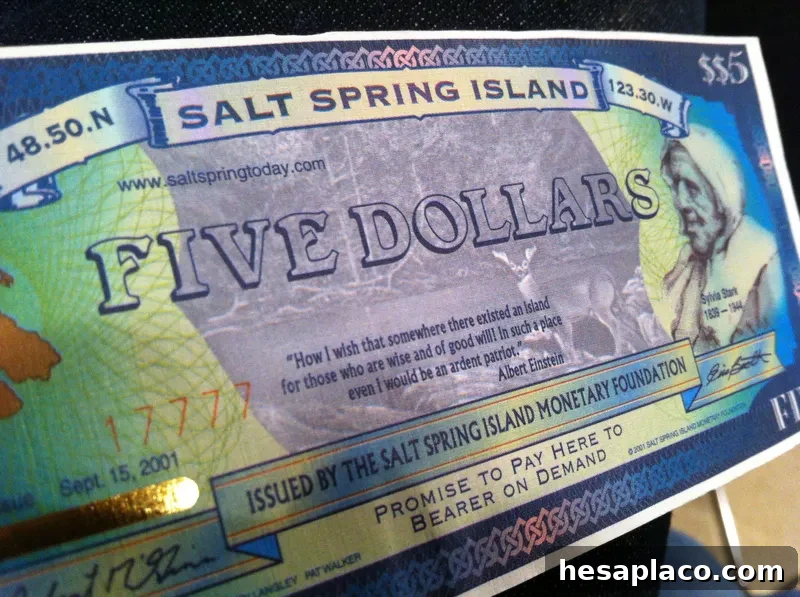
saltspringexchange / Facebook
Where used: Salt Spring Island, British Columbia, Canada
Bottom line: Introduced in 2001 to support the local economy, Salt Spring Dollars are accepted by participating merchants and showcase local artists. The initiative later expanded with local coinage, reinforcing community trade and keeping economic value circulating within the island.
3. Kissi Pennies
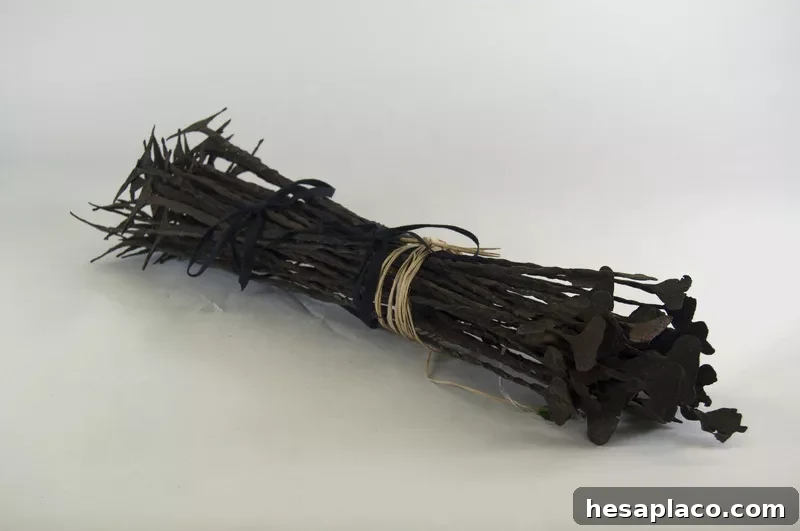
Wikipedia
Where used: West Africa
Bottom line: Kissi pennies were iron rods used as currency across West Africa and in parts of Central Africa during the early 20th century. Users bundled them for larger purchases; at peak use, livestock and other high-value items were commonly traded using many bundles. Colonial currencies largely replaced them over time.
2. Rai Stones
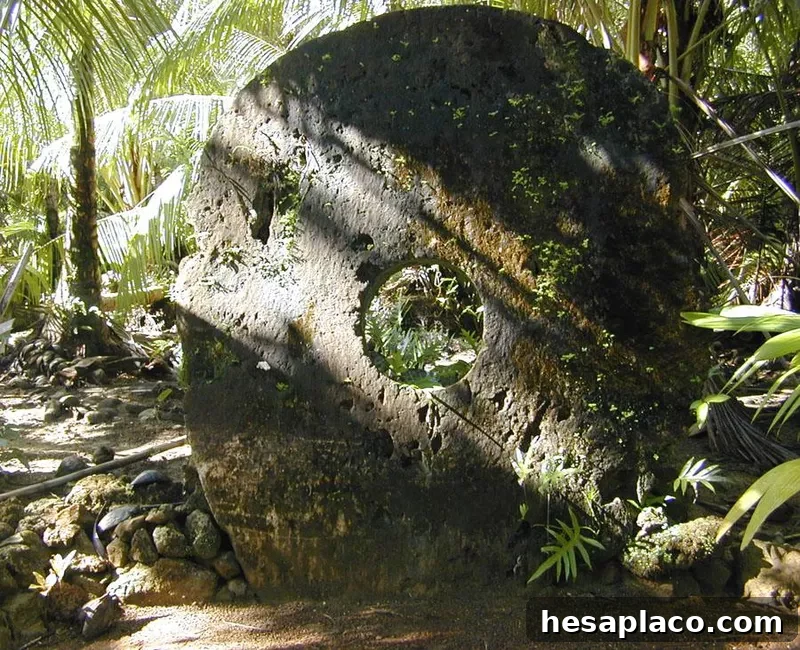
Wikipedia
Where used: Yap Islands, Micronesia
Bottom line: Rai stones are enormous carved limestone discs used historically on Yap as a form of money. Their value depends on documented ownership and the story of how they were acquired. Because many are too large to move, ownership transfers are recorded and remembered orally; the stones’ social and ceremonial role persists today.
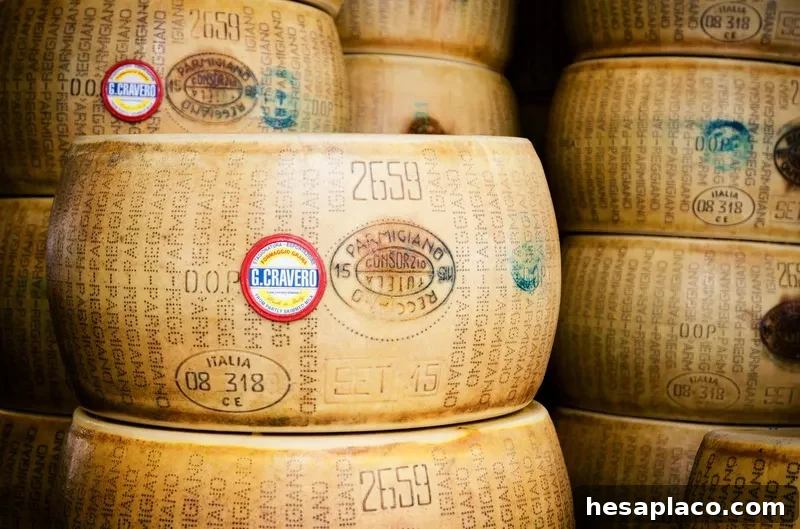
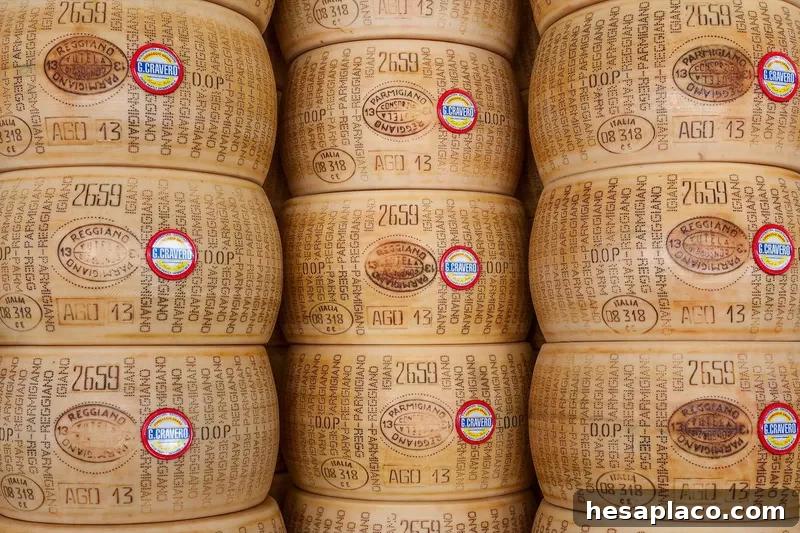
1. Parmigiano Reggiano
Getty Images
Where used: Emilia-Romagna region, Italy
Bottom line: In Reggio Emilia, real Parmigiano Reggiano is so highly valued that a local bank accepts wheels of the cheese as collateral for loans. Farmers can receive loans up to 80 percent of a wheel’s value; the bank stores the cheese in climate-controlled warehouses while it ages. A single wheel can be worth several hundred to a few thousand dollars, making this an unusual but practical form of pledged value.