Companies normally try to avoid costly errors, but some accidents have produced enormous profits or even changed the world. For centuries, unexpected mishaps have led to life-saving medicines, groundbreaking technologies, iconic foods and beverages, everyday household and office products, and enduring toys.
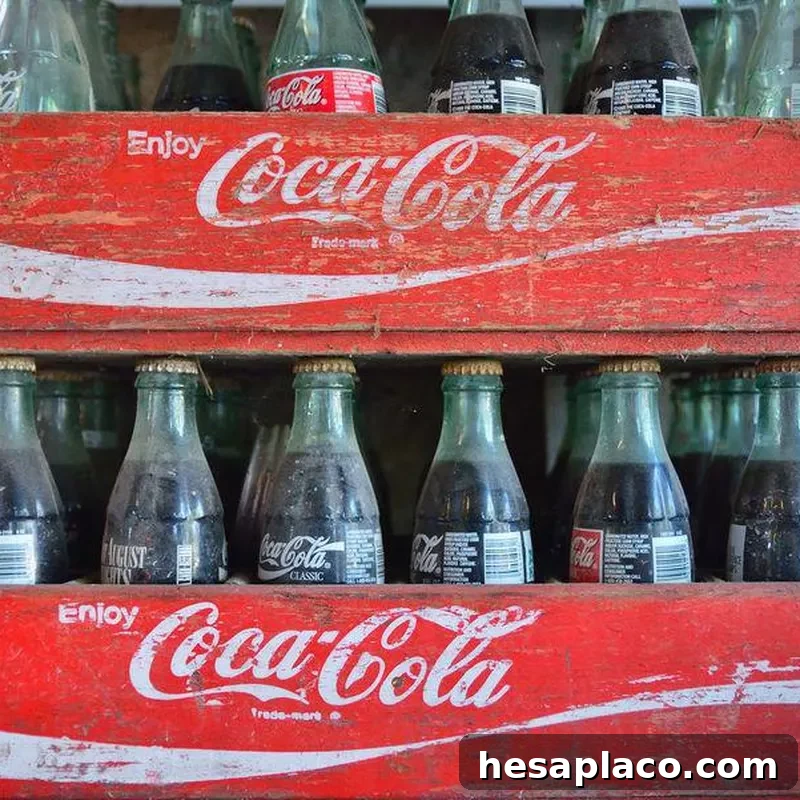
So grab a bag of potato chips, a Coke and some Post-its (all born from happy accidents), and read about some of the most profitable and influential mistakes in business history.
30. Chocolate Chip Cookie
bhofack2 / Getty Images
Year the accident occurred: 1930
Company involved: Nestle
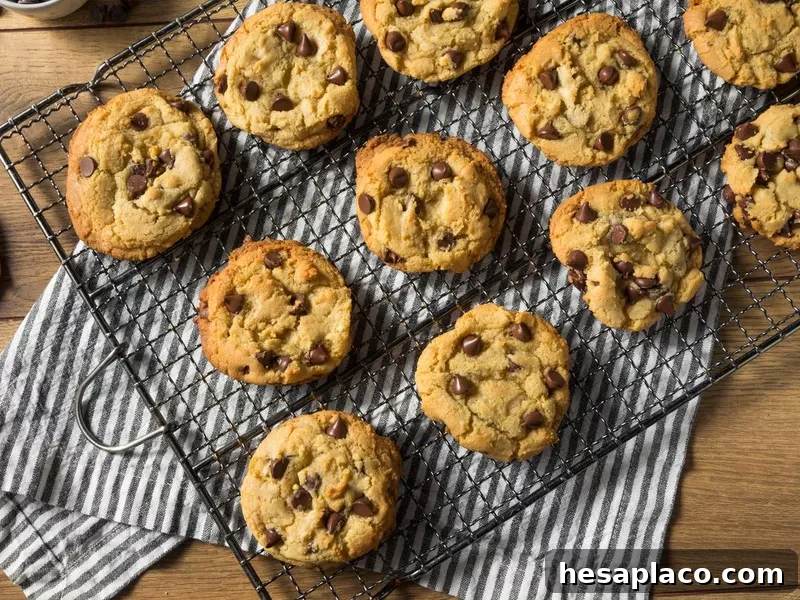
The chocolate chip cookie was invented by Ruth Graves Wakefield, co-owner of The Toll House Inn in Massachusetts, when she ran out of baker’s chocolate. She substituted Nestle chocolate, expecting it to melt evenly into the dough, but instead the pieces held their shape and created gooey pockets of chocolate. Guests loved the result. Wakefield allowed Nestle to use her recipe, and soon multiple companies began offering chocolate chip cookies. Today, billions of cookies are eaten each year in the U.S.
29. Vulcanized Rubber

Chonlatee Sangsawang / Getty Images
Year the accident occurred: 1839
Company involved: Goodyear
Charles Goodyear spent years trying to stabilize natural rubber so it could resist extreme temperatures. His breakthrough came when a piece of rubber accidentally landed on a hot stove and charred in a way that made it far more durable. That process, called vulcanization, transformed rubber into a material suitable for tires, shoe soles and many industrial uses.
28. Saccharin
Juanmonino / Getty Images
Year the accident occurred: 1879
Company involved: Cumberland Packing Corp
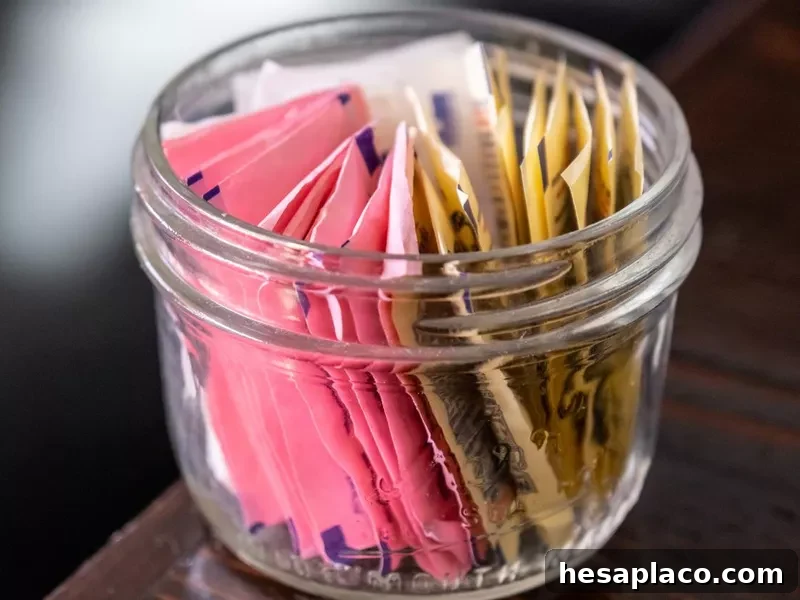
Saccharin, one of the earliest artificial sweeteners, was discovered when Constantin Fahlberg noticed his lunch tasted unusually sweet after working with chemicals in the lab. The sweetness came from a compound he had handled but failed to wash off. He later patented the product in his name, and saccharin was used widely in beverages, baked goods and candies.
27. Scotchgard
Charleston Crafted
Year the accident occurred: 1956
Company involved: 3M
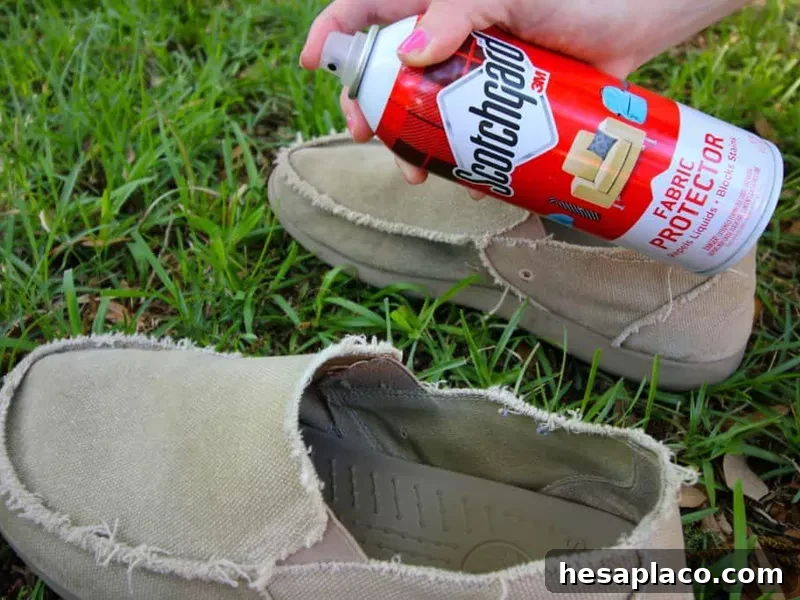
Chemist Patsy Sherman was developing rubber compounds that could withstand jet fuel when a spilled mixture landed on a colleague’s white shoe. Instead of ruining the shoe, the spill repelled dirt and liquids. 3M introduced Scotchgard, which became a hugely successful fabric protector used in many households.
26. Potato Chips
Vadym Petrochenko / Getty Images
Year the accident occurred: 1853
Companies involved: Moon Lake House, Lay’s, Ruffles, Pringles and others
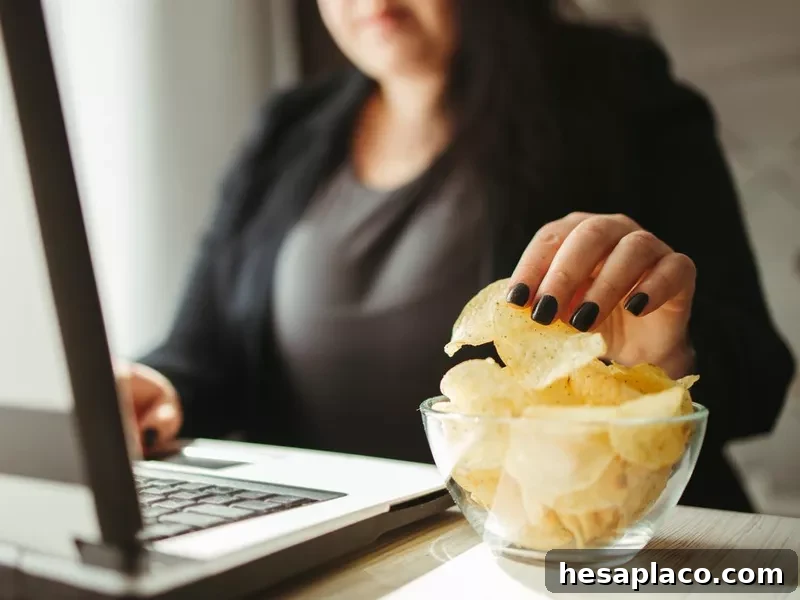
Chef George Crum at Moon Lake House in Saratoga Springs reportedly created potato chips after a customer complained that his fries were too thick and soggy. Crum sliced potatoes paper-thin and fried them until crisp. The customer loved them, and potato chips grew into a massive snack industry enjoyed worldwide.
25. Velcro
stocksnapper / Getty Images
Year the accident occurred: 1957
Company involved: Velcro Companies
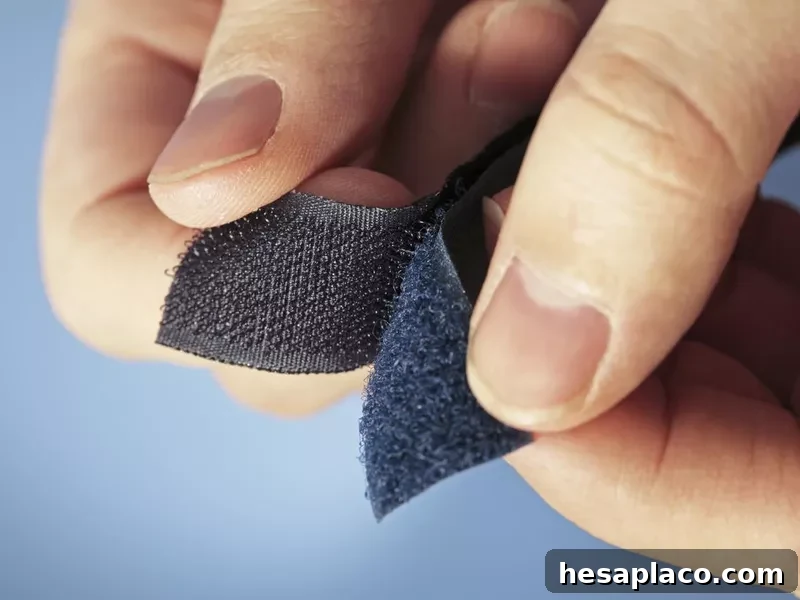
Swiss engineer George de Mestral returned from a walk with his dog covered in burrs. Curious, he examined them and found tiny hooked structures that clung to fabric and fur. He spent years developing a synthetic fastener that mimicked this natural hook-and-loop mechanism. Velcro became a ubiquitous, convenient closure for clothing, shoes and many other products.
24. Nutella
eserka / Getty Images
Year the accident occurred: 1946
Company involved: Nutella
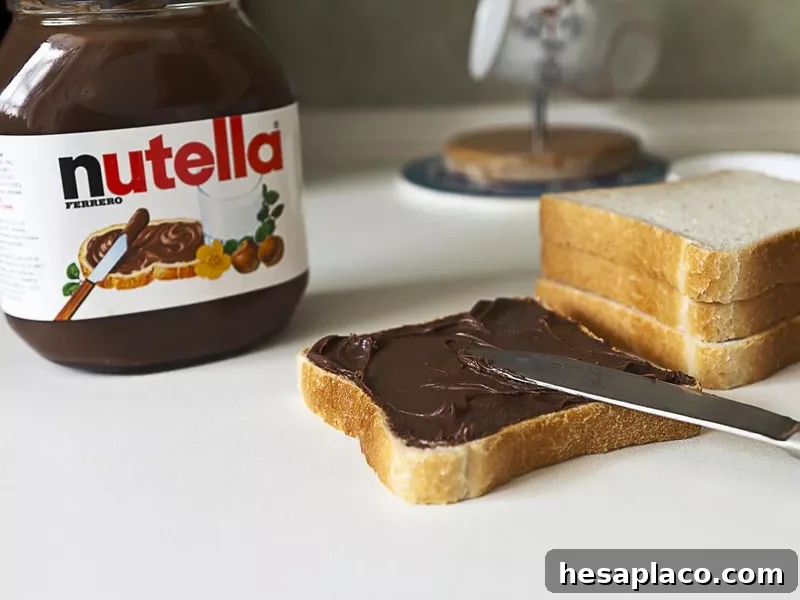
In postwar Italy cocoa was scarce and expensive, so pastry chef Pietro Ferrero added hazelnuts to chocolate to extend the supply. One summer, a batch softened into a creamy spread. He refined the recipe into Supercrema, later rebranded as Nutella. The hazelnut-chocolate spread became a global sensation, with jars sold around the world every few seconds.
23. Viagra
Savushkin / Getty Images
Year the accident occurred: 1996
Company involved: Pfizer
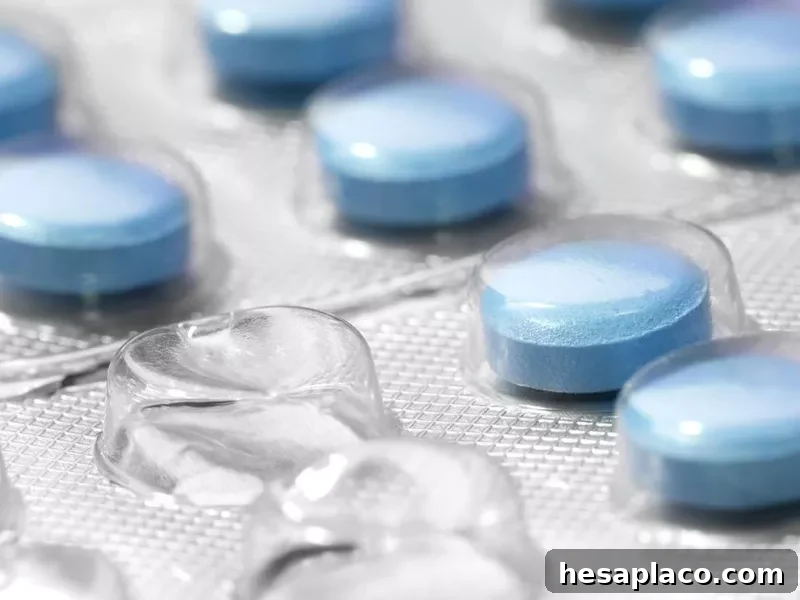
Originally developed to treat angina and other heart conditions, the drug failed clinical trials for those uses. Researchers noticed an unexpected side effect in male patients. Pfizer repackaged the drug as a treatment for erectile dysfunction and launched Viagra, which became one of the fastest-selling pharmaceuticals in history.
22. Safety Glass
miljko / Getty Images
Year the accident occurred: 1903
Company involved: Triplex Safety Glass
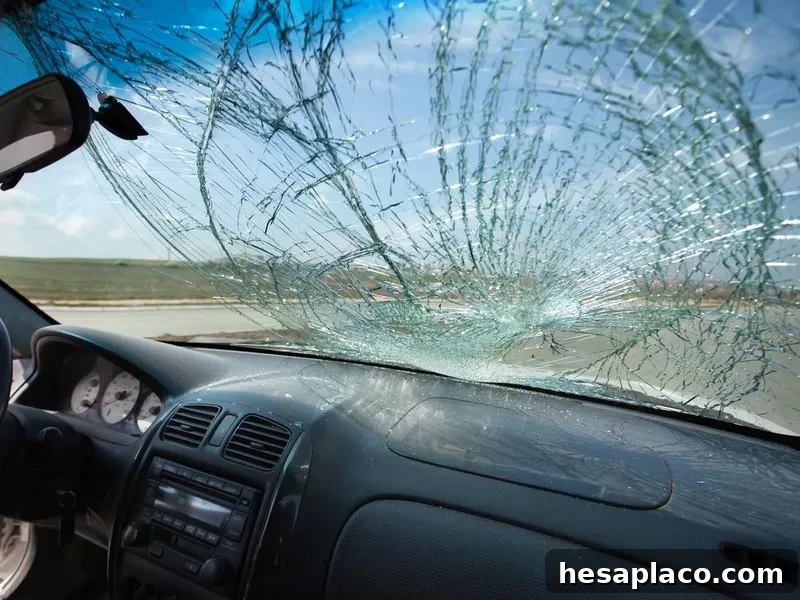
Edward Benedictus accidentally knocked over a flask coated with cellulose nitrate and found the glass cracked but not shattered. He studied the effect and developed laminated safety glass, which holds together when broken and became essential for automobile windshields and other safety applications.
21. Brandy

Alexander Kuzmin / Getty Images
Year the accident occurred: 16th century
Company involved: Various spirit producers
A Dutch shipmaster concentrated wine to make transport easier and planned to add water at the destination. The result—burnt or concentrated wine—produced a stronger spirit called brandwijn in Dutch, later anglicized to brandy. It quickly gained popularity across Europe.
20. Running Shoes (Air Cushioning)

monkeybusinessimages / Getty Images
Year the accident occurred: 1971
Companies involved: NASA, Nike
NASA engineers developed a rubber-molding process that trapped air bubbles while working on shock-absorbing helmet materials. Frank Rudy adapted the concept to shoe soles, and Nike later commercialized air-cushioning technology that transformed athletic footwear and became a major revenue source for the company.
19. Ice Cream Cones

Olesya Eroshenko / Getty Images
Year the accident occurred: 1904
Companies involved: Street vendors Arnold Fornachou and Ernest Hamwi
At the 1904 World’s Fair, a vendor ran out of bowls. Neighbor Ernest Hamwi offered his waffle-like pastry, which the vendor rolled into a cone to hold the ice cream. Customers loved it, and the ice cream cone quickly replaced less sanitary serving methods.
18. Vaseline
towfiqu ahamed / Getty Images
Year the accident occurred: 1870
Company involved: Chesebrough Manufacturing Company
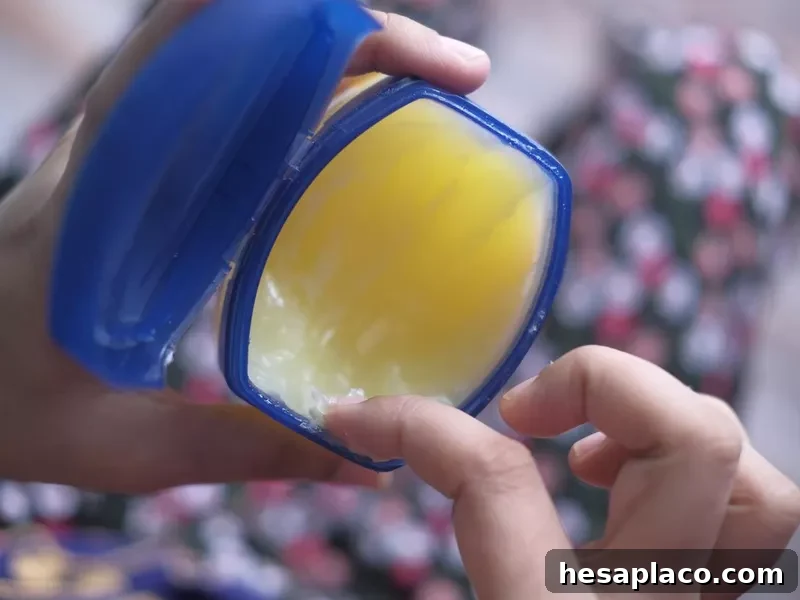
Robert Chesebrough observed oil rig workers using a goo called rod wax to heal cuts and burns. He refined the substance into a lighter, transparent gel he called Vaseline. The product became a household staple for skin care and minor wound protection.
17. Super Glue
ronstik / Getty Images
Year the accident occurred: 1942
Company involved: Kodak Laboratories
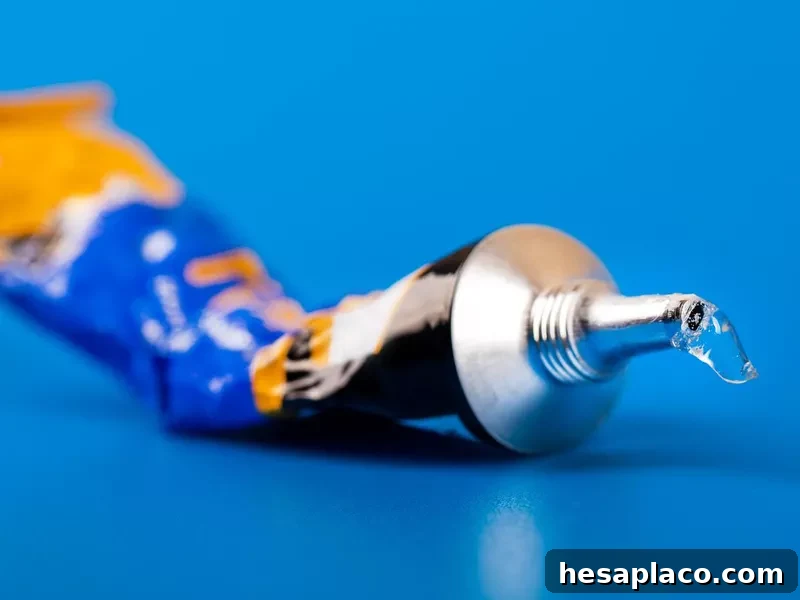
Harry Coover discovered cyanoacrylate—a compound that bonded instantly to almost everything—while attempting to create clear gun sights during World War II. Initially set aside, the adhesive was later commercialized as Super Glue and is widely used for fast, strong repairs and even temporary medical applications.
16. Popsicles

LauriPatterson / Getty Images
Year the accident occurred: 1905
Company involved: Popsicle
Eleven-year-old Frank Epperson left a cup of powdered soda and water with a stirring stick outside overnight. The mixture froze around the stick, creating the first frozen novelty on a stick. He later patented the idea as the Popsicle, a summer classic sold in the billions.
15. Implantable Pacemaker
Paperkites / Getty Images
Year the accident occurred: 1956
Company involved: University of Buffalo
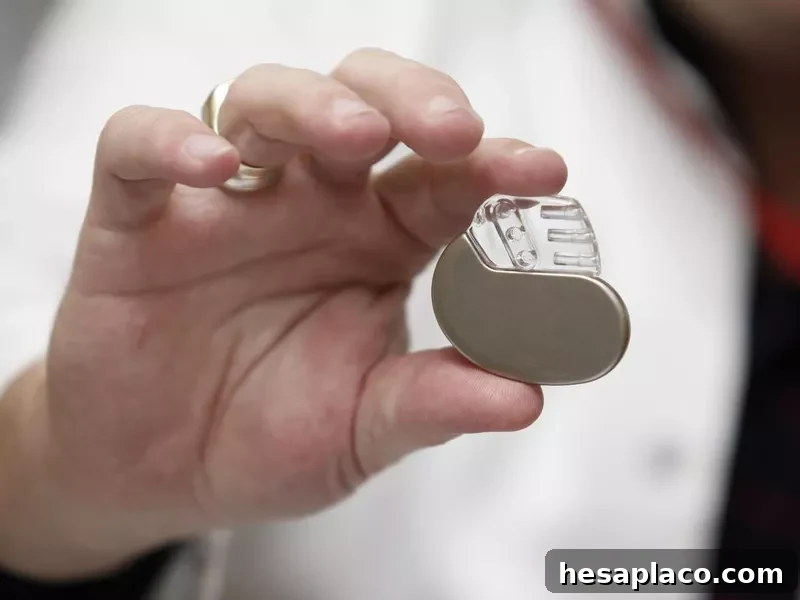
Engineer Wilson Greatbatch accidentally used the wrong resistor while attempting to record heart sounds, producing a circuit that emitted regular electrical pulses like a heartbeat. That discovery led to a practical implantable pacemaker, which extended and improved the lives of many patients.
14. Bubble Wrap
Daria Kulkova / Getty Images
Year the accident occurred: 1957
Company involved: Sealed Air Corporation
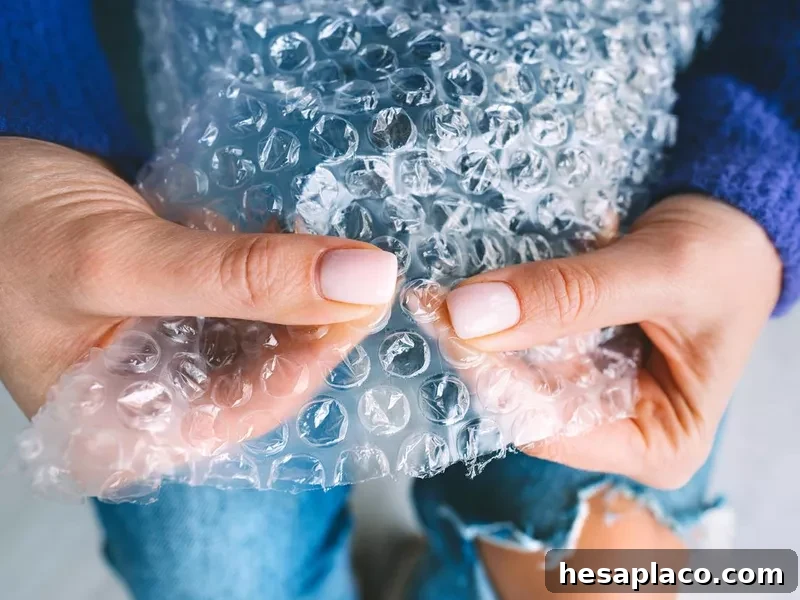
Alfred Fielding and Marc Chavannes created bubble-patterned plastic while experimenting with textured wallpaper and greenhouse insulation. When those markets didn’t take off, the material found a perfect use as protective packaging. Later, a major computer manufacturer used it to ship delicate equipment, and bubble wrap became a packaging standard worldwide.
13. Teflon

Visual Art Agency / Getty Images
Year the accident occurred: 1938
Company involved: DuPont
Chemist Roy Plunkett found that a gas used in refrigerant research had polymerized into a white, slippery solid inside a storage cylinder. That material—polytetrafluoroethylene—proved highly resistant to heat and extremely slippery. DuPont trademarked the product as Teflon and it became widely used for cookware and many industrial applications.
12. Corn Flakes

agrobacter / Getty Images
Year the accident occurred: 1898
Company involved: Kellogg’s
John and Will Kellogg were trying to make a cooked grain product when they left the pot unattended and the cooked grains became stale. They rolled the dried mixture and flaked it, producing toasted corn flakes that proved hugely popular and launched the Battle Creek Toasted Corn Flake Company, later known simply as Kellogg’s.
11. Botox

AaronAmat / Getty Images
Year the accident occurred: 1987
Company involved: Allergan
Botulinum toxin was initially used to treat muscle disorders like eyelid spasms. Physicians observed that patients receiving injections for medical reasons also experienced a reduction in facial wrinkles. This unexpected cosmetic effect led to the widespread aesthetic use of Botox, which later received regulatory approval and became a major revenue source for the industry.
10. Silly Putty
PBS
Year the accident occurred: 1978
Company involved: General Electric
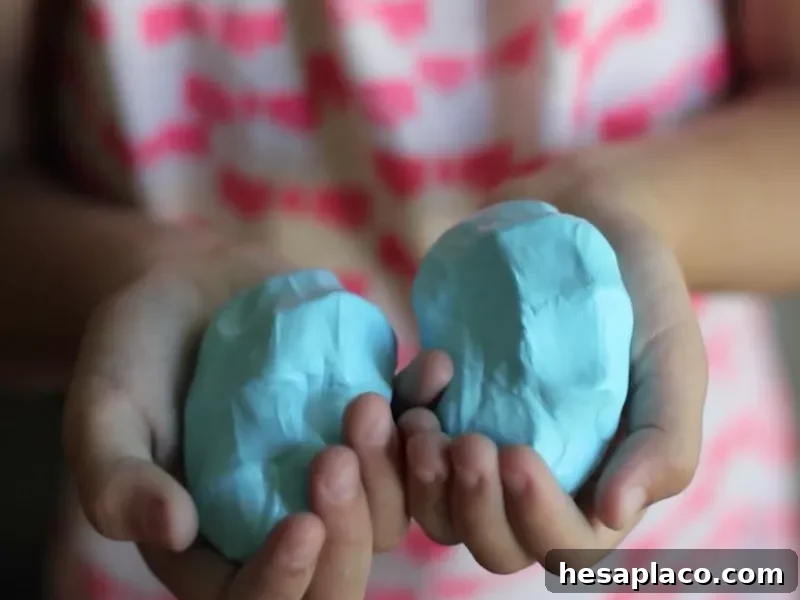
James Wright combined boric acid and silicone oil while searching for a rubber substitute and produced a stretchy, bouncy material that copied patterns and cartoons. The government passed on the compound, but years later it was marketed as Silly Putty and became a popular toy celebrated for its tactile, creative play value.
9. Kleenex

RyanJLane / Getty Images
Year the accident occurred: 1924
Company involved: Kimberly-Clark
Kleenex tissues were originally marketed for removing cold cream. When a research head developed hay fever and used the tissue as a disposable handkerchief, Kimberly-Clark recognized a broader market and repositioned the product as a facial tissue. The convenience of disposable tissues quickly replaced cloth handkerchiefs for many consumers.
8. Chewing Gum

Vladimir Vladimirov / Getty Images
Year the accident occurred: 1860
Company involved: New York No. 1
Thomas Adams experimented with chicle as a rubber substitute. After repeated failures he tried chewing the material and discovered its pleasant chewiness. He added flavoring and sold chewing gum commercially. The product spawned a large confectionery industry that continues to sell hundreds of billions of pieces worldwide.
7. Dry Cleaning
deepblue4you / Getty Images
Year the accident occurred: 1845
Company involved: N/A
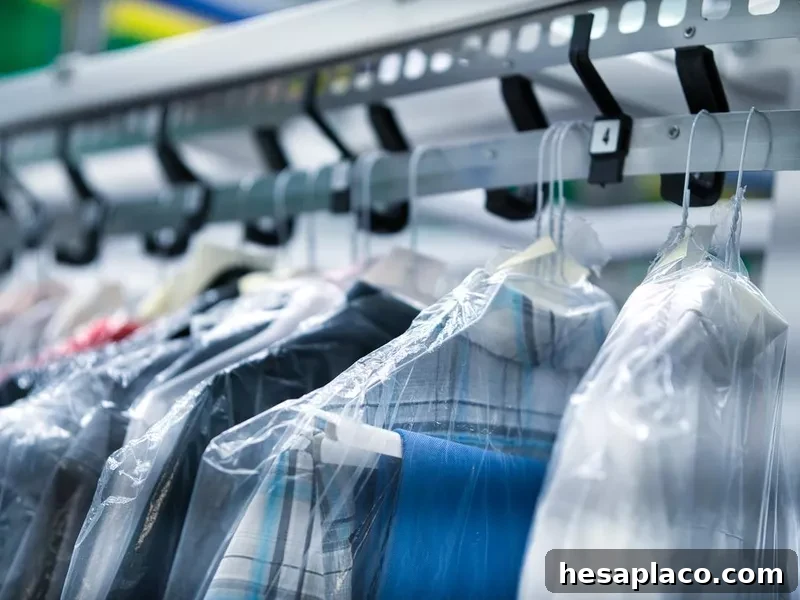
A French housekeeper spilled lamp oil (turpentine) on a dirty tablecloth and found the stains removed after drying. Her employer, Jean Baptiste Jolly, experimented further and opened one of the first dry cleaning services, introducing a solvent-based cleaning method that removed stains without water.
6. Play-Doh
Tigercat_LPG / Getty Images
Year the accident occurred: 1956
Company involved: Kutol
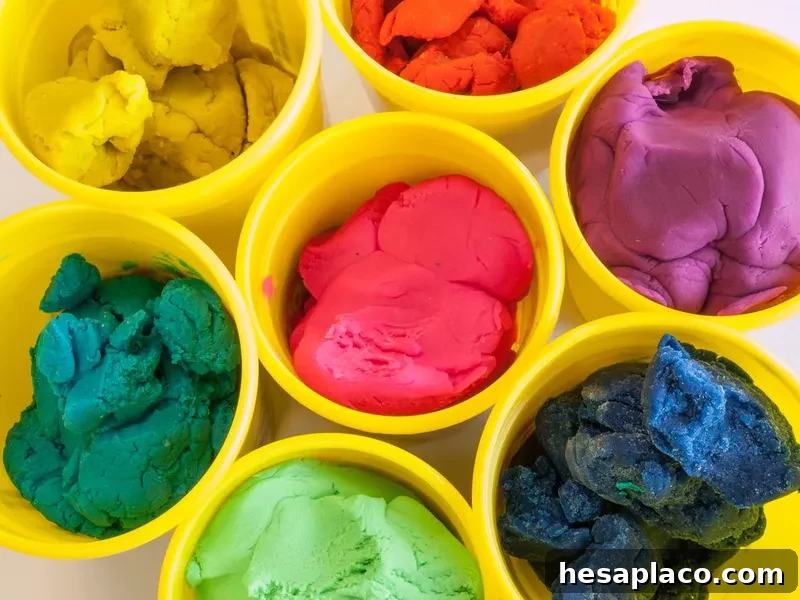
Kutol made a pliable, non-toxic putty intended to clean soot from wallpaper. When demand for that purpose fell, a schoolteacher discovered the product’s potential as a children’s modeling compound. Rebranded as Play-Doh, it became a hugely successful educational toy sold in stores and featured in TV advertising.
5. The Post-it

akinbostanci / Getty Images
Year the accident occurred: 1968
Company involved: 3M
Dr. Spencer Silver developed a low-tack adhesive that stuck lightly and removed cleanly, but it had no obvious use at first. Years later, Art Fry used the adhesive to create removable bookmarks for hymnals. The result was the Post-it note, which became indispensable in offices and homes for reminders and quick notes.
4. The Slinky

Vladimir Sukhachev / Getty Images
Year the accident occurred: 1943
Companies involved: James Industries, Alex Brands
Engineer Richard James dropped a tension spring and noticed it “walked” across the floor. He recognized its playful potential, refined the design and introduced the Slinky, which sold out quickly at department stores and became a top-selling toy worldwide.
3. Coca-Cola
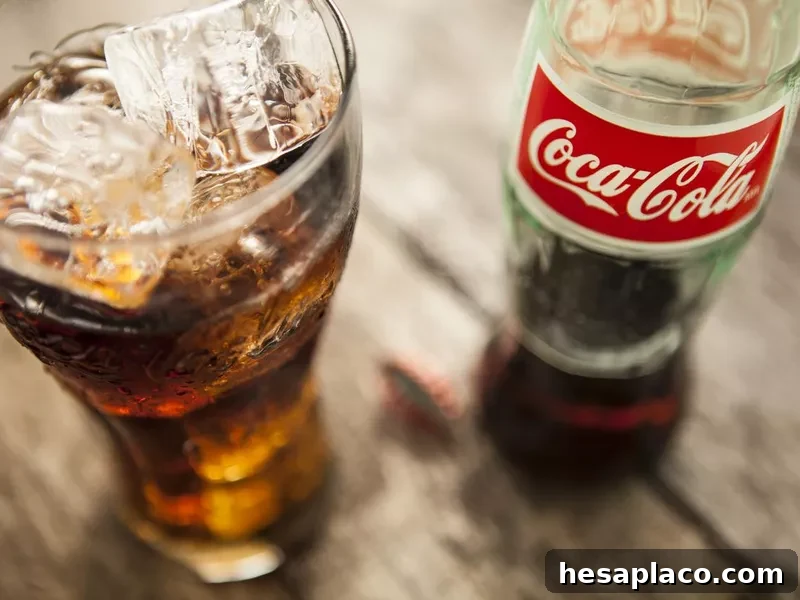
BlakeDavidTaylor / Getty Images
Year the accident occurred: 1886
Company involved: The Coca-Cola Company
Pharmacist John Pemberton created a medicinal tonic that mixed a sweet syrup with carbonated water. Initially marketed for medical benefits, the drink grew in popularity, especially during Prohibition, and evolved into the global soft drink giant known today as Coca-Cola.
2. The Microwave

ilkermetinkursova / Getty Images
Year the accident occurred: 1945
Company involved: Raytheon Corporation
Engineer Percy Spencer noticed a candy bar in his pocket melting while he worked on radar magnetrons. He experimented further, using microwaves to pop corn and cook food, and developed the first microwave oven. Over decades, the technology became compact and affordable enough for widespread home use.
1. Penicillin

Savushkin / Getty Images
Year the accident occurred: 1928
Company involved: St. Mary’s Hospital
Alexander Fleming returned from vacation to find a Petri dish contaminated with mold that had killed surrounding bacteria. Rather than discard it, he investigated and isolated penicillin, the first true antibiotic. Penicillin revolutionized medicine by effectively treating bacterial infections and saving countless lives.