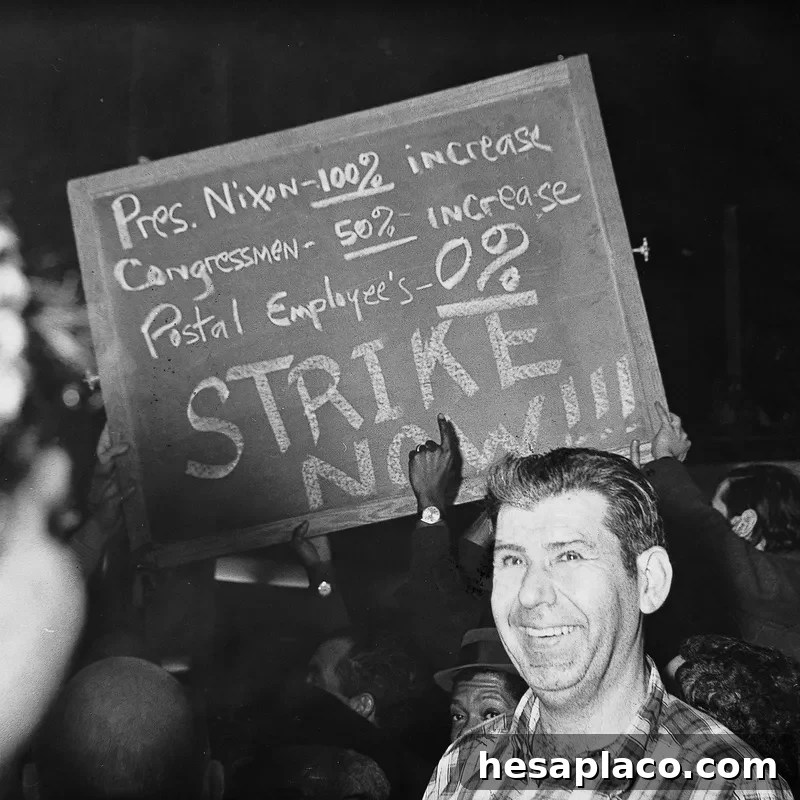
Throughout U.S. history, workers in many industries have challenged unfair labor practices by demanding safer workplaces, fairer wages, shorter hours and stronger rights. These labor strikes helped shape employment law, union organizing and public attitudes toward work in the United States. From railroad employees and coal miners to postal workers and package delivery drivers, these walkouts left a lasting mark on the American labor movement, even when the workers did not immediately win their demands.
Below are 10 of the biggest work strikes in U.S. history, listed from the oldest to the most recent.
10. Great Southwest Railroad Strike of 1886
Wikipedia Commons
Dates: March 1 – May 4, 1886
Number of striking workers: 200,000
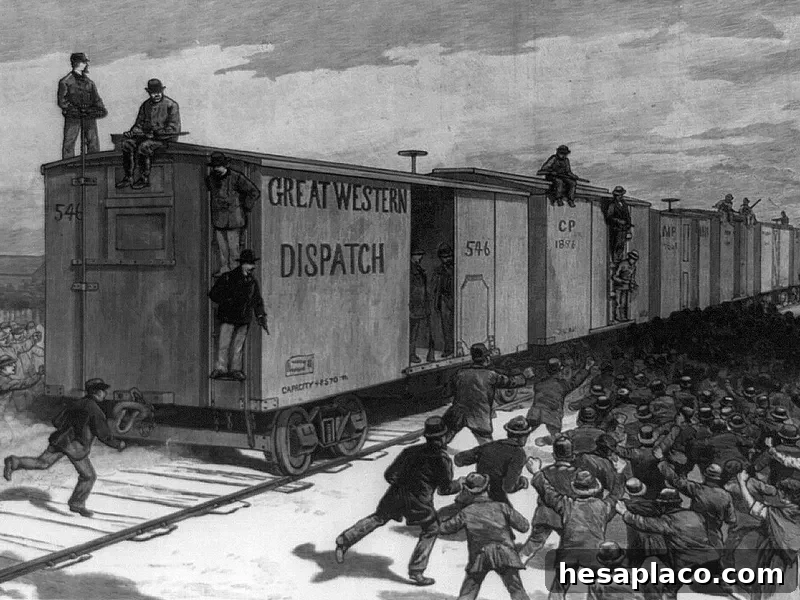
The Great Southwest Railroad Strike of 1886 grew out of familiar labor concerns: low pay, long hours, dangerous working conditions and the power of wealthy railroad owners. The conflict began after Charles Hall, a railroad worker, was fired for attending a Knights of Labor union meeting. Workers argued that the dismissal violated an agreement stating that employees could not be fired without proper notice and investigation.
Hall’s firing triggered a multistate strike against two rail systems owned by Jay Gould, one of the most powerful railroad magnates of the Gilded Age. The Knights of Labor organized the walkout, which affected workers in Texas, Arkansas, Illinois, Kansas and Missouri.
Within days, the strike turned violent. Ten people were killed, and some areas declared martial law. Railroad bridges were burned, and state leaders demanded that transportation routes reopen. Although Gould and the Knights of Labor entered discussions in April, they failed to reach an agreement.
The strike also suffered from a lack of support among other railroad unions. Gould’s companies hired non-union replacement workers, weakening the Knights of Labor. By May, Congress urged the union to end the strike. The Knights of Labor’s influence declined sharply afterward, and the strike was widely considered a defeat for the workers.
9. Pullman Strike of 1894
Pullman Museum / Wikimedia Commons
Dates: May 11 – July 20, 1894
Number of striking workers: 250,000
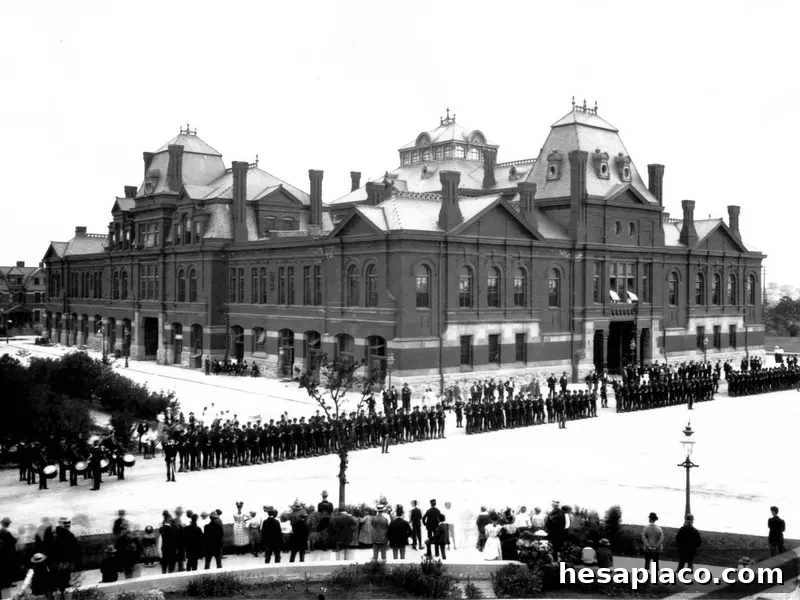
The Pullman Strike centered on workers employed by the Pullman Company, a major railroad car manufacturer based in Pullman, Illinois. After an economic downturn, George Pullman laid off hundreds of employees and cut wages by about 30 percent for those who remained. At the same time, he refused to reduce rents in the company town or lower prices in company-owned stores.
Facing impossible financial pressure, workers turned to the American Railway Union, led by Eugene V. Debs. The union launched a boycott of Pullman cars, and railroad workers refused to handle trains that included them. The strike spread quickly, disrupting railroad traffic across the country and paralyzing parts of the national transportation system.
As with earlier railroad strikes, violence followed. President Grover Cleveland intervened, and the National Guard was sent in. At least 30 people were killed during unrest that included the destruction of hundreds of railcars.
On June 28, 1894, while the strike was still unfolding, Cleveland signed legislation making Labor Day a national holiday. The move was intended to recognize the labor movement while also easing political tension. Historian Richard Schneirov has noted that the holiday helped the administration appear supportive of labor during a moment when federal power was being used to suppress a major strike.
8. Great Anthracite Coal Strike of 1902
Library of Congress / Wikimedia Commons
Dates: May 1902 – October 1902
Number of striking workers: 147,000
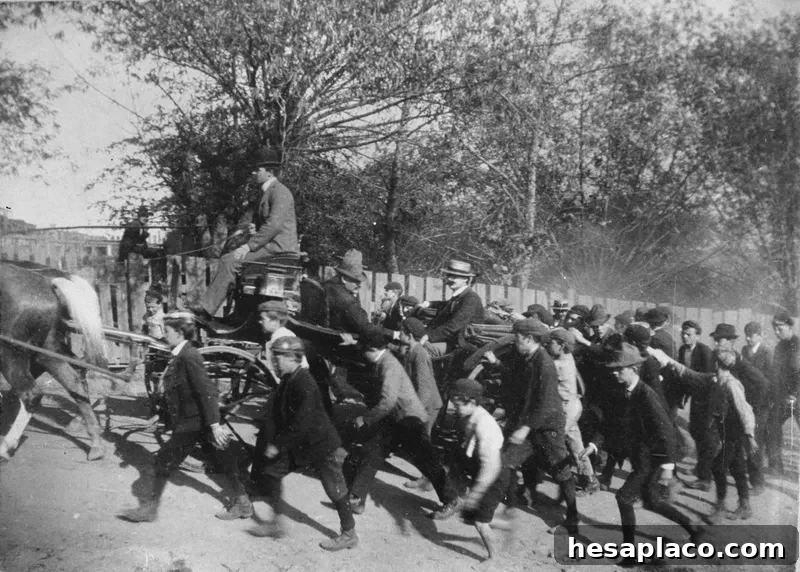
The Great Anthracite Coal Strike involved coal miners in eastern Pennsylvania who were members of the United Mine Workers of America. They walked off the job to demand higher wages, shorter hours and better working conditions. Because anthracite coal was a major fuel source, the strike created a serious coal shortage and affected households, businesses and industries across the country.
President Theodore Roosevelt recognized the potential economic damage and the hardship facing miners and the public. In October, he intervened by bringing coal operators and union representatives together for negotiations.
With federal involvement, both sides reached a settlement within weeks. The agreement included wage increases, reduced working hours, improved safety measures and a grievance system. The strike became an important moment in U.S. labor history because it showed a president taking an active role in mediating between labor and business.
7. Steel Strike of 1919
Wikimedia Commons
Dates: Sept. 22, 1919 – Jan. 8, 1920
Number of striking workers: 350,000
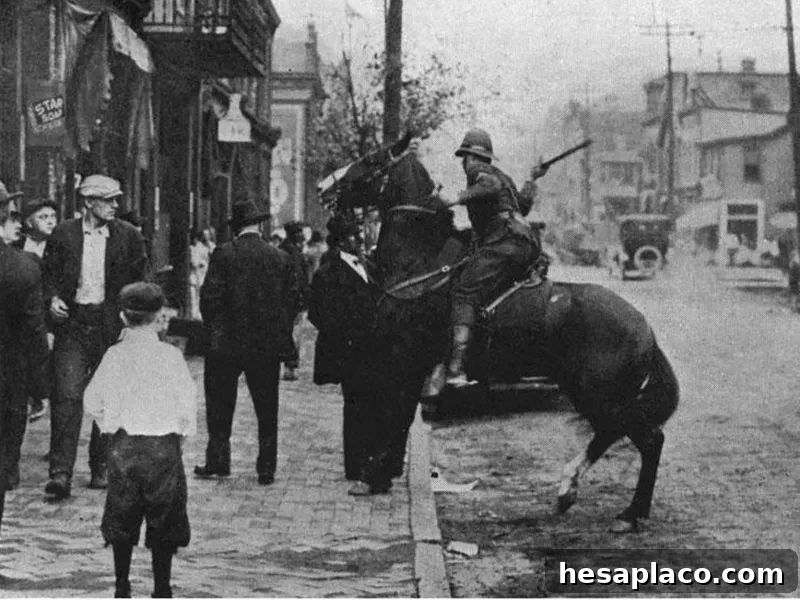
The Steel Strike of 1919 was one of the largest industrial strikes of its era. Organized with support from the American Federation of Labor, the strike brought hundreds of thousands of steelworkers off the job. Workers sought better wages, shorter hours and recognition of their right to unionize in an industry known for long shifts and difficult working conditions.
At first, the strike appeared to be powerful. Nearly half of the steel industry was shut down, and the scale of the walkout showed how much influence workers could have when organized. However, steel companies responded aggressively. They hired replacement workers, used the courts to restrict strike activity and relied on force and intimidation against strikers.
By the time the strike ended in January 1920, the workers and the AFL had been defeated. The steel industry remained largely resistant to unionization for years afterward. It would take another 15 years before unions became a stronger presence in the industry.
6. Railroad Shop Workers Strike of 1922
Wikipedia
Dates: July 1 – Sept. 1, 1922
Number of striking workers: 400,000
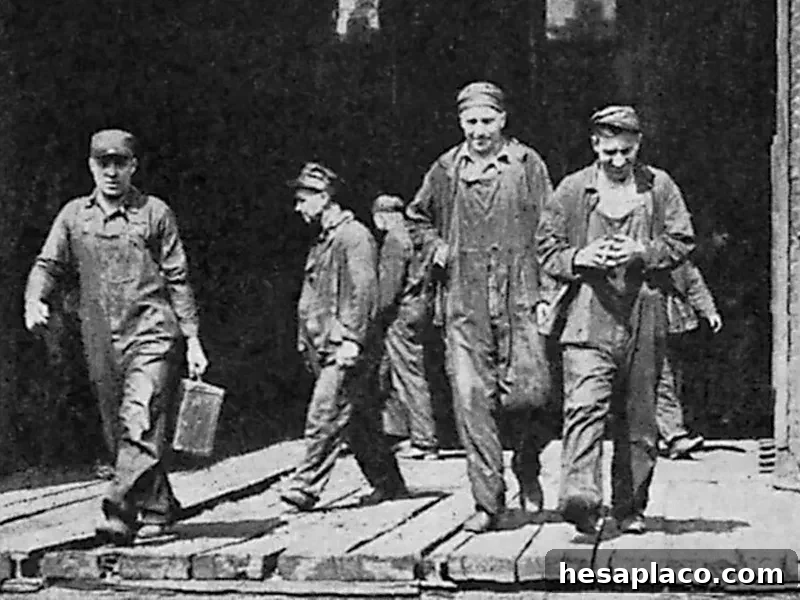
The Railroad Shop Workers Strike of 1922, also known as the Great Railroad Shop Strike, involved workers employed in railway shops and maintenance facilities. The strike began after the U.S. Railroad Labor Board imposed a wage reduction on employees.
The Shop Crafts Union demanded that wages be restored and working conditions improved. When members walked out, maintenance and repair work on the railroads slowed dramatically. Machinists, boilermakers, blacksmiths, electrical workers and others joined in support.
The federal government became concerned about the strike’s impact on transportation and the economy, as well as violence between strikers and law enforcement. Troops were deployed, and court injunctions were issued against the workers. These actions effectively ended the strike. Under orders supported by U.S. Attorney General Harry Daugherty, a federal judge also banned further strike-related activity. Workers returned to their jobs with a 5-cent pay cut.
5. Textile Workers Strike of 1934
AP Photo
Dates: Sept. 1 – Sept. 23, 1934
Number of striking workers: 400,000
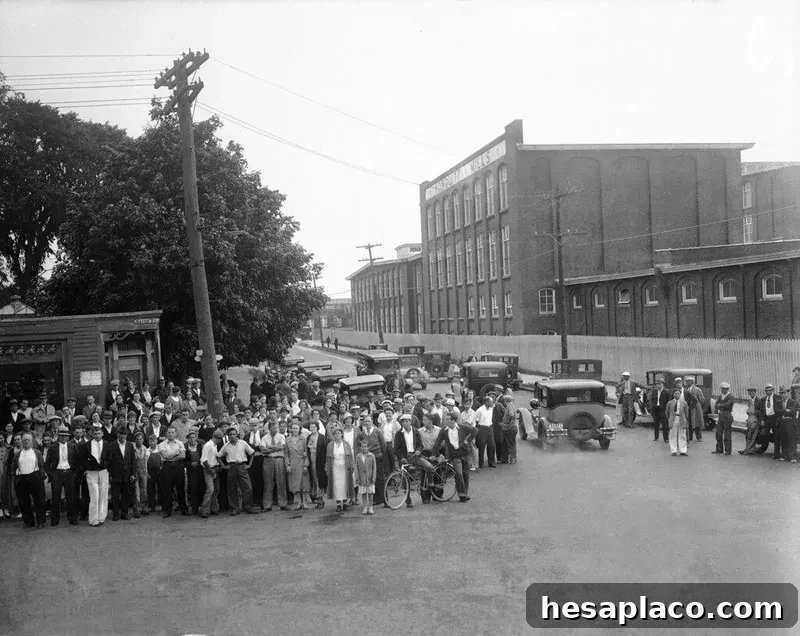
During the Great Depression, textile workers faced severe financial pressure, low wages and difficult working conditions. Many also wanted the right to organize without fear of retaliation. In September 1934, the National Textile Workers Union, affiliated with the United Textile Workers of America, called for a nationwide strike in the textile industry. The South, where much of the nation’s textile production was concentrated, became a major focus.
Workers left their jobs, picketed mills and took part in acts of civil disobedience. Mill owners and law enforcement responded with violence and intimidation, but the strike still gained sympathy from other unions and supporters across the country.
That support did not last. Because there was a surplus of textiles, employers were able to withstand the disruption. The strike ended without workers winning their central demands, and many participants were blacklisted from future employment in the textile industry.
4. Great Coal Strike of 1946
JMN / AP Photo
Dates: April 1946 – May 1946
Number of striking workers: 400,000
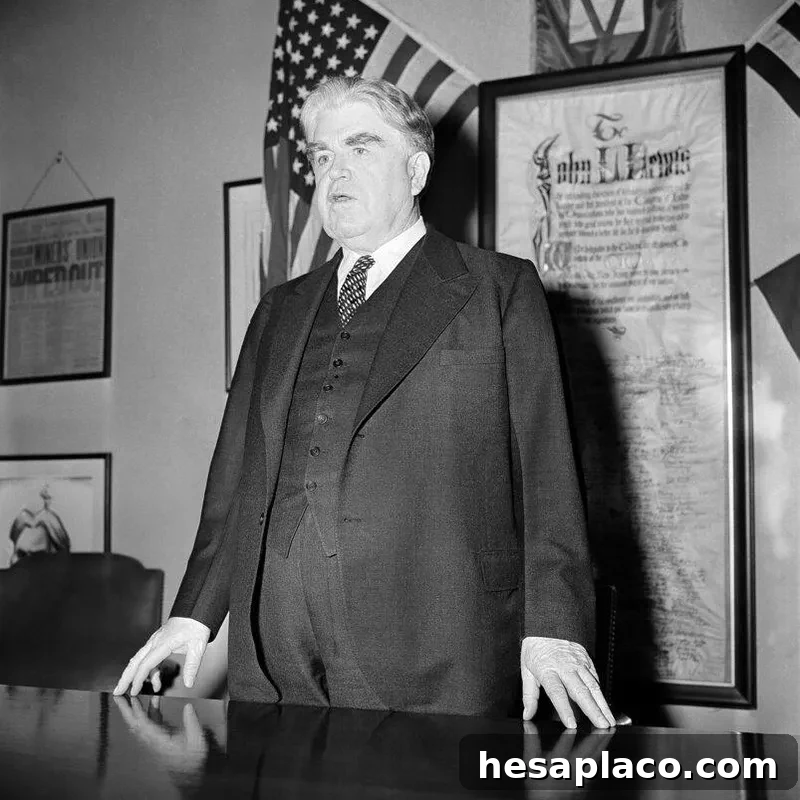
The Great Coal Strike of 1946, also known as the Bituminous Coal Strike of 1946, began when United Mine Workers of America miners walked off the job. They demanded improved wages, better working conditions and recognition of their union.
The strike caused a severe coal shortage that affected industries and daily life across the United States. President Harry S. Truman intervened, but his efforts were rejected by the striking miners. Truman responded by imposing a $3.5 million fine, pressuring the union to accept a settlement.
Although the strike ended under pressure, miners did secure important gains. Their demands helped lead to the Promise of 1946, included in the Krug-Lewis Agreement, which created health and welfare funds for coal workers.
3. Steel Strike of 1959
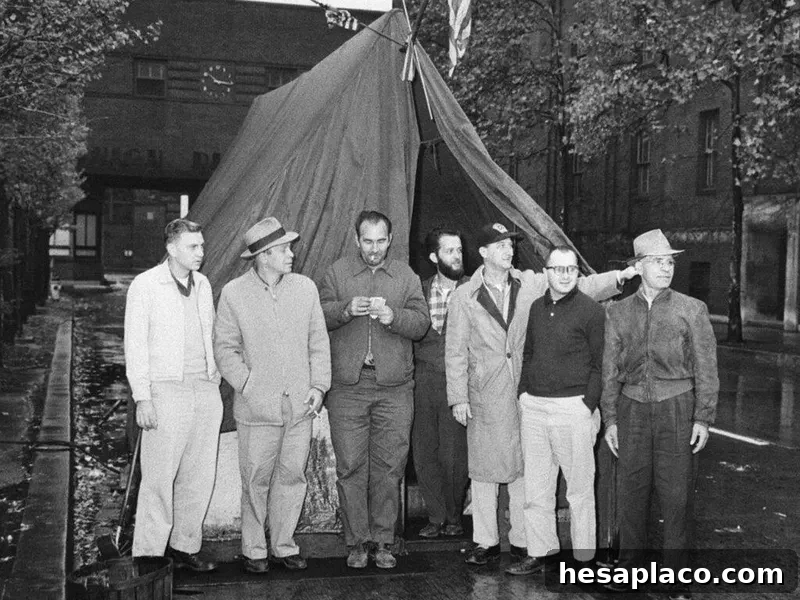
AP Photo
Dates: July 15 – Nov. 7, 1959
Number of striking workers: 500,000
By 1959, the steel industry had a strong union presence through the United Steelworkers of America. The central dispute involved a contract clause that limited management’s ability to change work rules, introduce new machinery or reduce the number of workers assigned to specific tasks in ways that could cut hours or jobs.
Steel companies wanted that clause removed, while workers viewed it as an important protection against job losses and weakened labor standards. The resulting strike lasted 116 days, making it one of the longest major strikes in U.S. history.
The strike caused shortages that affected the auto industry and threatened the job security of workers beyond steel. In the end, the union succeeded in preserving the contract clause. However, the victory proved temporary in a broader historical sense. By the 1980s, foreign steel imports increased significantly, and the U.S. steel industry struggled to recover.
2. U.S. Postal Strike of 1970
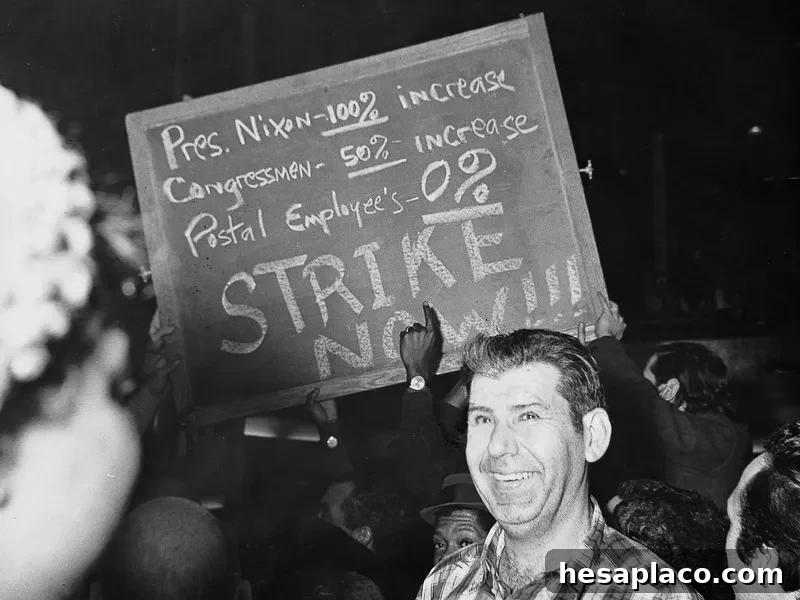
APWUcommunications / Wikimedia Commons
Dates: March 18–25, 1970
Number of striking workers: 200,000+
The U.S. Postal Strike of 1970, also called the Great Postal Strike, was a turning point for federal employees. Postal workers faced low wages, poor working conditions and limited rights and benefits. The American Postal Workers Union represented a large share of the workforce and helped lead the strike.
The walkout began in New York City and quickly spread to other areas, disrupting mail delivery and bringing postal operations in many parts of the country to a halt. Under President Richard Nixon, the federal government sought court injunctions to force employees back to work. However, public sympathy for the workers remained strong, and media coverage helped draw attention to their grievances.
Nixon sent the National Guard to move the mail, but the effort was ineffective. Union activist Paul Prescod later observed that mail delivery required real skill and that some postal workers who were also in the National Guard reportedly undermined the process to support the strike.
After only eight days, the government and the union reached an agreement. Workers won higher wages, better benefits, improved working conditions and the right to collectively bargain. The strike also helped lead to the creation of the United States Postal Service as an independent agency.
1. UPS Workers Strike of 1997
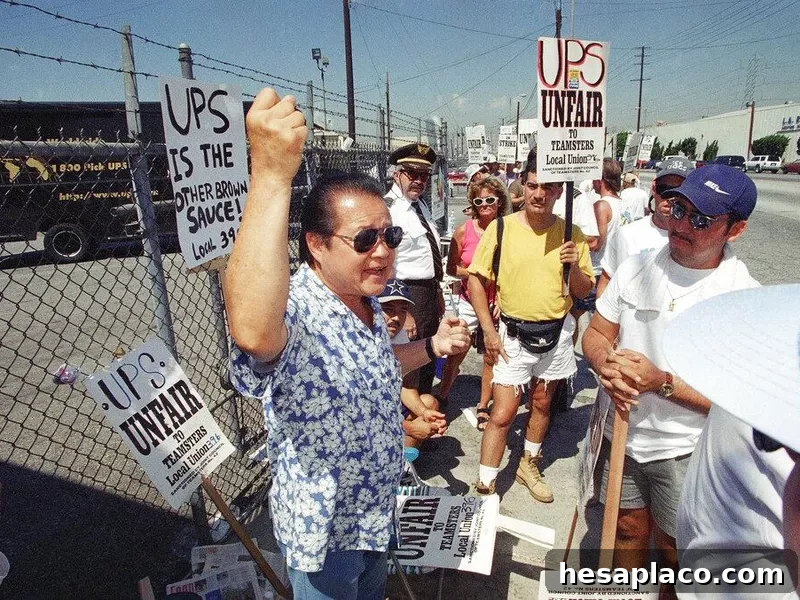
Reed Saxon / AP Photo
Dates: Aug. 4 – Aug. 19, 1997
Number of striking workers: 185,000
The UPS Workers Strike of 1997 was one of the most significant labor actions of the late 20th century. At the time, UPS relied heavily on part-time workers, many of whom earned lower wages, received fewer benefits and had limited opportunities to move into full-time positions.
The International Brotherhood of Teamsters pushed for stronger job security, higher wages, more full-time jobs and improved benefits for UPS employees. When negotiations failed to resolve the dispute, 185,000 workers went on strike.
During the 16-day walkout, UPS operations were severely disrupted, creating a major backlog of packages and drawing national attention to the role of part-time labor in the modern economy. Negotiations continued throughout the strike, and the final settlement included wage increases, improved benefits, more full-time positions and limits on the company’s use of part-time labor.
The UPS strike became a landmark example of organized labor successfully focusing public attention on job quality, fair pay and the balance between part-time and full-time work in a major American company.