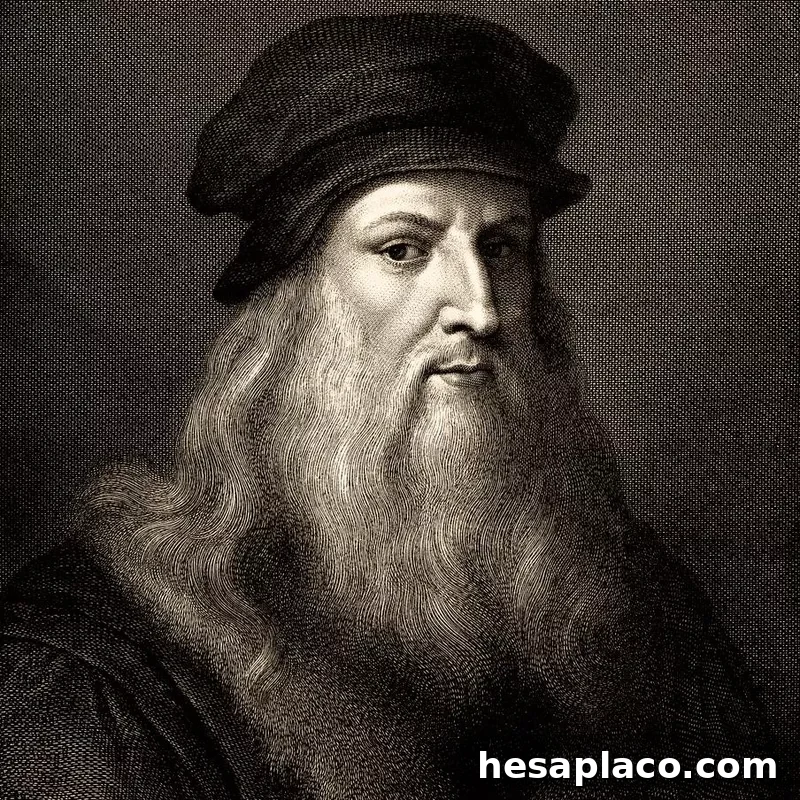
Becoming famous on Instagram is one thing; becoming one of the most famous men in history is something else entirely. The names below belong to religious leaders, philosophers, scientists, explorers, composers, rulers and military figures whose influence has lasted for centuries.
Some are remembered for art, ideas and discovery. Others are remembered for conquest, destruction or evil. This ranking is based on historical popularity data, not moral approval, and fame should never be confused with admiration.
Note: These rankings are based on the MIT Pantheon Project, a collaboration with MIT’s Collective Learning group that began in 2013 and uses Wikipedia data to create a Historical Popularity Index (HPI).
15. Wolfgang Amadeus Mozart
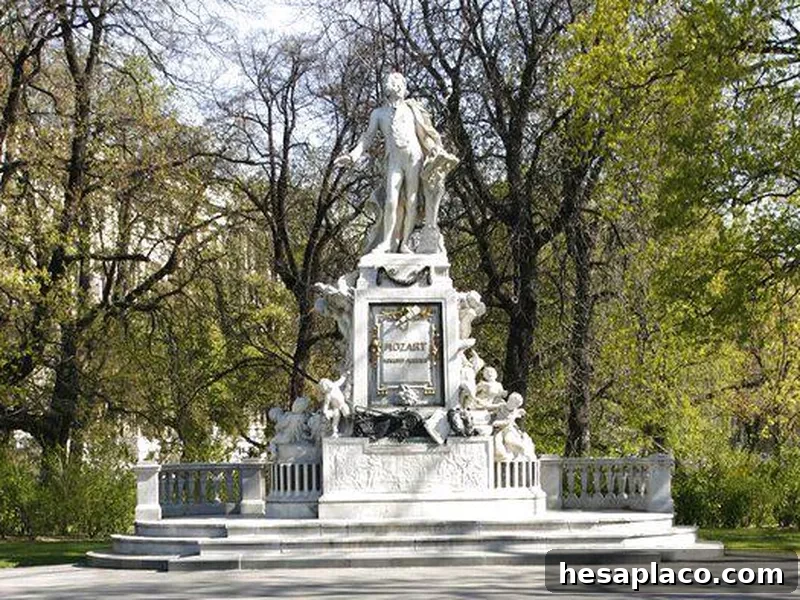
Hans Punz / AP
Birthplace: Salzburg, Austria
Years living: 1756-1791
What Wolfgang Amadeus Mozart is famous for: Composing
Bottom line: Wolfgang Amadeus Mozart, usually known simply as Mozart, was one of the most gifted and productive composers in Western music history. Although he died at just 35, his creative life began extraordinarily early. By the age of 5, he could read and write music, and by 6, he was already composing seriously.
Over the next three decades, Mozart created more than 800 works in nearly every major musical genre of his era. Many of those compositions are still performed and studied today as masterpieces. His lasting popularity is reflected online as well, where he ranks among the most viewed composers on Wikipedia.
14. Adolf Hitler
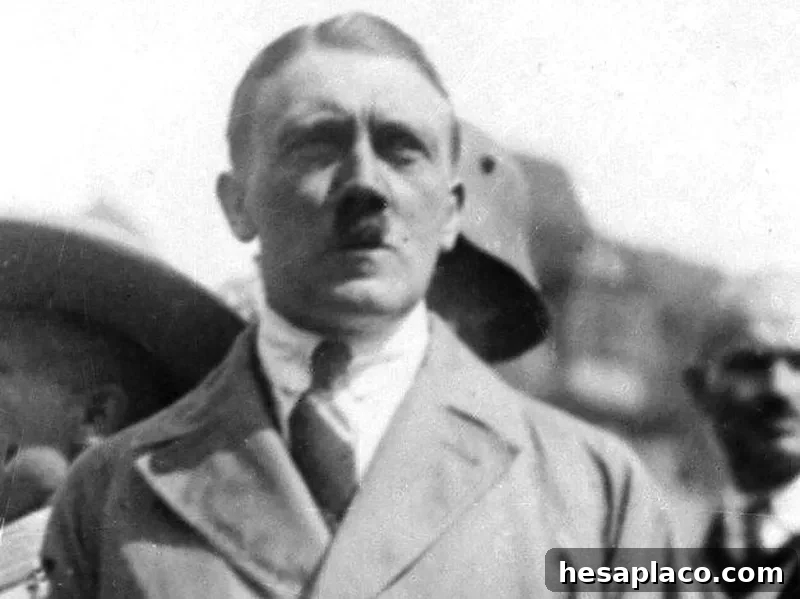
AP Photo
Birthplace: Braunau am Inn, Austria
Years living: 1889-1945
What Adolf Hitler is famous for: Politics and catastrophic evil
Bottom line: Adolf Hitler is included here because of his historical notoriety, not because of admiration or achievement in any positive sense. He remains one of the most infamous figures in world history.
As the leader of Nazi Germany, Hitler built a brutal dictatorship, launched the Nazi Party into power and initiated World War II through the invasion of Poland. His regime carried out genocide across Europe, including the murder of approximately 6 million Jews during the Holocaust, along with millions of other victims, prisoners and civilians.
Hitler’s life and actions continue to be studied as a warning about totalitarianism, propaganda, racism and the destructive consequences of unchecked political power.
13. Socrates
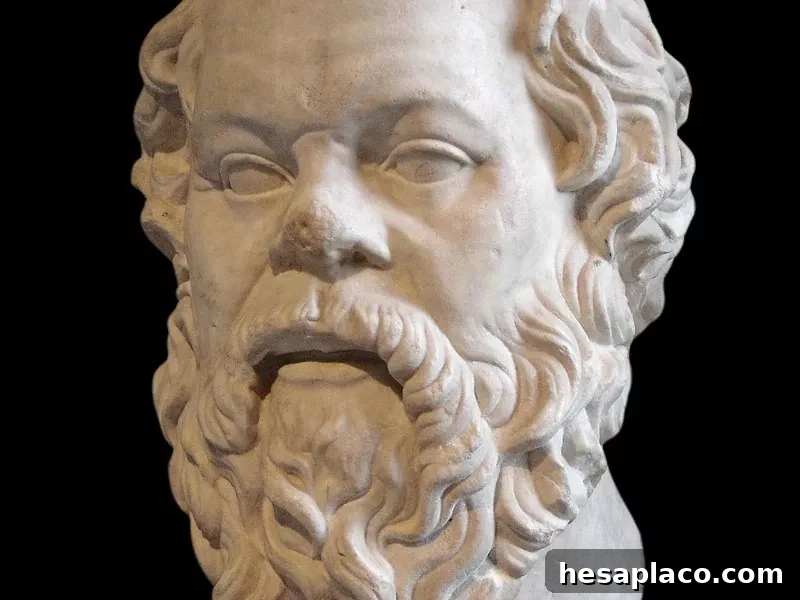
Sting / Wikimedia
Birthplace: Alopece, Greece
Years living: 470-399 B.C.
What Socrates is famous for: Philosophy
Bottom line: Socrates is widely regarded as one of the founders of Western philosophy. Remarkably, he never wrote down his teachings himself. Most of what is known about him comes from the writings of his students, especially Plato and Xenophon.
Socrates is best remembered for the method of inquiry that bears his name. The Socratic method uses questions and answers to examine assumptions, challenge beliefs and search for truth. This approach shaped the structure of philosophical dialogue and influenced countless thinkers after him.
His ideas about ethics, knowledge and the examined life remain central to the study of philosophy today.
12. Napoleon
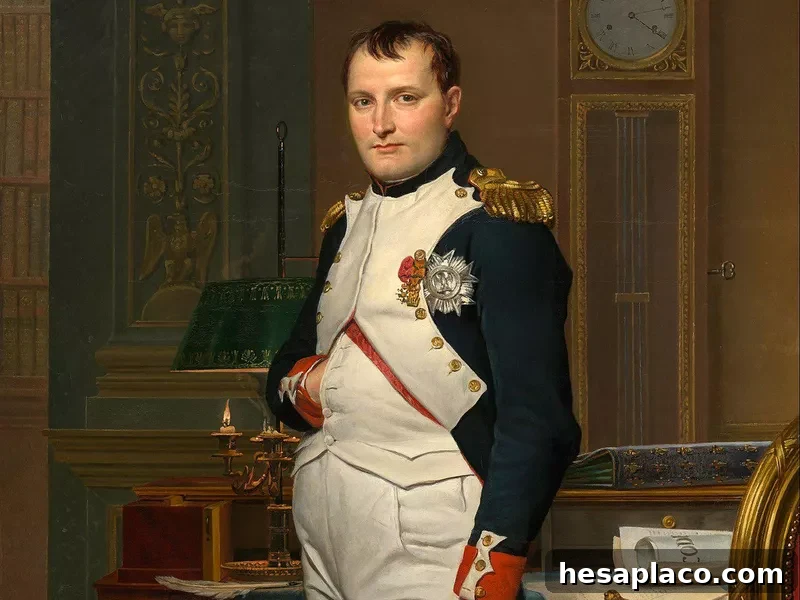
Jacques-Louis David / Wikimedia
Birthplace: Ajaccio, France
Years living: 1769-1821
What Napoleon is famous for: Politics and military leadership
Bottom line: Napoleon Bonaparte was a French military commander and political leader who rose to become the first emperor of France. His influence on European history was enormous, both through his battlefield campaigns and his political reforms.
Napoleon became known for decisive military maneuvers, rapid movement and modernized warfare. His campaigns reshaped much of Europe, while the Napoleonic Code left a lasting mark on legal systems in France and beyond.
Despite the popular myth that Napoleon was unusually short, he was about 5 feet 6 inches tall, which was close to average for a French man of his time. His reputation, however, was anything but average.
11. Galileo Galilei
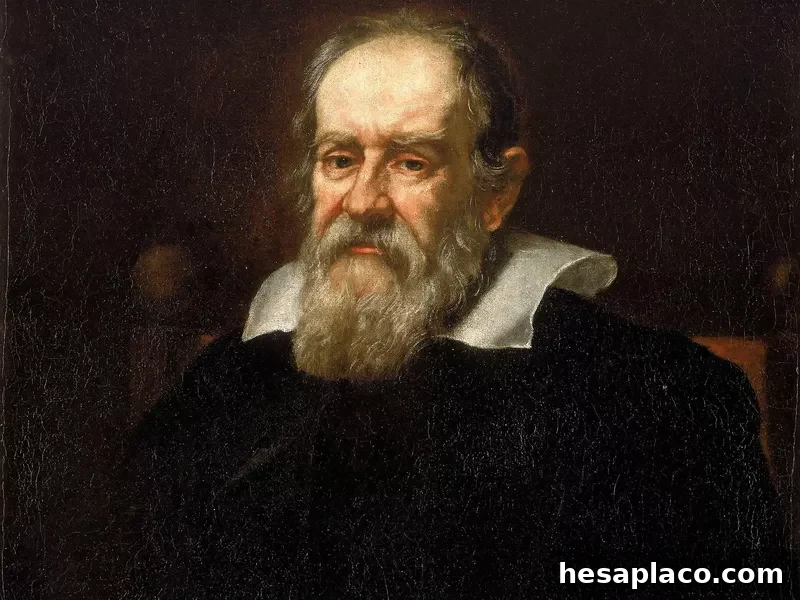
Justus Sustermans / Wikimedia
Birthplace: Pisa, Italy
Years living: 1564-1642
What Galileo Galilei is famous for: Astronomy and physics
Bottom line: Galileo Galilei, commonly known as Galileo, is often called the father of modern physics. His work helped transform the way humans understand the universe.
Galileo supported the idea that Earth revolves around the sun, challenging the long-standing belief that Earth was the center of the cosmos. He also made important observations with a telescope and contributed to the development of scientific instruments, including the thermoscope and a military compass.
His discoveries placed him at the center of scientific controversy, but his legacy as one of history’s most important astronomers and physicists remains secure.
10. Alexander the Great
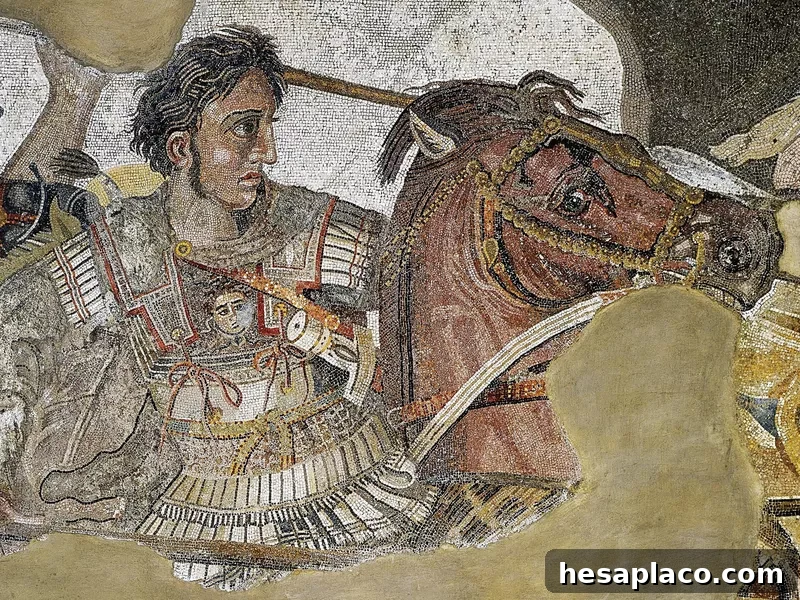
Getty Images
Birthplace: Pella, Greece
Years living: 356-323 B.C.
What Alexander the Great is famous for: Military achievements
Bottom line: Alexander III of Macedon, better known as Alexander the Great, became king of Macedon at only 20 years old. By the time he was 30, he had built one of the largest empires the ancient world had ever seen.
His empire stretched from Greece into northwestern India, created through a series of ambitious military campaigns. Alexander’s conquests spread Greek culture across a vast region and helped shape the Hellenistic world.
He remains one of the most studied military leaders in history, admired for strategy and ambition while also remembered for the violence and upheaval that came with conquest.
9. Marco Polo
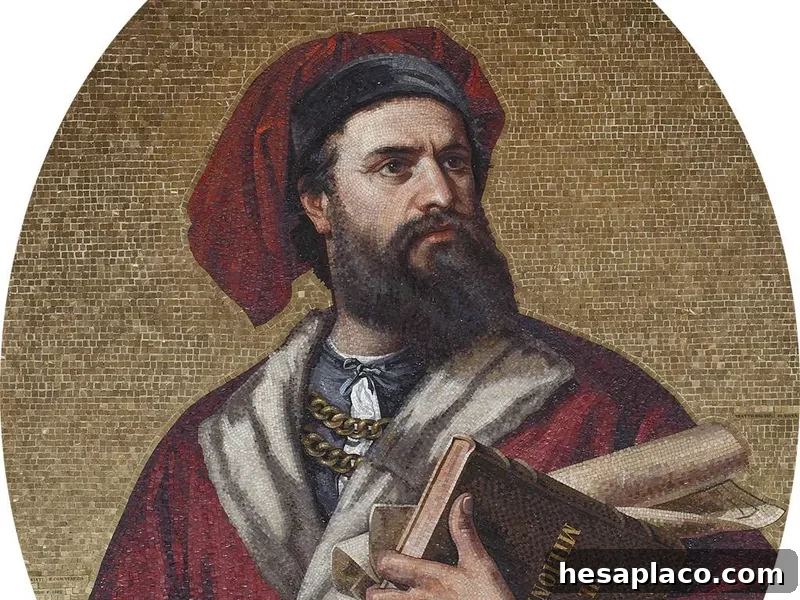
Wikimedia
Birthplace: Venice, Italy
Years living: 1254-1324
What Marco Polo is famous for: Exploration
Bottom line: Marco Polo was a Venetian merchant, traveler and explorer whose accounts of Asia became famous across Europe. His journeys, especially his travels to China in the 13th century, helped introduce European audiences to distant cultures, trade routes and political systems.
His experiences were recorded in “The Travels of Marco Polo,” a book that made him one of history’s best-known explorers. Whether read as travel writing, historical record or adventure literature, the book played an important role in shaping European curiosity about Asia.
Marco Polo remains closely associated with exploration, cross-cultural exchange and the long history of trade between East and West.
8. Ludwig van Beethoven
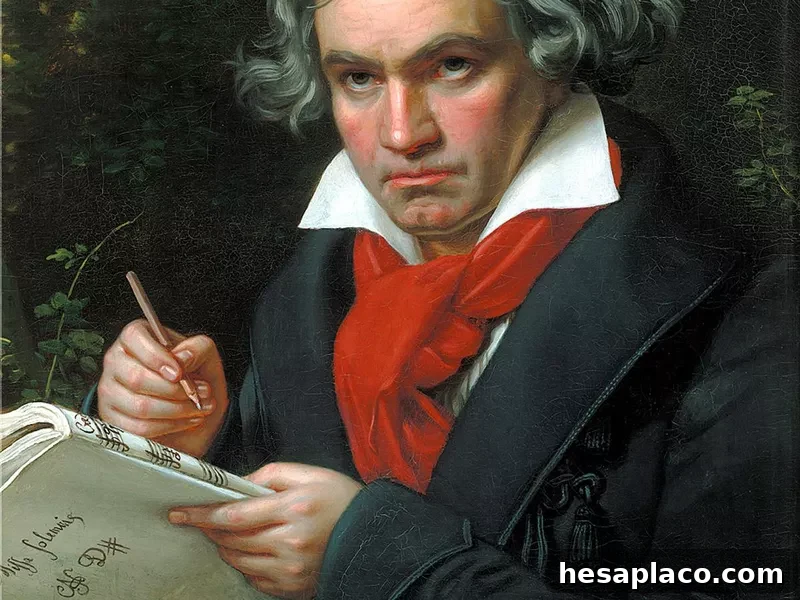
Karl Joseph Stieler / Wikimedia
Birthplace: Bonn, Germany
Years living: 1770-1827
What Ludwig van Beethoven is famous for: Composing
Bottom line: Ludwig van Beethoven is one of the most celebrated composers in classical Western music. Works such as “Moonlight Sonata” and “Für Elise” are still recognized around the world, even by listeners who may not know much about classical music.
Beethoven composed sonatas, concertos, string quartets and symphonies that helped bridge the Classical and Romantic periods. His music is admired for its emotional depth, structural power and dramatic intensity.
His compositions remain among the most frequently performed works in the classical repertoire, ensuring his place as one of the most famous musicians in history.
7. Plato
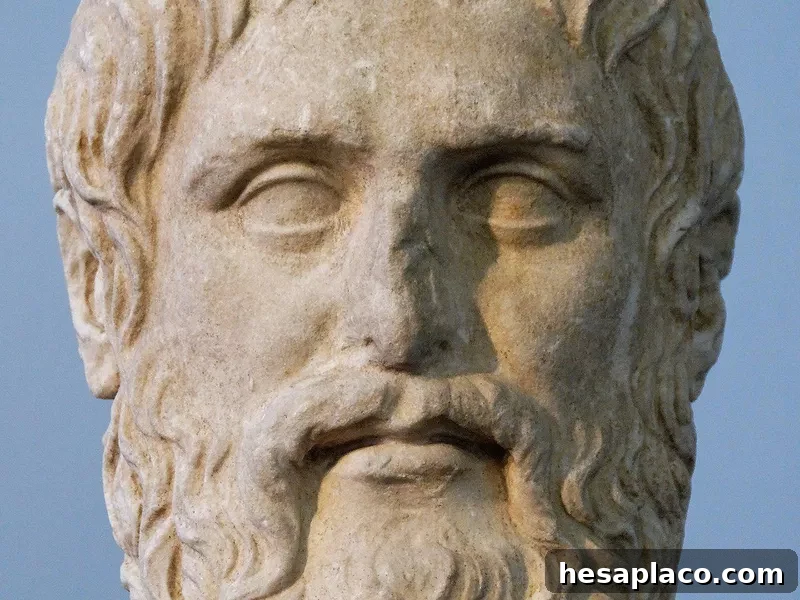
Wikimedia
Birthplace: Athens, Greece
Years living: 427-347 B.C.
What Plato is famous for: Philosophy
Bottom line: Plato was a major Greek philosopher of the Classical period and one of the most influential thinkers in Western history. A student of Socrates and teacher of Aristotle, he helped preserve and develop many of the ideas that shaped philosophy for centuries.
One of Plato’s best-known concepts is the theory of Forms. He argued that the physical world we experience is only a reflection of a higher, more perfect reality made up of ideal Forms.
Through his dialogues, Plato explored ethics, politics, knowledge, reality and the nature of the soul. His work remains essential reading in philosophy, political theory and the humanities.
6. Aristotle
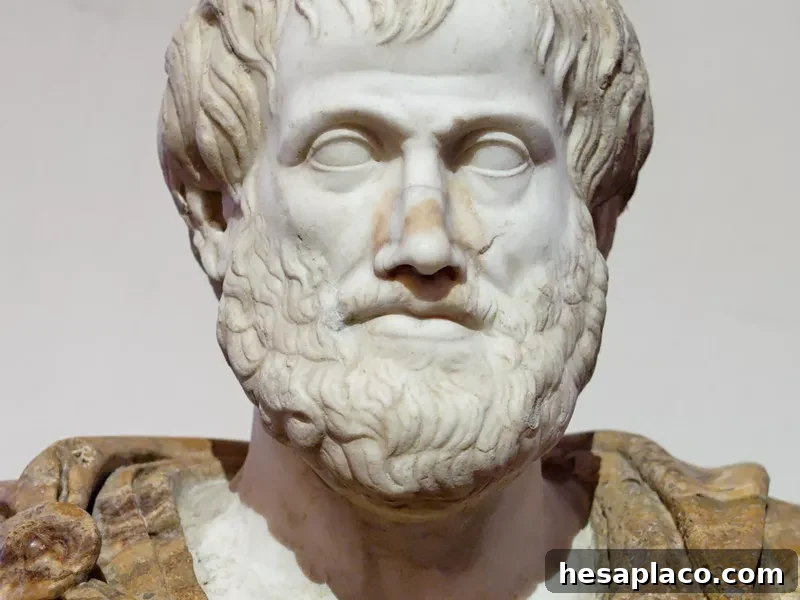
Wikimedia
Birthplace: Stagira, Greece
Years living: 384-321 B.C.
What Aristotle is famous for: Philosophy
Bottom line: Aristotle was a Greek philosopher who studied under Plato before developing his own wide-ranging system of thought. He later founded the Peripatetic school and became one of the most important intellectual figures in history.
Aristotle wrote about logic, ethics, politics, biology, metaphysics, rhetoric, poetry and many other subjects. Among his most famous ideas is the theory of the “four causes,” which explains things in terms of material, formal, efficient and final causes.
His influence extended through ancient scholarship, medieval philosophy, science, theology and modern education. Few thinkers have shaped so many fields as deeply as Aristotle.
5. Leonardo da Vinci
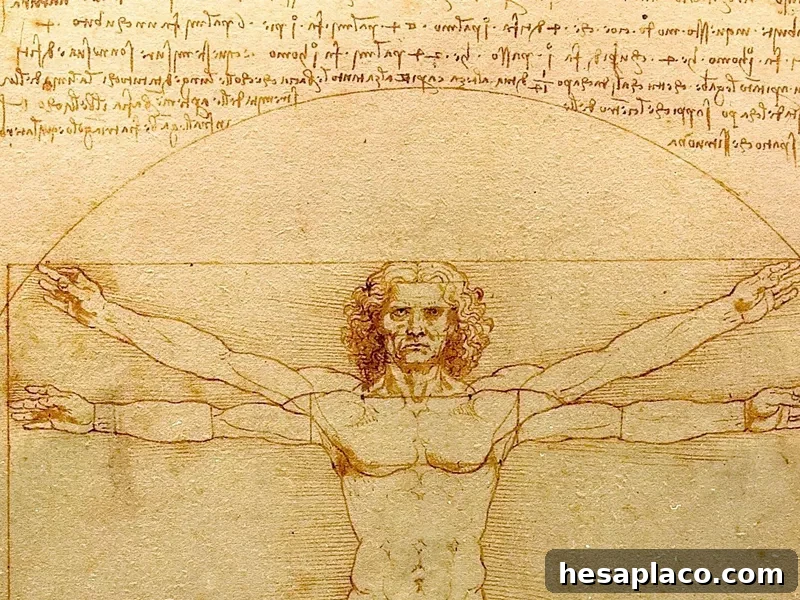
Wikimedia
Birthplace: Anchiano, Italy
Years living: 1452-1519
What Leonardo da Vinci is famous for: Art, invention and science
Bottom line: Leonardo da Vinci is the classic example of a Renaissance man. He was a painter, sculptor, engineer, scientist, architect and inventor whose curiosity reached across nearly every field of knowledge available in his time.
He is best known for masterpieces such as the “Mona Lisa” and “The Last Supper,” but his notebooks reveal a mind equally interested in anatomy, botany, astronomy, mechanics and design. His sketches and observations show a level of detail that continues to fascinate historians, artists and scientists.
Leonardo’s fame comes not from one achievement alone, but from the extraordinary breadth of his talent and the enduring mystery of his imagination.
4. Genghis Khan
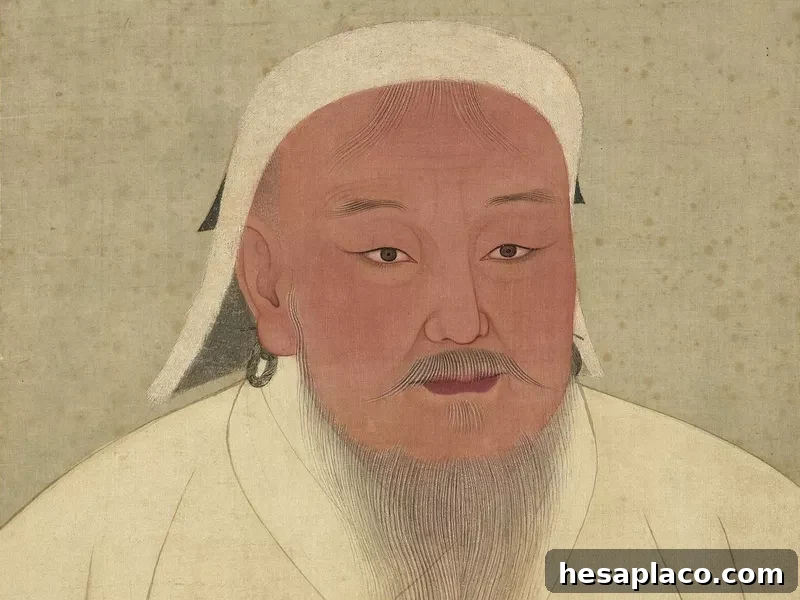
Wikimedia
Birthplace: Khentii Mountains, Mongolia
Years living: 1162-1227
What Genghis Khan is famous for: Military leadership
Bottom line: Genghis Khan founded the Mongol Empire and became known as the Great Khan. He united numerous nomadic tribes across the region and built a military force that became one of the most powerful in history.
His campaigns conquered vast areas of Eurasia, reshaping political boundaries, trade routes and cultural contact across continents. His strategies were often highly effective, but his conquests were also marked by extreme brutality.
Genghis Khan remains one of the most famous military figures ever recorded, remembered both for his strategic genius and for the devastating human cost of his empire’s expansion.
3. Jesus
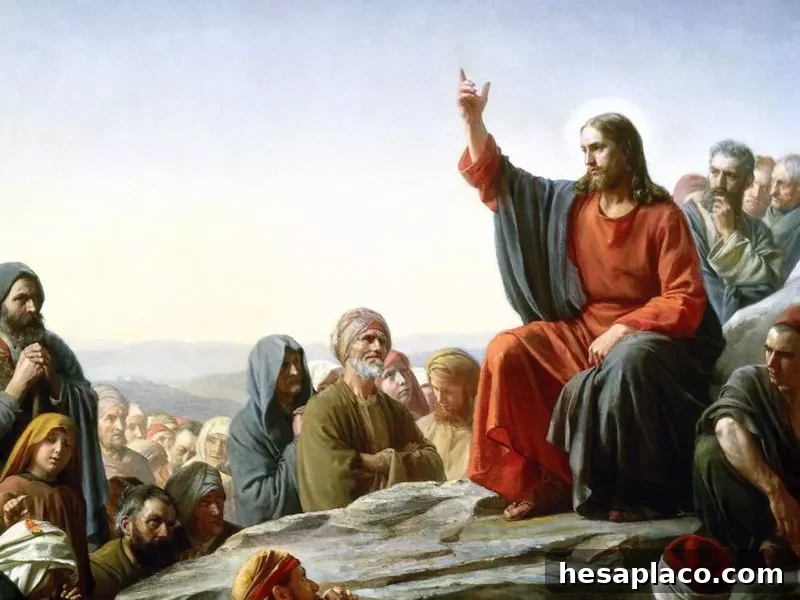
Free Christ Images / Wikimedia
Birthplace: Herodian Kingdom of Judea, Israel
Years living: 4 B.C.-33 A.D.
What Jesus is famous for: Religion
Bottom line: Jesus, also known as Jesus of Nazareth, is the central figure of Christianity and one of the most influential religious figures in world history. He was a Jewish preacher and teacher whose life, teachings, death and resurrection are at the heart of Christian belief.
Christians believe Jesus is the Son of God and that he died for the sins of humanity. His teachings on faith, forgiveness, compassion and the kingdom of God have shaped religious life, ethics, art, literature and culture for nearly two thousand years.
Jesus is also studied outside Christianity by historians, scholars of religion and readers interested in the ancient world and the origins of one of the world’s largest faiths.
2. Isaac Newton
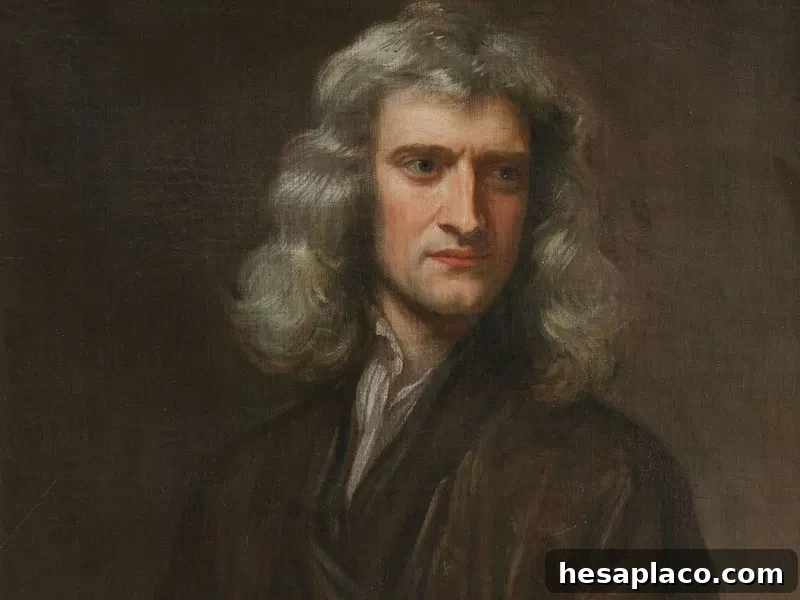
Wikimedia
Birthplace: Woolsthorpe-by-Colsterworth, United Kingdom
Years living: 1642-1726
What Isaac Newton is famous for: Physics and mathematics
Bottom line: Isaac Newton is often associated with the story of an apple falling from a tree, but his importance goes far beyond the popular legend. He was one of the central figures of the Scientific Revolution and the Enlightenment.
Newton made major contributions to physics, mathematics and natural philosophy. He is most famous for formulating the laws of motion and the law of universal gravitation, ideas that transformed scientific understanding of the physical world.
His work laid the foundation for classical mechanics and influenced generations of scientists. Newton remains one of the most important names in the history of science.
1. Muhammad
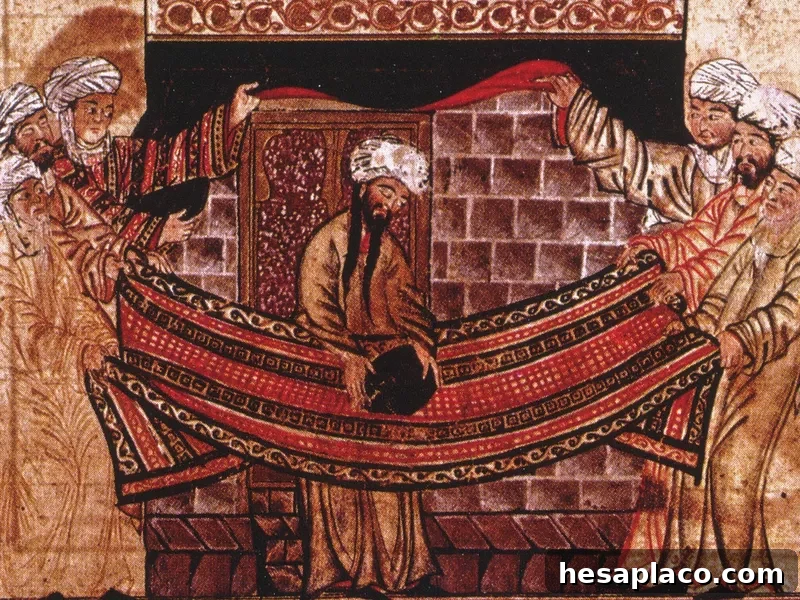
Wikimedia
Birthplace: Mecca, Saudi Arabia
Years living: 570-632
What Muhammad is famous for: Religion
Bottom line: Muhammad ibn Abdullah was an Arab religious and political leader and the central prophet of Islam. In Islamic tradition, he is believed to have been called to preach the message of one God and to continue the teachings associated with earlier biblical figures, including Adam, Abraham, Moses and Jesus.
Muhammad’s life and teachings became the foundation of Islam, one of the world’s major religions. His influence extended beyond religion into law, politics, culture and society across many regions of the world.
Based on historical popularity data and global recognition, Muhammad ranks as one of the most famous and influential men in history.