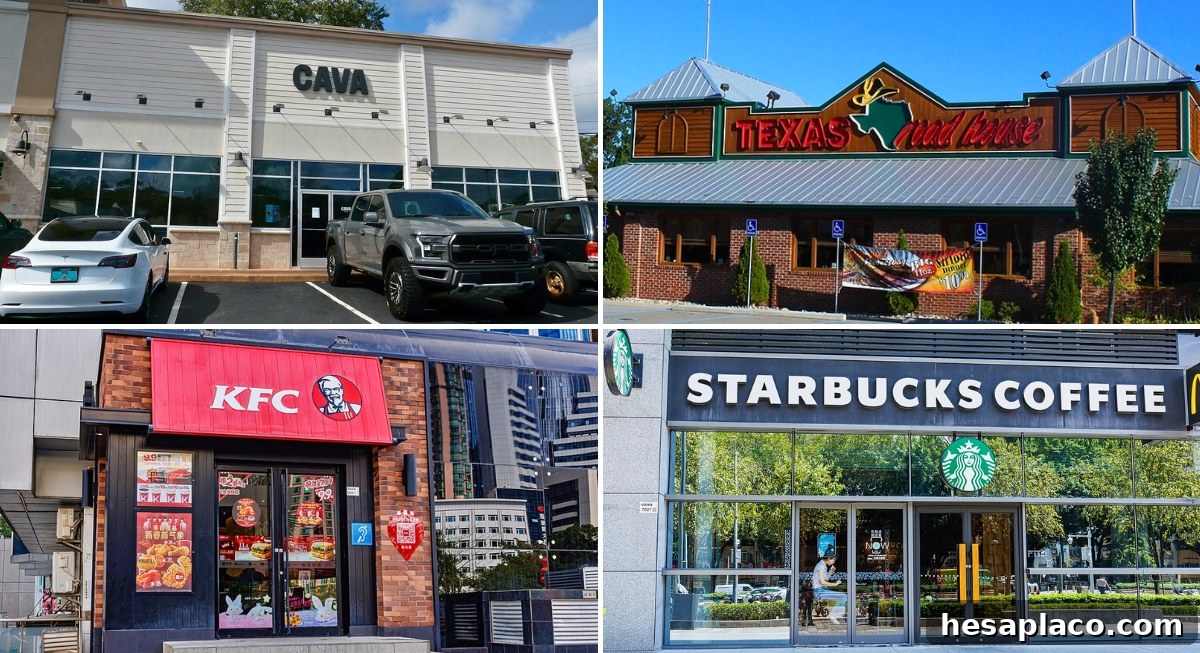
We often evaluate fast food chains mainly by how well they please customers, but investors judge them differently. Market capitalization—the total value of a company on the stock market—reveals which brands lead the industry financially. Below are the 15 most valuable fast food companies, spanning burgers, tacos, coffee, pizza, and more.
15. The Cheesecake Factory – $3.12 Billion
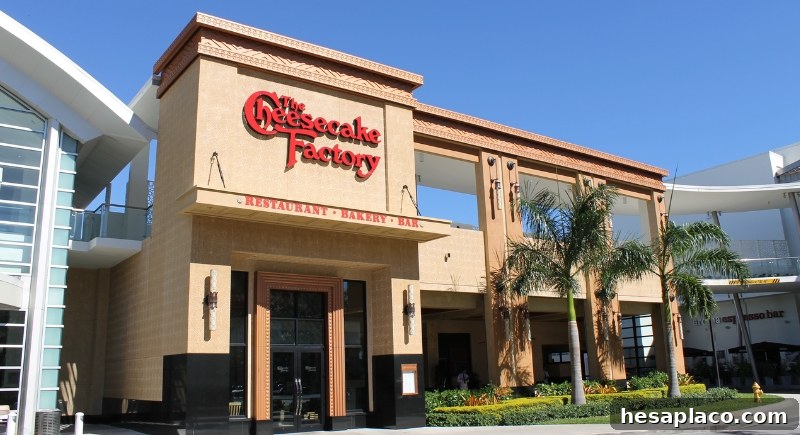
Credit: Wikimedia Commons
The Cheesecake Factory has carved out a distinct niche on Wall Street with its extensive menu and famous cheesecakes. Operating more than 300 locations across the U.S. and abroad, it has broadened its reach through newer concepts such as North Italia. Its combination of broad menu appeal and dessert-focused identity supports a stable market value.
14. Brinker International – $6.69 Billion
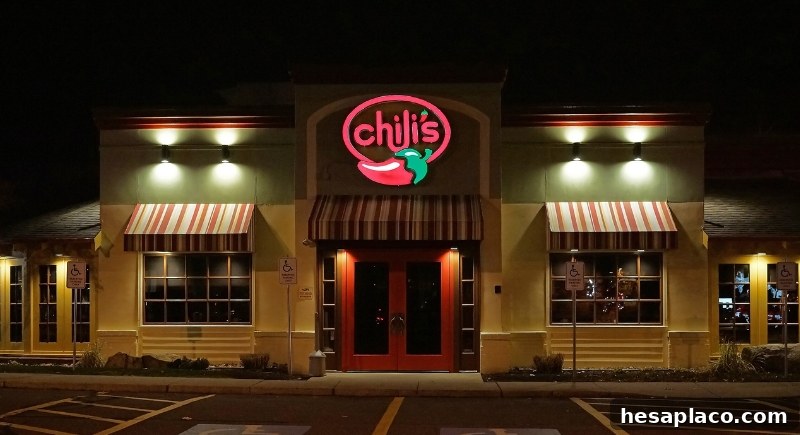
Credit: Wikimedia Commons
Brinker International, the parent company of Chili’s and Maggiano’s, has spent decades making Tex-Mex and Italian comfort food familiar to diners. Chili’s generates the bulk of Brinker’s revenue through thousands of locations worldwide. While casual dining has its cycles, Brinker’s well-known brands and consistent footprint keep it attractive to investors.
13. CAVA Group – $7.94 Billion
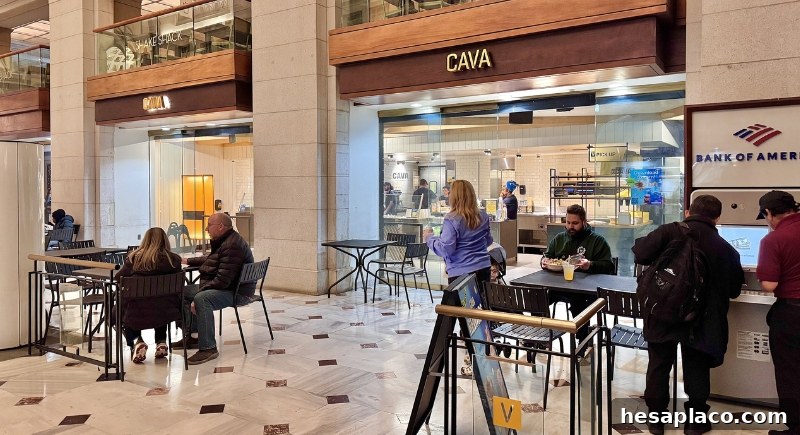
Credit: Wikimedia Commons
CAVA helped mainstream Mediterranean fast-casual dining with customizable bowls, pita wraps, and hummus-focused options. Its emphasis on fresh, better-for-you offerings resonates with younger consumers. Though smaller than long-established chains, CAVA’s rapid expansion and category leadership prospects explain investor optimism.
12. Wingstop – $9.27 Billion
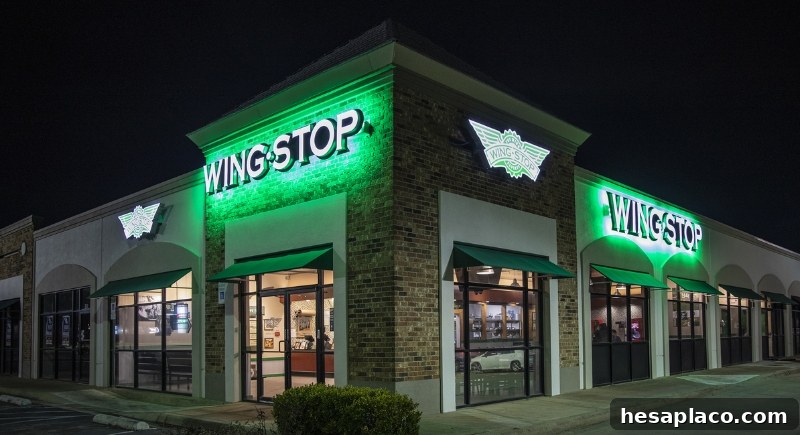
Credit: Wikimedia Commons
Wingstop focused on doing one thing very well: wings. That single-product focus has translated into strong financial performance—fewer than 2,000 restaurants worldwide generate enough sales to value the company at over $9 billion. Wingstop demonstrates that specialization, executed at scale, can create significant investor value.
11. Hai Di Lao Hot Pot – $9.88 Billion
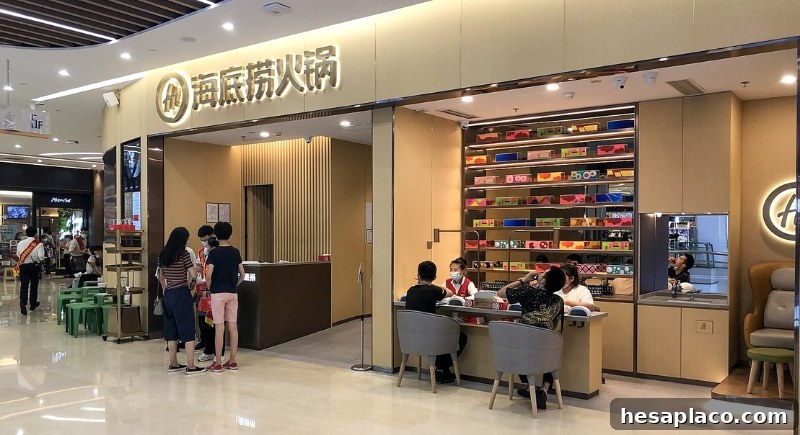
Credit: Wikimedia Commons
Hai Di Lao offers more than a meal—it delivers an experience. Guests cook ingredients in communal hot pots while enjoying extras like complimentary snacks and attentive service touches. That emphasis on hospitality and entertainment has made it one of China’s most prominent restaurant brands and supports its nearly $10 billion valuation.
10. Zensho Holdings – $10.47 Billion
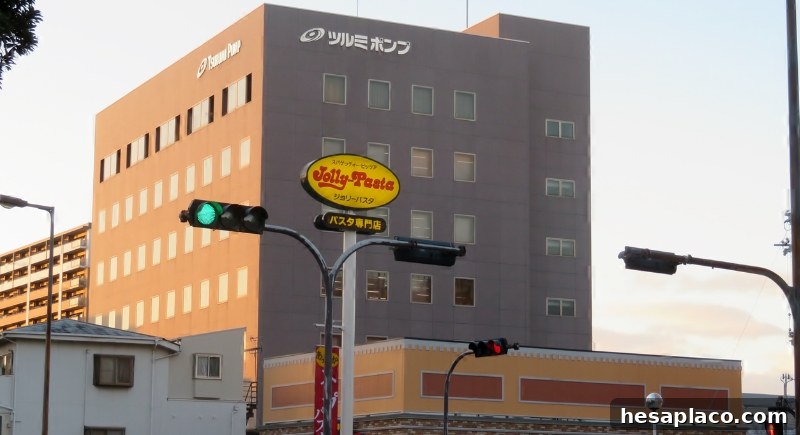
Credit: Wikimedia Commons
Zensho’s market cap reflects diversity rather than a single global superstar. While Sukiya beef bowls are ubiquitous in Japan, the group also operates cafeterias, family restaurants, and overseas outlets. This broad dining portfolio gives Zensho financial strength and extensive reach in Japan’s foodservice market.
9. Texas Roadhouse – $11.78 Billion
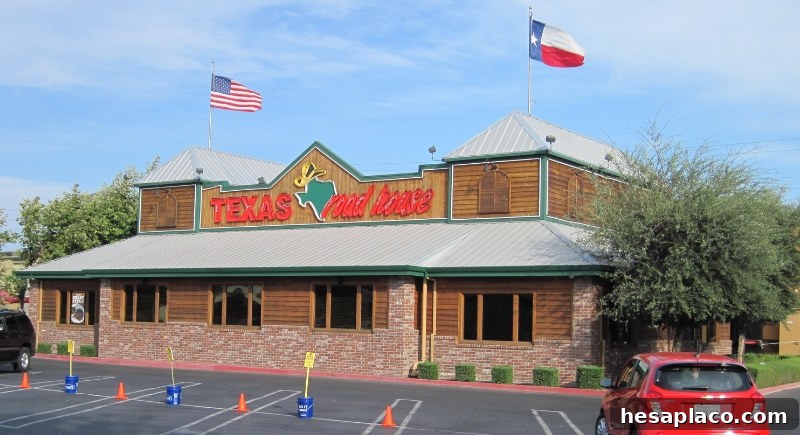
Credit: Wikimedia Commons
Known for hand-cut steaks, lively atmosphere, and a casual country vibe, Texas Roadhouse has built strong customer loyalty. Its family-friendly sit-down format drives consistent domestic sales and a market cap approaching $12 billion. The brand’s steady U.S. performance, rather than aggressive international expansion, underpins its valuation.
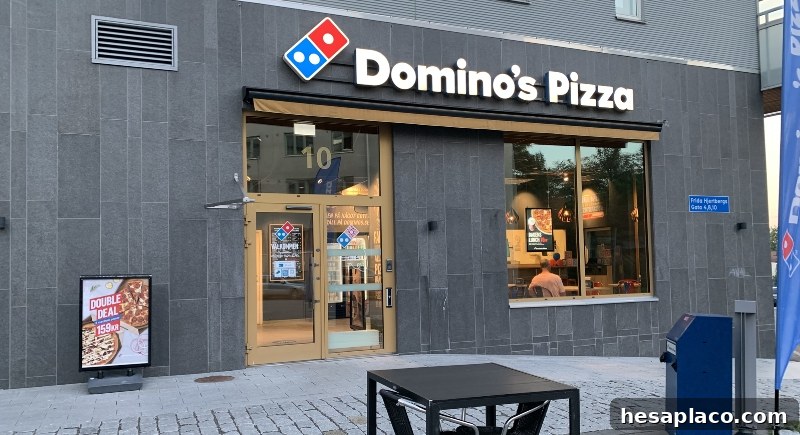
8. Domino’s Pizza – $15.31 Billion
Credit: Wikimedia Commons
Domino’s turned technology into a competitive advantage. Ordering apps, real-time pizza trackers, and delivery innovations established an image of efficiency and convenience. Combined with a franchise-focused model and a straightforward menu, Domino’s provides reliable returns and a strong presence in the global pizza market.
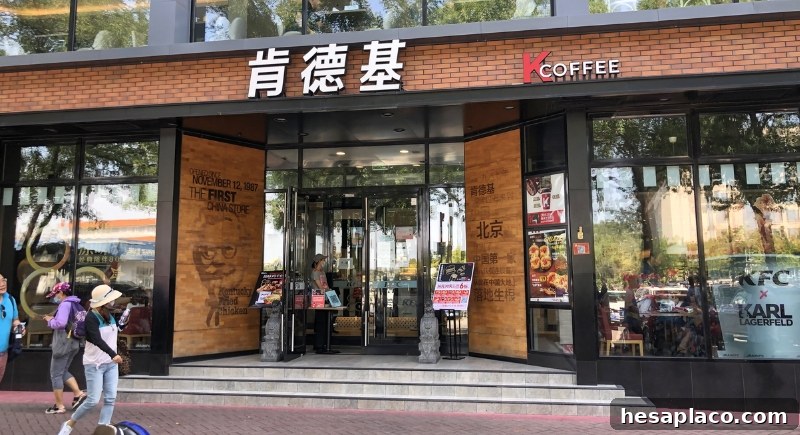
7. Yum China – $16.89 Billion
Credit: Wikimedia Commons
Yum China operates KFC, Pizza Hut, and Taco Bell across China, adapting menus to local tastes—think congee breakfasts or seafood-topped pizzas. That localization strategy, combined with a vast network of outlets, has earned the company a market value near $17 billion and a dominant position in China’s restaurant landscape.
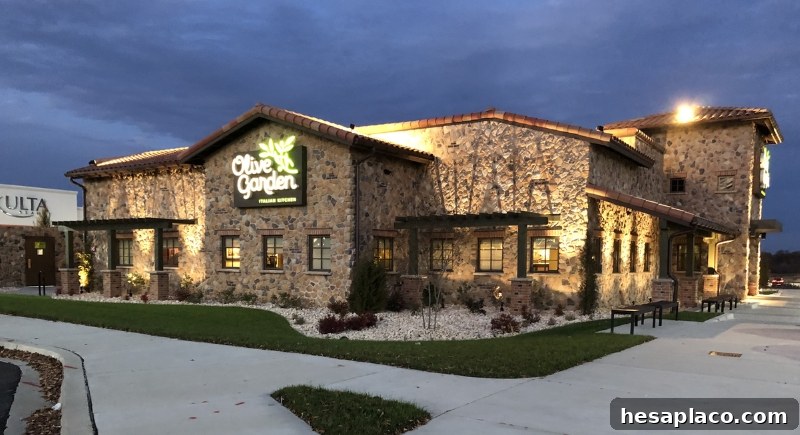
6. Darden Restaurants – $24.31 Billion
Credit: Wikimedia Commons
Darden’s portfolio includes Olive Garden, LongHorn Steakhouse, and other casual-dining brands. Olive Garden’s scale alone contributes significantly to Darden’s value, but the company’s combined roster of sit-down restaurants has shown resilience amid the rise of fast casual. A strong domestic presence keeps Darden among the industry’s most valuable companies.
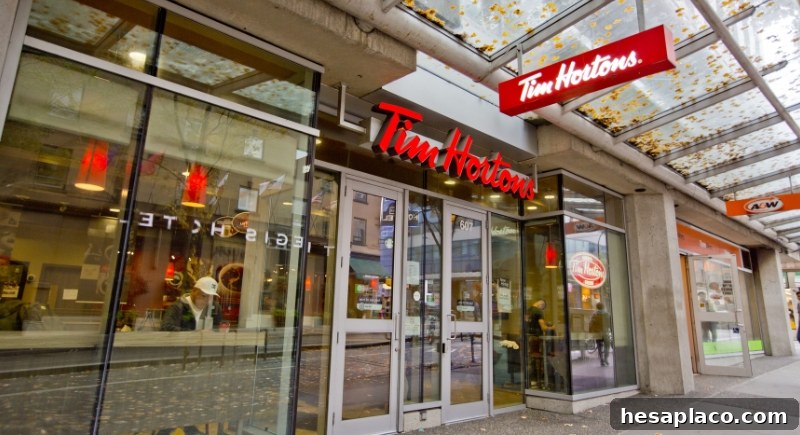
5. Restaurant Brands International – $28.88 Billion
Credit: Wikimedia Commons
Based in Toronto, Restaurant Brands International brings together Burger King, Popeyes, Tim Hortons, and Firehouse Subs. This diversified mix of burgers, chicken, coffee, and sandwiches spreads risk and drives a nearly $29 billion market valuation by leveraging multiple well-known brands under a single corporate umbrella.
4. Yum! Brands – $41.03 Billion
Credit: Wikimedia Commons
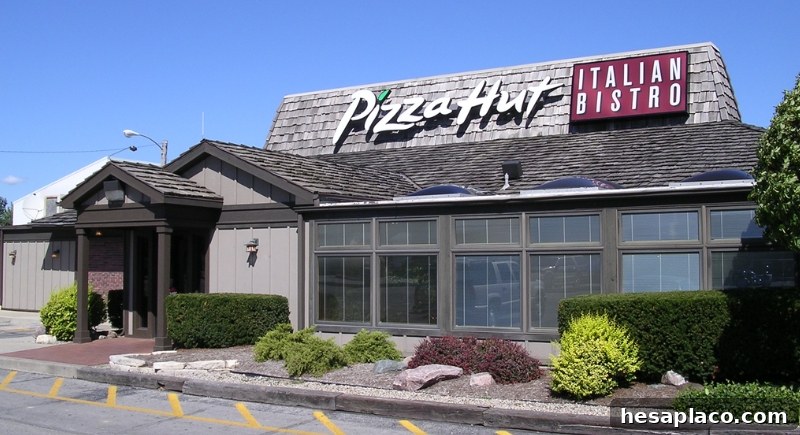
Yum! Brands combines Taco Bell, KFC, and Pizza Hut into a global powerhouse with a market cap north of $41 billion. A heavy reliance on franchising enables international reach across more than 150 countries while containing costs. Each brand contributes a distinct strength: Taco Bell’s U.S. dominance, KFC’s global fried-chicken footprint, and Pizza Hut’s international relevance.
3. Chipotle Mexican Grill – $58.51 Billion
Credit: Wikimedia Commons
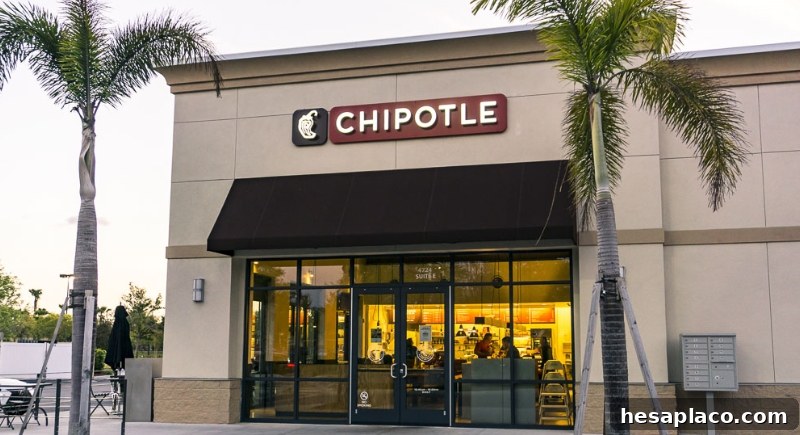
Chipotle shows that a focused, simple menu can produce massive market enthusiasm. With a smaller restaurant count than many rivals, Chipotle’s burritos and bowls—supported by strong digital ordering and delivery—have driven rapid sales growth. Investors view Chipotle as a leading example of the fast-casual model’s potential.
2. Starbucks – $100 Billion
Credit: Wikimedia Commons
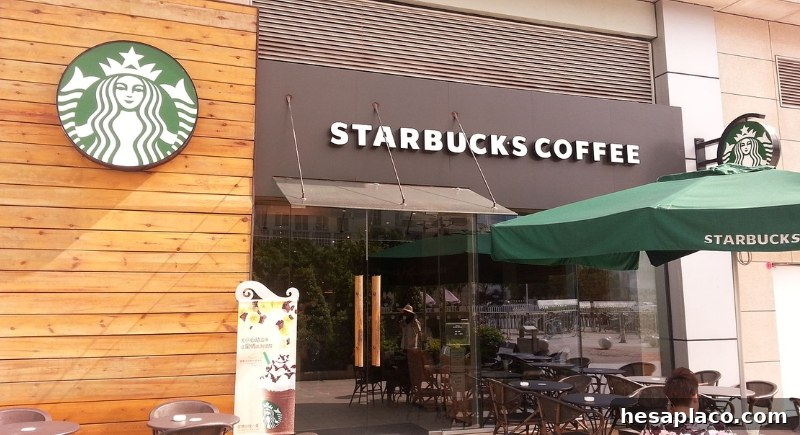
Starbucks is the world’s largest coffee chain, with more than 38,000 stores and a market cap around $100 billion. It transformed daily coffee consumption into a global habit through consistent store experiences, seasonal promotions, and a robust international footprint. Expanding menu offerings and sustainability initiatives also support its enduring appeal.
1. McDonald’s – $224.12 Billion
Credit: Wikimedia Commons
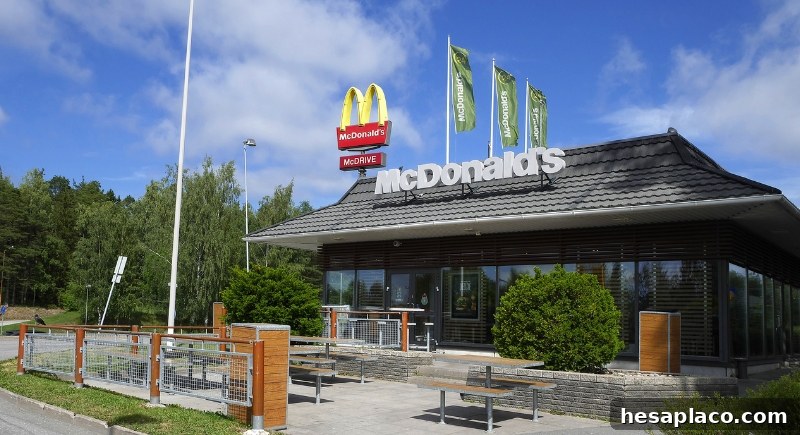
McDonald’s towers above competitors with a market value exceeding $224 billion. Its franchise-heavy model generates steady revenue streams, while localized menus ensure cultural relevance from city to city. McDonald’s unmatched scale, brand recognition, and operational consistency make it the definitive leader in the global fast food industry.