
At Google’s $2.1 billion Chelsea campus in New York City, employees arrived to find their offices temporarily closed because of a bedbug infestation. The problem forced the company to pause work in one of its most high-profile locations and attracted widespread attention for an embarrassing reason.
How it Began
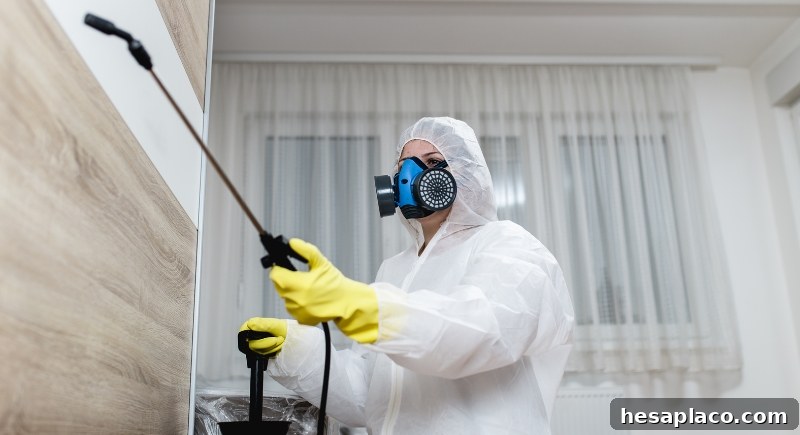
Image via Getty Images/Group4 Studio
On Sunday, October 19, 2025, employees received an email notifying them that the company’s environmental, health, and safety team had hired exterminators and a trained sniffer dog, which detected “credible evidence” of bedbugs in the Chelsea campus buildings. Staff were instructed to stay home while treatment was conducted. Google also inspected its other New York sites to confirm they were free of infestation. This wasn’t the first time Google had encountered bedbugs in Manhattan; in 2010, its Ninth Avenue offices were involved in a broader citywide outbreak.
Bedbugs are indifferent to modern design and high-end finishes. They travel on luggage, clothing, and personal items, and can sometimes spread through adjoining walls and shared spaces. The timing was particularly sensitive: many companies have been encouraging employees back to the office following the pandemic, and in 2025 Google scaled back its “Work From Anywhere” policy. An infestation at that stage complicates return-to-office plans and raises concerns among employees.
Big City, Big Problem

Image via Getty Images/roman_slavik
New York City has long been associated with bedbug challenges and has at times ranked among the U.S. cities most affected by infestations. Recent data from pest control firms shows some improvement: one report noted New York fell from the second-most to the fifteenth-most affected city nationwide. Nevertheless, no workplace is completely immune. When infestations occur in office environments, they create logistical and reputational headaches for employers. Google’s rapid decision to lock down the campus and call in professionals demonstrates the seriousness with which the company treated the issue.
Lessons for All Organizations
The Chelsea incident underscores that even high-end corporate campuses can be vulnerable to pests. As businesses design attractive office spaces and offer amenities intended to draw employees back, they must also maintain basic operational measures such as regular pest inspections, rapid response plans, and clear employee communications. Neglecting those fundamentals can lead to disruption, lost productivity, and negative publicity. For companies managing returns to the office, the episode serves as a reminder to balance aesthetics and perks with vigilant facilities management.
In short, bedbugs are an indiscriminate problem that can touch any organization. Taking preventive steps, conducting routine checks, and responding quickly when issues arise are the practical ways to protect staff, maintain operations, and avoid the kind of public scrutiny that followed the Chelsea campus closure.