States Where a City View Can Lower Home Values
Almost everyone likes the idea of a room with a view, but in real estate, not every view adds value. While waterfront, mountain, forest, and open natural views are often associated with higher property prices, a skyline view can be far more complicated.
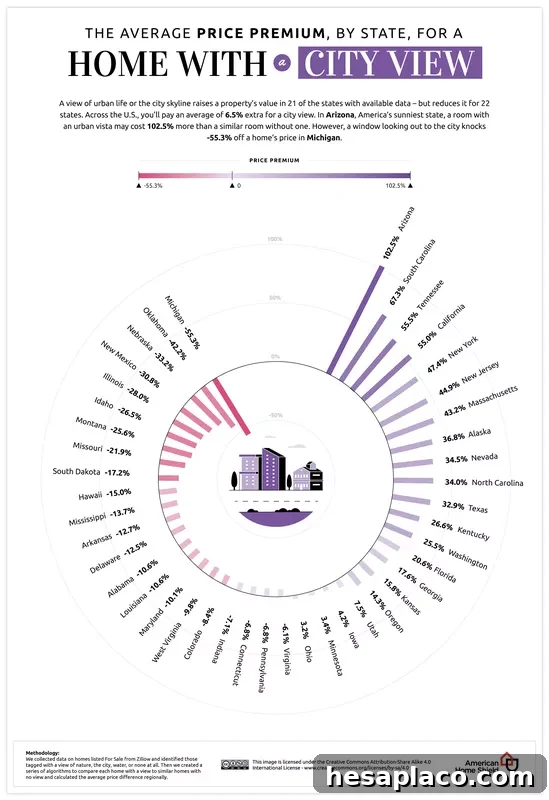
A recent study found that most U.S. states place a premium on water and nature views. City views, however, divide the market. In 22 states, a panoramic look at buildings, streets, and downtown skylines may actually reduce a home’s value. In some cases, the decrease can be dramatic, reaching more than 50 percent.
Below are the states where a city view may have the biggest negative impact on home value, based on reported average home values and city view devaluation percentages.
5. Illinois
Gian Lorenzo Ferretti Photography / Getty Images
Population: 12.72 million
Largest city: Chicago
Average home value: $253,433
City view devaluation: 28%
Average home value data comes from World Population Review. Devaluation percentages are based on American Home Shield’s “The Cost of a Scenic View Across the United States” report.
Cost of a City View in Illinois

DenisTangneyJr / Getty Images
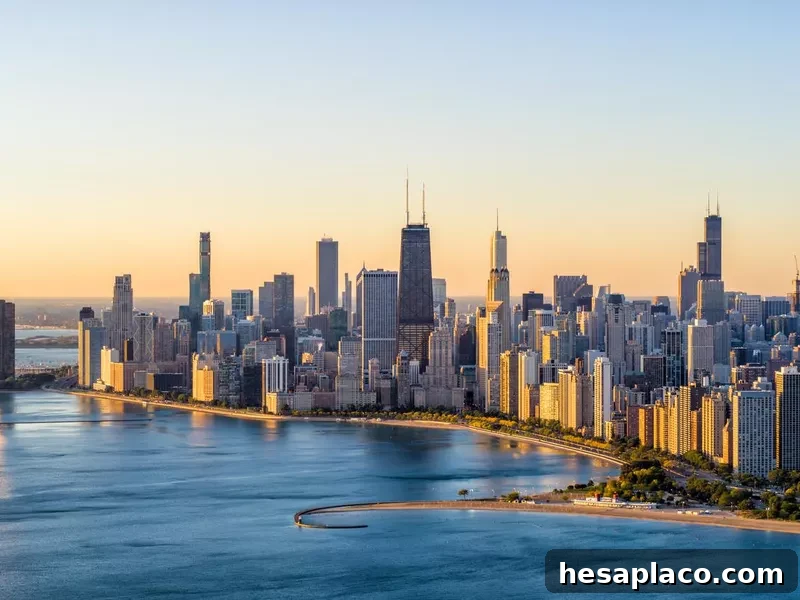
If you are buying a home in Illinois, a city-facing view may not be the selling point you expect. According to the study, a city view in the state can reduce a property’s value by 28 percent.
That does not necessarily mean every urban view in Illinois is undesirable. Chicago is one of America’s most architecturally significant cities, with a skyline known around the world. Nearby Oak Park is also famous for its concentration of Frank Lloyd Wright homes. A view of a landmark such as Willis Tower may appeal to many buyers.
Still, the statewide data suggests that not all Illinois city views carry the same appeal. In many areas, buyers appear to prefer a more natural outlook. Water views, by contrast, were reported to increase property values by 50 percent. For many Illinois homeowners, the ideal view may be Lake Michigan without too many buildings interrupting the scenery.
4. New Mexico

Davel5957 / Getty Images
Population: 2.097 million
Largest city: Albuquerque
Average home value: $277,617
City view devaluation: 30.8%
Cost of a City View in New Mexico

Sean Pavone / Getty Images
New Mexico is known for its deserts, dry mountain ranges, dramatic skies, and red rock landscapes. In a state with so much natural beauty, it is easy to understand why buyers may be less enthusiastic about looking out at buildings instead of open land.
A city view in New Mexico is associated with a 30.8 percent reduction in home value. The issue may be that a city view often means losing the natural scenery that makes the state so appealing. For many buyers, a mountain, desert, or canyon view is simply more desirable than an urban outlook.
Some New Mexico towns, including Santa Fe and Taos, are admired for their distinctive beauty and historic character. Albuquerque also benefits from a scenic setting. However, when the surrounding landscape is removed from the picture, many city views may not offer enough visual appeal to increase property demand.
For real estate buyers in New Mexico, the safest approach may be to prioritize homes with natural views unless the city view is in a particularly attractive or sought-after location.
3. Nebraska

Davel5957 / Getty Images
Population: 1.924 million
Largest city: Omaha
Average home value: $230,672
City view devaluation: 33.2%
Cost of a City View in Nebraska

Jacob Boomsma / Getty Images
Nebraska’s major cities, including Omaha and Lincoln, are not unattractive, but they are not generally known for iconic skylines. That may help explain why a city view can reduce a home’s value in the state by 33.2 percent.
Nebraska’s landscape is often associated with wide prairies, open skies, valleys, and occasional rock formations. For some buyers, that simplicity is part of the appeal. A tall building or dense urban scene may not be viewed as an improvement over the state’s broad natural horizon.
In a real estate market where buyers value openness and space, a view into the city center may feel less desirable. Even in affordable and practical housing markets, the right outlook can still influence perceived value.
Anyone considering a property in Nebraska should pay attention to what can be seen from the windows, patio, or yard. A home with a quieter, more open view may be more attractive to future buyers than one facing dense urban development.
2. Oklahoma

Davel5957 / Getty
Population: 3.949 million
Largest city: Oklahoma City
Average home value: $171,057
City view devaluation: 42.2%
Cost of a City View in Oklahoma
Sean Pavone / Getty Images
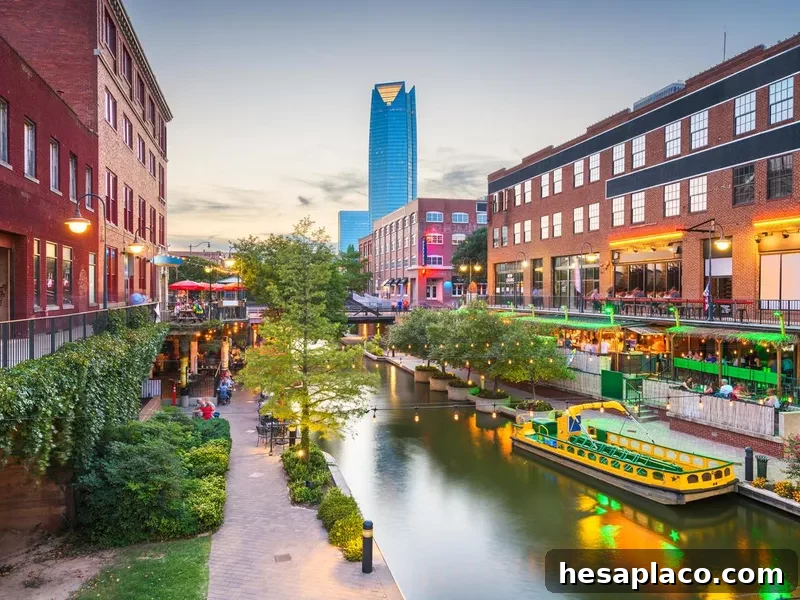
Oklahoma City offers more visual appeal than many people may realize. Like many American cities, it has ordinary commercial areas and plain buildings, but it also has distinctive districts such as Bricktown, where a riverside promenade is lined with restaurants, shops, and entertainment venues.
Even so, the data shows that Oklahoma buyers may not place much value on a city view. In fact, a city-facing outlook can be linked to a 42.2 percent decrease in home value. That is one of the largest reported drops in the country.
The contrast with natural scenery is striking. Homes with nature views in Oklahoma were reported to appreciate by 48.1 percent. This suggests that buyers in the state strongly prefer landscapes, open spaces, and scenic outdoor settings over urban views.
For investors and homebuyers, the lesson is clear: location and view quality matter. A property overlooking a well-designed district may still have appeal, but a generic city view could hurt resale value. Areas near natural attractions, such as the Wichita Mountains, may offer stronger potential when the property also includes modern amenities.
1. Michigan
Davel5957 / Getty Images
Population: 9.974 million
Largest city: Detroit
Average home value: $225,324
City view devaluation: 55.3%
Cost of a City View in Michigan

benedek / Getty Images
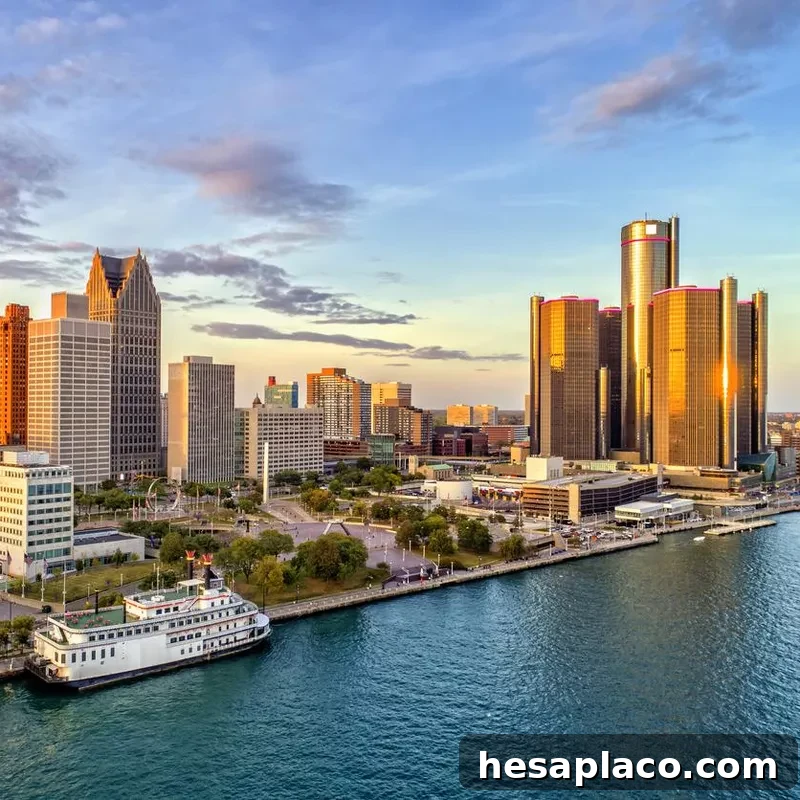
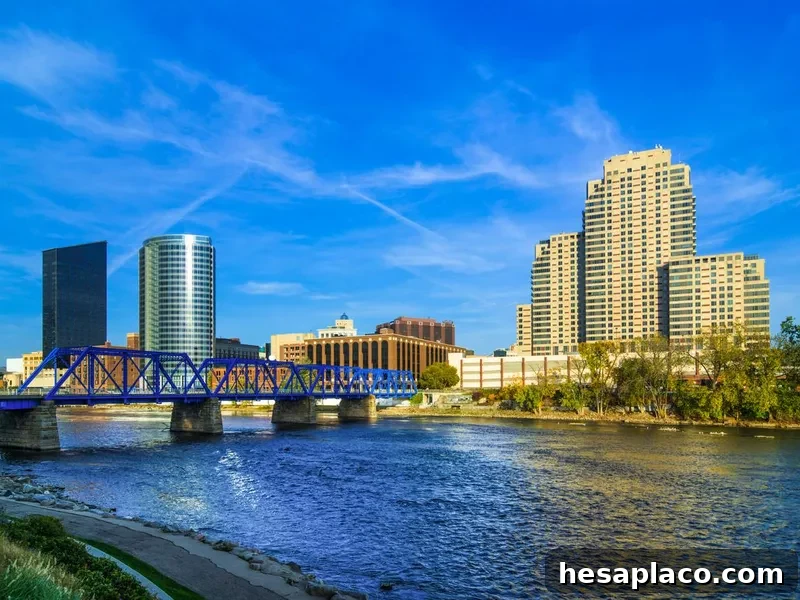
Michigan has the highest reported city view devaluation on this list. According to the study, a city view in the state can reduce a property’s value by as much as 55.3 percent.
Detroit was once one of America’s great industrial cities, and its downtown has continued to attract renewed attention. In certain parts of Downtown Detroit, according to Realtor, average home values are around $600,000. In those specific areas, a skyline or urban view may still be desirable.
Across the broader state, however, the numbers suggest that buyers are far more interested in water views than city views. A water view was reported to increase the desirability of a Michigan property by 88 percent.
That preference makes sense in a state surrounded by major lakes. Michigan has coastlines along Lake Erie, Lake Michigan, Lake Huron, and Lake Superior, giving buyers many opportunities to seek lakefront or water-facing homes. For real estate buyers, a lake view may be a much stronger investment feature than a view of downtown buildings.
True Cost of a City View in the U.S.
American Home Shield
A city view is not always a drawback. In 21 states, it can be a positive feature that adds to a home’s appeal. In other states, however, buyers may prefer water, mountains, trees, open land, or other natural scenery.
For homeowners, buyers, and real estate investors, the key takeaway is that a view should never be judged in isolation. A skyline may be valuable in one market and undesirable in another. Before paying more for a property with a city view, it is worth understanding local buyer preferences and comparing that view with nearby natural alternatives.