
Let’s be honest: everyone makes mistakes at work. It’s a normal part of any career, and it’s likely happened more times than you’d like to admit.
A Censuswide survey for LinkedIn found that 54% of professionals report committing a “career fumble,” including failing to reply to an email (17%), crying at the office (17%), oversleeping (15%) or neglecting to follow up after a meeting (12%). While many of these are minor slips, how you handle them can influence your reputation and future opportunities.
When you mess up, certain reactions help you recover while others can make the situation worse. Below are 15 things to avoid saying or doing when you make a mistake at work, along with practical alternatives to help you repair trust and grow professionally.
Don’t Overthink Your Mistake

Ruminating endlessly will only increase stress and reduce your effectiveness. Critiquing yourself harshly rarely leads to productive outcomes. A calmer, more constructive response helps you assess the issue and determine next steps without becoming paralyzed by perfectionism.
Don’t Forget to Apologize

Own the mistake and apologize sincerely. Avoiding an apology signals a lack of accountability and can erode trust. A prompt, honest apology shows responsibility and often reassures colleagues that you’ll take steps to make things right.
Don’t Cover up the Error

Attempting to hide a mistake is almost always counterproductive. Concealment typically surfaces later and can cause more damage than the original error. Be transparent about what happened and focus on remediation.
Don’t Assume You Can Fix It Yourself

After admitting the error, don’t hesitate to ask for help when needed. Colleagues, managers, or external connections can offer perspective and practical assistance. Seeking input often speeds resolution and demonstrates humility and teamwork.
Don’t Neglect to Ask for Feedback

Request feedback to understand what went wrong and how to improve. Doing so shows commitment to learning and growth, and your manager will likely appreciate your proactive attitude.
Don’t Make an Excuse

Excuses undermine accountability. Accept responsibility clearly and focus on corrective steps. Owning the issue without justification demonstrates maturity and builds credibility.
Don’t Be Inflexible

Be willing to change your approach and incorporate others’ suggestions. Flexibility helps you adapt and learn faster, reducing the chance of repeating the same problem.
Don’t Over-Apologize

A sincere apology is important, but excessive apologies that replace corrective action can waste time and distract from solving the problem. Apologize, then focus on practical next steps to fix the situation.
Don’t Do the Bare Minimum to Fix It

Fixing a mistake should include efforts to prevent recurrence. Go beyond the minimum: learn what led to the error, take steps to improve, and show commitment to better performance moving forward.
Don’t Neglect to Offer a Solution
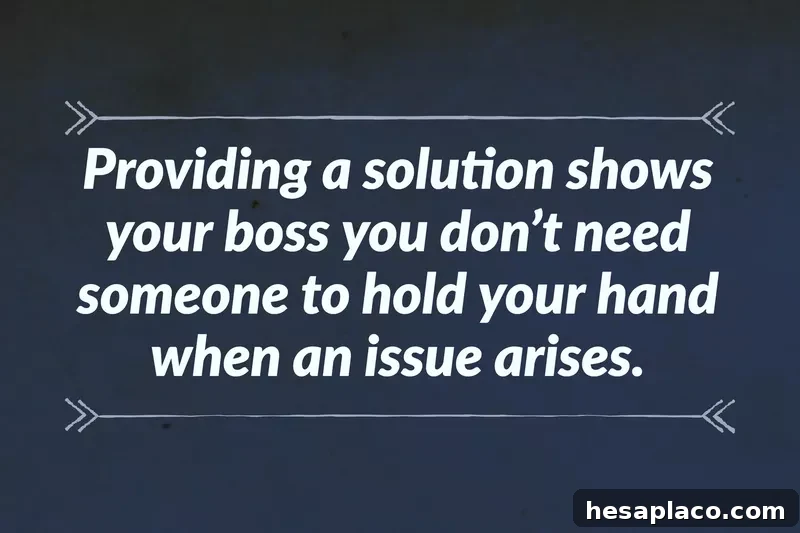
Propose a clear plan or a takeaway that prevents the same mistake. Presenting a solution demonstrates initiative and reassures supervisors and teammates that you’re capable of resolving issues independently.
Don’t Become Overly Emotional

It’s natural to feel upset, but let emotions guide you toward constructive action rather than derail you. If needed, take a short break to regroup, then return ready to address the issue calmly.
Don’t Blame Others

Shifting blame damages your reputation and team trust. Accept responsibility for your role in the error and collaborate on solutions without pointing fingers.
Don’t Rush to Fix the Issue Without a Plan

Acting hastily can create further problems. Pause briefly to create a deliberate plan, assess risks, and request assistance if necessary. A thoughtful approach produces better outcomes and looks professional.
Don’t Fight the Consequences

If there are formal consequences, respond calmly and accept responsibility when appropriate. Resisting disciplinary measures can escalate the situation and harm your standing. Stay composed, listen, and learn from the experience.
Don’t Make the Same Mistake Again

The ultimate goal is to avoid repeating the error. Be more deliberate and double-check your work. Consistent attention to detail and proactive habits will prevent future issues and rebuild confidence among colleagues and managers.
In short: be honest, apologize concisely, seek feedback, propose solutions, and take steps to prevent repetition. Handling mistakes thoughtfully not only repairs immediate damage but also demonstrates professionalism and resilience—qualities that advance your career over time.