
Far too often we undermine our own success at work without realizing it.
Common phrases that seem harmless in casual conversation can make you come across as unprofessional, uncertain, or careless in the office. Speaking casually, deflecting responsibility, or sounding unsure around colleagues and supervisors can damage your reputation and stunt your career growth.
Your professional image is your responsibility. How you speak and behave determines how others perceive your competence and readiness for advancement.
On the other hand, confident language, respectful formality, and taking responsibility make a strong impression. Small adjustments to how you express yourself at work can set you apart and help you earn recognition from managers and peers.
Avoiding certain phrases will help you move from being just another employee to someone who clearly cares about how they’re seen, and who is focused on progressing professionally.
Don’t Seem Grammatically Challenged

Getty Images
Casual wording that breaks grammar rules can make you seem lazy or unpolished. Saying “fine by me” will usually be understood, but it sounds informal and slightly incorrect; “fine with me” is better. Even so, both phrases can come across as disengaged.
Instead, use a stronger expression of agreement—something that communicates active support rather than passive acceptance.
Don’t Be Casual

Getty Images
A relaxed phrase may work socially, but around supervisors it can undermine your professional image. Office situations can be stressful, and the best way to calm a team is often through composed body language and steady presence rather than an overly casual comment. Poise and confidence signal competence and help others stay calm under pressure.
Don’t Be Defensive
Getty Images
Everyone dislikes being blamed, but you will face criticism at times. When that happens, avoid shifting blame or making excuses. Even if the mistake wasn’t entirely yours, focus on what you learned, how you contributed, and what steps you’ll take to prevent a repeat. That approach builds respect and demonstrates accountability.
Don’t Shift Blame

Getty Images
Blaming others for your decisions signals a lack of independence and critical thinking. If you followed someone else’s instructions, verify with your supervisor that those directions were correct. When unsure, ask for clarification to avoid being caught in a blame-shifting situation later.
Don’t Sound Weak

Getty Images
When seeking confirmation or feedback, avoid wording that highlights your uncertainty. Rather than saying something tentative about your work, ask a direct question like, “Is this what you’re looking for?” That frames the conversation around your supervisor’s expectations and sounds confident.
Don’t Lock Your Position

Getty Images
Avoid absolute words such as “always” and “never.” They set unrealistic expectations and leave you vulnerable when exceptions occur. Use measured language that allows for nuance, since perfection and consistency without exception are rarely realistic in professional life.
Don’t Be Vague
Getty Images
Words like “very” and “really” don’t convey specific information. Saying a computer is “very fast” tells listeners nothing useful—explain how it’s faster, by how much, or what that speed means for performance. Specific descriptions show subject-matter understanding and leave a stronger impression.
Don’t Be Vague, Part Two
Getty Images
Avoid filler phrases like “things like” or “stuff.” They sound informal and vague. If a client asks what your company offers, list concrete services and capabilities. Being precise reinforces your authority and demonstrates that you know the business.
Don’t Be Vague, Part Three
Getty Images
Timelines matter. If asked when you can complete a task, don’t reply “I don’t know.” Provide your best estimate. If delays arise, update your supervisor with reasons and a revised plan. Clear communication about deadlines shows responsibility and reliability.
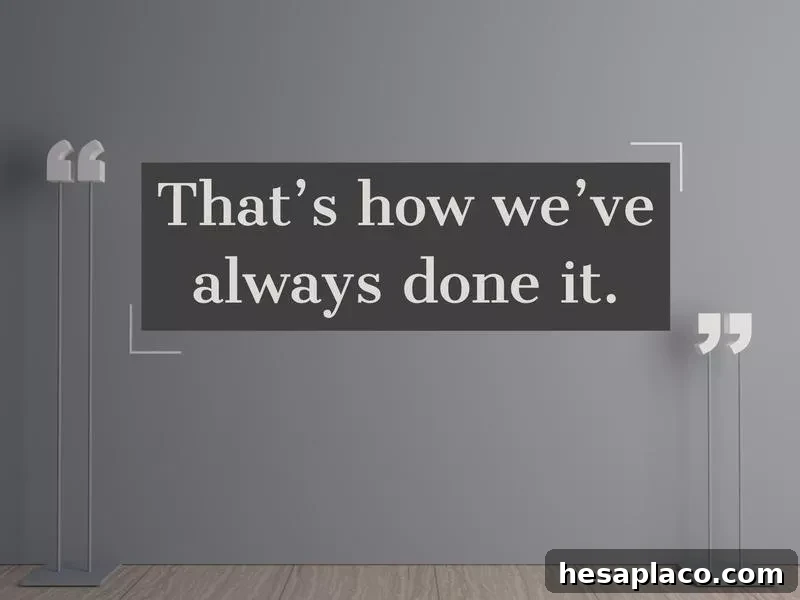
Don’t Be Inflexible
Getty Images
“We’ve always done it this way” signals resistance to improvement. Processes that have persisted for years aren’t necessarily optimal. If you see a better way to do things, test it and present the results to your manager. Innovation and efficiency are valued and noticed.
Don’t Use Unnecessary Words

Getty Images
Words like “literally” often add nothing and are overused. In business conversations, be literal when necessary and avoid filler that dilutes your message. Eliminating unnecessary words makes your speech clearer and more engaging.
Don’t Use Filler

Getty Images
Filler sounds like “uhh” make you appear unprepared or uncertain. Prepare for meetings and conversations so your recall is quick and your delivery is smooth. Pauses are fine; they’re better than filler noises that distract listeners.
Don’t Be a Pushover

Getty Images
While flexibility matters, excessive accommodation can undermine authority. If you assign work to others, be clear about deadlines and expectations. Letting colleagues consistently push back erodes your ability to lead and compromises productivity.
Don’t Say What Everyone Already Knows

Getty Images
Jokey comments like “TGIF” have their place socially, but at work they can suggest you’re just waiting to leave. Show that you care about your role and take pride in your work. People who display engagement and enthusiasm are more likely to be noticed and promoted.
Don’t Be a Know-it-All

Correcting factual errors is important, but avoid patronizing language such as “actually.” It often sounds condescending and turns colleagues off. Use softer transitions like “I’d like to add…” or “I don’t mean to correct you, but…” to share information without alienating others.
Don’t Highlight Your Blind Spots

Getty Images
You don’t need to announce what you didn’t consider on a project. Instead of saying you missed something, explain why you chose your approach and why you believed it was appropriate. If your supervisor wants a different course next time, acknowledge it and adapt.
Don’t Defer

Getty Images
Unless you genuinely lack the skill, time, or resources to complete a task, don’t refuse assignments. Be the dependable person colleagues and managers trust. If you legitimately cannot take something on, explain why so your supervisor can reassign or adjust expectations.
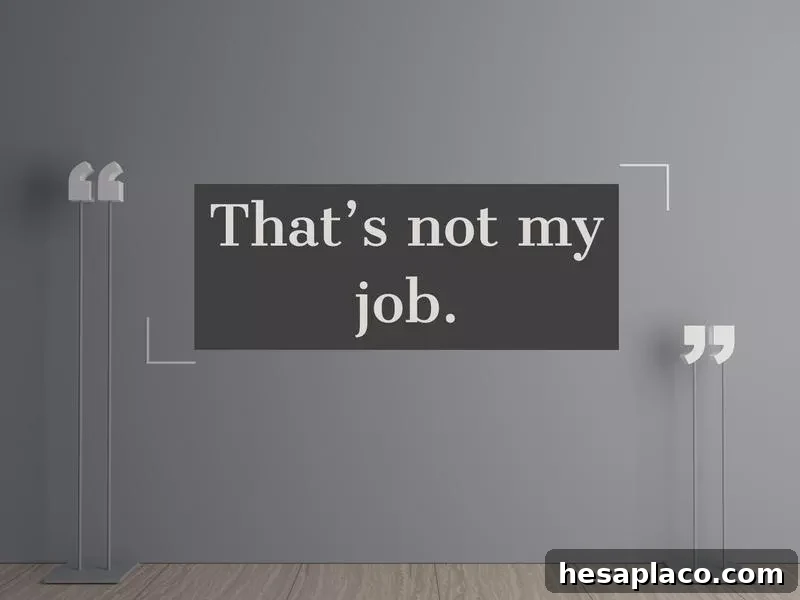
Don’t Put Limits on Your Career
Getty Images
Occasionally you’ll be asked to perform tasks outside your job description. Accepting them when reasonable shows initiative and builds trust. Saying no too often narrows others’ expectations of you and limits opportunities. Volunteer for stretch assignments to grow your skills and visibility.
Don’t Be Negative

Getty Images
When presenting a new idea, avoid prefacing it with doubts or negative qualifiers. Lead with the positive case and let others evaluate feasibility. Confidently proposing solutions shows engagement and helps others take your suggestions seriously.
Don’t Hint at Issues

Getty Images
Saying “no problem” can unintentionally suggest a task might have been a problem. Instead use positive responses like “I’d be happy to” when agreeing to a supervisor’s request. Small shifts in tone contribute to a more positive professional presence.
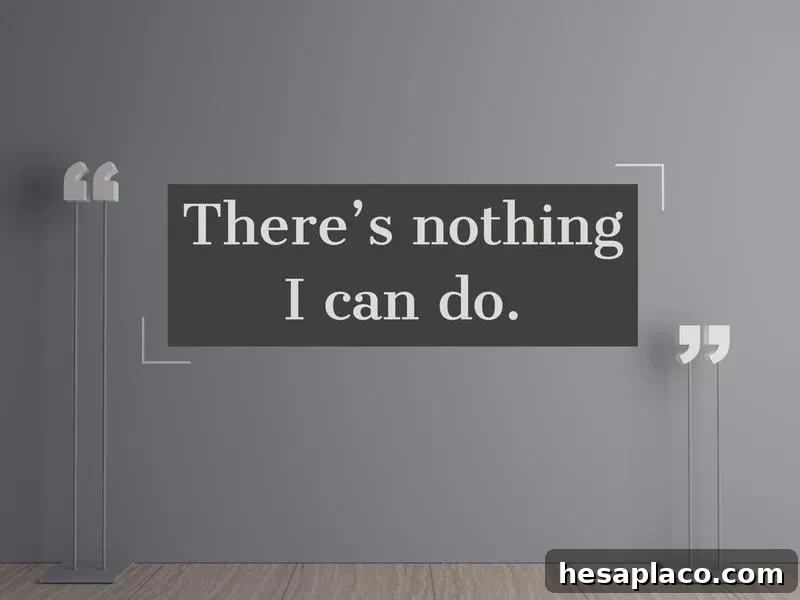
Don’t Tell People What You Can’t Do
Getty Images
Focus on what you can do rather than listing limitations. Even if a task proved difficult before, offer to try again or propose alternatives. Emphasize your capabilities—promotions go to people who demonstrate what they can accomplish.
Don’t Project a Lack of Confidence

Getty Images
Confidence matters. Avoid language that undermines your credibility or implies you’re not making sense. Instead invite input with constructive questions such as “What are your thoughts?” or “Do you have any questions?” That invites engagement without self-doubt.
Don’t Elicit Eye-Rolls By the Dozen

Getty Images
Clichés are overused and unhelpful in professional settings where clarity and directness matter. Avoid tired expressions; they disengage listeners and make your message forgettable. Speak plainly and specifically so others remember what you say for the right reasons.
Polishing your language—choosing confident, specific, and responsible phrases—shapes how others perceive you. Small verbal changes strengthen your professional image, build trust, and open doors to new opportunities.