We’ve all worked for a bad boss at some point, so it’s no surprise that films have given us plenty of memorable examples. From micromanagers and petty tyrants to manipulative power players, seeing these cinematic supervisors makes your own workplace troubles look a little more bearable. To keep the list focused, this roundup avoids crime lords, military commanders and sci-fi overlords and concentrates on more traditional workplace bosses who make employees’ lives miserable.
Below are some of the most awful bosses to ever appear on screen. Each entry highlights why that character stands out as a terrible leader, and in many cases shows how toxic behavior can derail careers, damage morale, and cross ethical lines.
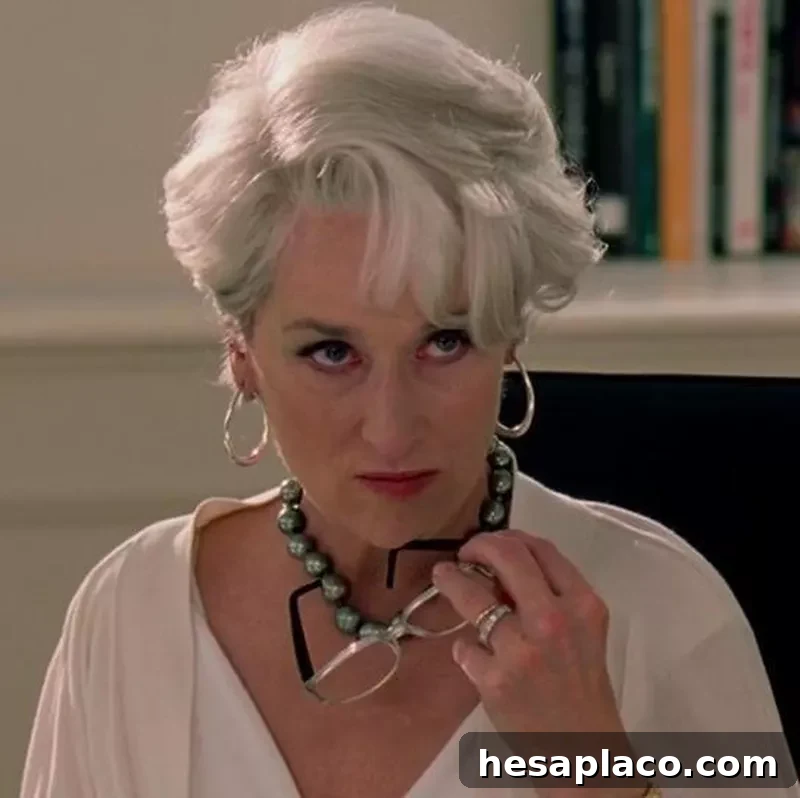
Miranda Priestly in “The Devil Wears Prada”
Year: 2006
Character created by: Lauren Weisberger
Acted by: Meryl Streep
Notorious line: “Details of your incompetence do not interest me.”
Why she’s awful: Miranda is the archetypal impossible boss: demanding, demeaning and controlling. She humiliates staff, expects servants-on-demand, and places unrealistic expectations on subordinates — yet she’s also portrayed as a brilliant and influential leader, which complicates the moral picture. Meryl Streep’s chilling performance captures how a leader’s brilliance can be used to justify abusive behavior, and how ambition and compromise can push employees into difficult ethical positions.
Bill Lumbergh in “Office Space”
Year: 1999
Character created by: Mike Judge
Acted by: Gary Cole
Notorious line: “Oh, oh, and I almost forgot. Ahh, I’m also gonna need you to go ahead and come in on Sunday, too.”
Why he’s awful: Lumbergh embodies the soul-crushing banalities of corporate management: petty rules, endless paperwork and thoughtless demands for unpaid overtime. His passive-aggressive tone, fixation on trivialities like TPS reports, and disregard for basic decency make him painfully familiar to anyone who’s worked in a bureaucratic office.
Frank Cross in “Scrooged”
Year: 1988
Character created by: Mitch Glazer and Michael O’Donoghue, via Charles Dickens
Acted by: Bill Murray
Notorious exchange: “You know what they say about people who treat other people bad on the way up?” — “Yeah, you get to treat ’em bad on the way back down too. It’s great, you get two chances to rough ’em up.”
Why he’s awful: Bill Murray’s Frank Cross is a modern Scrooge: cruel, self-centered, and willing to fire people without remorse — even on Christmas Eve. As the head of a TV network, he leverages power for petty cruelty. The film uses supernatural intervention to force his transformation, but the character remains a potent example of heartless corporate leadership.
Katharine Parker in “Working Girl”
Year: 1988
Character created by: Kevin Wade
Acted by: Sigourney Weaver
Notorious line: “Ugh! What a slob.”
Why she’s awful: Katharine initially appears poised and successful, but her ambition masks ruthless opportunism. Instead of mentoring Tess, she betrays and steals her ideas to take credit. Katharine’s behavior demonstrates how status and polished manners can conceal betrayal and exploitation in the workplace.
Bobby Pellit in “Horrible Bosses”
Year: 2011
Character created by: Michael Markowitz; John Francis Daley & Jonathan Goldstein
Acted by: Colin Farrell
Notorious exchange: “You’re three hours late. What’s the deal?” — “I was at your father’s funeral.” — “Uh huh. Well, maybe that excuse would have flown when my dad was here, but I’m in charge now.”
Why he’s awful: Bobby Pellit is a narcissistic, drug-addled heir who takes over the family business and weaponizes his authority to humiliate and endanger employees. He pressures staff to make discriminatory firings and pursues vindictive goals that create a hostile and illegal work environment — a caricature of extreme corporate abuse.
Franklin Hart, Jr. in “9 to 5”
Year: 1980
Character created by: Patricia Resnick and Colin Higgins
Acted by: Dabney Coleman
Notorious line: “You tangle with me, and I hope you’re prepared to play dirty and rough. I’ll be damned if I let myself be stopped by three dim-witted broads!”
Why he’s awful: Franklin Hart is an openly sexist and predatory boss who harasses and exploits female employees. He promotes men over qualified women, spreads malicious rumors, and uses his position to intimidate — an extreme but sadly recognizable portrayal of workplace misogyny.
Blake in “Glengarry Glen Ross”
Year: 1992
Character created by: David Mamet
Acted by: Alec Baldwin
Notorious line: “You certainly don’t, pal, ’cause the good news is — you’re fired. The bad news is — you’ve got, all of you’ve got just one week to regain your jobs starting with tonight.”
Why he’s awful: Baldwin’s ruthless consultant humiliates and terrorizes a struggling sales team, using threats, public shaming, and unrealistic incentives to coerce performance. His blistering monologue highlights how fear-based management destroys morale and fosters desperation rather than genuine productivity.
Jordan Belfort in “The Wolf of Wall Street”
Year: 2013
Character created by: Jordan Belfort (based on real events)
Acted by: Leonardo DiCaprio
Notorious line: “Sell me this pen!”
Why he’s awful: Belfort’s charisma masks a culture of excess, illegality and moral bankruptcy. He cultivates an environment where fraud, drugs and exploitation are rewarded. While he appears to enrich his team, the success is based on criminal activity that ultimately ruins lives and careers.
Gordon Gekko in “Wall Street”
Year: 1987
Character created by: Stanley Weiser and Oliver Stone
Acted by: Michael Douglas
Notorious line: “If you need a friend, get a dog.”
Why he’s awful: Gordon Gekko personifies ruthless greed and the “profits above all” attitude. His “greed is good” credo and manipulation of younger professionals promote unethical shortcuts and self-serving decisions, ultimately demonstrating how toxic leadership corrodes integrity and trust.
Claire Dearing in “Jurassic World”
Year: 2015
Character created by: Michael Crichton (concept origins)
Acted by: Bryce Dallas Howard
Notorious line: “Lowery, man up and do something for once in your life!”
Why she’s awful: As an operations manager obsessed with revenue and PR, Claire lacks empathy and fails to consider safety and human consequences. Her demands turn colleagues into unpaid babysitters and sideline genuine risk concerns until disaster strikes, showing how managerial focus on metrics over people can have catastrophic results.
Margaret Tate in “The Proposal”
Year: 2009
Character created by: Peter Chiarelli
Acted by: Sandra Bullock
Notorious line: “Listen carefully Bob. I didn’t fire you because I felt threatened. No. I fired you because you’re lazy, entitled, incompetent and you spend more time cheating on your wife than you do in your office.”
Why she’s awful: Margaret is a domineering, manipulative boss who coerces her assistant into a fake engagement to save her immigration status. The plot exaggerates workplace coercion for comedy, but it underscores the disturbing reality of power imbalances where a boss can leverage employment for deeply inappropriate demands.
Buddy Ackerman in “Swimming with Sharks”
Year: 1994
Character created by: George Huang
Acted by: Kevin Spacey
Notorious line: “Look, I know that this is your first day and you don’t really know how things work around here, so I will tell you. You have no brain. No judgement calls are necessary. What you think means nothing. What you feel means nothing. You are here for me.”
Why he’s awful: Buddy is a textbook tyrant who thrives on humiliating and emotionally abusing his assistant. His relentless verbal assaults and complete lack of respect for basic human dignity make him a terrifying example of how personal cruelty can masquerade as managerial authority.
The Duke Brothers in “Trading Places”
Year: 1983
Characters created by: Timothy Harris and Herschel Weingrod
Acted by: Don Ameche and Ralph Bellamy
Notorious line: “We took a perfectly useless psychopath like Valentine, and turned him into a successful executive. And during the same time, we turned an honest, hard-working man into a violently, deranged, would-be killer!” — Randolph Duke
Why they’re awful: The Dukes use their wealth and power to manipulate people’s lives for sport and profit. Their willingness to destroy an employee’s life to win a bet exposes ugly truths about privilege, racism, and how unchecked power enables exploitation and corruption.
Professor Callahan in “Legally Blonde”
Year: 2001
Character created by: Amanda Brown
Acted by: Victor Garber
Notorious line: “Let the bloodbath begin.”
Why he’s awful: Professor Callahan wields academic and professional authority to advance his own sexual interests, using career opportunities as leverage. His predatory conduct demonstrates a betrayal of the mentor role and highlights the profound harm when those in power exploit vulnerable trainees and interns.
Meredith Johnson in “Disclosure”
Year: 1994
Character created by: Michael Crichton
Acted by: Demi Moore
Notorious line: “Poor Sanders. You have no idea what you’re up against — as usual.”
Why she’s awful: Meredith’s story flips the more common narrative of male-on-female harassment to show a female executive abusing power. She manipulates an ex-partner in the workplace, then weaponizes the accusation to undermine him professionally. The film tackles complex themes about power, gender, and credibility in harassment claims.
These films offer exaggerated but telling portraits of poor leadership: intimidation, manipulation, harassment, and greed create toxic workplaces every bit as dramatic as any on-screen disaster. While some characters transform or face consequences by the story’s end, each example is a reminder of how damaging a bad boss can be — and why good leadership matters.