
If you could live anywhere in the world, where would you choose? A place with a high quality of life is a great place to start. Mercer, a global human resources consulting firm, publishes a Quality of Living ranking that helps companies determine compensation for employees sent abroad. The list evaluates cities using 39 factors grouped into 10 categories:
- Social environment (politics and crime)
- Economic environment
- Restrictions on personal freedoms
- Health and medical services
- Schools and education
- Public services and transportation
- Recreation and entertainment
- Availability of consumer goods
- Housing
- Natural environment and climate
Below is a curated selection from Mercer’s rankings highlighting cities with excellent quality of life, their basic stats and cultural highlights.
60. Leipzig, Germany
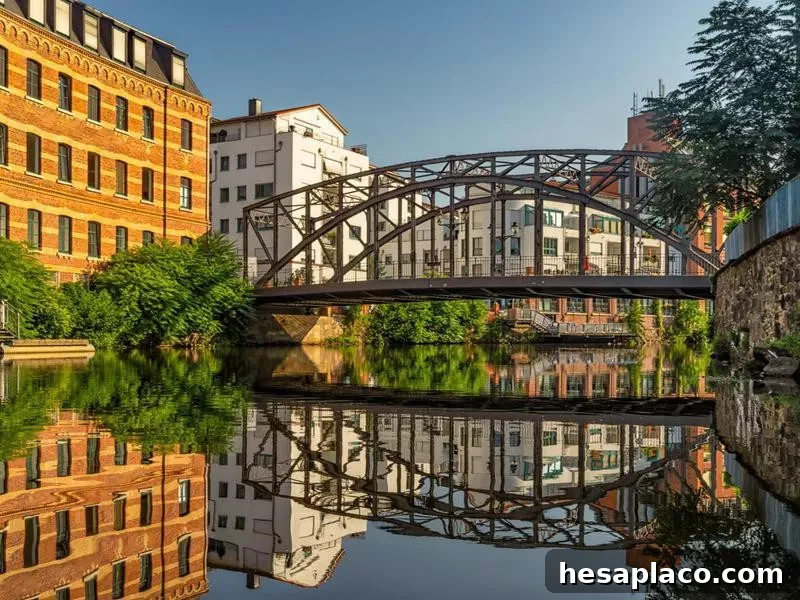
Leipzig has beautiful canals and harbors. It is Saxony’s most populous city. Frank Günther / Getty Images
Population: 597,493 (city), ~1 million (metro)
Language: German
Average temperature (summer): 66°F (19°C)
Average temperature (winter): 34°F (1°C)
Cultural Highlight: Leipzig
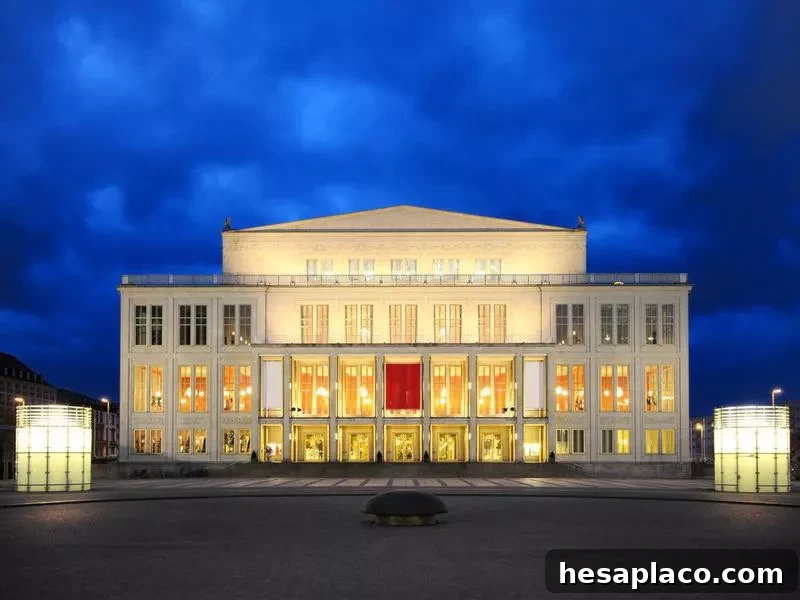
The Leipzig Opera house is a source of cultural pride for residents. TommL / Getty Images
The Leipzig Opera is one of Germany’s most respected opera houses and reinforces the city’s long musical tradition.
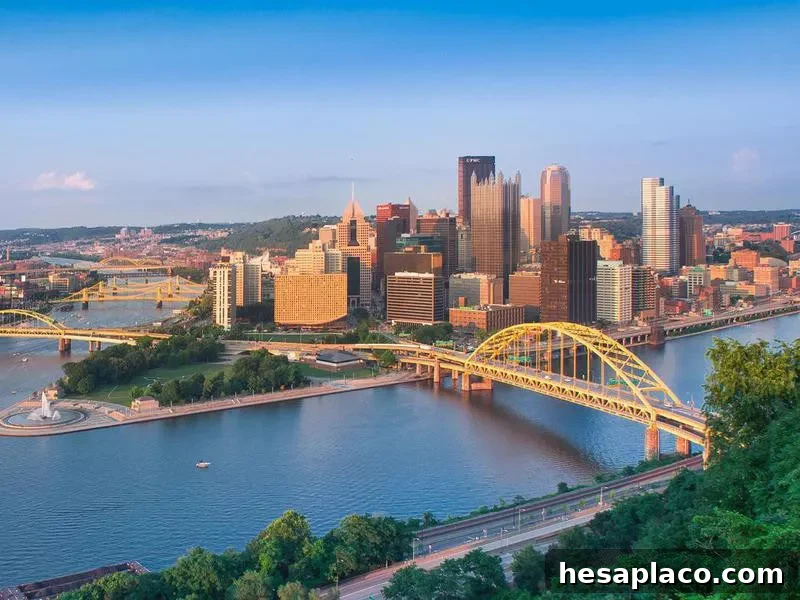
59. Pittsburgh, Pennsylvania, United States
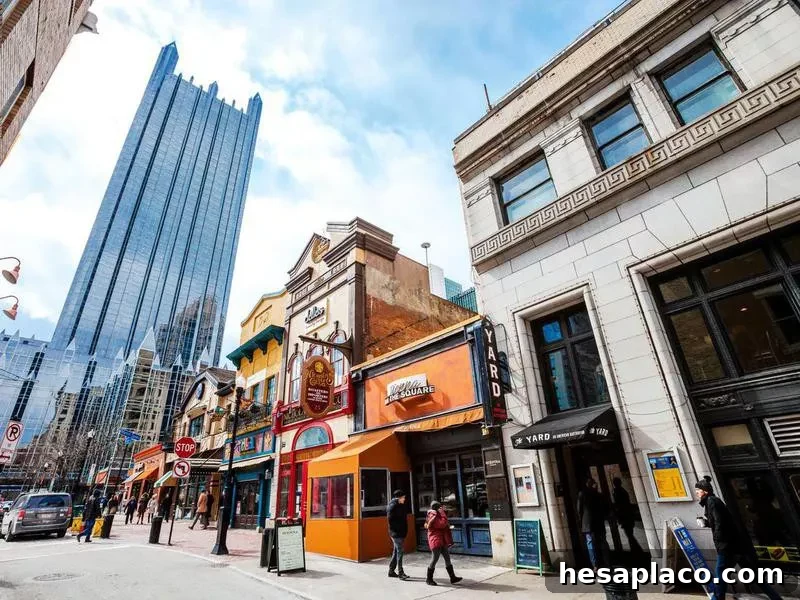
Pittsburgh sits at the confluence of three rivers and was once an industrial hub. peeterv / Getty Images
Population: 302,205 (city), 2.37 million (metro)
Language: English
Average temperature (summer): 73.2°F (22.9°C)
Average temperature (winter): 28.8°F (-1.8°C)
Cultural Highlight: Pittsburgh
There are four Carnegie museums in Pittsburgh: Carnegie Museums of Art and Natural History, Carnegie Science Center and The Andy Warhol Museum. HaizhanZheng / Getty Images
The Carnegie Museum of Art, founded by Andrew Carnegie in 1895, showcases global and local art; its collections range from Old Masters to modern works and artifacts from many cultures.
58. Osaka, Japan
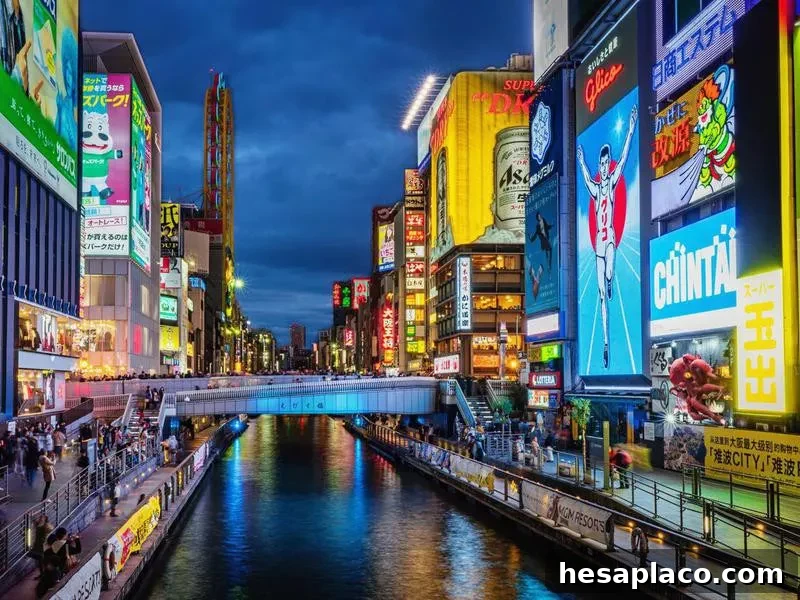
Osaka is known for its vibrant downtown and lively nightlife. Mlenny / Getty Images
Population: 2.69 million (city), 19.3 million (metro)
Language: Japanese
Average temperature (summer): 92°F (33.5°C)
Average temperature (winter): 49°F (9.3°C)
Cultural Highlight: Osaka
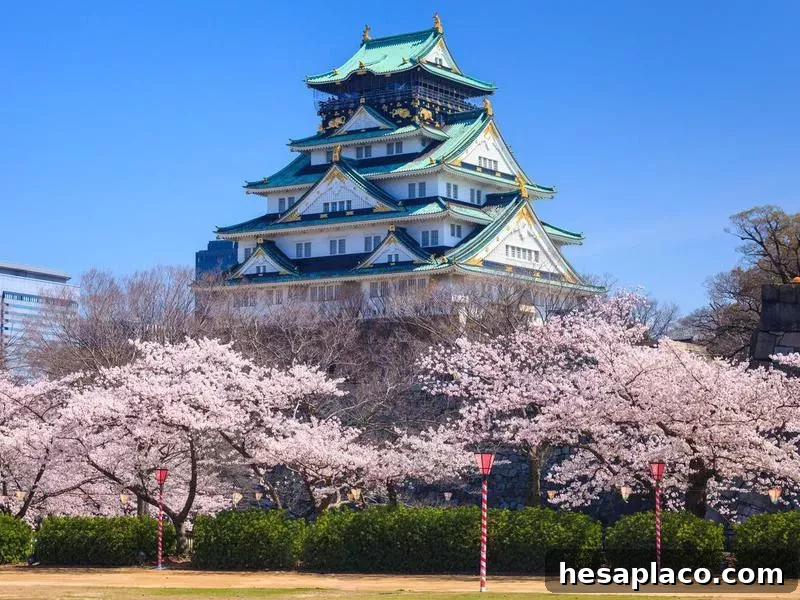
Osaka Castle is a popular cherry blossom spot in spring. lkunl / Getty Images
Osaka Castle, built in the 16th century, remains the city’s iconic landmark with striking architecture and impressive defensive walls.
57. Aberdeen, Scotland, United Kingdom

Aberdeen is known for its dramatic, rocky shoreline and cool climate. AlbertPego / Getty Images
Population: 200,680 (city), 489,815 (metro)
Language: English
Average temperature (summer): 57°F (13.9°C)
Average temperature (winter): 40.1°F (4.5°C)
Cultural Highlight: Aberdeen
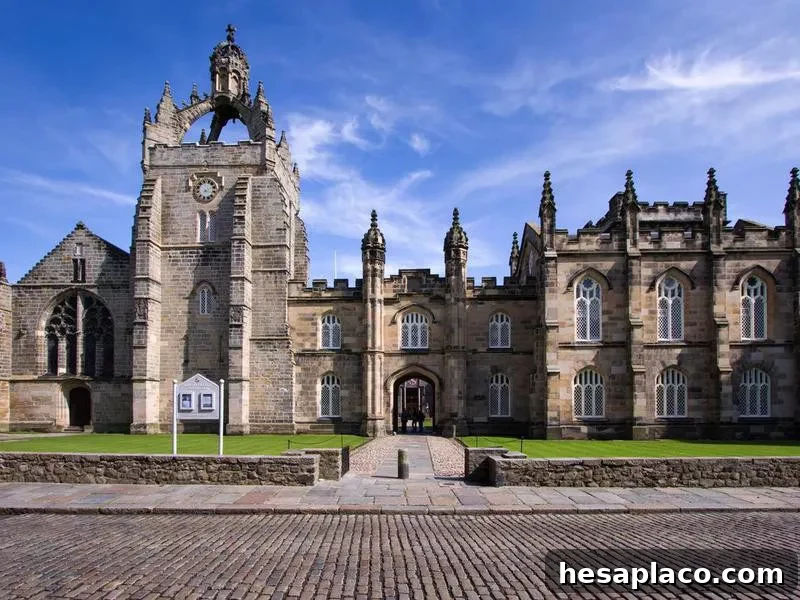
King’s College at Aberdeen University dates to the 15th century. Heartland-Arts / Getty Images
King’s College, founded in 1495, is one of Scotland’s oldest academic institutions and remains an important historical landmark.
56. Rome, Italy
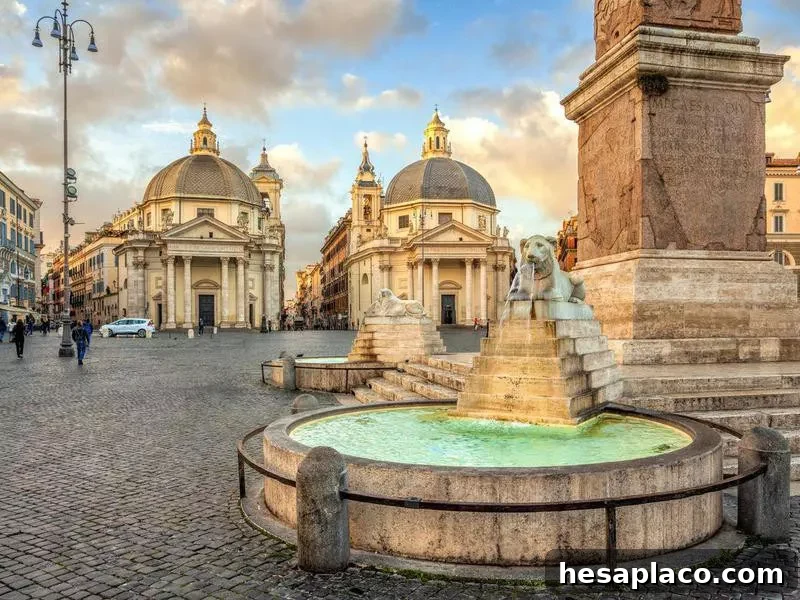
Rome was the capital and cultural heart of the Roman Empire. Sazonoff / Getty Images
Population: 2.87 million (city), 4.34 million (metro)
Language: Italian
Average temperature (summer): 89.1°F (31.7°C)
Average temperature (winter): 54.7°F (12.6°C)
Cultural Highlight: Rome
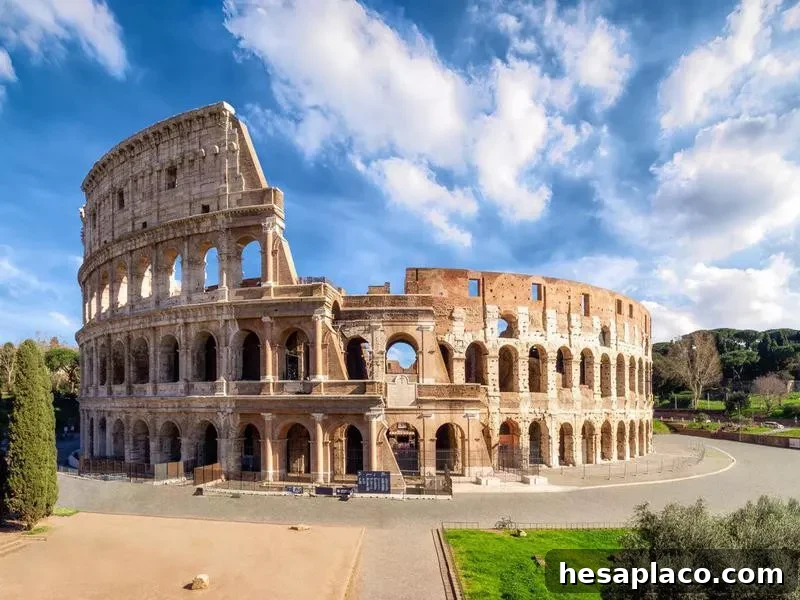
The Colosseum is the world’s largest ancient amphitheater. Eloi_Omella / Getty Images
Rome’s Colosseum, completed around 80 A.D., hosted a wide range of spectacles—gladiatorial contests, chariot races and staged naval battles—and remains one of the most important ancient structures worldwide.
55. Yokohama, Japan
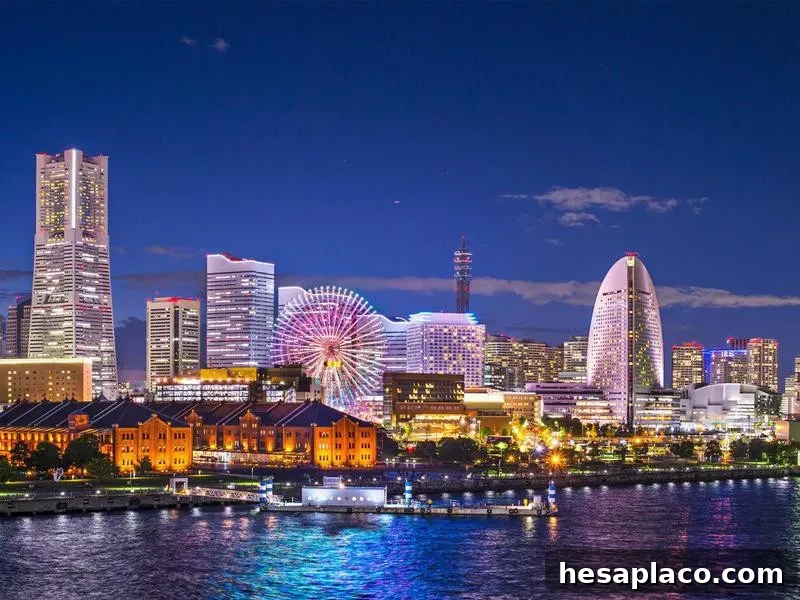
Yokohama is part of the vast Tokyo-Yokohama metropolitan area. SeanPavonePhoto / Getty Images
Population: 3.7 million (city), 38.3 million (metro)
Language: Japanese
Average temperature (summer): 78.2°F (25.7°C)
Average temperature (winter): 41.6°F (5.4°C)
Cultural Highlight: Yokohama
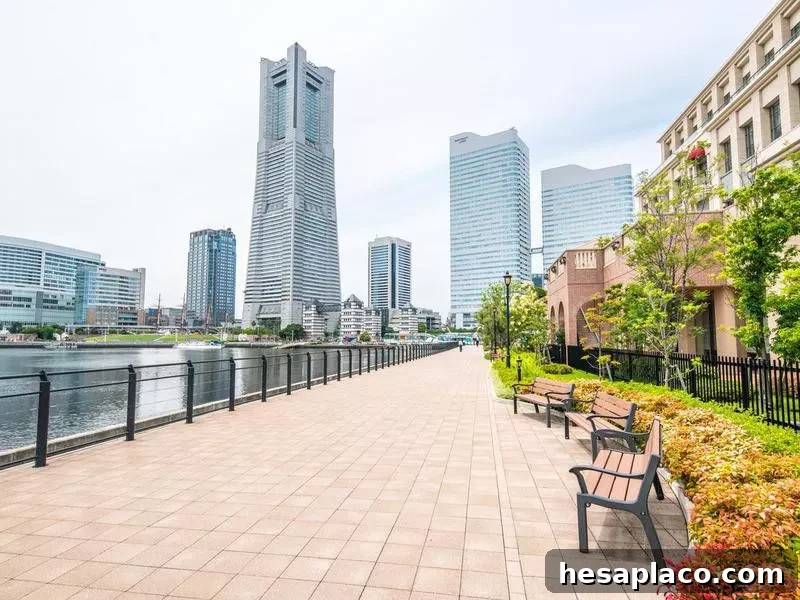
Yokohama is known for its striking modern architecture. Chunyip Wong / Getty Images
The Yokohama Museum of Art, open since 1989, features modern and contemporary works, including pieces by international masters and leading Japanese artists.
54. Philadelphia, Pennsylvania, United States
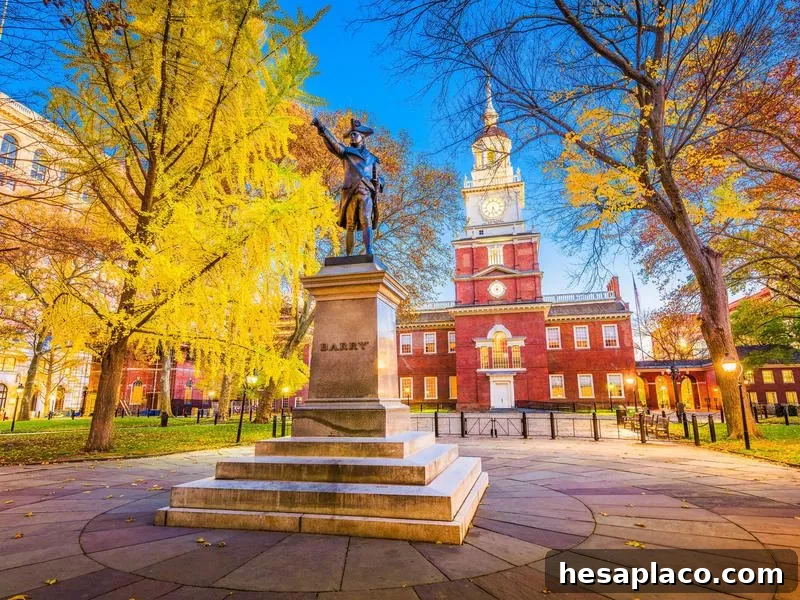
Philadelphia combines deep historical roots with lively neighborhoods. Getty Images
Population: 1.6 million (city), 6.1 million (metro)
Language: English
Average temperature (summer): 88°F (31°C)
Average temperature (winter): 40°F (4°C)
Cultural Highlight: Philadelphia

Geno’s Steaks and Pat’s King of Steaks are Philadelphia’s most famous cheesesteak spots. Getty Images
Visit Independence Hall, where the Declaration of Independence and the Constitution were debated and signed. And sample the city’s legendary cheesesteaks.
53. Washington, D.C., United States
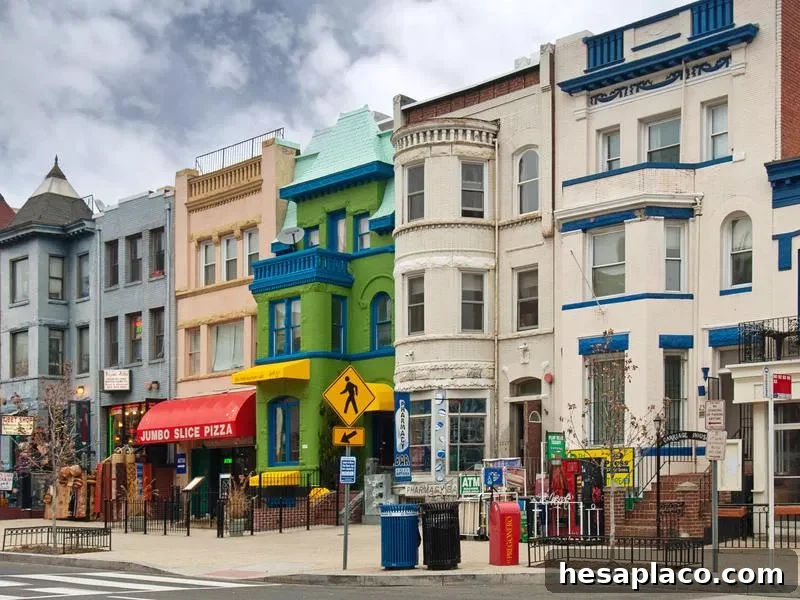
Washington, D.C., offers diverse neighborhoods and cultural institutions. Getty Images
Population: 694,000 (city), 6.1 million (metro)
Languages: English (primary), Spanish
Average temperature (summer): 88°F (31°C)
Average temperature (winter): 43°F (6°C)
Cultural Highlight: Washington, D.C.

The National Mall includes the Lincoln Memorial and the Washington Monument. Getty Images
The National Mall hosts iconic monuments and the Smithsonian museums, offering vast cultural and educational opportunities.
Note: Rankings and methodology are based on Mercer’s Quality of Living report. Temperature figures above were converted from the original Fahrenheit values where applicable.