
Owning a car can be expensive, but in many U.S. cities the time savings and convenience make it a worthwhile investment. For residents who value flexibility, faster commutes, and the ability to manage unpredictable schedules, a personal vehicle often delivers clear benefits. Below are cities where driving typically saves the most time compared with relying on public transportation, and why a car can make sense there.
Las Vegas

Credit: flickr
Las Vegas leads the list for daily time savings. On average, drivers cut their weekday commutes by roughly 52 minutes compared with public transit users — about nine days gained per year. For commuters and shift workers, that reclaimed time can translate into more sleep, family time, or productivity.
San Jose
Credit: Reddit
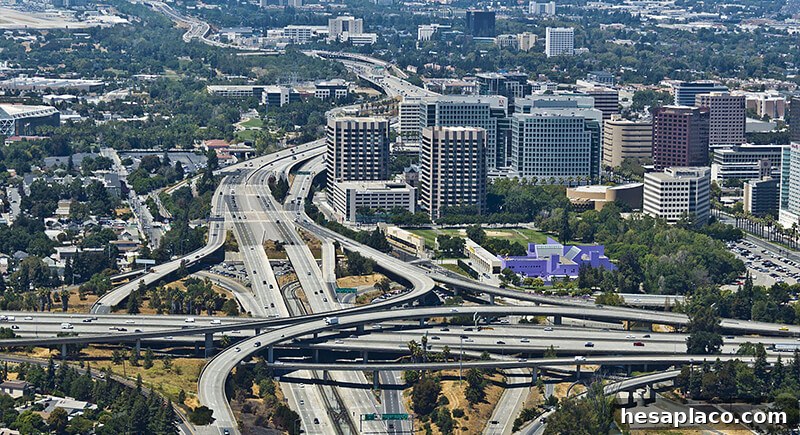
In San Jose, drivers save about 50.8 minutes per weekday over public transit riders. However, giving up a car could save nearly $7,500 a year, so residents often weigh time against cost. For those prioritizing career hours and efficiency, driving is attractive; for others focused on budgets, transit remains appealing.
Nashville

Credit: flickr
Nashville’s rapid growth has outstripped public transit expansion, so car owners gain significant commute time advantages. Drivers typically save more than 30 minutes each weekday, offering greater control over schedules and fewer evening delays — important in a city with expanding job centers and cultural destinations.
El Paso

Credit: Reddit
Public transit in El Paso is less developed, so commuters who ride buses lose nearly 47 minutes a day compared to drivers. For people with tight schedules or multiple obligations across town, driving often feels necessary rather than optional.
Fort Worth
Credit: Reddit
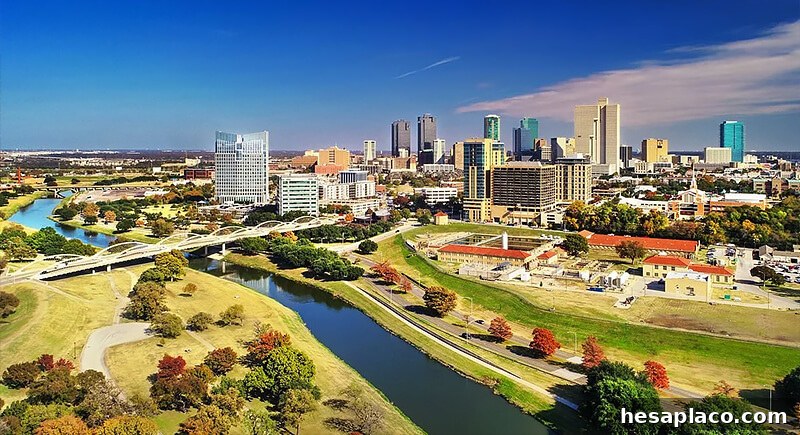
Commuters in Fort Worth save about 44.4 minutes each weekday by driving. The region’s low-density sprawl and limited transit options make car travel faster and more direct, translating to nearly eight extra days per year for people who prioritize time efficiency over vehicle expenses.
Raleigh

Credit: Reddit
Raleigh’s mid-size layout and limited transit corridors mean cars frequently outperform buses in speed. A daily time gain of around 30 minutes adds up to about five extra days a year. Paired with varied weather and dispersed activity centers, driving is often the simpler choice.
San Antonio
Credit: Reddit
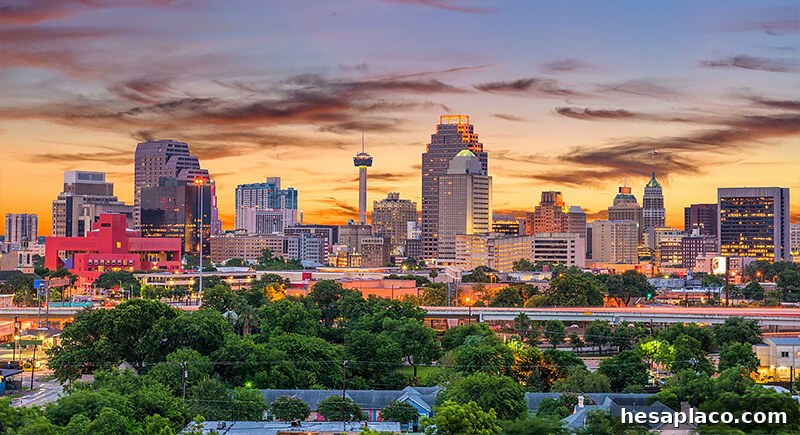
In San Antonio, driving cuts the average daily round-trip commute by about 42.3 minutes — more than seven days saved per year. Public transit has not scaled to meet demand, making personal vehicles the faster, more flexible option for many residents.
Phoenix

Credit: Reddit
With scorching summers and widely dispersed neighborhoods, Phoenix residents value the comfort and predictability a car provides. Drivers save about 41.3 minutes per day over transit users — roughly 7.2 days a year — making private vehicles a practical choice for many.
Detroit
Credit: Reddit
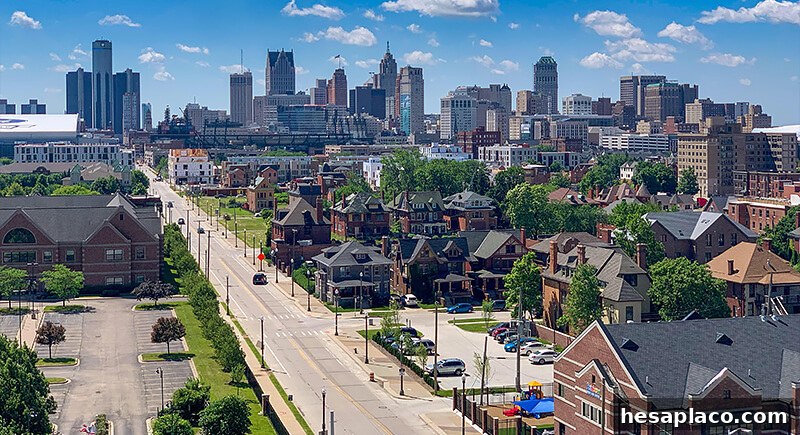
Detroit drivers typically shave about 40.5 minutes off their daily commute versus public transit users, returning roughly 7.1 days annually. Given the city’s automotive heritage and infrastructure oriented toward driving, a car often remains the most convenient option.
Indianapolis

Credit: Reddit
Car owners in Indianapolis save about 39.2 minutes a weekday because transit options are limited outside central neighborhoods. The city’s layout favors driving, and that nearly seven-day annual time advantage can reduce morning stress and evening rushes.
San Diego

Credit: Reddit
San Diego drivers save about 38.9 minutes per day, while those who go car-free can save roughly $8,676 annually—a rare case where both time and cost trade-offs are significant. The best option depends on whether you prioritize financial savings or faster daily travel.
Charlotte

Credit: Reddit
Charlotte’s growing economy has brought more traffic, and while transit is improving, drivers still enjoy a clear time advantage. The convenience of hopping in your car without coordinating schedules or transfers often outweighs maintenance costs for busy households.
Columbus

Credit: flickr
In Columbus, car owners save about 37.3 minutes per day, totaling roughly 6.5 days a year. Limited direct bus service between suburbs and jobs makes driving a more efficient option for many commuters, especially those living outside the urban core.
Atlanta

Credit: flickr
While Atlanta doesn’t rank in the top ten for time savings, its sprawling metro area and limited rapid transit make driving the practical choice for many. Slow MARTA service and long distances between destinations mean most residents find a car essential to stay on time.
Tampa
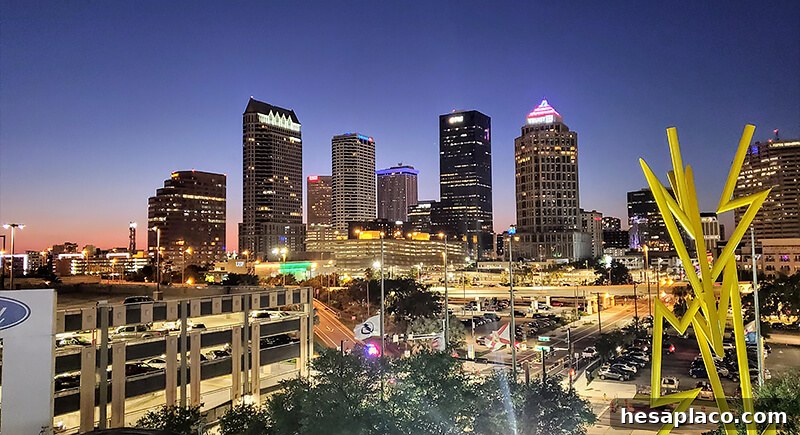
Credit: Reddit
Tampa’s transit system is relatively small and slow, so short trips on buses can take far longer than by car. For families and workers juggling multiple stops, a personal vehicle often shifts from luxury to necessity.
Louisville

Credit: Wikimedia Commons
In Louisville, daily life often involves traveling across spread-out neighborhoods for errands, school, and work. While TARC provides regional transit, having a car simplifies trips and avoids circuitous routes that add time to routine tasks.
Oklahoma City

Credit: Wikimedia Commons
Oklahoma City’s low-density design favors car travel. Although EMBARK and other services offer buses, streetcars, and bike share, a personal vehicle often makes it easier to connect suburbs, workplaces, and late-evening stops. For residents with varied schedules, driving keeps the day moving efficiently.
Ultimately, whether a car is worth the cost depends on your priorities: time savings, convenience, and schedule control versus the expenses of ownership. In the cities listed above, the balance often tips in favor of a vehicle because the time reclaimed and the flexibility gained outweigh the financial trade-offs for many people.