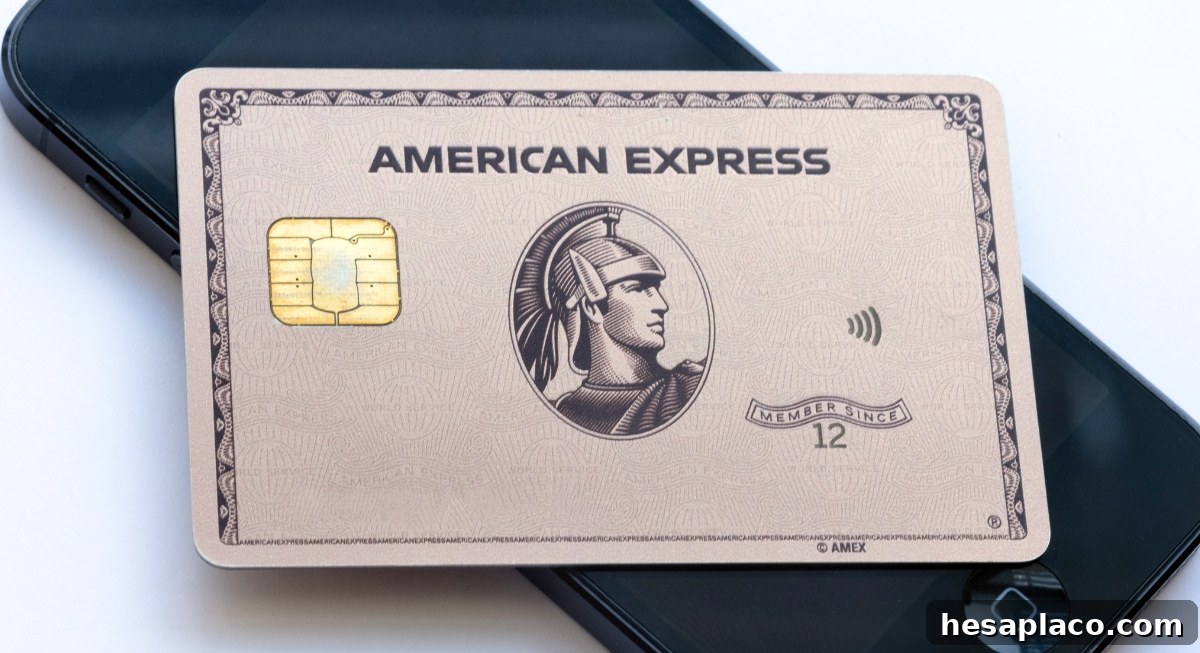
American Express has been a fixture in Berkshire Hathaway’s portfolio for so long that many investors scarcely notice it anymore. Yet it remains one of Berkshire’s largest holdings—second only to Apple—and there are clear signs that Warren Buffett’s confidence in the company has not wavered. If anything, Berkshire’s commitment to American Express appears as strong now as it has ever been, which helps explain why this investment has endured for decades.
Decades of Ownership, No Rush to Sell
Credit: Wikimedia Commons
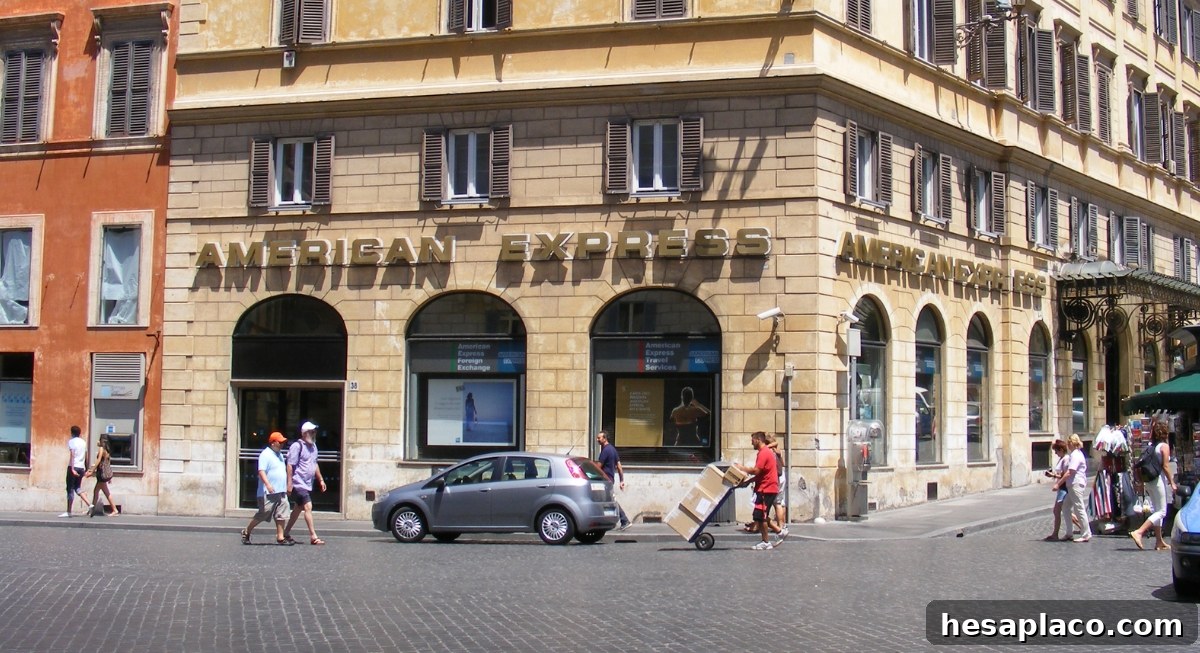
Berkshire Hathaway established its stake in American Express many years ago and has kept it through numerous market cycles. Consumer behavior shifts and leadership changes have come and gone, but the holding has largely remained intact. Berkshire’s management continually cites characteristics that justify keeping American Express near the top of the portfolio rather than treating it as a short-term trade.
Now Berkshire’s Second-Biggest Position
Credit: Getty Images
Portfolio weightings can change when Berkshire trims a holding or adds a new one, but American Express has remained close to the top. Making up roughly 14% of Berkshire’s equity holdings, it represents an investment measured in tens of billions of dollars. Many companies have rotated in and out of Berkshire’s portfolio, yet American Express has retained a prominent position.
Greg Abel Has Left the Position Intact

Credit: Facebook
When Greg Abel was promoted to CEO, some investors wondered whether Berkshire’s portfolio strategy would shift. So far, American Express remains one of the company’s largest holdings, and Abel has not altered that position. While he has shown an appetite for new investments, he has given no indication that Berkshire’s longstanding conviction in American Express is weakening.
Affluent Customers Continue to Spend

Credit: Getty Images
American Express attracts a customer base that generally has higher incomes than the average cardholder, and that matters during periods of economic uncertainty. Company executives have pointed to solid spending trends in restaurants, travel, and entertainment—categories that often signal resilient consumer behavior. When consumers tighten their belts, AmEx’s affluent users tend to sustain spending patterns better than many competitors’ cardholders.
The Business Controls More of the Transaction

Credit: pexels
Unlike Visa and Mastercard, which primarily operate payment networks, American Express issues cards and operates its own network. That vertical integration gives AmEx direct relationships with both merchants and cardholders, enabling it to capture revenue at multiple points in the payment flow and to collect rich customer data that can inform product development and marketing.
Premium Cardholders Pay to Participate

Credit: Canva
Many businesses compete on price, but American Express has built a significant part of its model around premium offerings and annual fees that can reach into the hundreds of dollars. Customers are often willing to pay those fees because they value rewards programs and exclusive perks. When card benefits are viewed as part of a customer’s lifestyle rather than a mere payment tool, raising fees becomes more acceptable.
Revenue Growth Remains Consistently Solid
Credit: Canva
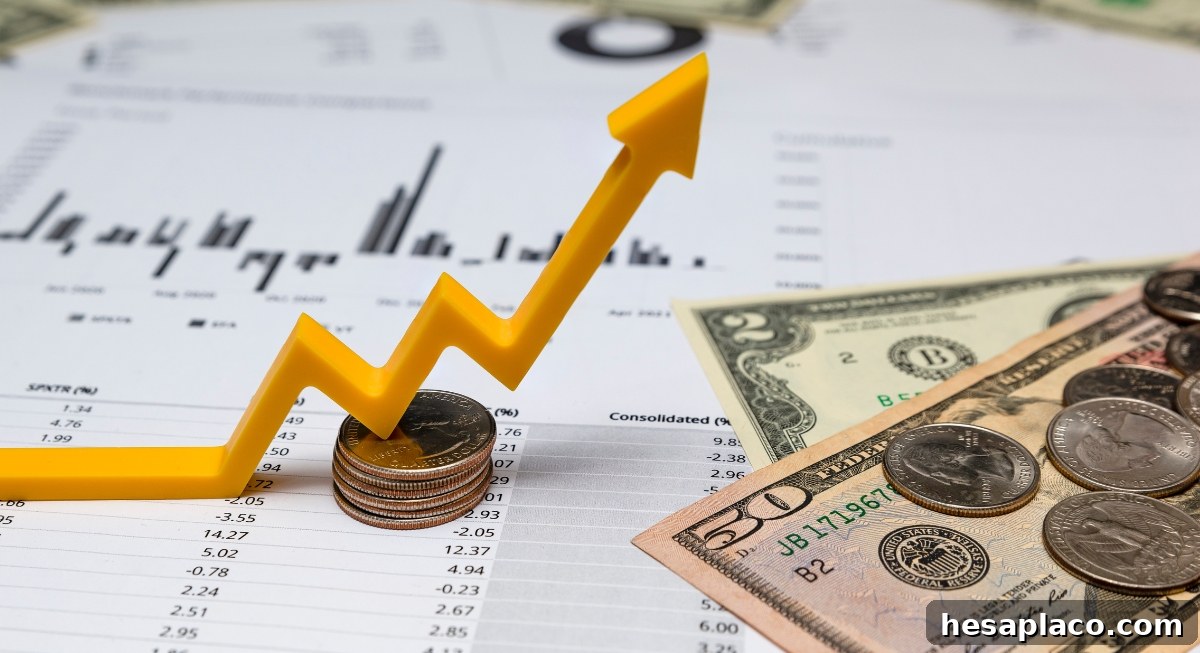
Recent quarterly results highlighted American Express’s resilience: revenue grew at a double-digit pace and earnings rose even faster. While markets tend to react to short-term earnings surprises, Berkshire focuses on long-term, consistent growth. A steady upward trend in revenue and earnings matters more to the firm than one-off market reactions.
Management Is Comfortable With Its Outlook

Credit: Getty Images
Investors sometimes react when a company does not raise guidance. American Express recently maintained its existing forecasts rather than increasing them, which prompted a cautious market response. Even so, the guidance still points to healthy growth. Berkshire’s approach is not driven by quarterly excitement; it values companies that set realistic expectations and execute consistently over time.
The Brand Conveys Real Status
Credit: pexels
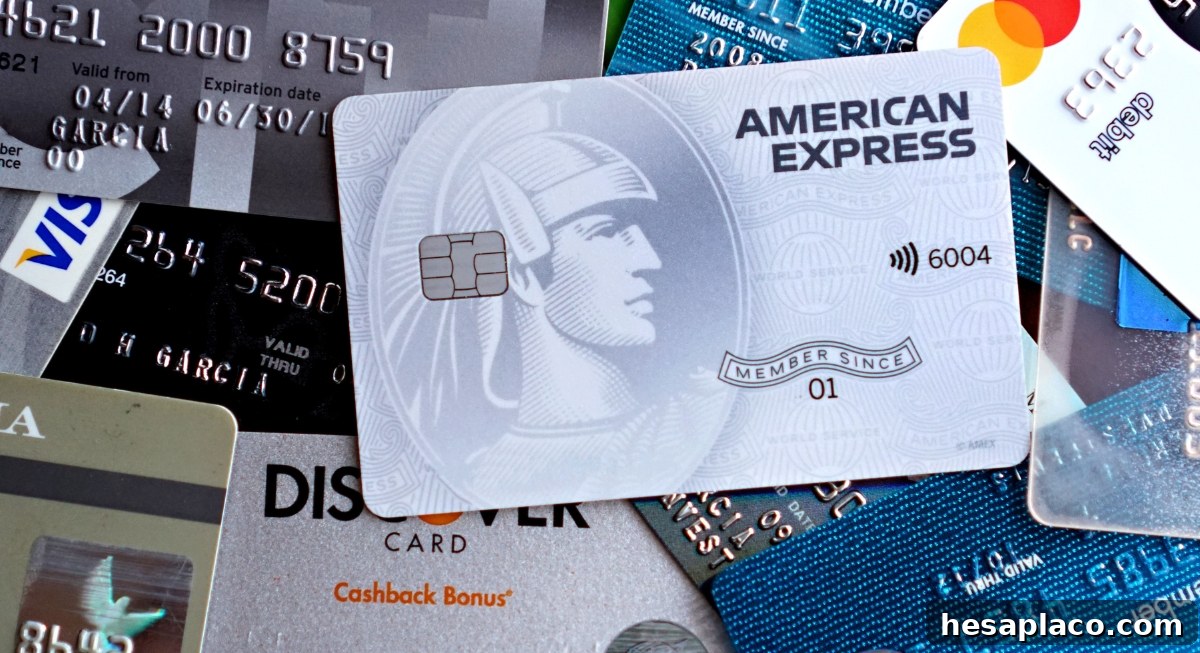
Possessing certain American Express cards is often perceived as a marker of financial success—a reputation built over decades and hard to replicate. Berkshire frequently invests in brands that inspire customer loyalty beyond mere product features, and AmEx benefits from that intangible brand equity. Strong brand recognition and association with prestige can support profitability for many years.
Strong Performance in Tough Times

Credit: Wikimedia Commons
The 2008 financial crisis tested nearly every major financial company. American Express faced rising defaults and broad economic pressure, yet its revenue still increased that year—an outcome that underlines how the company manages through stress. Investors remember performance during crises because it reveals a company’s resilience; AmEx has shown repeatedly that it can withstand conditions that overwhelm weaker competitors.
In sum, Berkshire Hathaway’s long-term attachment to American Express reflects a mix of stable customer behavior, a differentiated business model, reliable revenue growth, valuable brand equity, and a management team comfortable with prudent guidance. Those traits help explain why the holding remains one of Berkshire’s most enduring and substantial investments.