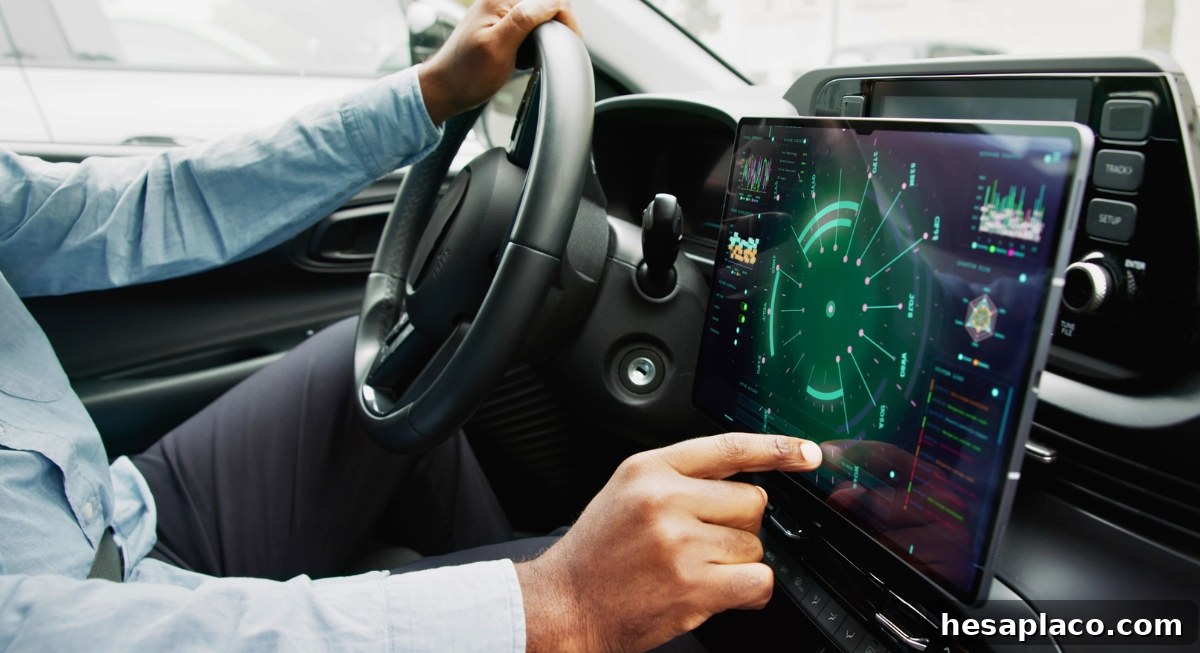
The 2026 Beijing Auto Show made one thing clear: electric vehicles are no longer judged solely by battery capacity or charging speed. Across the exhibition halls, automakers showcased cars that focus on the in-cabin experience—vehicles that listen, respond, learn driver preferences, and help with everyday tasks. Smart cockpits and artificial intelligence have become central selling points, turning the dashboard into one of the auto industry’s most competitive battlegrounds.
AI Assistants Are Now a Core Selling Point
Credit: Canva
At the show, companies presented AI assistants capable of natural conversation and complex interactions. Chinese technology firms such as ByteDance, Alibaba, and Tencent appeared alongside automakers, underlining that the software experience is now a major factor in purchasing decisions. These assistants are designed to handle more than simple voice commands—they aim to deliver a conversational, helpful presence in the car.
Price Wars Are Losing Their Edge
Credit: Wikimedia Commons
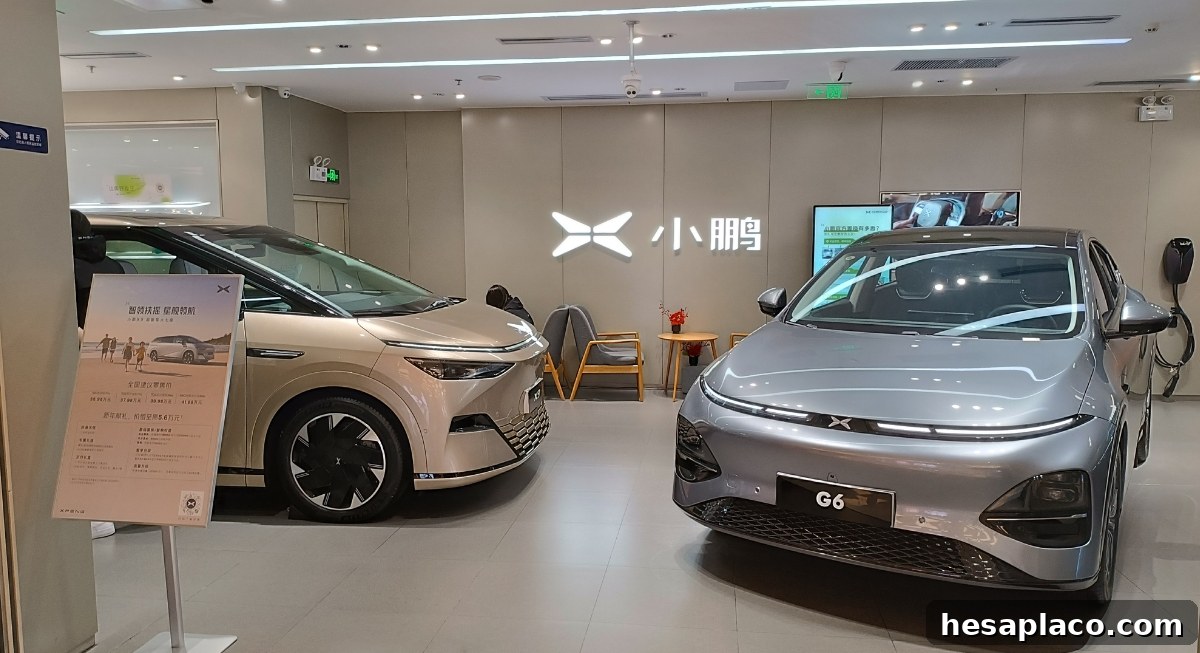
For years, China’s electric vehicle market competed primarily through aggressive pricing and promotions, a strategy that boosted volume but squeezed profit margins. Smart cockpit technology gives brands a new way to differentiate. Rather than fighting over price cuts of a few thousand yuan, manufacturers can offer richer, personalized in-car experiences that justify higher value and build customer loyalty.
Drivers Expect Cars to Handle Everyday Tasks

Credit: Getty Images
Modern cockpit systems increasingly resemble digital personal assistants. Demonstrations included ordering food, booking hotels, buying attraction tickets, checking deliveries, and managing calendars by voice. These capabilities mirror how people already use smartphones, extending familiar convenience into the vehicle so daily tasks can be managed safely while on the move.
Big Tech Wants a Place on the Dashboard
Credit: pexels
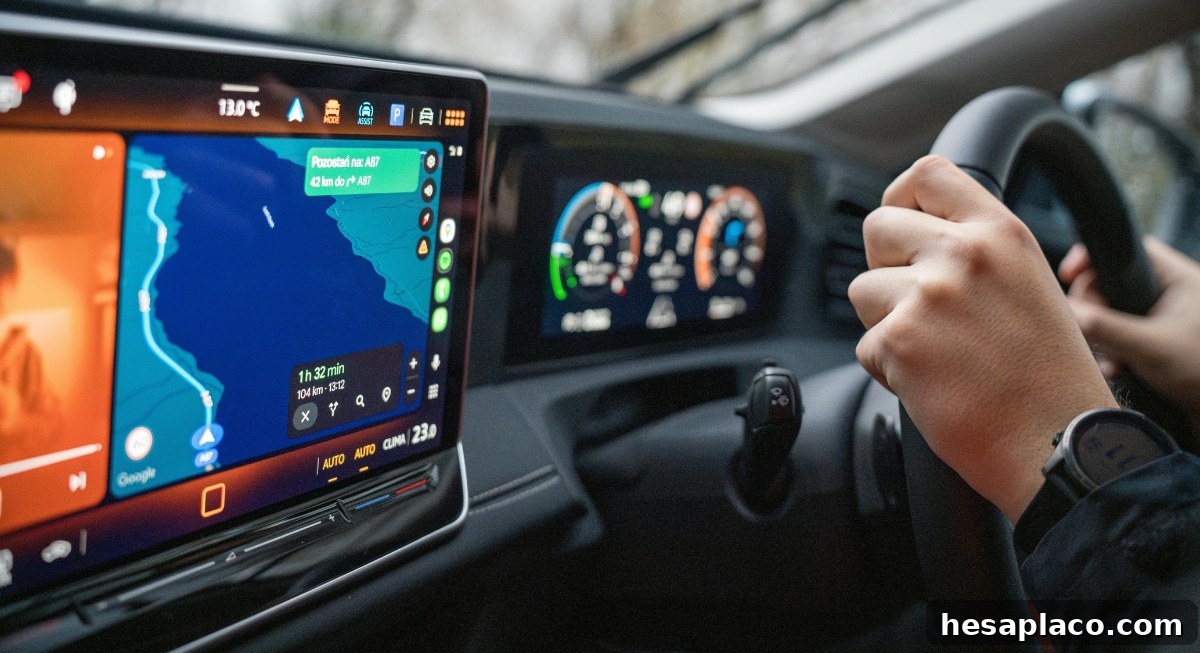
Platforms such as ByteDance’s Doubao and Alibaba’s Qwen are already powering millions of in-car interactions across China. The dashboard is now valuable digital real estate because it gives tech companies direct, daily access to users. Automakers partner with these firms to integrate services that keep drivers connected to entertainment, payments, navigation, and AI-driven features.
Smart Cockpits Are Shaping Vehicle Design
Credit: Wikimedia Commons
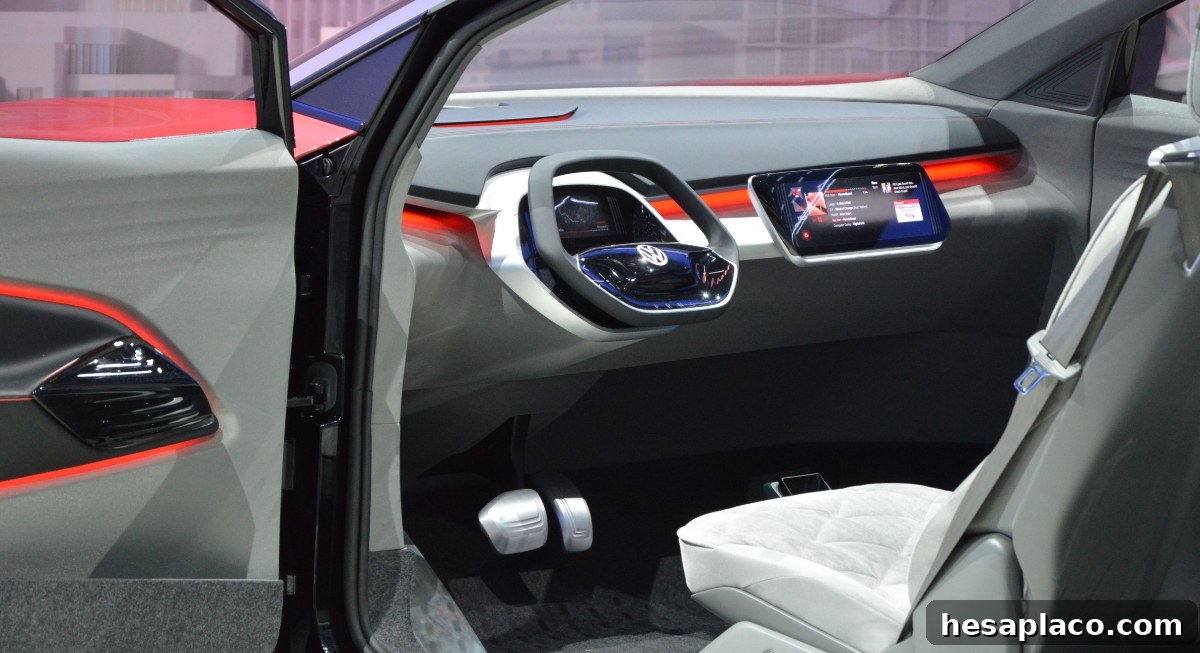
Where once large touchscreens served mainly as eye-catching features, the focus has moved to how multiple displays and inputs work together. Automakers showed integrated systems that connect navigation, entertainment, climate controls, communication, and AI assistants into unified ecosystems. Designers now build cabins around software experiences instead of treating technology as an optional add-on.
Cars Are Learning Context and Memory
Credit: Canva
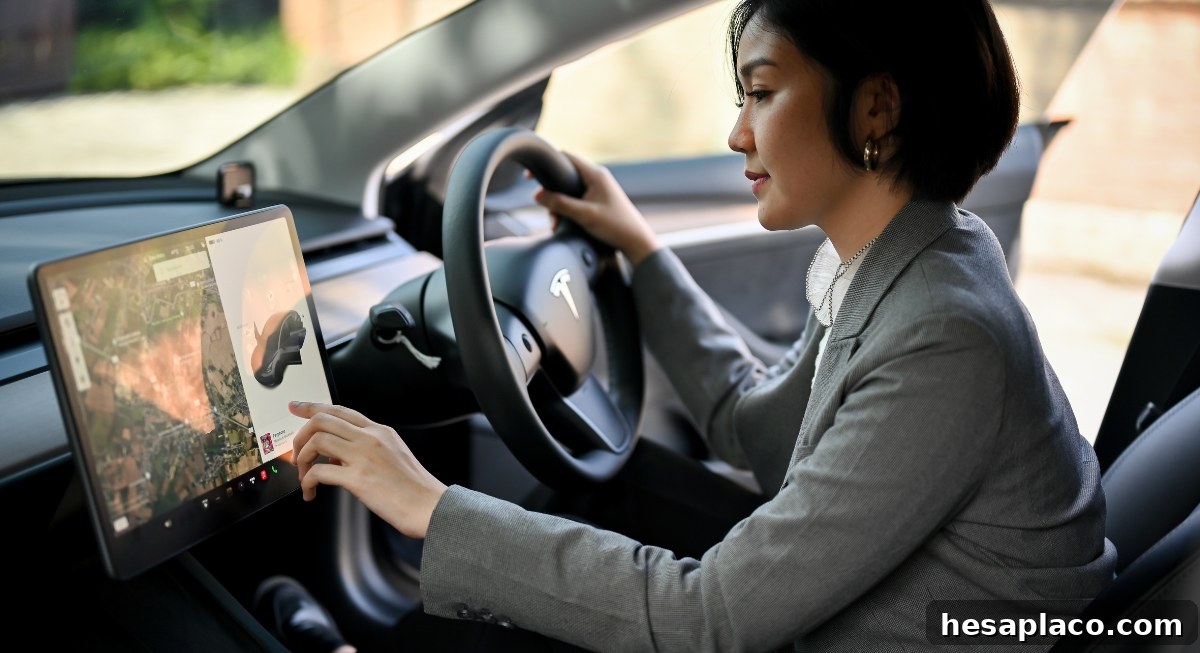
The newest AI assistants move beyond simple command-and-response behavior. Several manufacturers demonstrated systems that interpret vague requests and remember prior interactions. For example, a driver might ask to navigate to a restaurant visited earlier in the week or request a route similar to a prior trip. This contextual understanding makes conversations feel more natural and less mechanical.
Software Updates Keep Competition Active

Credit: Canva
Unlike traditional vehicle features that rarely changed after sale, smart cockpits follow a software-centric model. Manufacturers can deliver new functions via over-the-air updates months or years after purchase. That means the competitive race continues well after the showroom: a car revealed this spring could receive significant feature upgrades by winter, pressuring rivals to push useful updates more frequently.
Domestic Brands Turn Software Into an Advantage
Credit: Wikimedia Commons
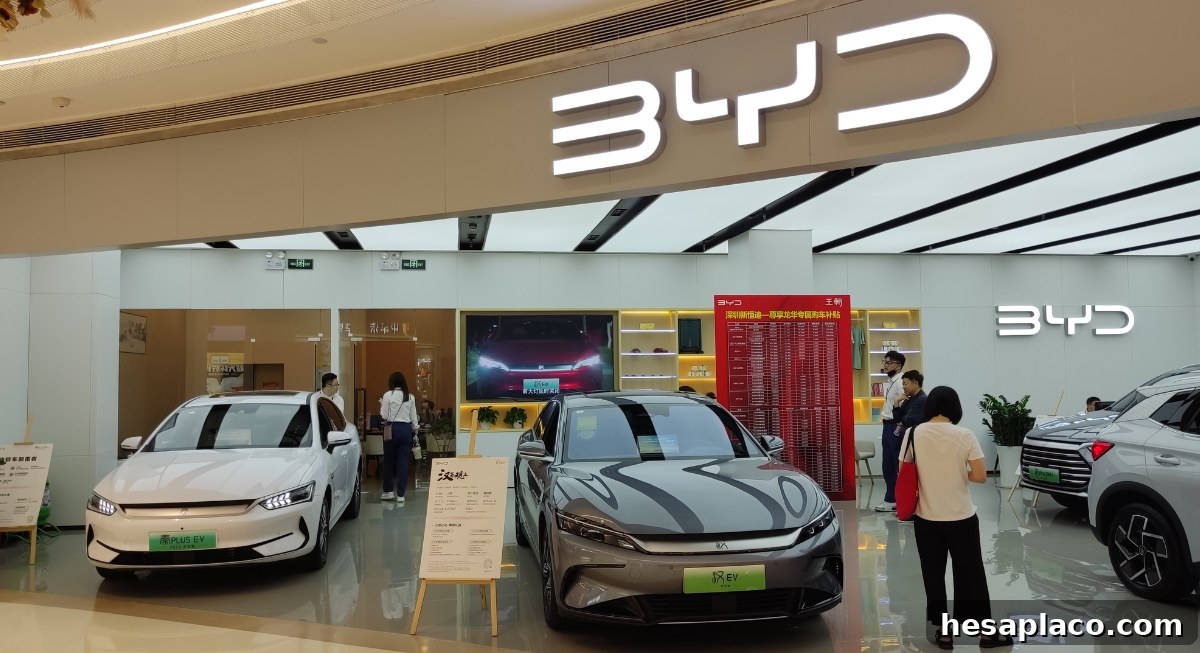
Chinese automakers have excelled at integrating local digital services into vehicles. Navigation, payment systems, entertainment apps, and AI assistants are combined in ways that reflect local habits and expectations. Global brands are responding by increasing partnerships with Chinese tech companies. The Beijing show highlighted that software localization is now as crucial as mechanical engineering in winning customers in China’s auto market.
Multi-Modal Interaction Is Replacing Simple Voice Commands
Credit: pexels
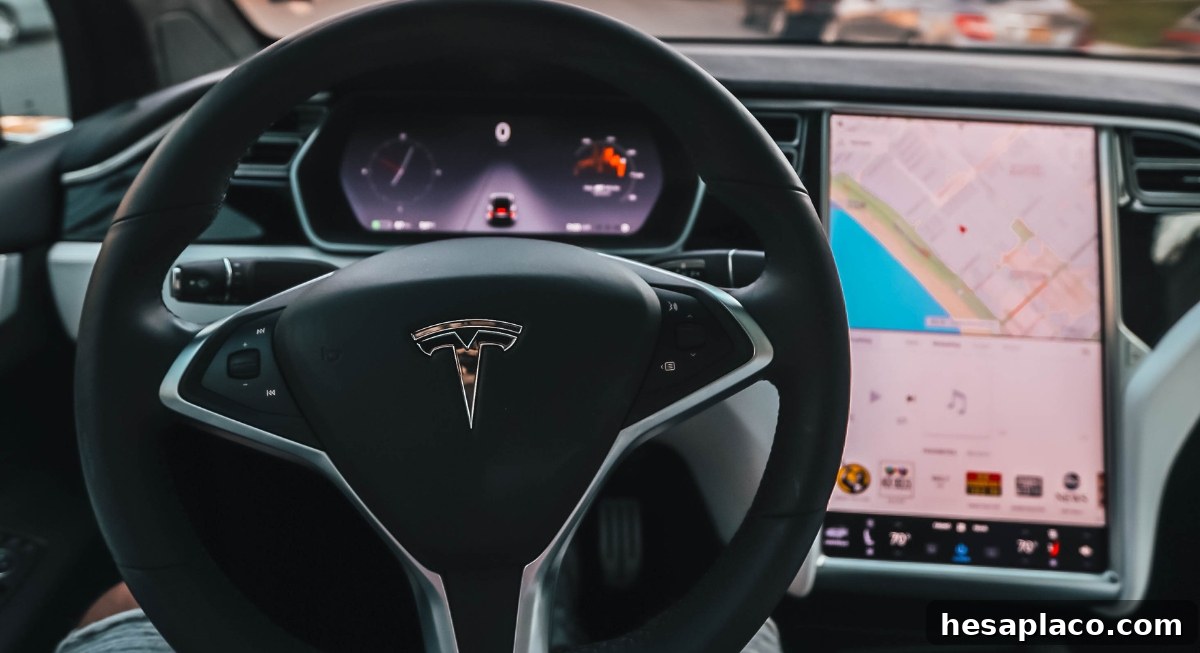
New cockpit systems combine voice recognition with cameras, gesture controls, eye tracking, and occupant monitoring. By interpreting multiple inputs simultaneously, vehicles can respond more accurately and naturally, reducing the need for drivers to navigate menus or touchscreens while on the move. The result is a safer, more seamless interaction model tailored to real driving scenarios.
These Innovations Are Likely to Spread Globally

Credit: Getty Images
Features introduced in China often spread internationally, and many technologies showcased in Beijing are likely to appear in other markets as consumer expectations change. The smartphone industry offers a precedent: innovations that launched regionally eventually became global standards. Automakers recognize that today’s cockpit experiments could shape what drivers in North America and Europe expect from future vehicles.