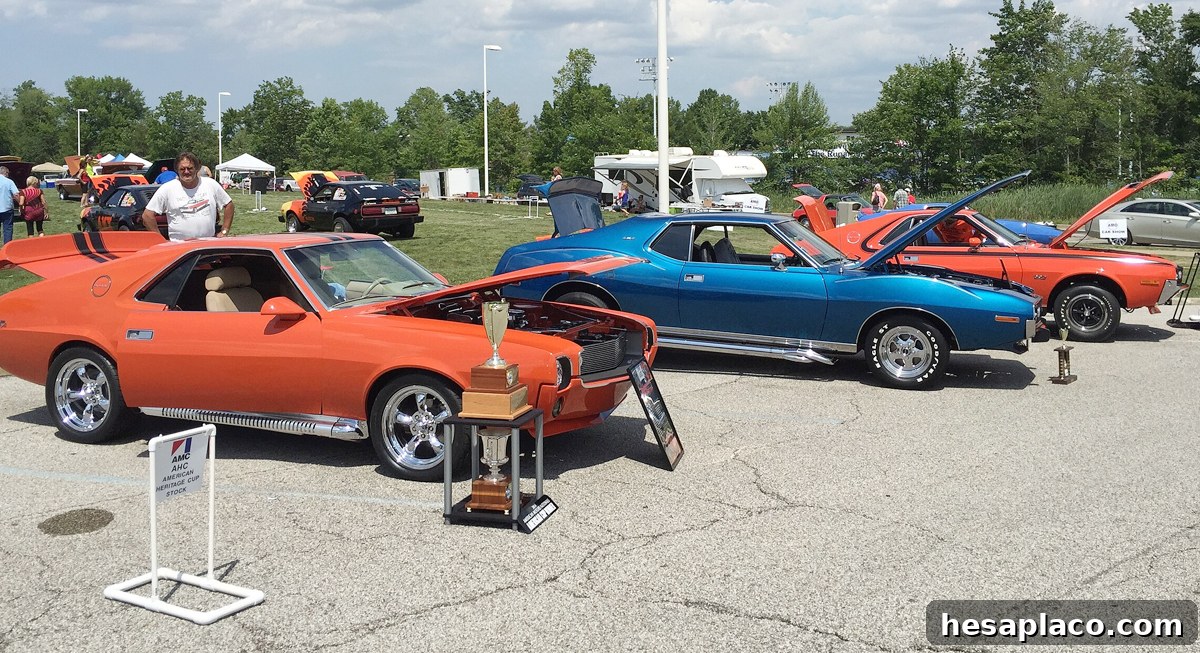
The deep rumble of a classic muscle car still turns heads and commands the road. These machines are pieces of automotive history that continue to inspire passion among drivers and collectors. Below is a curated selection of iconic muscle cars, described in clear, engaging English and optimized for search visibility.
Shelby Cobra 427 (1965–1967)
Credit: flickr
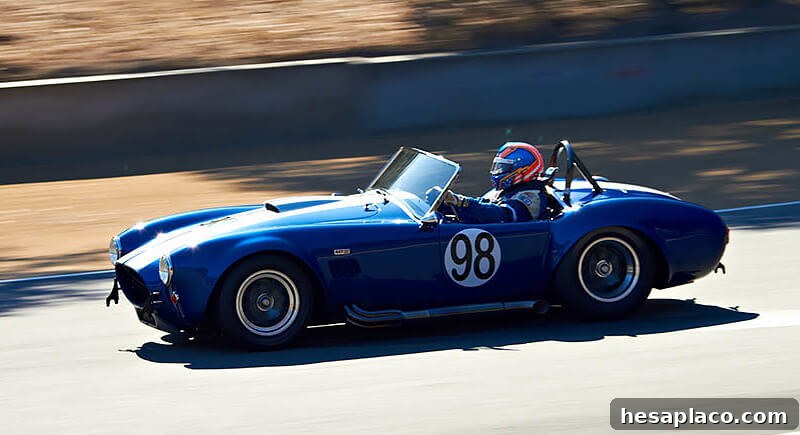
The Shelby Cobra 427 blended British sports car styling with raw American power. Built on a lightweight chassis and fitted with a 7.0-liter V8, it produced roughly 485 horsepower. That output let the Cobra sprint from 0 to 60 mph in about 4.3 seconds and cover the quarter-mile in roughly 12.2 seconds at 118 mph. Its combination of agility and brute force established the Cobra as a timeless performance icon.
Chevrolet Camaro ZL1 (1969)
Credit: flickr
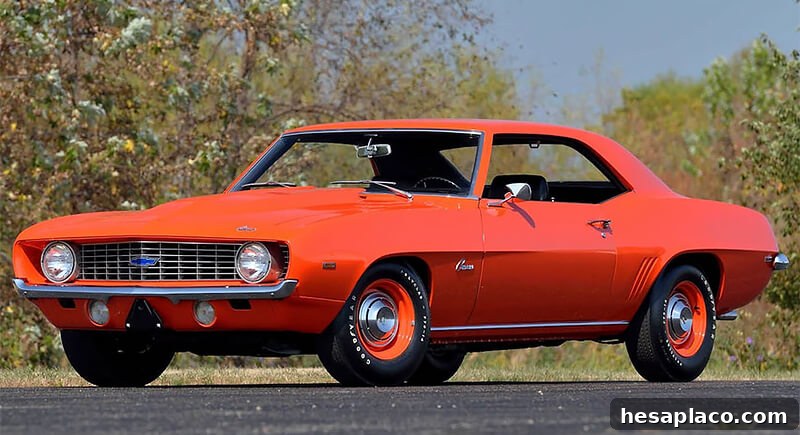
Developed under Chevrolet’s COPO program, the 1969 Camaro ZL1 featured an all-aluminum 427 cubic-inch V8. While officially rated at 430 horsepower, real-world figures often topped 500 horsepower. That power translated to a 0–60 mph time near 5.3 seconds and a quarter-mile around 13.16 seconds at 110 mph, making the ZL1 one of the most potent factory Camaros of its era.
Chevrolet Chevelle SS454 LS6 (1970)
Credit: Reddit
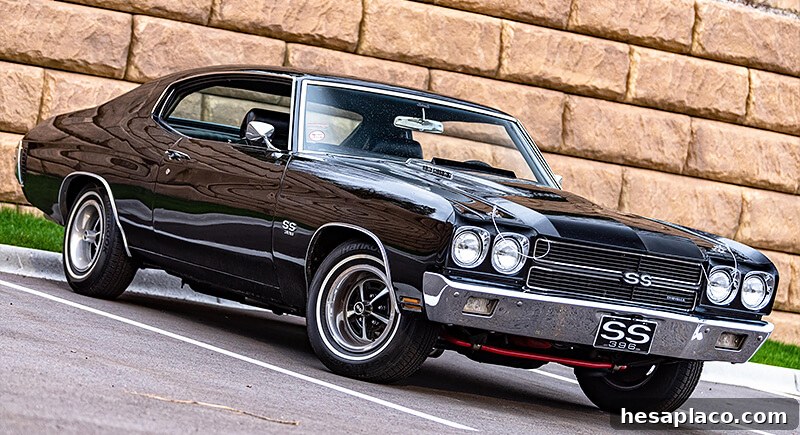
The 1970 Chevelle SS454 LS6 was a dominant presence on the street and strip. Its 454 cubic-inch V8 produced about 450 horsepower and 500 lb-ft of torque, delivering muscular acceleration: roughly 0–60 mph in 6.0 seconds and a quarter-mile time of about 13.44 seconds at 108 mph. The Chevelle combined straight-line speed with a bold, aggressive look.
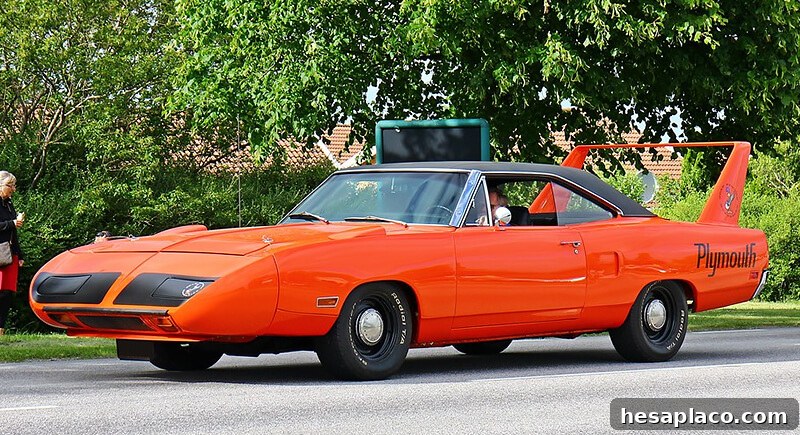
Plymouth Road Runner Superbird (1970)
Credit: flickr
Designed for NASCAR homologation, the 1970 Plymouth Superbird is instantly recognizable for its aerodynamic nose and tall rear wing. Under the hood sat a 426 cubic-inch Hemi V8 rated at 425 horsepower, giving it 0–60 mph in approximately 4.8 seconds and a quarter-mile around 13.5 seconds at 105 mph. Its unique styling and racing purpose make the Superbird a prized collector’s car.
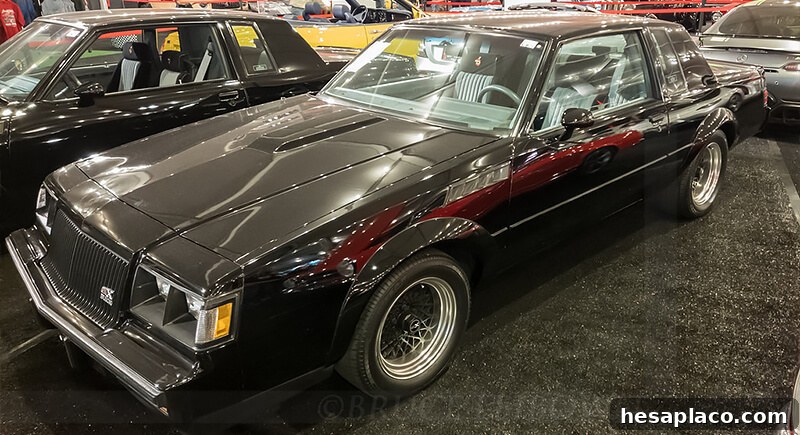
Buick GNX (1987)
Credit: flickr
Produced in a limited run of 547 units, the 1987 Buick GNX became an 1980s performance legend. Its turbocharged 3.8-liter V6 delivered 276 horsepower and 360 lb-ft of torque, but the GNX’s tuning and traction control helped it feel faster than the numbers suggested: 0–60 mph in about 4.7 seconds and a quarter-mile near 13.5 seconds at 102 mph. Its rarity and surprising pace cemented its reputation.
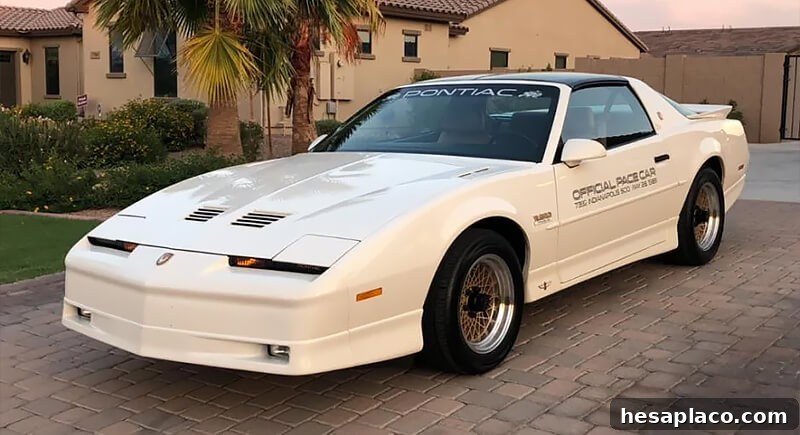
Pontiac Turbo Trans Am (1989)
Credit: Reddit
Celebrating the Trans Am’s 20th anniversary, the 1989 Turbo Trans Am used a turbocharged 3.8-liter V6 tuned to produce 250 horsepower and 340 lb-ft of torque. This setup delivered brisk performance for the era: roughly 0–60 mph in 4.6 seconds and a quarter-mile in about 13.4 seconds at 101 mph. The car combined distinctive styling with an emphasis on mid-range torque.
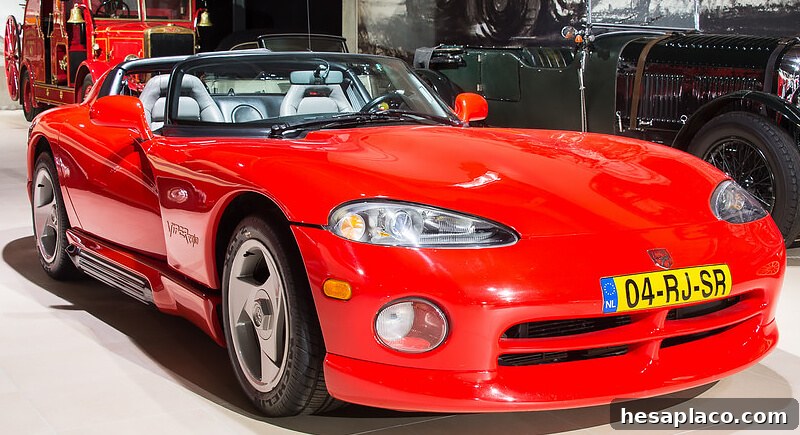
Dodge Viper RT/10 (1992)
Credit: flickr
Deliberately raw and focused, the 1992 Dodge Viper RT/10 stripped away excess electronics to showcase its 8.0-liter V10. With 400 horsepower and 465 lb-ft of torque, the Viper reached 60 mph in around 4.5 seconds and ran the quarter-mile in about 12.9 seconds at 113 mph. Its visceral driving experience and distinctive V10 made it an instant classic.
Saleen S351 (1997–1998)
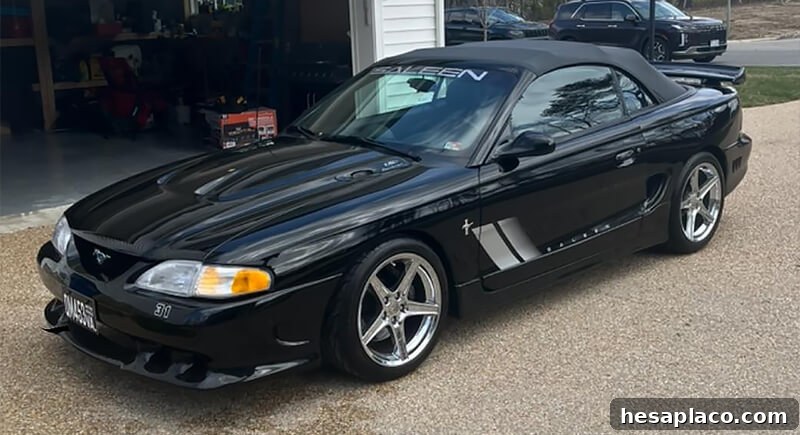
Credit: Facebook
The Saleen S351 went beyond being a modified Mustang. Its supercharged 5.8-liter V8 produced about 495 horsepower and 490 lb-ft of torque, delivering a 0–60 mph time near 4.4 seconds and a quarter-mile in 12.9 seconds at 116 mph. With upgraded suspension, brakes, and aerodynamics, the S351 was a standout performance car of the late 1990s.
Ford Mustang Cobra R (2000)
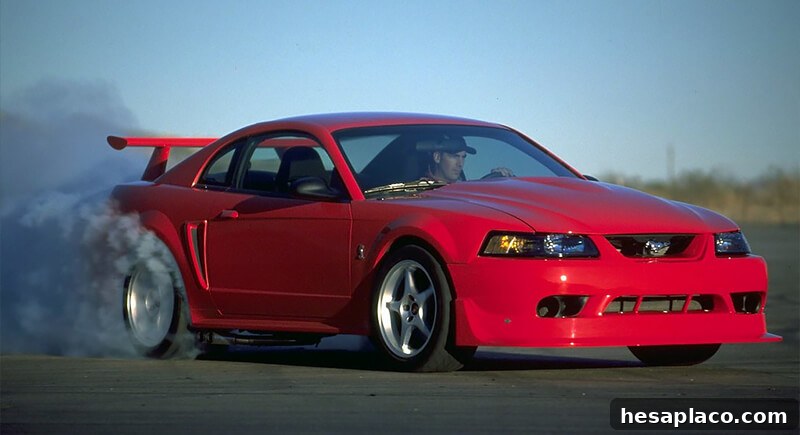
Credit: flickr
Built for track enthusiasts and limited to just 300 units, the 2000 Ford Mustang Cobra R featured a 5.4-liter DOHC V8 with 385 horsepower and 385 lb-ft of torque. It achieved 0–60 mph in about 4.7 seconds and covered the quarter-mile in roughly 13.2 seconds at 110 mph. The Cobra R emphasized lightweight construction and track-ready components.
Shelby GT350R (2016)
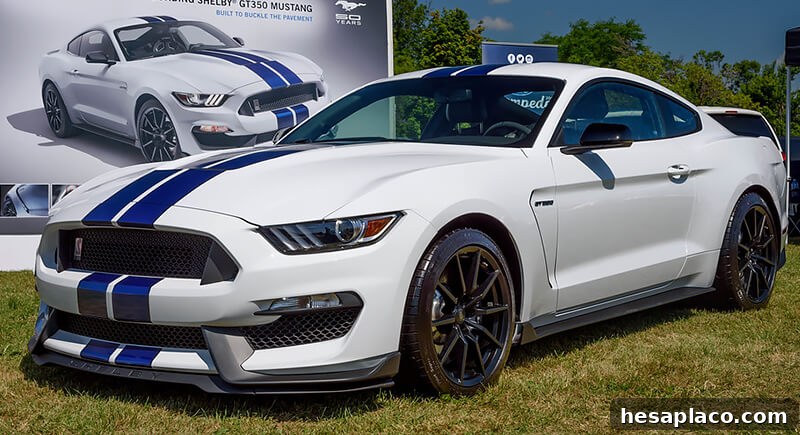
Credit: flickr
The 2016 Shelby GT350R delivered modern-muscle performance with a 5.2-liter flat-plane-crank V8 producing 526 horsepower and 429 lb-ft of torque. It accelerated from 0 to 60 mph in approximately 3.9 seconds and ran the quarter-mile in about 12.2 seconds at 119 mph. With track-focused tuning, aerodynamic enhancements, and precise handling, the GT350R appealed to drivers seeking circuit-capable performance.
Dodge Challenger SRT Demon (2018)
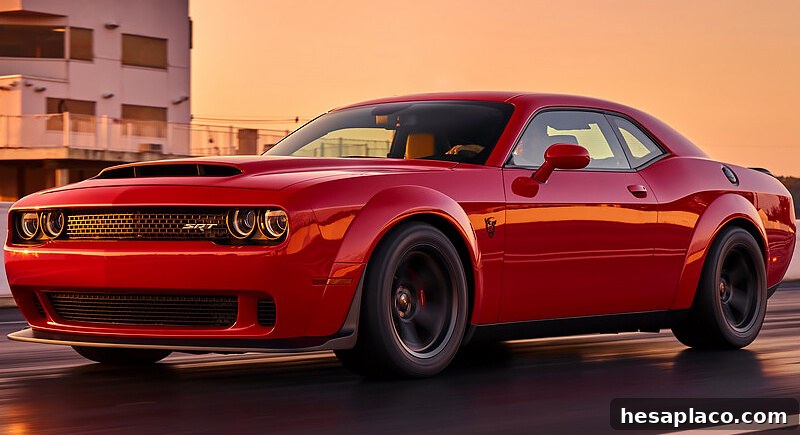
Credit: flickr
Engineered specifically for drag racing, the 2018 Dodge Challenger SRT Demon pushed the limits with a supercharged 6.2-liter V8 capable of 840 horsepower on race fuel. This extreme tuning produced an astonishing 0–60 mph time of around 2.3 seconds and a quarter-mile of about 9.65 seconds, setting new standards for factory straight-line acceleration.
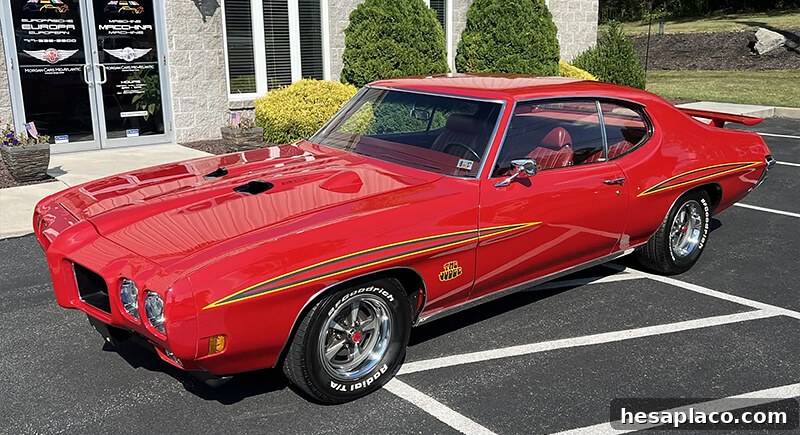
Pontiac GTO Judge Ram Air IV (1970)
Credit: flickr
The 1970 Pontiac GTO Judge Ram Air IV combined flamboyant styling with strong performance. Powered by a 400 cubic-inch V8 rated at about 370 horsepower, it reached 60 mph in just over 5 seconds and completed the quarter-mile in the low 13-second range. The Judge’s bold graphics and performance credentials made it a standout of the muscle-car era.
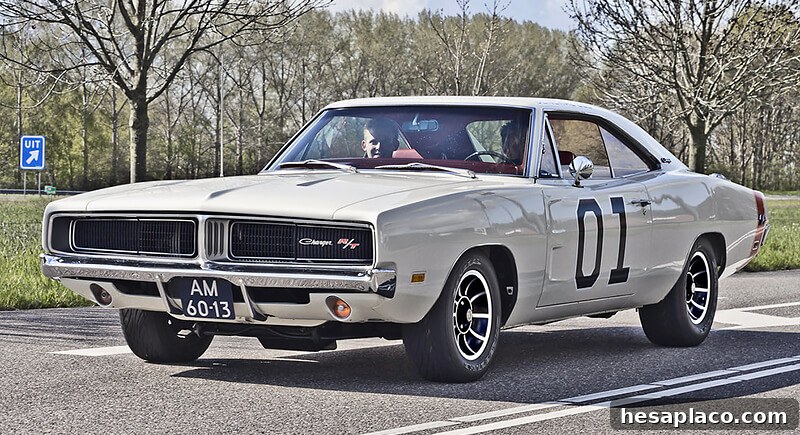
Dodge Charger R/T 426 Hemi (1969)
Credit: flickr
The 1969 Dodge Charger R/T equipped with the legendary 426 Hemi commands attention. The Hemi’s 425 horsepower and 490 lb-ft of torque propelled the Charger to 60 mph in about 5.5 seconds and delivered a quarter-mile time near 13.5 seconds. Its muscular styling and impressive engine made it an enduring symbol of American performance.
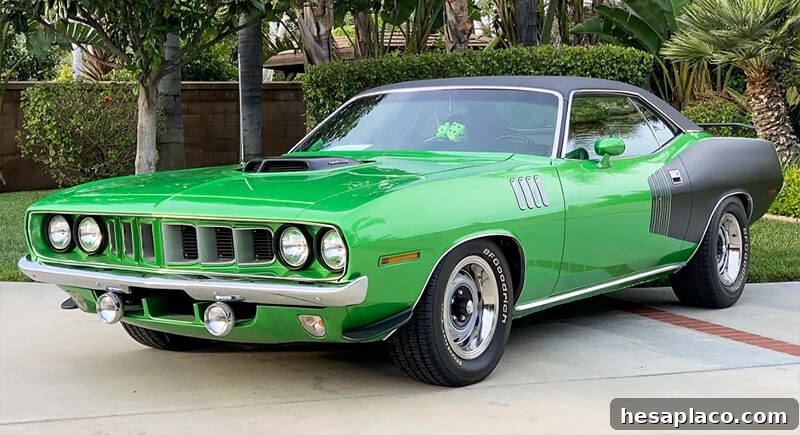
Plymouth Hemi ‘Cuda (1971)
Credit: Reddit
The 1971 Plymouth Hemi ‘Cuda remains one of the most collectible muscle cars. Powered by a 426 Hemi producing about 425 horsepower and 490 lb-ft of torque, it could accelerate to 60 mph in under 6 seconds and finish the quarter-mile in just over 13 seconds. Its aggressive styling and rarity make the Hemi ‘Cuda highly sought after.
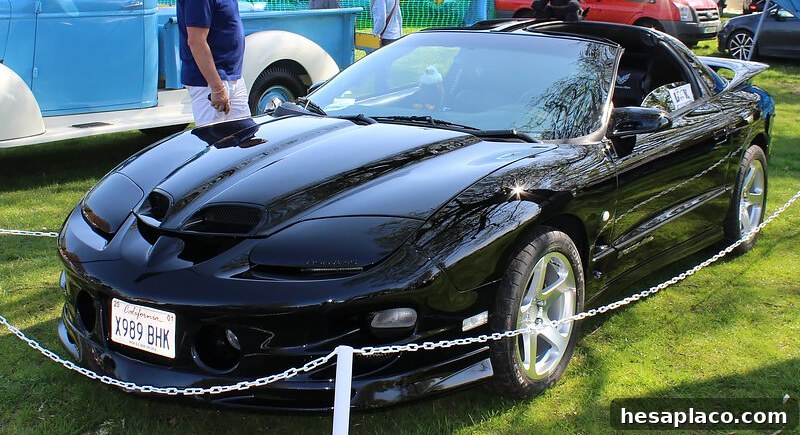
Pontiac Trans Am WS6 (2001–2002)
Credit: flickr
The Pontiac Trans Am WS6 marked a final, powerful chapter for the brand. Its 5.7-liter LS1 V8 produced around 325 horsepower and 350 lb-ft of torque, allowing a 0–60 mph time near 5.0 seconds and a quarter-mile of about 13.2 seconds at 108 mph. The WS6’s aggressive styling and improved handling delivered a compelling driving package.
Ford Mustang Boss 429 (1969)
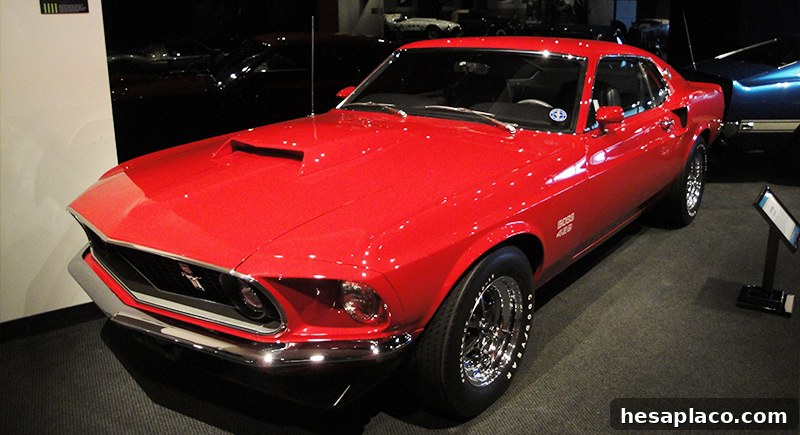
Credit: Wikimedia Commons
Created to homologate Ford’s NASCAR effort, the Boss 429 packed a massive 429 cubic-inch V8, which barely fit in the Mustang’s engine bay. Limited production numbers and the car’s racing intent helped elevate the Boss 429 to legendary status. Today, seeing one at a show still draws crowds intent on admiring its rare, race-minded engineering.
Pontiac GTO (1964–1965)
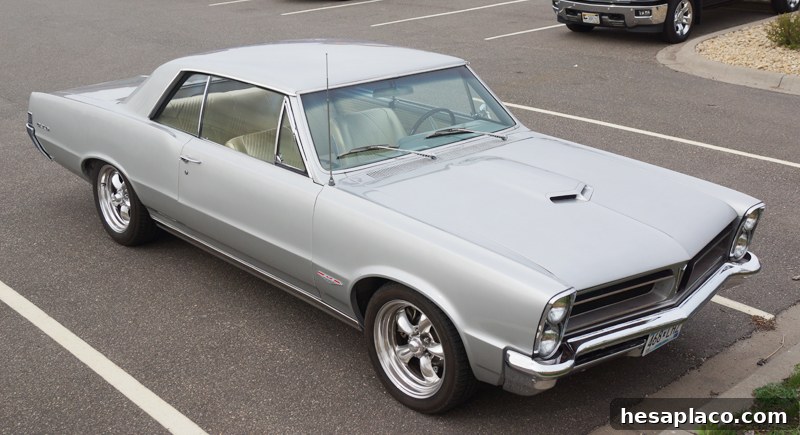
Credit: Wikimedia Commons
The Pontiac GTO is often credited with sparking the muscle car movement. By offering a midsize car with a 389 cubic-inch V8, Pontiac created a template that competitors quickly emulated. The GTO proved that everyday cars could deliver meaningful performance, reshaping buyer expectations and dealership offerings across the industry.