
Retirement should be a time to relax, enjoy the things you love, and feel secure about your finances—not a period of stretching every dollar or worrying about basic needs. While many cities offer welcoming environments for retirees, others present challenges that can undermine quality of life. Below is a clear, balanced overview of several U.S. cities—both those that tend to support a comfortable retirement and those where retirees may face significant drawbacks.
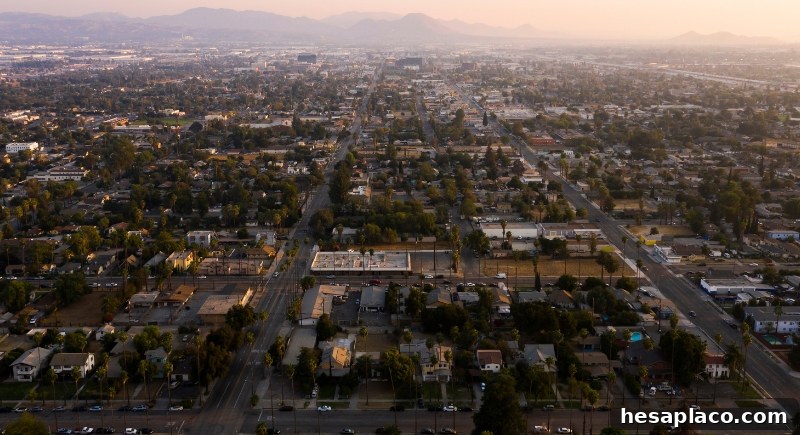
San Bernardino, California
Credit: Getty Images
San Bernardino offers plenty of sunshine, but several practical concerns complicate retirement living. Elevated crime rates, limited healthcare access in some neighborhoods, and frequent poor air quality can affect health and daily routines. Coupled with a relatively high cost of living and fewer lifestyle amenities to justify that cost, San Bernardino may not be the most comfortable choice for retirees seeking stability and convenience.
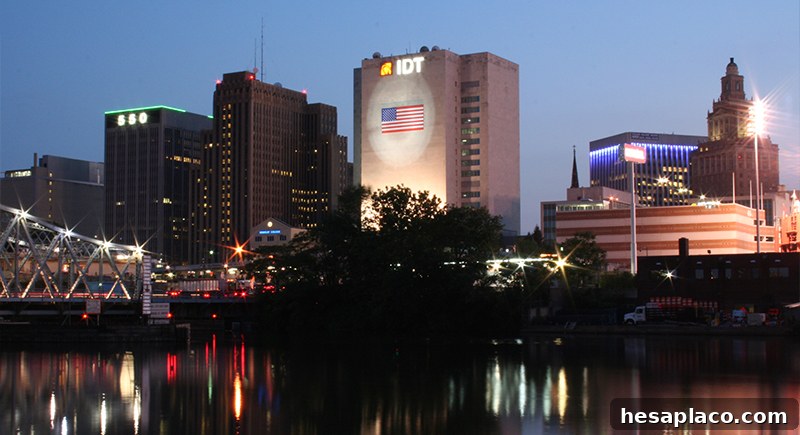
Newark, New Jersey
Credit: Wikimedia Commons
Newark has strong urban advantages, but retirees often face an above-average cost of living and infrastructure challenges that can complicate everyday life. Higher housing expenses and crime levels can take a sizable portion of fixed incomes. Those looking for ease of access to services and a calm daily pace may find Newark more demanding financially and logistically.
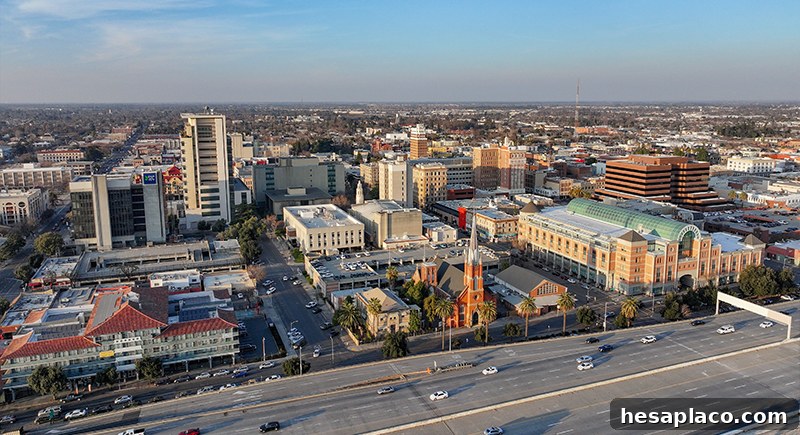
Stockton, California
Credit: Wikimedia Commons
Stockton has seen efforts to recover economically, but many retirees may still encounter higher foreclosure rates and property-value instability. While nearby cities may offer cultural and lifestyle benefits, Stockton itself can feel like a place with city costs but fewer of the amenities that typically justify them, making it less appealing for those on a fixed budget.
Detroit, Michigan

Credit: Wikimedia Commons
Detroit retains character and cultural assets, but aging infrastructure, relatively high property taxes in some areas, and cold winters present real considerations for retirees. Neighborhood unevenness—ranging from revitalized districts to areas with many vacant homes—creates variability in services and safety that can affect everyday life and peace of mind.
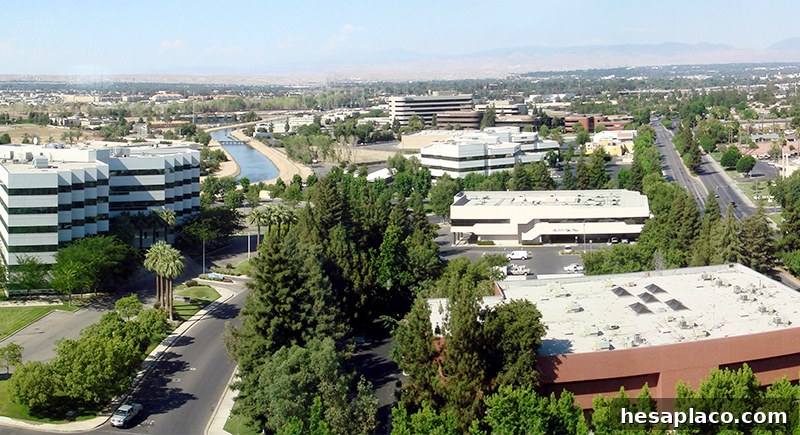
Bakersfield, California
Credit: Wikimedia Commons
Bakersfield’s economy benefits from agriculture and energy, but those industries contribute to persistent air quality issues and high summer temperatures—both of which can pose health risks for older adults. Limited walkability and a reliance on driving, along with concerning crime statistics in certain areas, mean retirees may need to plan carefully for mobility and health needs.
Fort Lauderdale, Florida
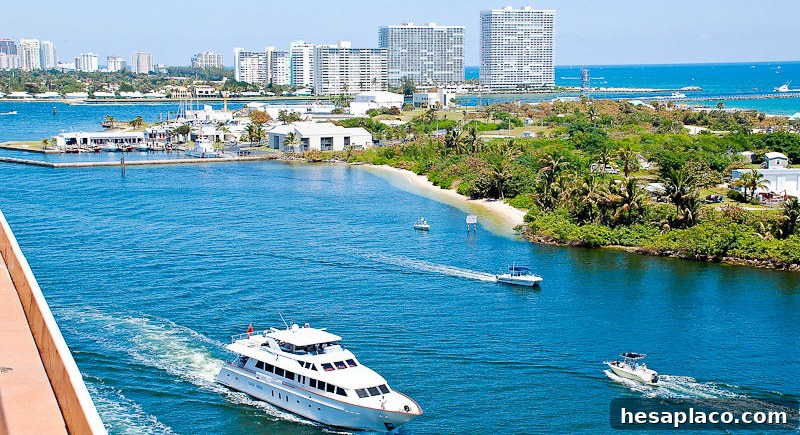
Credit: flickr
Fort Lauderdale combines beach access with a strong retiree community and relatively good public transportation for the region. Its recreational options—boating, golf, and walkable neighborhoods—support an active lifestyle. For retirees seeking seaside living with accessible amenities, Fort Lauderdale is an attractive option.
Greenville, South Carolina
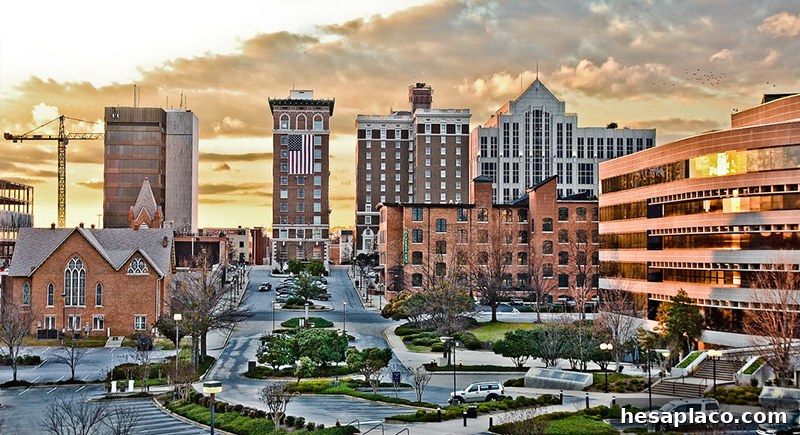
Credit: flickr
Greenville blends affordability, green spaces, and a compact, walkable downtown. Its proximity to mountain escapes and outdoor recreation makes it easy to enjoy a relaxed pace without sacrificing access to dining, arts, and community activities. For retirees who want a smaller-city feel with amenities nearby, Greenville is a solid pick.
Pittsburgh, Pennsylvania
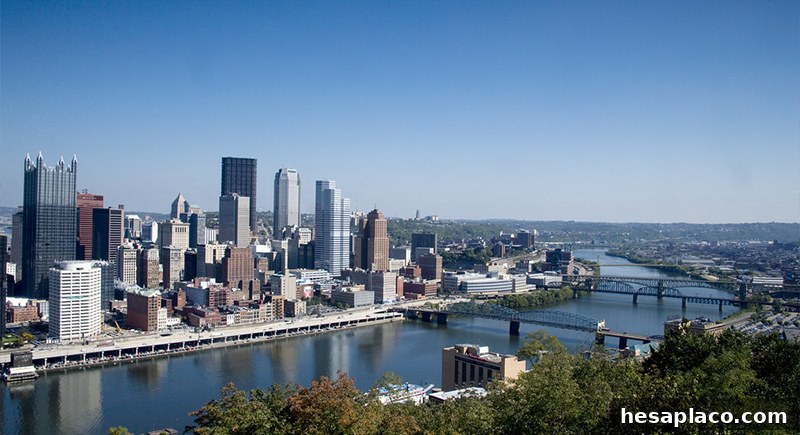
Credit: flickr
Pittsburgh has transformed from an industrial past into a city known for relative affordability, strong healthcare institutions, and a vibrant cultural scene. Low housing costs and top medical centers make it attractive for retirees who want dependable services and cultural opportunities without metropolitan price tags.
Orlando, Florida
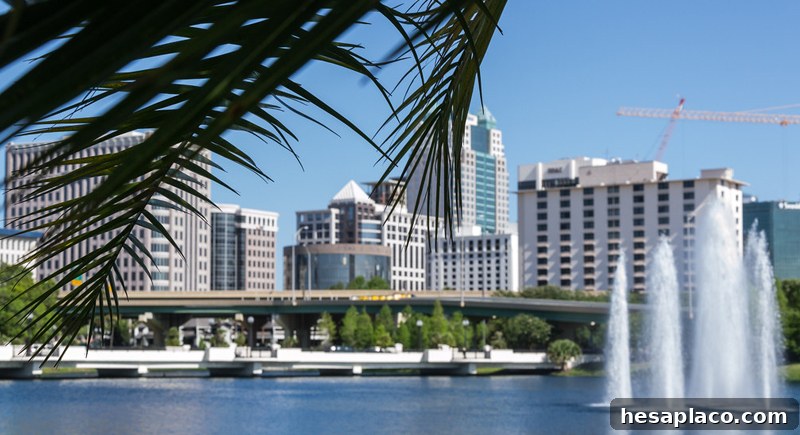
Credit: flickr
Beyond theme parks, Orlando offers tax advantages and robust healthcare services. Warm weather, accessible outdoor spaces, and a surprisingly reasonable cost of living for many neighborhoods make it an appealing choice for retirees seeking entertainment and medical access in one place.
Scottsdale, Arizona
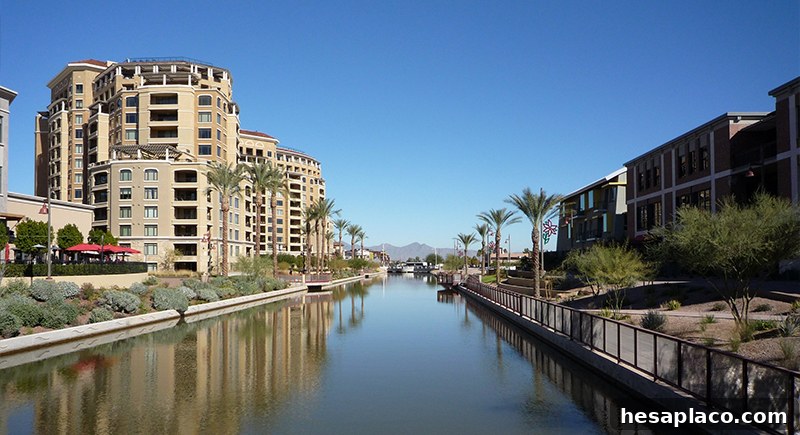
Credit: Wikimedia Commons
Scottsdale emphasizes high-quality living—excellent healthcare, upscale dining, and active community life. Costs are higher, but many retirees find the trade-off worthwhile for the consistent services, safety, and social opportunities that support an engaged, comfortable retirement lifestyle.
Lincoln, Nebraska
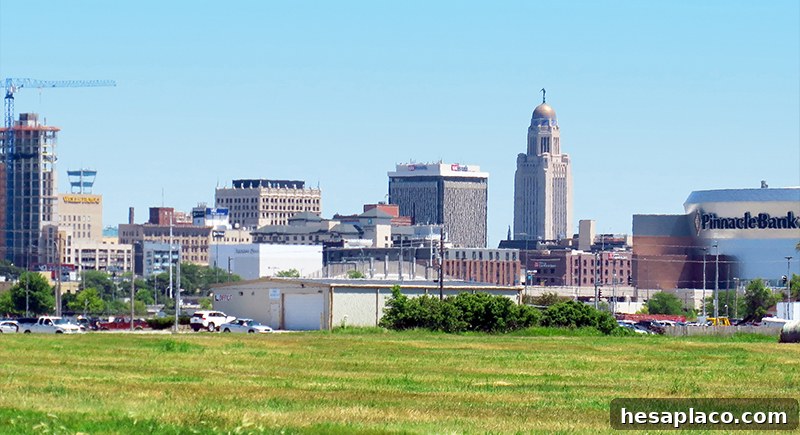
Credit: Wikimedia Commons
Lincoln offers a relaxed pace with practical advantages: low crime rates, affordable housing, and bike-friendly infrastructure. It’s a clean, manageable city with everyday conveniences that make it easy for retirees to stay active and involved without overspending.
Madison, Wisconsin
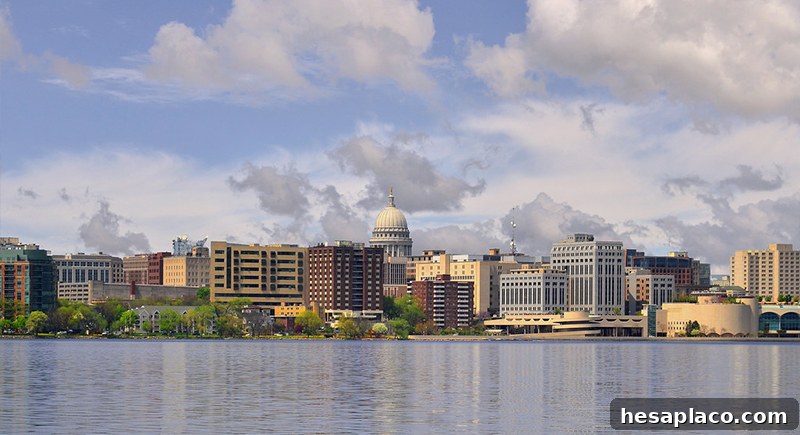
Credit: flickr
Madison combines strong healthcare access with a walkable layout, cultural institutions, and abundant green space. Winters can be challenging, but the city’s planning and transit options, alongside its amenities, help maintain a high quality of life year-round for retirees who are prepared for colder months.
Sioux Falls, South Dakota
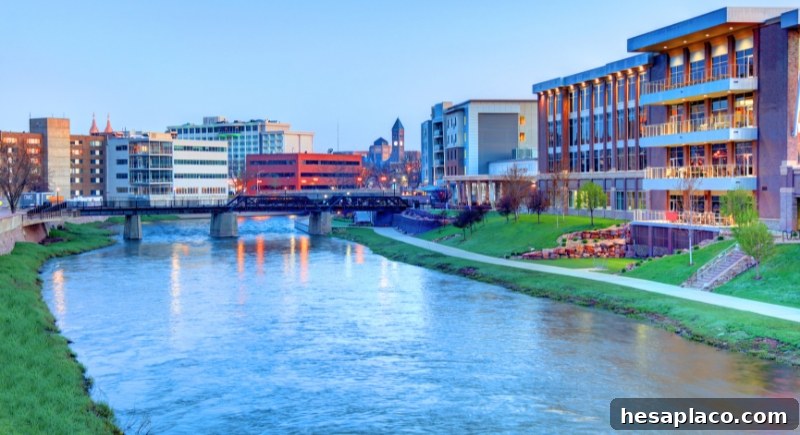
Credit: Getty Images
Sioux Falls stands out for healthcare availability—more physicians per capita than many U.S. cities—and low crime, low taxes, and affordable housing. These factors, along with parks and bike trails, make it a practical and appealing option for retirees focused on health, safety, and cost-effective living.
College Station, Texas

Credit: flickr
Home to Texas A&M University, College Station offers a mix of youthful energy and senior-friendly services. Clean air, low crime, and no state income tax contribute to an appealing, low-stress environment. Retirees who appreciate a sense of community and accessible services often find it very comfortable.
The Villages, Florida
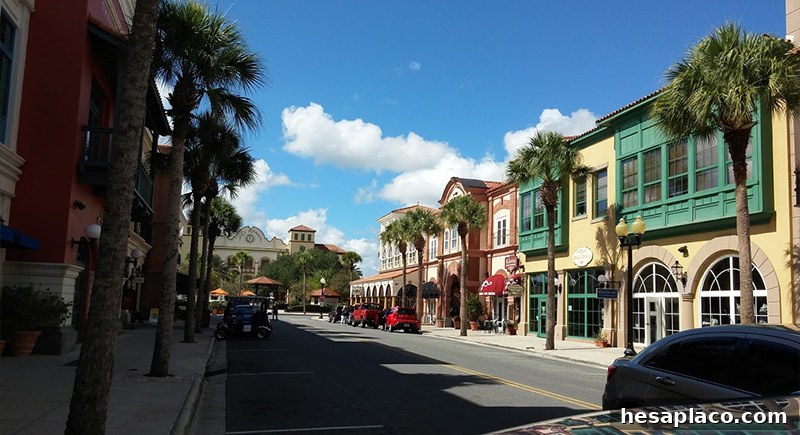
Credit: Wikimedia Commons
The Villages is a purpose-built retirement community with abundant social clubs, healthcare access, and infrastructure designed for older residents—including golf cart paths and regular community events. It’s highly social and convenient, appealing to retirees who prefer a structured, active community atmosphere.
Jackson, Mississippi
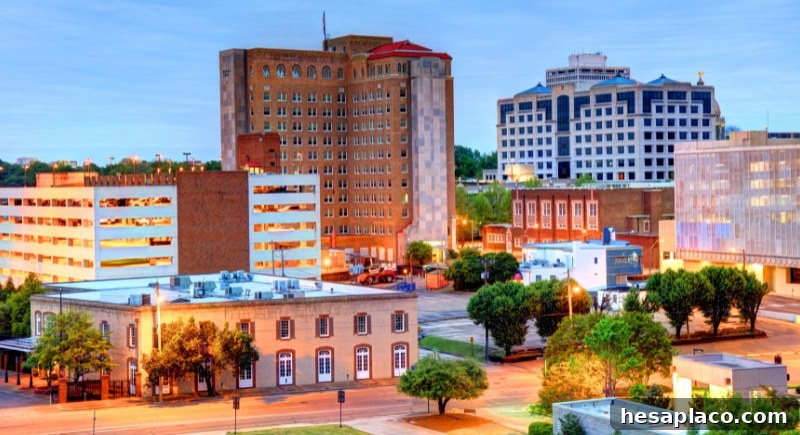
Credit: Getty Images
Jackson can stretch retirement dollars thanks to low housing costs, but significant challenges remain. Water infrastructure issues, higher crime in parts of the city, and limited healthcare resources in some neighborhoods can make daily life difficult. Retirees need to weigh savings against practical access to services and safety.
Tampa, Florida
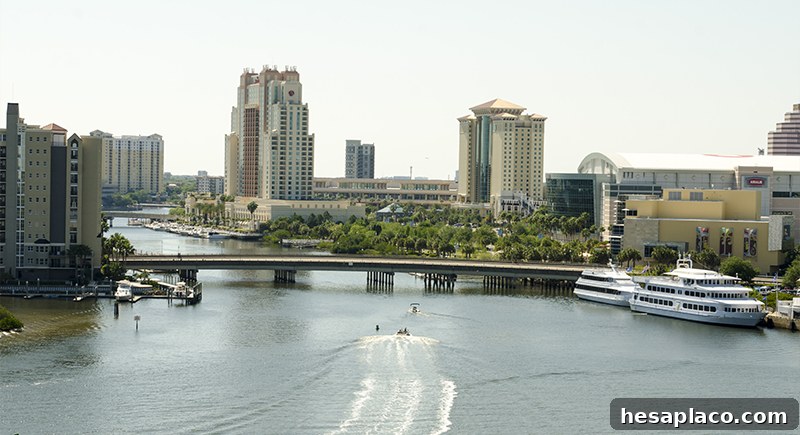
Credit: Wikimedia Commons
Tampa blends coastal lifestyle, sports, and cultural amenities with tax advantages. However, retirees should account for rising housing prices, higher insurance costs, and exposure to storm risk, which can increase long-term expenses. For those with a comfortable retirement cushion, Tampa can be enjoyable; for those on fixed incomes, it warrants careful budgeting.
Choosing the right retirement location depends on personal priorities—healthcare access, climate, cost of living, safety, and social opportunities all matter. Use this overview as a starting point to match what matters most to you with a city that supports the kind of retirement you envision.