
Nothing is more stressful than watching your account balance hit zero before payday. Fast spending early in the pay period eventually catches up, and suddenly even a small purchase feels risky. Millions of Americans live paycheck to paycheck, so this scenario is far more common than people often admit. The good news: a rough week does not have to become a long-term financial crisis. A few practical steps can stabilize your situation quickly and with less stress than panic would cause.
Freeze Nonessential Purchases

Credit: pexels
The quickest way to stop further financial damage is to treat the next few days like a spending lockdown. Delivery services, late-night online shopping, convenience store snacks and impulse buys can drain what little remains in your account. Small purchases can become surprisingly costly when they trigger overdraft fees — banks have collected billions in such fees in recent years — so temporarily cutting nonessential spending prevents the situation from worsening.
Check Autopay and Scheduled Payments

Credit: DragonImages
Subscription renewals and automatic charges can hit without warning. A quick scan of upcoming scheduled payments and recurring charges can prevent overdraft penalties before they occur. Many people forget that a free trial turned into a paid plan months ago. Canceling or pausing these subscriptions immediately buys breathing room.
Ask Service Providers for More Time

Credit: pexels
Utility companies, landlords and lenders regularly receive requests to delay payments. Contacting them before a payment is missed generally works better than staying silent. Many providers offer short grace periods, payment plans or reduced minimums for customers facing temporary hardship. Some credit card companies will adjust billing dates to better match pay schedules. Customer service representatives are often willing to help when you explain the situation early and calmly.
Sell Items You No Longer Use

Credit: pexels
Emergency cash often hides in closets and garages. Old gaming systems, unused appliances, clothing, shoes and furniture can sell quickly on local marketplaces or buy-and-sell apps. During tight stretches many people clean out unused items, and local demand for secondhand goods remains strong. Selling a few things can produce immediate funds without increasing debt.
Take a Short-Term Gig for Fast Pay

Credit: pexels
Quick jobs today can deliver same-week income. Dog walking, food delivery, tutoring, babysitting and local moving help are common options that require little setup and often pay fast. The key is to pick gigs that pay promptly rather than waiting weeks for invoices. Even a few shifts or short assignments can bridge a payday gap and relieve immediate pressure.
Avoid Payday Loans When Possible

Credit: iStockphoto
Payday loans may appear helpful because approval is fast, but the fees and interest rates are often extremely high. Many borrowers find themselves trapped in costly repayment cycles. If you must borrow, explore safer alternatives first: ask family or friends, request an advance from your employer, or check whether local nonprofits offer short-term emergency assistance. Avoiding predatory loans prevents a small crisis from becoming a larger one.
Create a Small Buffer After Payday

Credit: pexels
The smartest financial move typically happens after the immediate crisis is over. Setting aside even $50 to $100 builds a starter emergency fund that cushions future surprises. It may not seem life-changing, but having a small reserve for groceries or an unexpected bill feels very different than staring at zero. Treat this as a priority when your next paycheck arrives.
Use a Grocery List as a Financial Tool

Credit: pexels
Walking into a store without a plan is risky during a tight money week. Retailers place items strategically because impulse purchases work. Planning simple, low-cost meals stretches limited funds farther than prepared foods or delivery. Staples like rice, eggs, frozen vegetables and peanut butter can carry a household through a short payment gap while keeping nutrition and costs balanced.
Talk Openly With People You Trust

Credit: pexels
Friends and family may not fix everything, but honest conversations can reduce stress and lead to practical help. Someone might share meals, recommend temporary work, or lend a small amount until payday. Reaching out calmly and explaining your needs often produces faster, more flexible assistance than trying to handle everything alone.
Review Where Your Money Went
Credit: iStockphoto
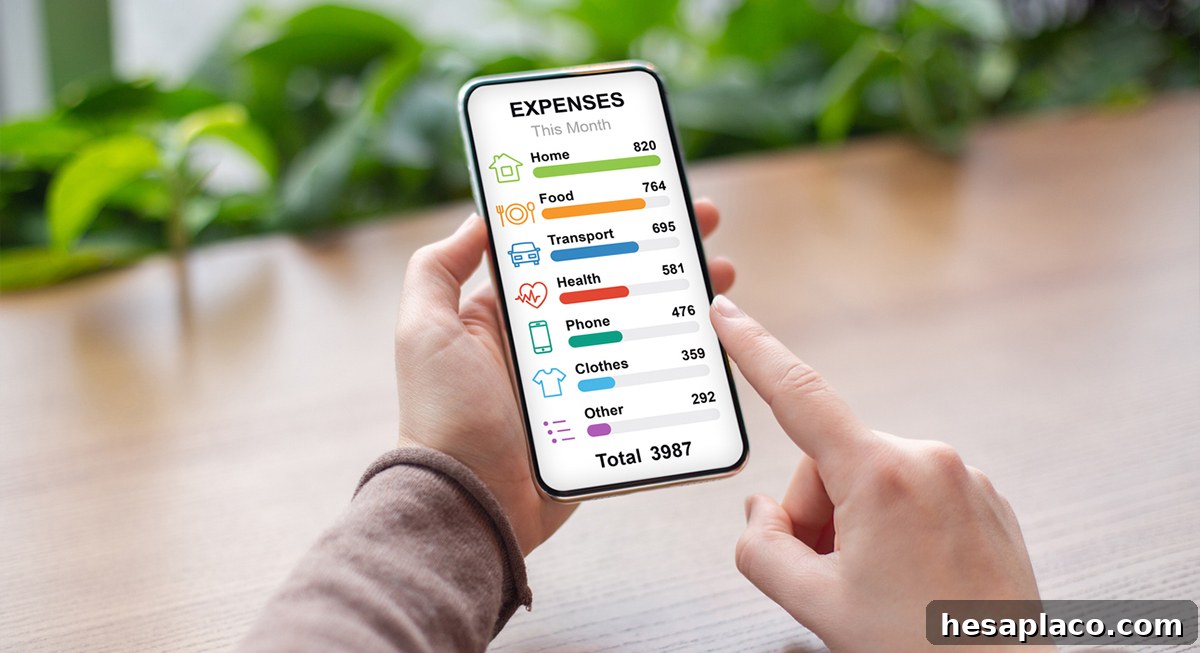
Pulling up recent bank statements and receipts reveals where money disappeared before payday arrived. Budgeting apps that categorize purchases can make this process faster and less painful. The goal is not to dwell on past mistakes but to identify small leaks—subscription charges, frequent takeout, or impulse buys—that can be fixed before next month. Catching those patterns early reduces the odds of repeating the same scramble.