Buying a boat promises sunny days and open-water freedom, but some vessels quickly turn that dream into a costly burden. Below are types of boats and situations that often lead to regret — and expensive surprises — for buyers who aren’t careful.
Garage Finds That Sat Too Long
Credit: pexels
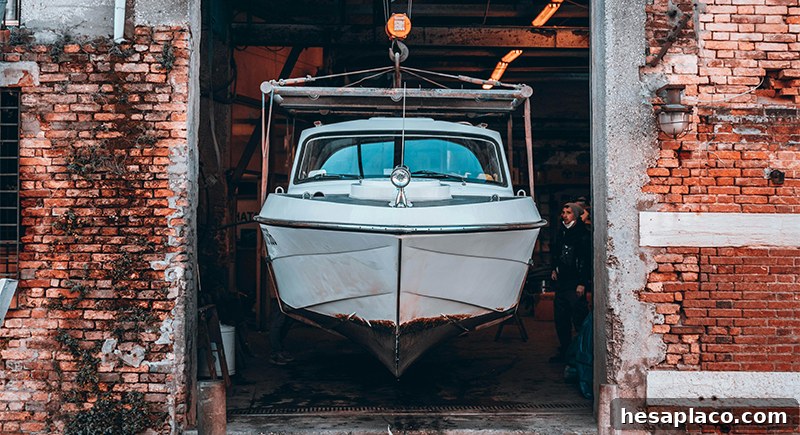
Boats left idle for years often hide systemic problems. Rubber seals and hoses dry and crack, fuel ages and gums up carburetors or injectors, cables and linkages seize, and raw-water pumps and impellers fail. What appears as cosmetic neglect usually means systems that need complete overhaul. Unless you intend a full restoration and have the budget and time, avoid boats that have sat unused for long stretches.
Boats with Evinrude G2 Engines
Credit: Wikimedia Commons
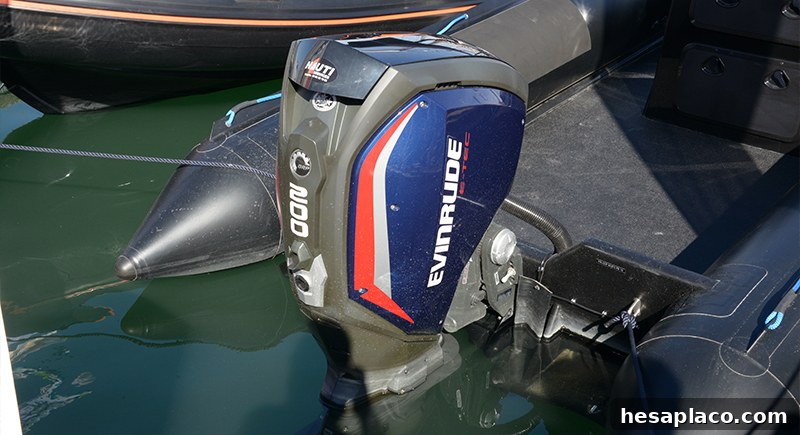
Though visually impressive, boats equipped with Evinrude G2 engines now carry long-term risk. With Evinrude having ceased production and service, replacement parts and factory support are limited. That scarcity increases maintenance costs and creates frustrating downtime when specialized components fail.
First Generation of Any New Boat or Engine
Credit: Wikimedia Commons
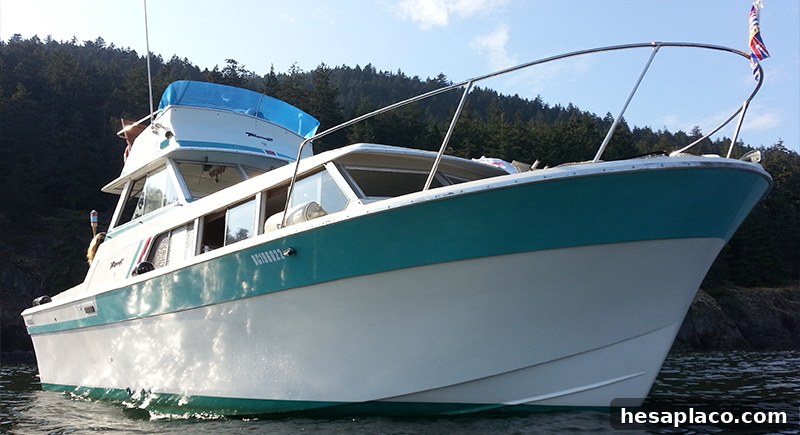
Early-production boats and first-generation engines often arrive with unresolved design issues. Manufacturers learn and refine through feedback, so version 1.0 models may suffer from teething problems that are costly or difficult to fix. If you want reliability, wait for later iterations where common faults have been addressed.
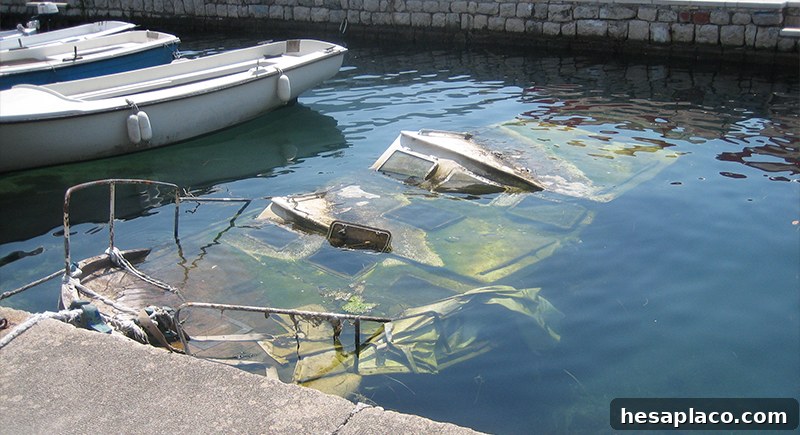
Sunken Boats, Even Briefly
Credit: Wikimedia Commons
Contact with water in areas it shouldn’t reach causes long-lasting damage. Corrosion, compromised wiring and electronics, and saturated structural cores can follow a sinking event. Even a brief submersion can hide problems that are expensive to diagnose and repair, so approach sunken or previously submerged boats with extreme caution.
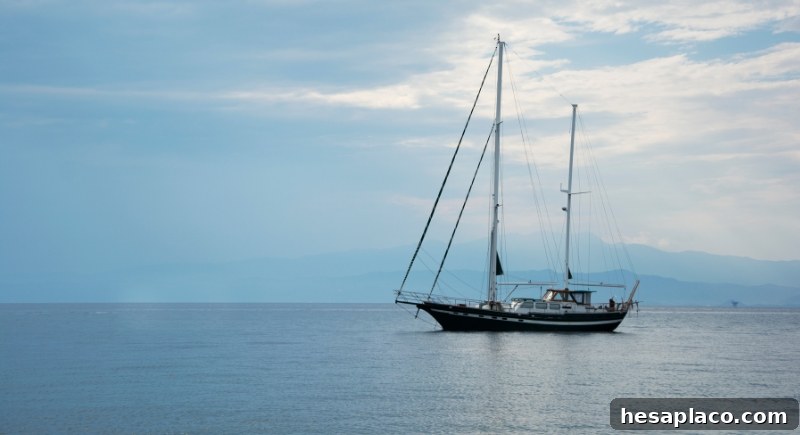
Boats with Oversized Towers or Modifications
Credit: Getty Images
Aftermarket towers, heavy radar arches, or oversized T-tops can look impressive but create real problems. Excess weight up high affects stability, alters the center of gravity, and can overload the hull or transom. Height increases may prevent passing under bridges or storing the boat in standard facilities. If modifications seem disproportionate to the boat’s design, consider it a red flag.
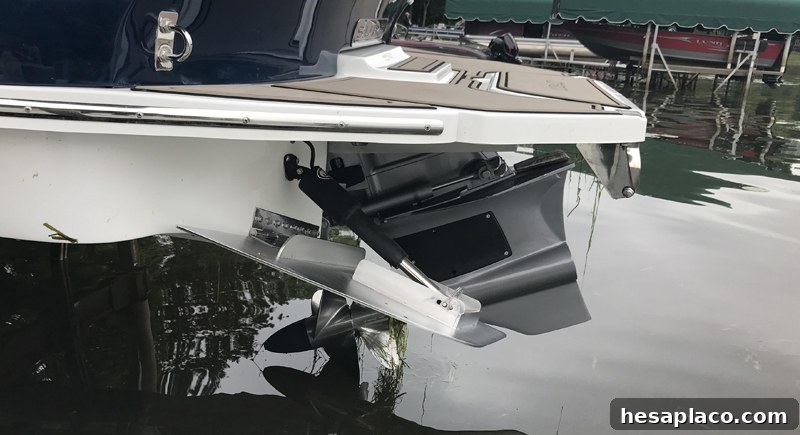
Boats with Volvo XDP Drives
Credit: Reddit
Volvo XDP composite drives were once sold as cutting-edge but developed reputation issues over time. With official support reduced and aftermarket help limited, these systems can be expensive and time-consuming to maintain. Many buyers find resale value drops substantially when XDP drives are present.
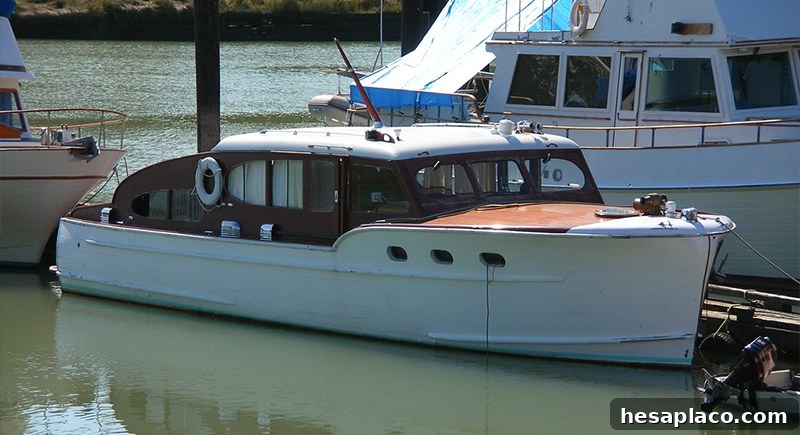
Old Cruisers with No Survey
Credit: flickr
Cabin cruisers sold cheap often hide expensive defects in hard-to-access systems: plumbing, marine heads, air conditioning, water heaters, generators, and diesel systems. Without a professional survey, buyers routinely underestimate repair needs and costs. Always insist on a thorough survey before committing to an older cruiser.
Boats with Extremely High or Low Engine Hours
Credit: flickr
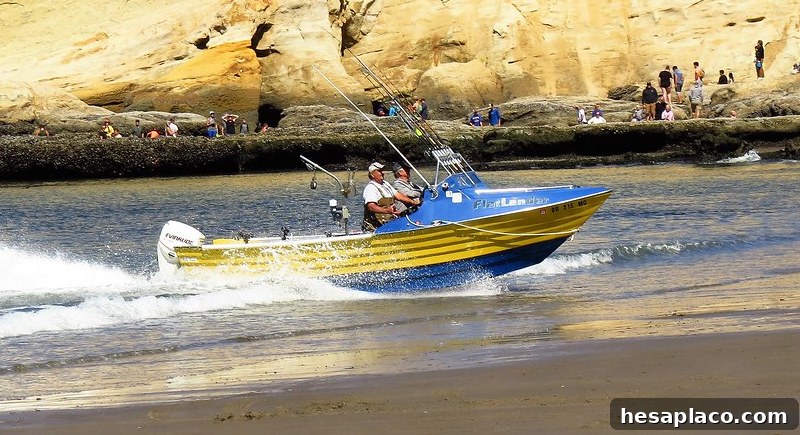
High hours can signal an engine near the end of its useful life and likely requiring major service or replacement. Very low hours can be misleading too: infrequent use often leads to stale fuel, varnished carburetors or injectors, dried seals, and internal corrosion. Engines with steady, moderate hours are generally the most reliable.
Soft Floors Hiding Waterlogged Foam
Credit: Getty Images
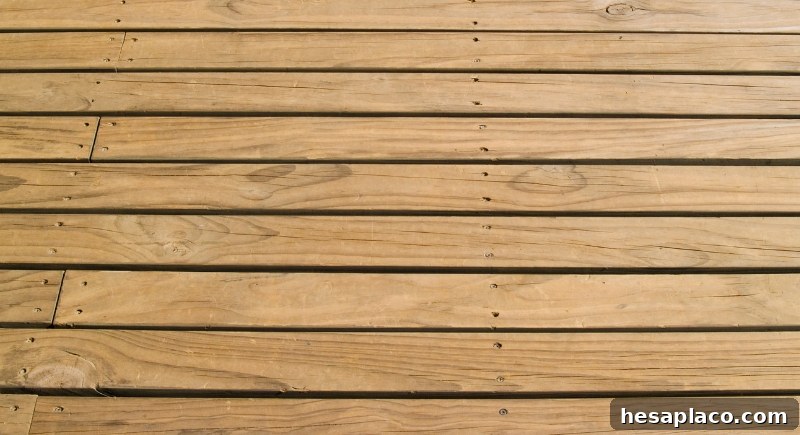
A spongy deck is almost always a sign of water intrusion into the core. Waterlogged foam or rotten stringers add weight, reduce structural integrity, and make the boat creak and flex. Repairing core rot typically involves removing deck sections and replacing core materials, which is labor-intensive and costly.
Jet Boats from the Early 2000s
Credit: Youtube
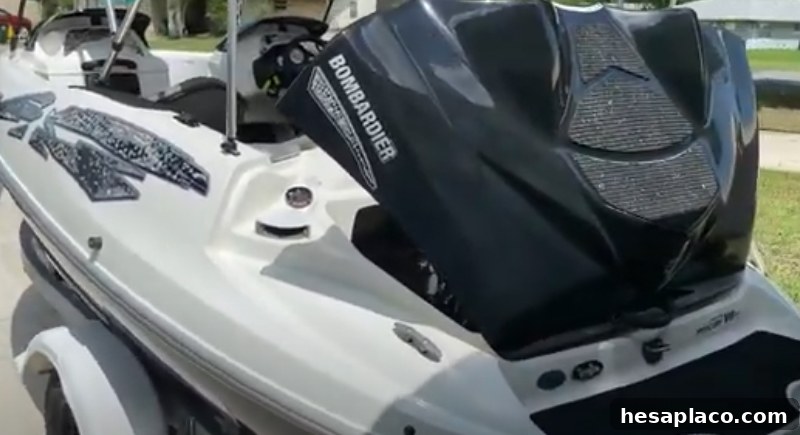
Jet boats from the early 2000s often used two-stroke engines and proprietary systems that are now less supported. Parts can be scarce and technicians familiar with those setups are harder to find. Unless you already understand the quirks and maintenance requirements, these models can become maintenance headaches.
Boats with OMC Stringer Drives
Credit: Youtube
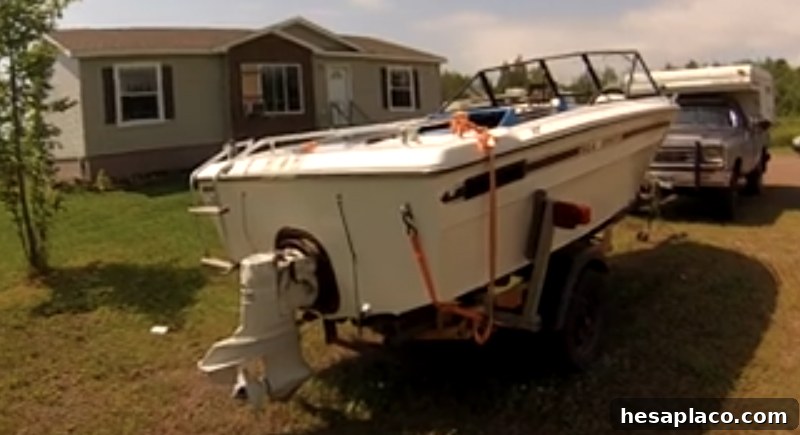
OMC stringer-drive systems were once common but are increasingly obsolete. Mechanics who know how to service them are in short supply, and replacement parts are difficult to source. If you don’t have the skills, patience, or contacts to track down components and do complex repairs, avoid boats with these drives.
Any Boat with a Force Outboard
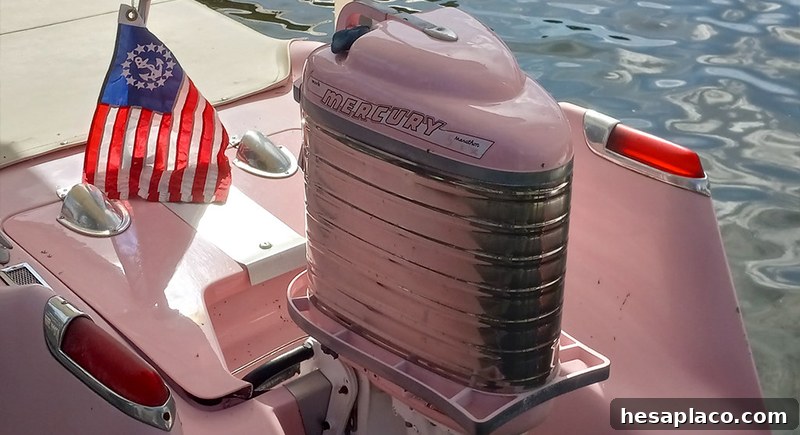
Credit: flickr
Force outboards can run well when maintained, but they are notoriously finicky and many mechanics avoid them. Their sensitivity to small adjustments means troubleshooting can be frustrating and costly. If a boat has a Force outboard, factor in the difficulty of finding reliable service and parts.
Boats with Expired Registration or Back Taxes
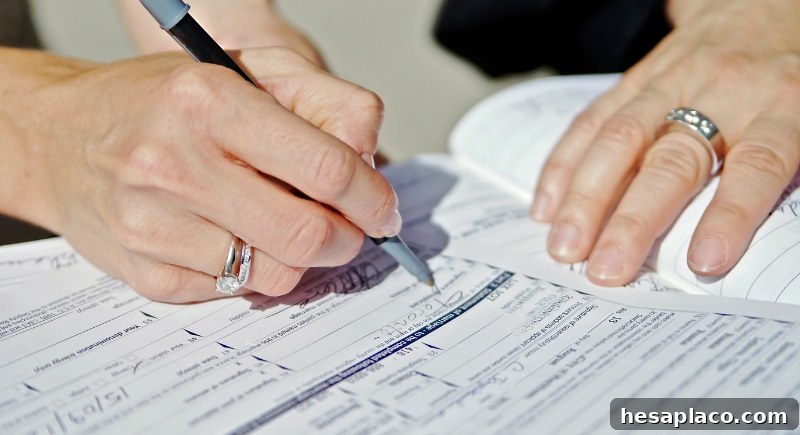
Credit: Getty Images
Expired registration, unpaid fees, or back taxes complicate transfers and can delay or block re-registration in some states until clearance is obtained. The seller may walk away, leaving you to resolve liens or unpaid obligations. Verify clear title and registration status before purchase to avoid bureaucratic entanglements.
Boats with Title Mismatches
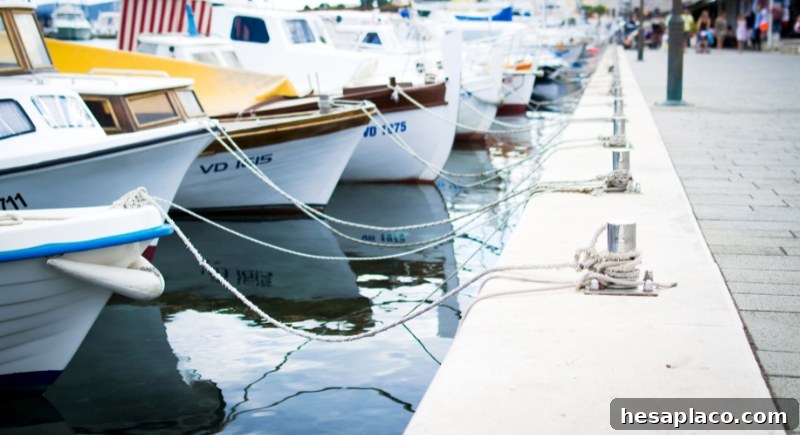
Credit: pexels
Title issues are among the most time-consuming problems a buyer can face. Double titles, missing signatures, mismatched hull identification numbers, or motors and trailers sold separately can all create DMV delays and legal headaches. These paperwork problems often cost more in time and stress than the boat’s purchase price.
Boats with SEI Aftermarket Lower Units
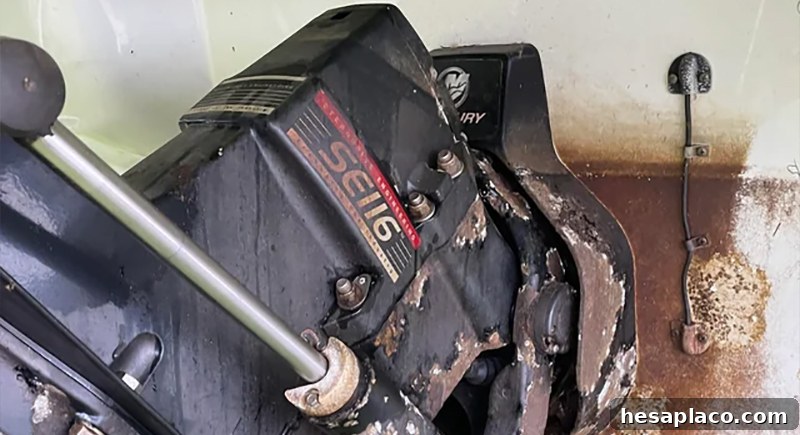
Credit: Reddit
SEI aftermarket lower units are often cheaper replacements used after damage. While cost-effective initially, they can indicate prior incidents or corner-cutting by the owner. Aftermarket drives may not perform like OEM parts and can reduce resale value. If you see a substituted lower unit, dig deeper into maintenance history.
Older Boats With Wood-backed Transoms
Credit: Reddit
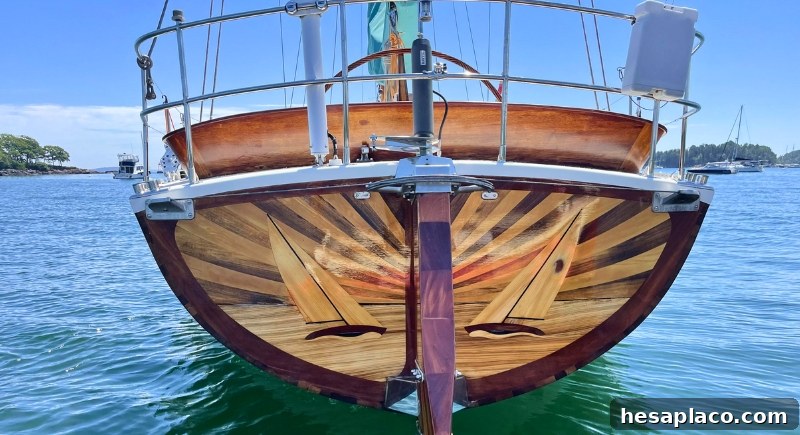
Wood-backed transoms look classic but hide vulnerabilities. Moisture intrusion leads to concealed rot that compromises engine alignment and structural strength. Repair usually requires removing the transom and installing marine-grade materials, which can cost thousands. Unless you’re prepared for major restoration, treat wood-backed transoms as a significant liability.
Imported Boats With No U.S. Support
Credit: Getty Images
Imported boats lacking U.S.-based dealer support pose logistical challenges. Parts, warranty service, and technical assistance may require international sourcing, subject to customs, tariffs, and long lead times. For buyers without experience handling international supply chains, these vessels become a source of repetitive delays and inflated costs.
Production Boats with Unsealed Balsa Cores
Credit: Facebook
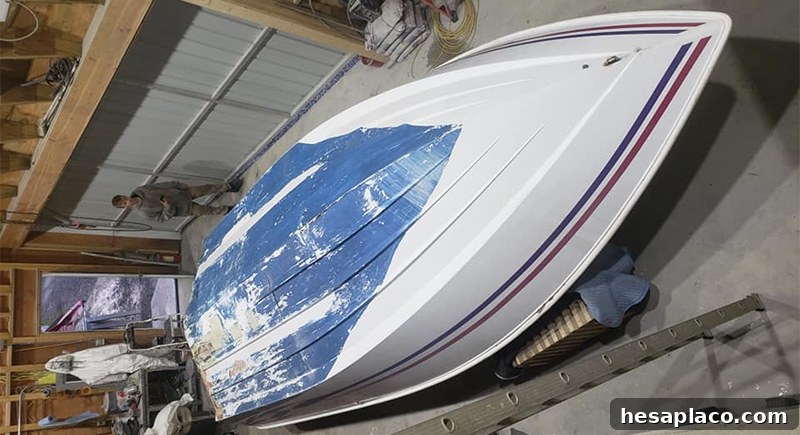
Unsealed balsa cores are a hidden vulnerability in many production boats. Water intrusion at a single deck fitting can wick into the core and spread, causing soft spots far from the original leak. Repairing core damage is intrusive and costly, and small initial savings on purchase price can vanish quickly when core remediation is required.
Discontinued Sailboat Brands with No Factory Support
Credit: Reddit
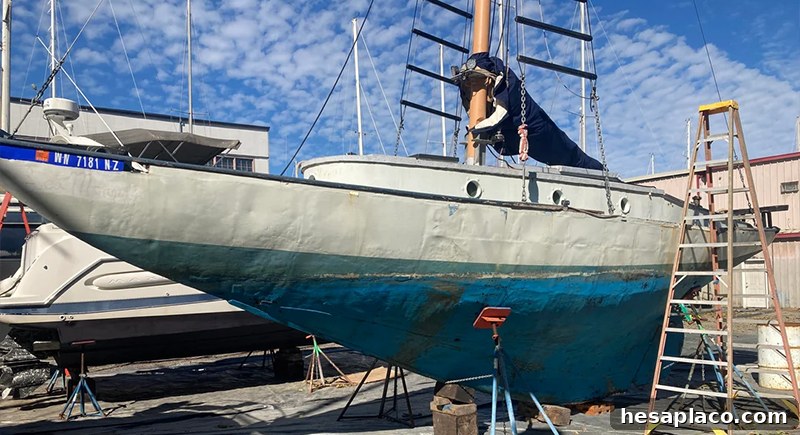
Discontinued sailboat brands can look like bargains, but when small parts fail you may end up searching forums and classifieds for obscure components. Without factory support or a local supply chain, routine repairs become scavenger hunts, and maintenance delays can keep the boat sidelined for weeks or months.
In short, a low sticker price can hide considerable expense and frustration. Prioritize boats with clear titles, recent surveys, proven support networks, and components that are still in production. When in doubt, invest in a professional survey and talk to technicians familiar with the model before making an offer.