
Feeling ready to move out is one thing, but your finances must be ready too. Some financial signals are obvious, while others—like renters’ insurance—surprise new renters. If you’re uncertain whether it’s the right time, use these financial green flags to guide your decision.
If you can check off most of the items below, there’s a strong chance your money, mindset, and momentum are aligned: you’re ready to take the next step.
Your Budget Actually Works

Credit: Canva
You consistently track income, set realistic spending limits, and follow them. Your budget includes line items for savings, bills, and discretionary spending. If your current system can comfortably absorb rent, utilities, and occasional surprises, you have a solid financial foundation to build on.
Rent Fits Your Income

Credit: 89Stocker
The rent you’re considering falls near or under 30% of your gross income, and you’re not cutting essentials like food or basic savings to afford it. If rent would consume half your paycheck, that’s a red flag. But if it fits comfortably alongside other expenses, it’s a strong sign you’re ready.
You Have an Emergency Fund

Credit: Getty Images
An emergency fund that covers three to six months of living expenses ensures you’re not one missed paycheck away from crisis. It cushions job loss, surprise bills, or health problems. Without this buffer, a single bad month could undermine your plan to live independently.
Your Credit Score Is in Good Shape
Credit: Getty Images
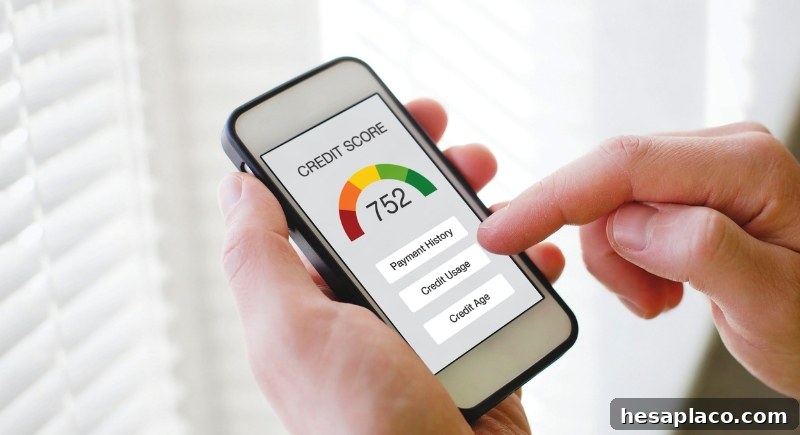
A credit score of roughly 660 or higher indicates you pay on time and manage debt responsibly. Good credit can help you secure a lease, reduce required deposits, and sometimes yield better utility and insurance rates. Landlords often weigh credit heavily—sometimes more than income alone.
You Pay Your Bills on Time

Credit: DragonImages
Late fees aren’t part of your routine. You either automate payments or have reliable habits that keep bills current. Consistent on-time payments matter because missed rent or utilities risks penalties, damaged credit, and even losing your home.
High-Interest Debt Is Under Control

Credit: Canva
You’ve reduced or managed the worst debts—like high-interest credit cards—and you can meet monthly obligations without interest eating your budget. If high-rate debt still dominates your finances, adding rent could push you into trouble. If it’s under control, you’ve removed one major barrier to living alone.
You Understand the Full Cost of Living

Credit: Getty Images
Don’t rely on average rent figures alone. Estimate utilities, renters’ insurance, groceries, cleaning supplies, furnishings, parking fees, and laundry. Accounting for the full monthly and one-time costs prevents unpleasant surprises and keeps your plan realistic.
Your Income Is Stable

Credit: 89Stocker
Your job is steady, hours are reliable, and paychecks are consistent. If you freelance, you’ve built savings and income consistency. Living alone requires an income that can withstand occasional slow months or unexpected downtime.
You’ve Budgeted Move-In Expenses

Credit: Canva
Move-in costs are easy to miss. You need funds for the security deposit, first month’s rent, application fees, basic furniture, and small household items. These one-time expenses add up quickly, so plan for them ahead of time.
Health Insurance Is Covered

Credit: Getty Images
Whether through an employer, a private plan, or a government program, you have health coverage and understand premiums and copays. Medical bills are a leading cause of financial distress; having insurance is a major factor in safe, sustainable independence.
You Have a Realistic Backup Plan

Credit: Getty Images
Your plan isn’t based on hope alone. If you lose income or face an emergency, you know how you’d respond—extra savings, a side gig, support from family, or lease protection. A clear contingency plan reduces panic and shows you’re prepared.
You’re Comfortable with Basic Home Skills

Credit: Getty Images
You can cook basic meals, unclog a drain, clean a bathroom, and manage grocery budgeting. When you live alone, no one else will cover these tasks. Practical household skills save money, maintain your space, and are essential for independent living.
You’ve Practiced a Solo Budget

Credit: Getty Images
Maybe you haven’t moved out yet, but you’ve simulated living on your own—saving the amount you’d pay for rent or tracking a hypothetical monthly budget. If that trial didn’t break your finances or force extreme cutbacks, it’s strong evidence that you can manage independent living.
Renters’ Insurance Is on Your Radar
Credit: Getty Images
Renters’ insurance is affordable—often between $15 and $30 per month—and protects your belongings and liability. Recognizing and budgeting for risk shows you’re not just chasing independence for its own sake, but securing it responsibly.
Your Motivation Is Readiness, Not Restlessness

Credit: Getty Images
Make sure you’re moving for stability, responsibility, privacy, or personal growth—not just to escape a roommate or for social media. When motivation is grounded and your finances align, independent living is far more likely to succeed.
You’re Prepared to Furnish Slowly

Credit: pexels
You’re okay starting with the essentials: a mattress, a table, a few dishes. Trying to make a place look perfect on day one can drain resources. Prioritizing stability and furnishing over time keeps costs manageable and stress low.
You’ve Researched Local Transportation Costs

Credit: Getty Images
You checked parking fees, transit passes, gas, rideshares, tolls, and the cost of late-night travel. A cheaper apartment loses appeal when commuting or parking costs drain your budget. Smart renters factor transportation into the full monthly cost, not just the lease price.