
At a certain point, spending smartly gives way to spending merely for show. For the ultra-wealthy, some purchases intended to signal success quietly erode net worth. These are rarely financial disasters, but they often amount to costly items that deliver little more than upkeep expenses and empty bragging rights.
Below are common luxury buys that tend to cost far more than the value they return.
Supercars Built for Ego, Not Roads

Credit: Wikimedia Commons
High-performance supercars look impressive but often live in garages rather than on roads. They come with steep insurance premiums, specialized maintenance, and rapid depreciation. The attention they attract can be more awkward than flattering, and the ongoing costs frequently outweigh the thrill.
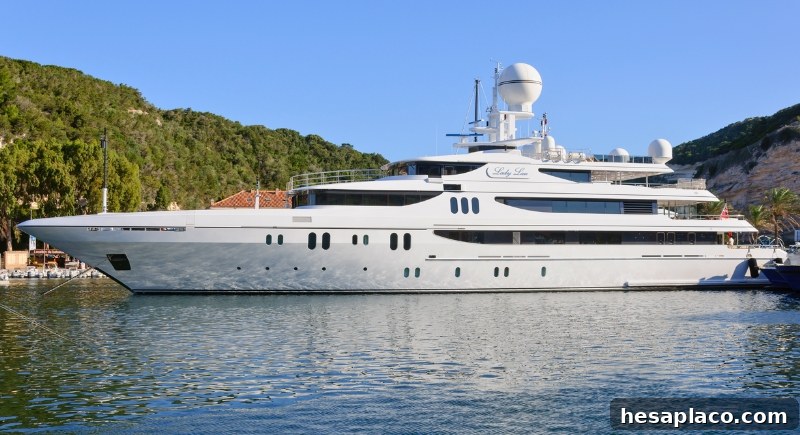
Mega-Yachts That Rarely Move
Credit: Wikimedia Commons
Owning a yacht sounds glamorous until you add up crew salaries, docking fees, maintenance, and fuel. Many yachts spend most of their time moored at marinas, turning into expensive party platforms rather than working assets. For many owners, chartering provides more enjoyment at a fraction of the cost.
Cosmetic Work With Visible Regrets

Credit: Canva
Minor cosmetic procedures can be rejuvenating, but going too far often produces unnatural results and long-term regret. These interventions carry not only monetary costs but visible, sometimes irreversible consequences. Unlike many luxury purchases, cosmetic mistakes are on permanent display.
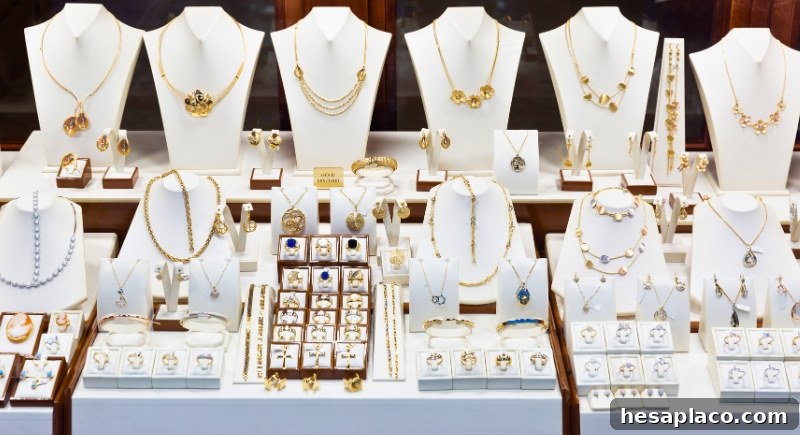
Jewelry That’s Trying a Bit Too Hard
Credit: Getty Images
Flashy jewelry can cross the line from tasteful to ostentatious. Beyond signaling wealth, oversized or excessive pieces can be a safety risk and often communicate insecurity more than refinement. Such items can be hard to insure and may not retain value over time.
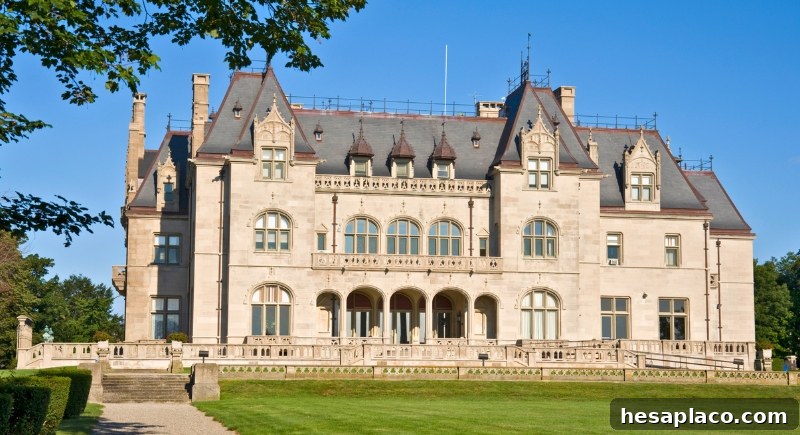
Mansions That Can’t Function
Credit: Getty Images
Huge homes often lock wealth into ongoing obligations: high property taxes, insurance, repairs, and landscaping. Some estates require constant staff and resources just to remain livable. The market for ultra-large properties can be narrow, turning extra square footage into a liability rather than an asset.
Live-in Staff Who Complicate Privacy

Credit: pexels
Personal staff—assistants, chefs, drivers—can simplify daily life but also intrude on privacy and emotional space. Payroll continues regardless of travel or use, and homes can start to feel less like private retreats and more like workplaces with constant circulation of personnel.
Designer Closets That Age in Dog Years

Credit: Canva
High-end fashion moves fast. Trend-driven luxury pieces often lose relevance within months and rarely retain resale value. While classics can hold up, many wealthy buyers accumulate seasonal items that age poorly stylistically and financially, leaving closets full but investments empty.
Homes Purchased to Impress, Not to Live In

Credit: pexels
Owning multiple vacation homes is often more about status than utility. These properties incur maintenance, security, and tax bills while sitting unused for long stretches. When properties are bought for appearances rather than enjoyment, they become ongoing expenses with little return.
Exclusive Vacations With High Opportunity Costs

Credit: iStockphoto
Over-the-top trips—private islands, first-class-only itineraries, or ultra-expensive resorts—can create memorable snaps but offer fleeting satisfaction. The money spent on short-term luxury could often be redirected into investments that generate lasting returns instead of momentary prestige.
Over-The-Top Renovations

Credit: Getty Images
Extravagant home additions—bowling alleys, rooftop pools, or elaborate themed rooms—may be fun but can limit resale appeal. Buyers often see such features as costly to remove or maintain rather than value-adding, which can reduce the pool of potential future buyers.
Collectibles That Collect Dust

Credit: iStockphoto
Not every “rare” watch, sneaker, or collectible appreciates. Many buyers chase fads without deep knowledge, leaving collections that stagnate or lose value when trends shift. The resale market is fickle, and what was once coveted can quickly become costly clutter.
Dining Habits That Drain Without Return

Credit: Getty Images
Eating out at the most expensive restaurants nightly or regularly flying in private chefs creates a quickly expanding bill with little long-term benefit. These experiences may feel luxurious in the moment, but they rarely contribute to lasting value beyond temporary satisfaction.
Luxury Pets That Come With Staff

Credit: iStockphoto
Some exotic or designer pets require specialized care and even dedicated staff for grooming, training, travel, and specialized diets. These ongoing costs, plus regulatory and welfare concerns, can make owning such animals an expensive and complicated commitment.
Memberships to Clubs They Never Visit

Credit: Getty Images
High-priced memberships—to golf clubs, private lounges, or exclusive city clubs—often go unused. People keep paying to avoid the social awkwardness of canceling, which means recurring fees for little to no benefit. Over time, these memberships become quietly costly liabilities.
Overinsured Everything

Credit: iStockphoto
Owning many valuables often leads to insuring nearly everything—cars, art, watches, furniture, and multiple properties. While protection is sensible, overinsurance on seldom-used items turns premiums into a recurring drain that feels like paying to store your own possessions rather than to protect meaningful assets.
Private Jets for Short-Haul Flights

Credit: pexels
Using private jets for short trips seems convenient but is expensive once fuel, crew, airport fees, hangar costs, and maintenance are tallied. Often a high-end car or commercial first class would be significantly cheaper while delivering similar practical benefits.
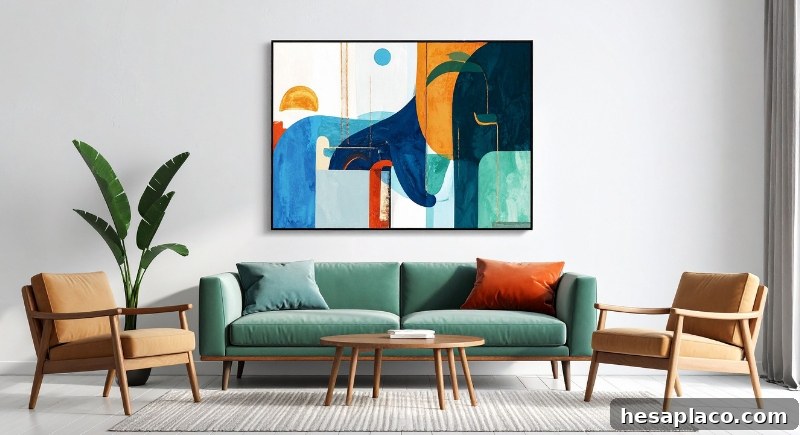
Vanity Art Investments That Lack Provenance
Credit: Canva
Buying art for appearance rather than due diligence can backfire. Provenance, authenticity, and documented ownership matter for resale and insurance. Without those elements, an expensive artwork can become a legal or financial headache instead of a sensible investment.