
Financial markets have become unusually sensitive to global events over the past few years. Investors now react within minutes to military conflicts, trade restrictions, inflation reports, climate disasters, and political speeches. Those rapid reactions put pressure on businesses because market swings affect borrowing costs, expansion plans, hiring decisions, and consumer confidence.
As a result, corporate leaders are adjusting long-term strategies to cope with repeated uncertainty from multiple sources. They aim to be better prepared for whatever markets may bring.
Companies Delay Expansion Plans

Credit: pexels
Expansion normally signals confidence in future demand, but that confidence has weakened across many sectors. Executives are more cautious about greenlighting new factories, major technology upgrades, and large-scale hiring. Concerns about inflation, tariffs, and uncertain trade relationships contribute to that hesitancy, prompting leaders to wait for clearer signals before committing to long-term investments.
Supply Chains Are Becoming More Defensive

Credit: Getty Images
Companies traditionally focused on cutting production costs and improving efficiency. That approach worked well in stable times, but recent trade disputes and geopolitical tensions exposed vulnerabilities. To reduce reliance on a single manufacturing center, many businesses now diversify suppliers across multiple countries, build buffer inventories, and invest in alternative logistics routes to increase resilience.
Technology Stocks React Strongly to Political Moves

Credit: pexels
Tech stocks often swing sharply after policy announcements about trade limits, semiconductor exports, or artificial intelligence regulation. Investors have become more sensitive to government actions because technology companies depend heavily on international manufacturing, export rules, and global partnerships. Even the hint of tighter restrictions can prompt rapid market moves.
Energy Price Volatility Undermines Business Confidence
Credit: Getty Images
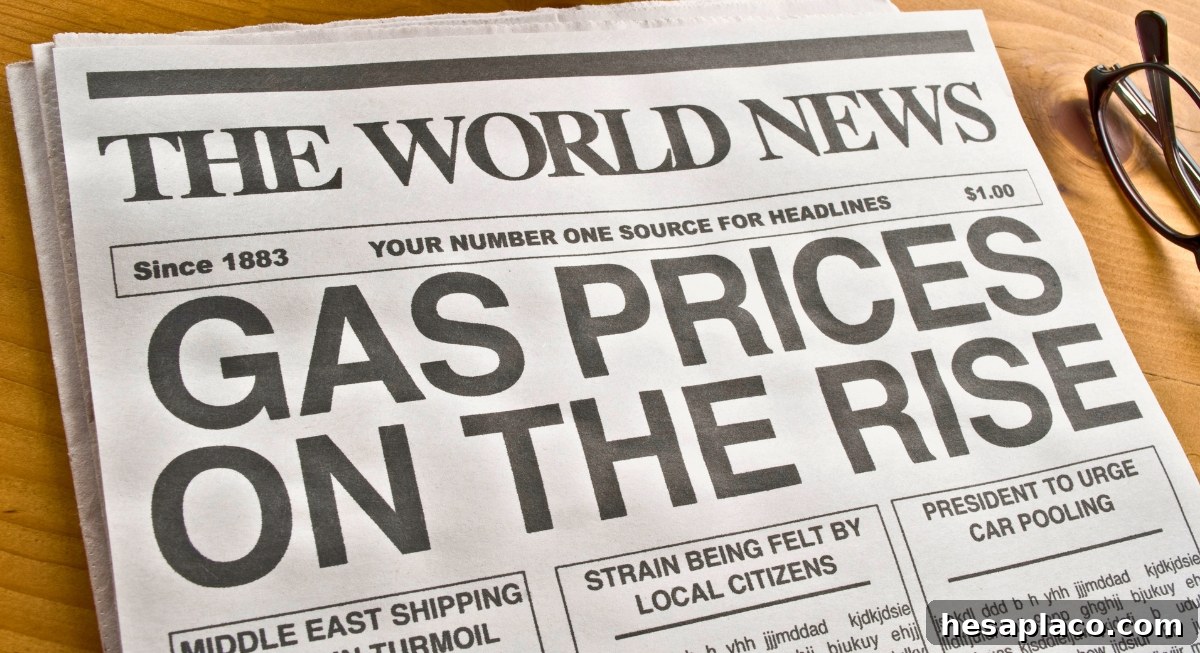
Events like Russia’s invasion of Ukraine show how quickly energy markets can become unstable. Concerns over supply disruptions and shipping routes pushed oil and natural gas prices higher, and businesses felt the impact immediately through increased shipping, manufacturing, and operating costs. Persistent volatility in energy prices forces firms to factor higher and less predictable costs into their planning.
Climate Disasters Affect Investment Choices

Credit: pexels
Wildfires in Canada, major floods in parts of Asia, and prolonged droughts in key agricultural regions demonstrate how climate change disrupts operations and supply chains. Industries that once viewed extreme weather as an occasional disruption now integrate climate risk into financial planning, insurance strategies, and capital allocation to protect assets and maintain continuity.
Consumers Are Spending More Carefully

Credit: pexels
After prolonged headlines about inflation, layoffs, market instability, and recession risks, many households have become more cautious. Consumers are postponing vacations, delaying luxury purchases, and avoiding large financial commitments until they see clearer economic signals. That shift in behavior affects demand across many sectors and makes revenue forecasting more difficult for companies.
Trade Policies Reshape Global Markets

Credit: pexels
Countries have shifted trade strategies in recent years, with China deepening economic ties with partners across Africa, Latin America, and Asia while many governments prioritize economic security and domestic industries. Similar policy changes elsewhere force multinational firms to rethink sourcing, manufacturing locations, and pricing structures to navigate a more fragmented global trade environment.
Debt Burdens Increase Financial Strain

Credit: pexels
Rising interest rates have increased pressure on companies carrying significant debt. Central banks raised rates to combat inflation, driving up borrowing costs and financing expenses. Many firms now allocate a larger share of revenue to interest payments, leaving less available for capital expenditure and growth initiatives.
Political Polarization Complicates Planning

Credit: pexels
Intense political debates across social media and traditional news add to uncertainty over trade, taxes, immigration, and regulation. Companies in heavily regulated sectors are especially cautious about large investments because policy shifts can occur quickly after elections or changes in leadership. That volatility in the policy environment complicates long-term decision-making.
Investors Watch Cash Reserves More Closely

Credit: pexels
When markets are volatile and recession fears dominate the news, investors pay closer attention to corporate cash positions. Companies with strong liquidity have greater flexibility to operate without relying on expensive financing, withstand short-term shocks, and seize strategic opportunities when conditions improve. As a result, cash reserves and balance-sheet strength have become central considerations for investors evaluating resilience and long-term prospects.