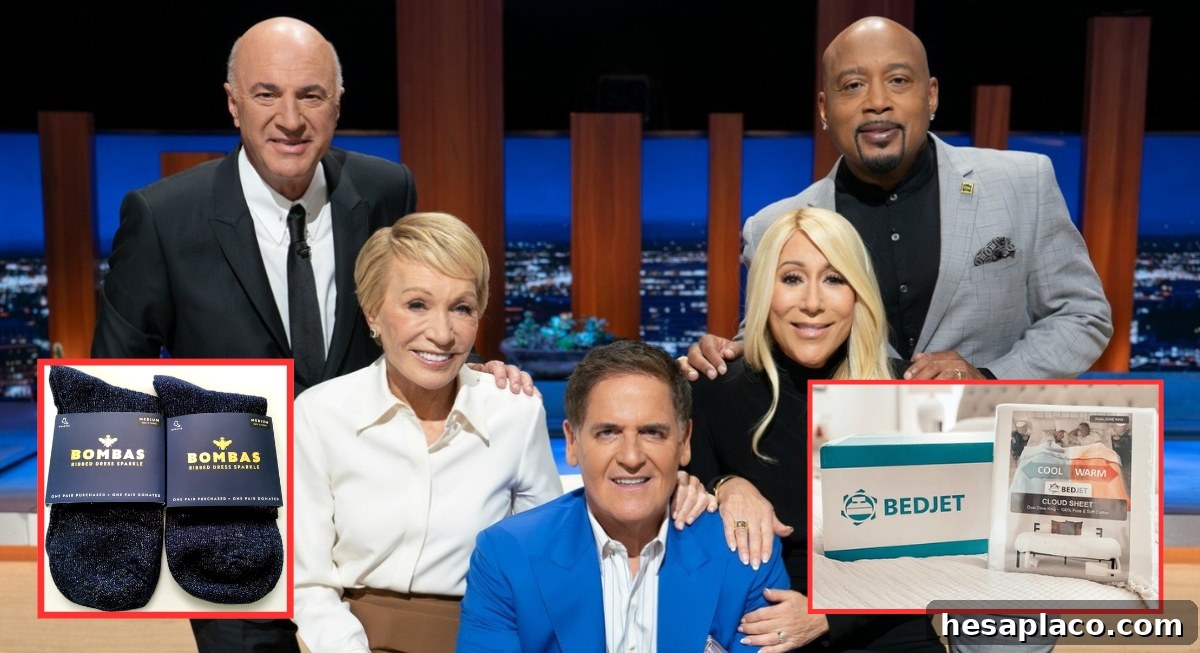
Not every Shark Tank appearance turns a company into a runaway success, and not every “no” was the right call. Over the years the Sharks have declined companies that later became household names and funded ventures that fizzled. With millions at stake, even experienced investors make mistakes.
Below are notable pitches that thrived after rejection, and those that collapsed despite Shark backing. Each example illustrates common lessons: timing, product-market fit, execution, and the realities of scaling a business.
Kodiak Cakes
Credit: Reddit
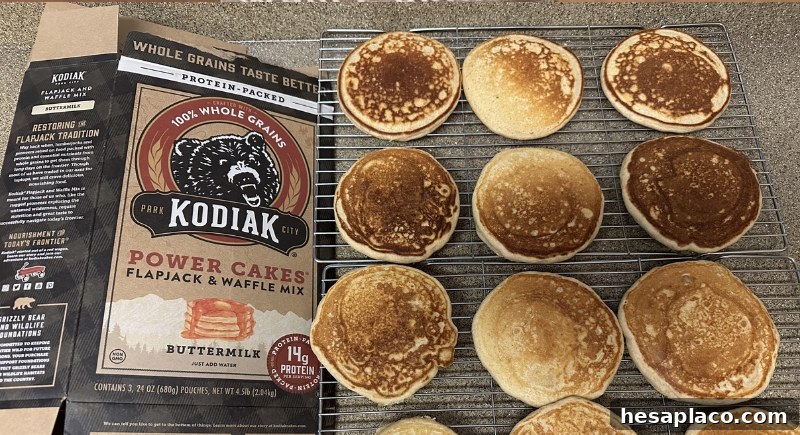
The Sharks dismissed Kodiak Cakes as too niche, yet the all-natural pancake mix brand became a grocery aisle powerhouse. Since its Season 5 appearance, Kodiak Cakes has scaled into a multi-million-box business, proving that a focused product with strong retail potential can become mainstream.
Bombas
Credit: Facebook
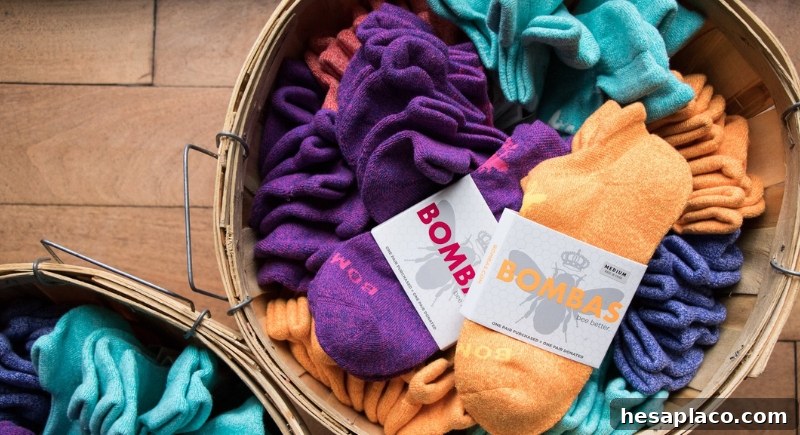
Most Sharks passed on Bombas’ simple mission: design a better sock and donate a pair for every pair sold. Daymond John invested, and the company grew into one of the show’s biggest successes. With more than $225 million in sales and millions of donated socks, Bombas shows how mission-driven branding plus product quality can unlock huge demand.
The Bouqs Company

Credit: Facebook
Farm-fresh flowers shipped directly from growers didn’t immediately resonate with the Sharks. Robert Herjavec later invested off-camera, and The Bouqs Company has since grown into a business exceeding $100 million in revenue. This case underscores that timing and follow-up capital can be decisive.
Coffee Meets Bagel

Credit: Instagram
When Mark Cuban offered $30 million to buy Coffee Meets Bagel on air, the founders declined and chose independence. They later raised over $23 million and built a reputable dating app focused on meaningful connections, demonstrating that rejecting an acquisition can pay off when founders have a long-term vision.
Drop Stop
Credit: Instagram
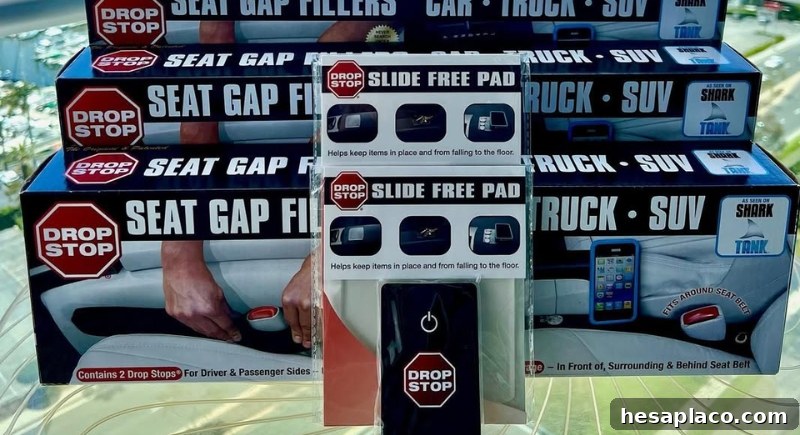
Drop Stop addressed a universal nuisance—items falling into the gap between car seats and the console. Lori Greiner recognized the idea’s appeal while other Sharks passed. Since airing, Drop Stop has generated over $24 million in sales, proving that solving an obvious everyday problem can create a large, sustainable market.
BedJet
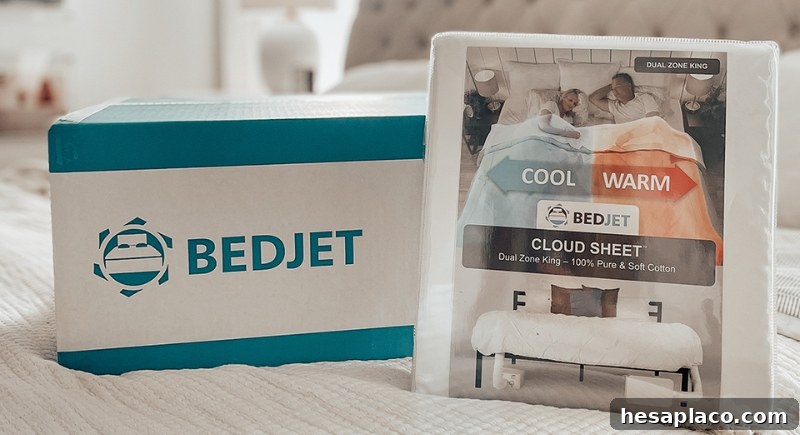
Credit: Instagram
A bedside climate control system sounded unusual to some Sharks and drew skepticism, but founder Mark Aramli found a dedicated customer base. BedJet turned into a multimillion-dollar brand, showing that unconventional products can succeed when they meet a clear consumer need.
Chef Big Shake
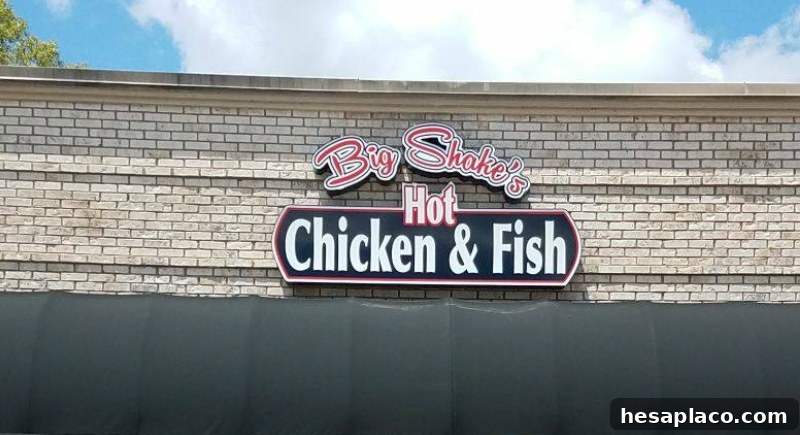
Credit: Facebook
Shawn Davis’ seafood burger concept didn’t win over the Sharks, but angel investors provided $500,000 in funding. Chef Big Shake secured retail placement and launched a franchise, illustrating that alternative funding sources and strong execution can overcome on-air rejection.
Breathometer
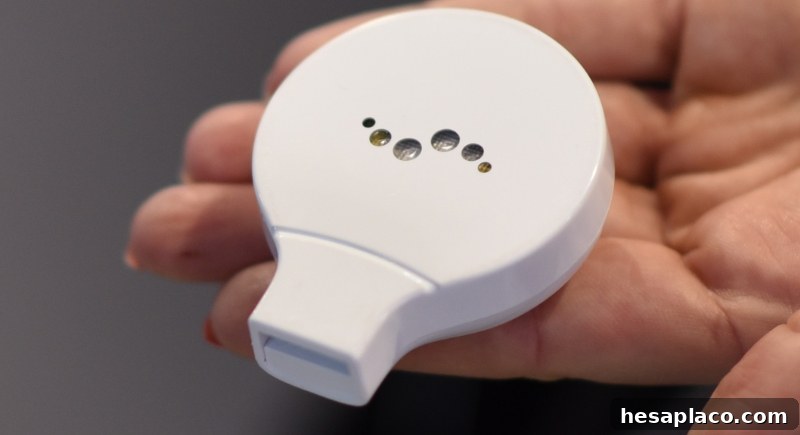
Credit: Wikipedia
Breathometer promised a smartphone-connected breathalyzer but failed on execution. Regulatory scrutiny, accuracy problems, and poor customer support undermined the product. Despite all five Sharks agreeing to fund it on camera, the company ultimately faltered—highlighting the importance of validated technology and reliable service for consumer devices.
ToyGaroo
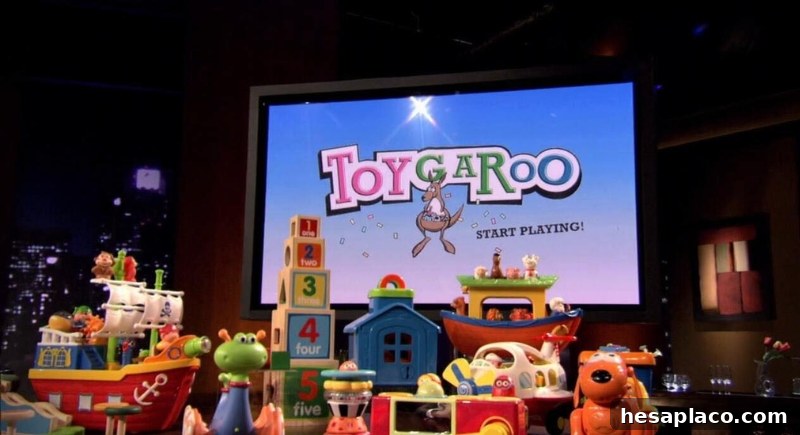
Credit: Instagram
Market demand met ToyGaroo’s rental model, but the company collapsed under the weight of operational complexity. High inventory costs, inefficient logistics, and overwhelming growth led to bankruptcy within a year. ToyGaroo’s story is a cautionary tale: demand without infrastructure can be fatal.
Body Jac

Credit: Facebook
Body Jac, a device designed to assist with push-ups, attracted investment from Kevin Harrington and Barbara Corcoran in Season 1. Despite early attention and a personal commitment from the founder to improve his fitness, sales never took off. Corcoran later called it one of her worst investments, underscoring that even good media exposure can’t always compensate for limited market demand.
Sweet Ballz

Credit: Facebook
Sweet Ballz combined a catchy name with an appealing product and secured Shark investment, but internal conflict between co-owners led to a damaging legal dispute. The public falling out damaged sales and brand value, showing how fragile early-stage companies can be when founders lose alignment.
ShowNo Towels

Credit: Facebook
ShowNo Towels, a poncho-style kids’ towel, seemed like a perfect fit for Lori Greiner and she invested on-air. Post-show obstacles—failed retail deals and execution issues—prevented the company from scaling. The product had potential, but missed partnerships and operational problems kept it from succeeding.
CATEapp
Credit: Youtube
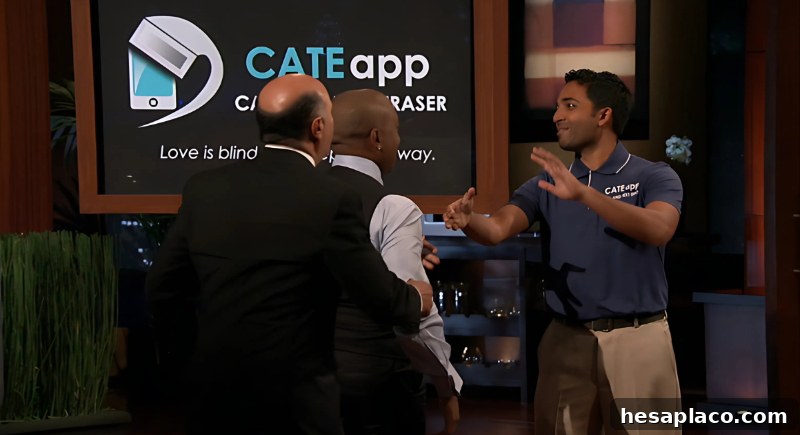
Billed as a scheduling and communication tool for students, CATEapp generated on-screen buzz but failed to gain traction after the episode. Limited press, low download numbers, and a crowded market contributed to its disappearance from the app landscape. This example highlights how difficult it is for tech products to sustain momentum without clear differentiation and user retention.
Sullivan Generator
Credit: Youtube
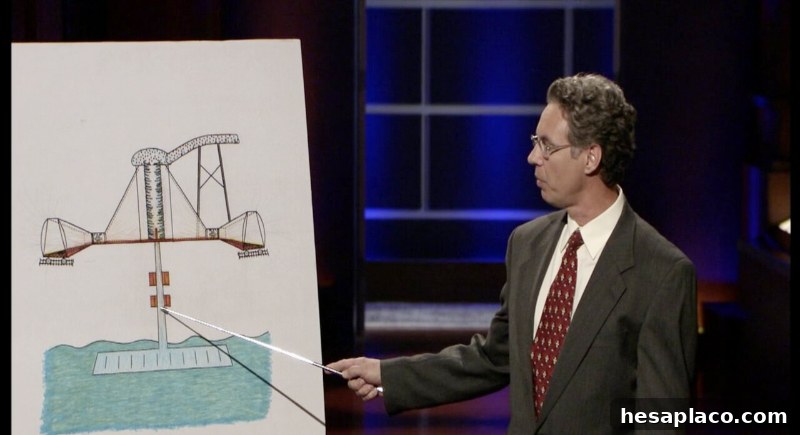
Dennis Sullivan claimed his machine could generate power and even produce gold. Kevin Harrington and Barbara Corcoran invested, but the underlying technology proved dubious and the market never materialized. The Sullivan Generator demonstrates the risks of investing in products that lack scientific credibility and a realistic path to revenue.
Cougar Energy
Credit: Facebook
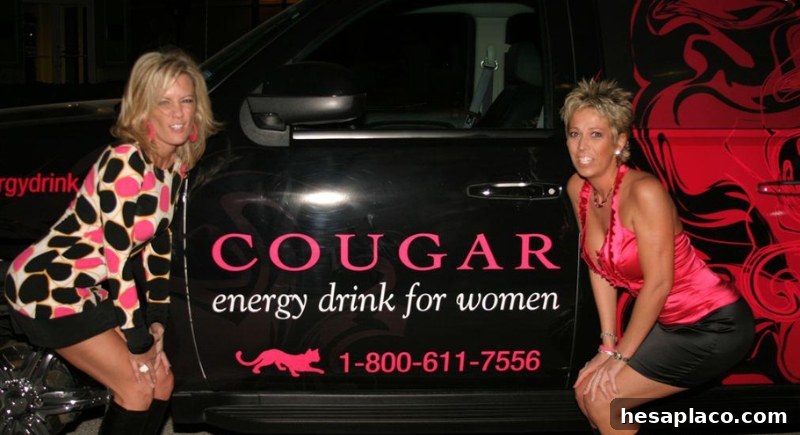
An energy drink aimed at older women was a bold niche play that secured funding in Season 2, but weak branding, questionable health claims, and limited retail appeal hampered growth. It’s a reminder that a clearly defined target audience must be matched with strong messaging and distribution to succeed.
Ring
Credit: Facebook
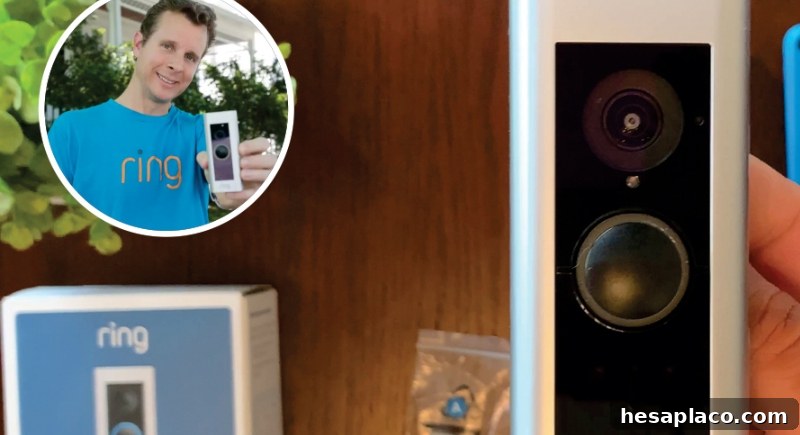
Jamie Siminoff’s smart doorbell failed to impress the Sharks beyond a loan offer from Kevin O’Leary. Siminoff left the tank, secured celebrity backing, and ultimately sold Ring to Amazon for $1 billion. Ring’s success highlights how a persuasive product demo and clear consumer need can create a new category, even if on-air investors don’t see it.
Copa Di Vino
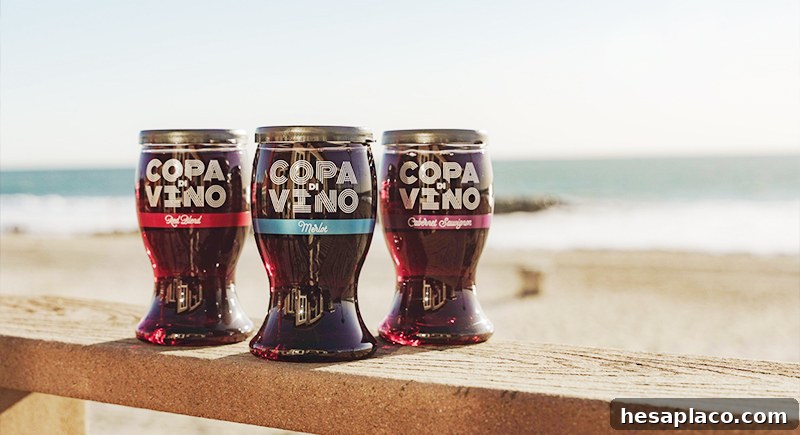
Credit: Facebook
Copa Di Vino’s single-serve wine by the glass seemed niche to the Sharks, and even a follow-up pitch didn’t secure a deal. The founder persisted, placing the product at events, retail locations, and airlines. Sales grew into the tens of millions, showing that persistence and creative distribution can win where on-air approval didn’t.
Scrub Daddy
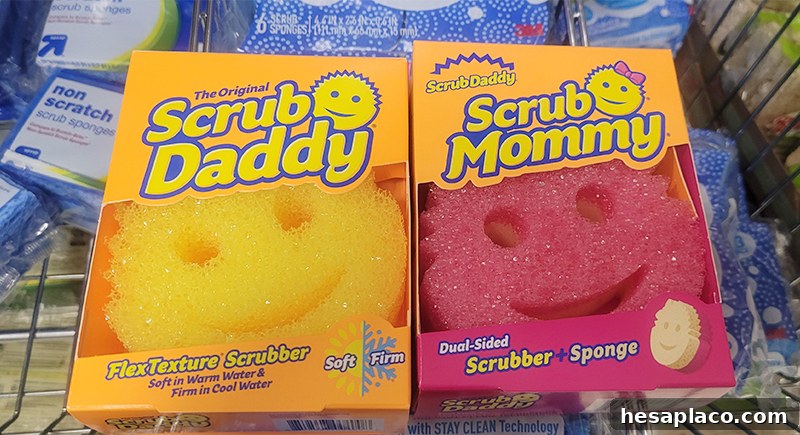
Credit: Reddit
Scrub Daddy’s unassuming sponge became memorable after a live demo showed how it changes texture in hot and cold water. Lori Greiner invested, and the product exploded in sales—eventually generating hundreds of millions of dollars in revenue. Scrub Daddy remains one of Shark Tank’s most striking success stories, demonstrating the power of a compelling demonstration and mass-market appeal.