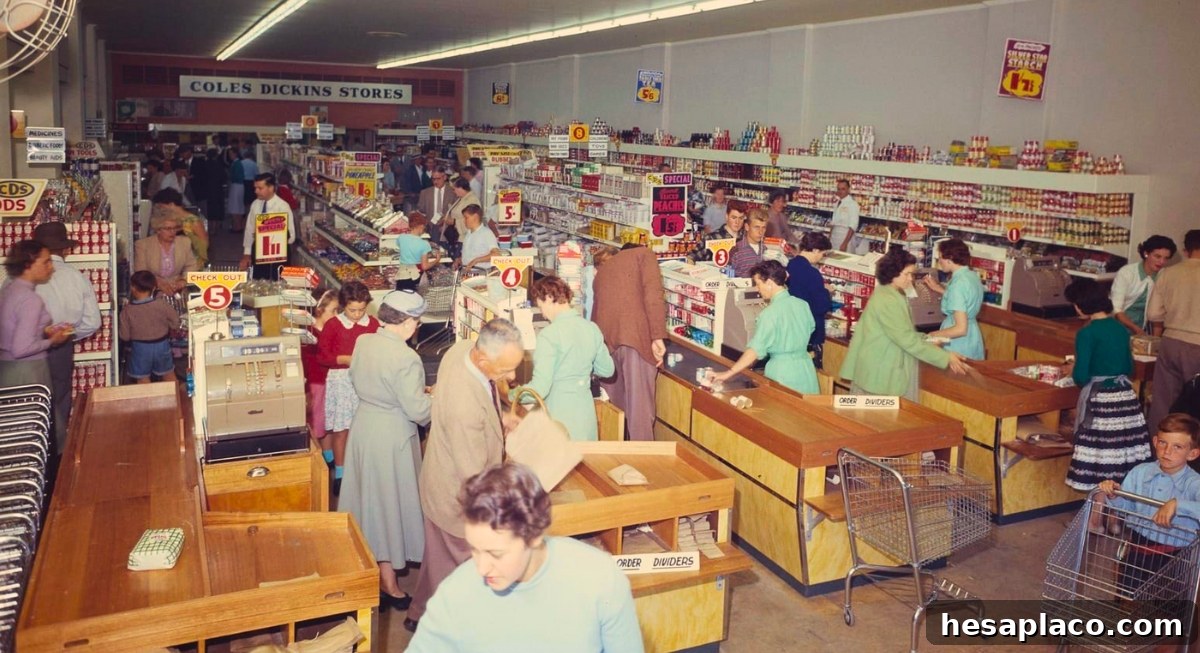
In 1972, a pocketful of change could cover dinner, a movie, and a tank of gas. By 2025, the same items may not even get you past the checkout. What changed most is prices: over decades, inflation and shifting market forces have altered the cost of everyday goods and services.
Using historical figures from the U.S. Bureau of Labor Statistics and archived advertisements for 1972 values, and contemporary national averages from government and industry sources for 2025 estimates, we compared common items across 50+ years. Actual costs vary by region, store, brand, and timing, but the general trend is clear: many staples that were once cheap have become significantly more expensive.
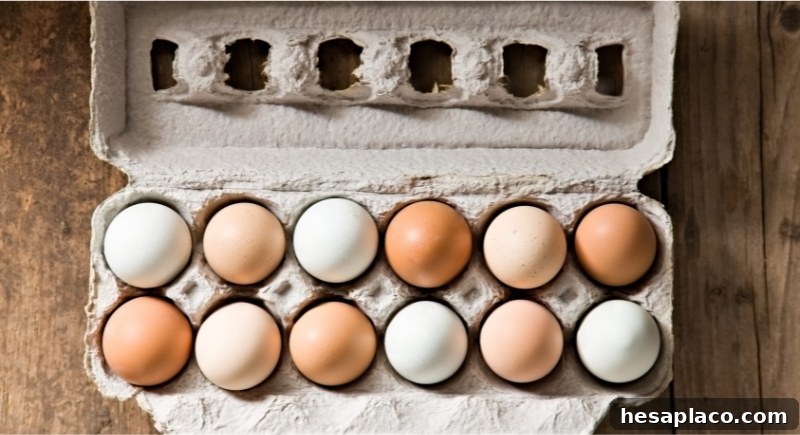
Dozen Eggs (1972: $0.61 – 2025: $5.12)
Credit: Getty Images
Eggs were once a no-brainer purchase; you could buy a spare dozen without thinking. In recent years, however, outbreaks of avian diseases, rising feed and transportation costs, and supply-chain disruptions have driven prices up. Even low-cost outlets no longer guarantee bargain prices on eggs.
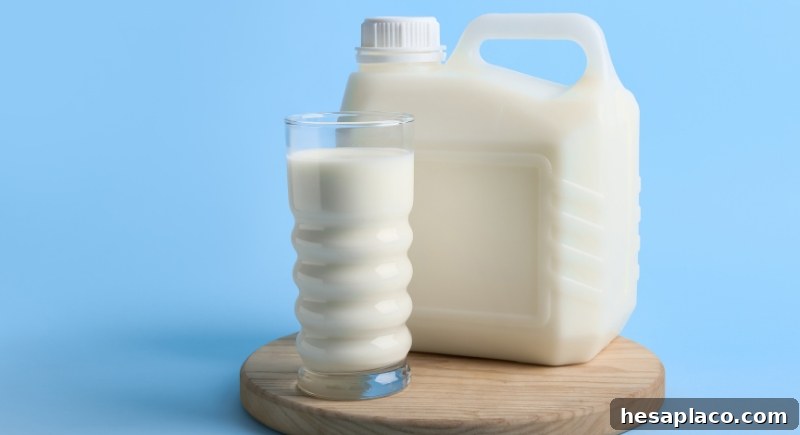
Gallon of Milk (1972: $0.33 – 2025: $4.00–$4.50)
Credit: pixelshot
Milk remains a household staple, but costs have climbed. Factors such as higher fuel prices, packaging expenses, changes in dairy production, and labor costs all contribute. It still provides nutrition, but the price of that daily habit has increased substantially.
Loaf of Bread (1972: $0.25 – 2025: $1.75–$2.50)

Credit: Getty Images
Bread is often an economic bellwether. While basic loaves remain relatively affordable, specialty and artisanal breads have seen steeper price increases. Persistent, incremental hikes in ingredient and energy costs have steadily pushed prices upward over time.
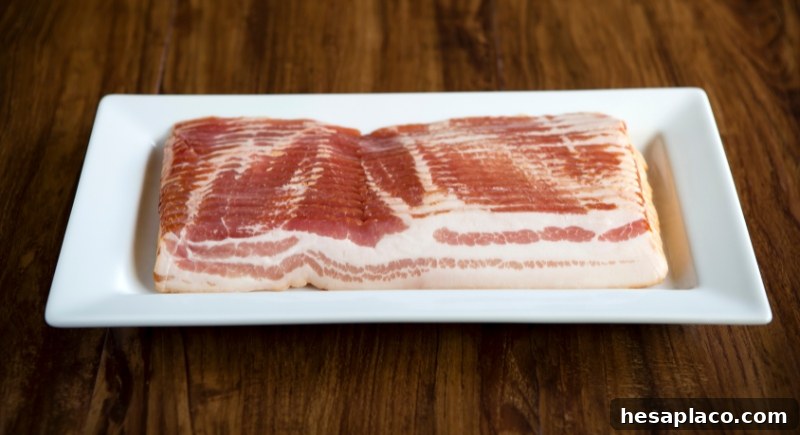
Pound of Bacon (1972: $0.97 – 2025: $7.01)
Credit: Getty Images
Bacon’s popularity and periodic industry disruptions have driven up prices. Production costs, feed prices, and market demand all influence pork prices, making bacon substantially more expensive than it was in the early 1970s.
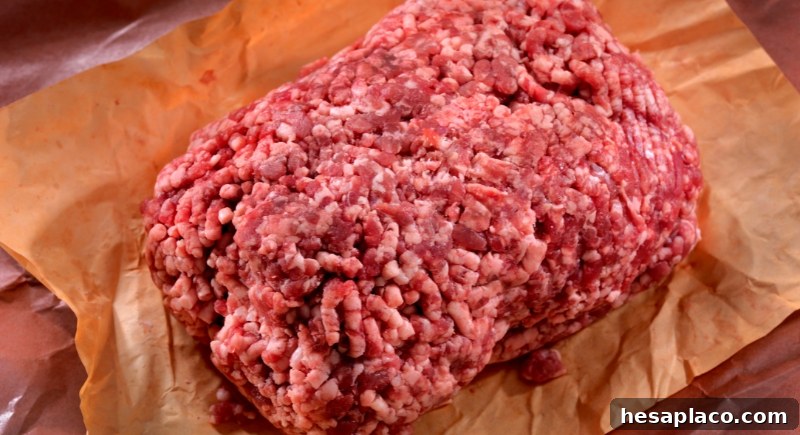
Pound of Ground Beef (1972: $0.65 – 2025: $5.80)
Credit: Getty Images
Ground beef was once an affordable mainstay for family meals like tacos and chili. Today, meat prices have risen, prompting shoppers to hunt for sales, compare fat contents, or substitute other proteins. Leaner cuts approach premium price territory.
Gallon of Gasoline (1972: $0.36 – 2025: $3.18)

Credit: Getty Images
Gasoline was cheaper and simpler in 1972, but modern prices fluctuate with regional supply, geopolitical events, and refinery capacity. While electric vehicles are gaining adoption, many households still depend on gasoline, and pump prices remain a significant household expense.
New Car (1972: $3,900 – 2025: $48,641)

Credit: pexels
Modern cars are loaded with technology—touchscreens, advanced safety systems, and connectivity—that adds to the average sticker price. While these features improve comfort and safety, they also contribute to significantly higher average new-car costs compared with the 1970s.
Average House (1972: $27,000 – 2025: $503,800)

Credit: Getty Images
Housing costs have surged far beyond general inflation in many markets. Where the average home once cost roughly what a used SUV might today, modern home prices often require down payments larger than the total cost of a house in 1972. Interest rates, local supply and demand, and land values all factor into the steep rise.
Man’s Suit (1972: $70 – 2025: $300–$600)

Credit: Canva
Once a standard rite of passage, a suit is now a more occasional purchase for many men. Workplace dress codes have relaxed, and the cost of quality suits and tailoring has increased, making well-made suits a less common, more deliberate buy.
Movie Ticket (1972: $1.75 – 2025: $12.22)

Credit: Getty Images
A trip to the cinema in 1972 was an inexpensive evening out. Today, ticket prices combined with concessions and parking can make a movie night feel like a small splurge. Streaming services offer cheaper alternatives for many, though theaters still offer a unique shared experience.
College Tuition (Private, 4-Year) (1972: $3,740 – 2025: $43,350)

Credit: pixelshot
Higher education costs have risen dramatically, especially at private institutions. What once cost less than a used car can now rival or exceed the price of a home in some areas. Financial aid and loans help but frequently leave graduates carrying heavy debt burdens.
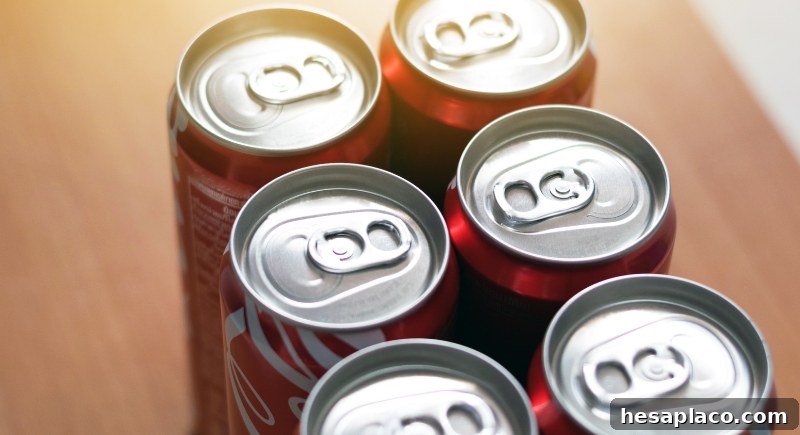
Cola (6-Pack) (1972: $0.69 – 2025: $5.00)
Credit: Canva
A six-pack of soda used to be a negligible add-on to a grocery bill. Today, sugar taxes in some places, packaging costs, and branding contribute to higher prices, turning a once-impulse purchase into a more deliberate choice for many shoppers.
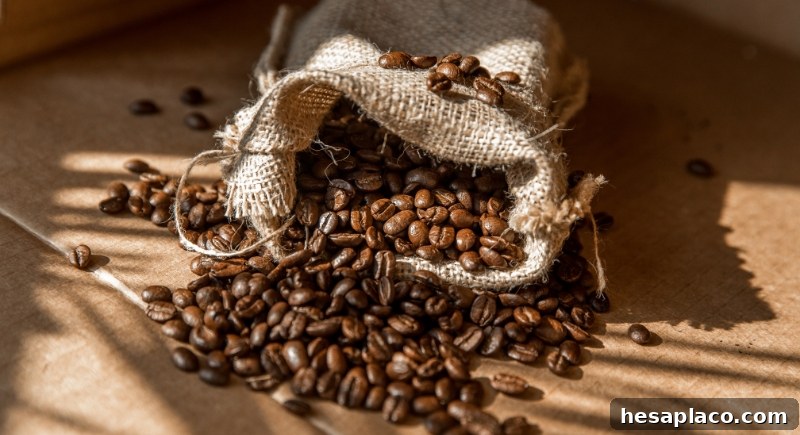
Pound of Coffee (1972: $1.59 – 2025: $8.00–$20.00)
Credit: pexels
Coffee prices vary widely depending on roast, origin, and whether it’s a mass-market or specialty product. Climate impacts on coffee-growing regions, increased global demand, and the rise of specialty coffee have pushed some beans to far higher price points compared with the 1970s.
Quart of Orange Juice (1972: $0.31 – 2025: $4.44)

Credit: Getty Images
Weather events, crop diseases, and declining yields in citrus-producing regions have reduced supply and raised the cost of orange juice. What was once a routine breakfast item has become, for many households, an occasional purchase.
Box of Cereal (1972: $0.50 – 2025: $3.50–$7.00)

Credit: pexels
Cereal prices have climbed while box sizes and formulations have changed. Marketing, packaging upgrades, and ingredient cost increases mean a mid-sized box today can cost more than it did decades ago, especially for branded or specialty varieties.
Postage Stamp (1972: $0.08 – 2025: $0.73)

Credit: pexels
Sending mail has become costlier over time as operational costs rise and mail volumes fall. The increase in the price of a first-class stamp reflects ongoing postal service expenses, infrastructure needs, and broader economic trends.
First-Class Letter (1972: $0.08 – 2025: $0.73)

Credit: iStockphoto
Mailing a basic first-class letter mirrored the cost of a single stamp in 1972. Today, the price reflects the same factors affecting postage: rising costs to process, transport, and deliver mail combined with lower overall volumes of mailed letters.
Across food, fuel, transportation, housing, and services, the price comparison between 1972 and 2025 highlights how much everyday life has changed. Some increases reflect genuine improvements in goods and services, while others stem from supply constraints, regulatory shifts, and macroeconomic trends. For consumers, the result is a landscape where many basic items once taken for granted now represent a larger share of household budgets.