
Work doesn’t stand still for long, and right now change is moving faster than many expected. Skills that once felt dependable can quickly lose value as new tools and methods arrive. It’s tempting to assume you’ll have time to adapt, but that window can close sooner than you think. The following ten points explain where things are headed and what could put your current skill set at risk.
Automation Isn’t Waiting For Permission
Credit: Canva
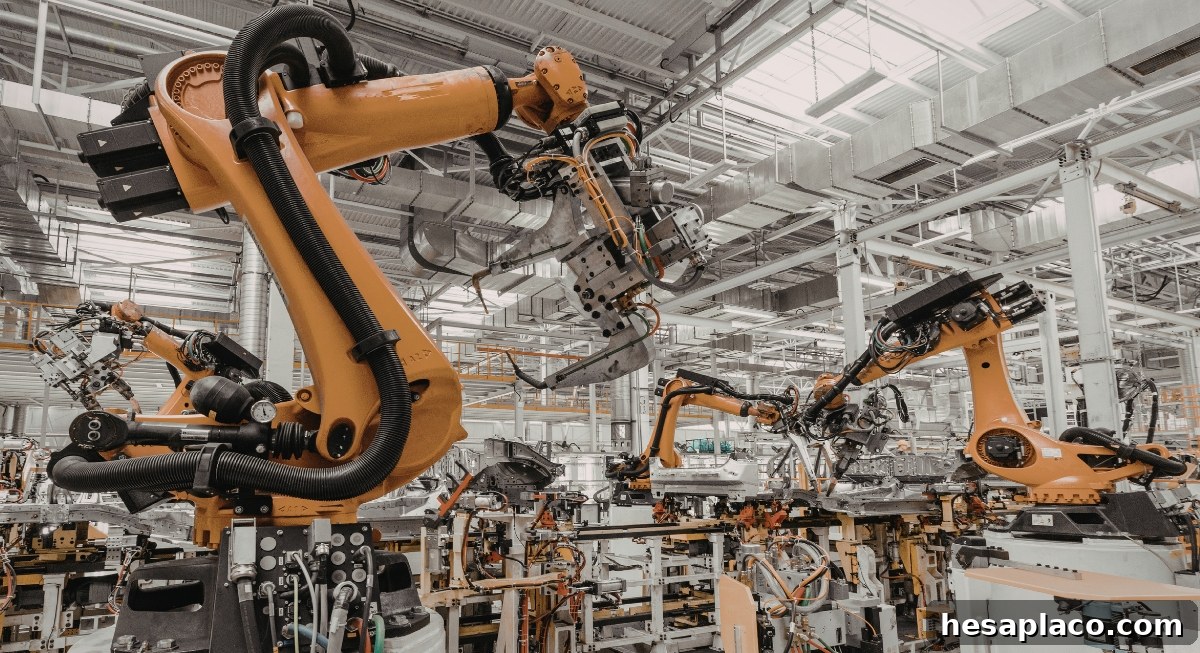
Machines seldom replace entire roles at once. Instead, they chip away at specific tasks over time. Data entry, scheduling, and parts of legal research already rely heavily on automated tools in many workplaces. A job may still exist, but the portion performed by humans keeps shrinking. That gradual erosion is easy to overlook until it becomes significant.
Experience Doesn’t Guarantee Relevance

Credit: Canva
Experience matters, but it doesn’t automatically keep you current in a rapidly changing digital world. Systems and workflows can evolve far faster than personal habits. A seasoned professional may still produce results using older tools, but modern environments often demand a different way of thinking. Recruiters increasingly value adaptability and the ability to learn quickly alongside traditional experience.
AI Learns Faster Than Training Cycles

Credit: Canva
Training and certification programs take time, while artificial intelligence tools can update and improve continuously in the background. Tasks such as drafting reports, analyzing data, and spotting patterns are increasingly handled or assisted by AI. When tool capabilities advance faster than training cycles, portions of human skill sets can become outdated sooner than expected.
Entry-Level Roles Are Changing Shape

Credit: pexels
Entry-level jobs are undergoing significant transformation as software handles more repetitive tasks. Internships and junior positions once served as training grounds for manual or routine work. Today, automation manages much of that workload, prompting many companies to redesign these starting positions to focus on skills that machines can’t easily replicate.
Remote Work Is Raising The Bar

Credit: pexels
Remote work broadened the talent pool for many positions. Roles that once drew local applicants now attract candidates from around the globe, which quietly raises expectations. Consistent performance may no longer be enough to stand out; demonstrating distinct strengths, clear impact, and strong communication has become more important than ever.
Tools Are Replacing Process Knowledge

Credit: iStockphoto
Many tools now handle the step-by-step processes people once mastered. Understanding the whole workflow still helps, but it doesn’t set you apart as it once did. The most valuable skills today involve directing these tools, interpreting their outputs, and integrating them into purposeful work. Without shifting toward that capability, knowledge of manual processes can rapidly lose value.
Industries Are Blending Together

Credit: pexels
Job roles no longer fit into neat, separate categories. Marketing overlaps with data analytics, finance relies on technology, and healthcare depends increasingly on digital systems. Specializing narrowly can make it harder to stay relevant. Professionals who can move across domains and link different types of work are more likely to retain value as industries converge.
Certifications Don’t Last Forever

Credit: Canva
In fast-moving sectors such as technology, certifications often require frequent renewal to remain meaningful. In other fields, credentials retain value for longer periods. Relying solely on past certifications can create a skills gap over time. Continuous learning and periodic updates help ensure credentials reflect practical, up-to-date knowledge.
Soft Skills Are Becoming Technical Assets

Credit: Canva
Soft skills are now technical assets. The separation between pure technical ability and communication or collaboration is fading as workplaces require both. Teams navigate complex tools and distributed schedules where clarity and concise explanations save time and prevent mistakes. Translating complex ideas into simple, actionable steps is increasingly valuable.
Comfort Is The Quietest Risk

Credit: pexels
The greatest danger isn’t failure but comfort. When your day-to-day routine feels easy, professional growth may have stalled. This quiet plateau often goes unnoticed until the broader landscape shifts and once-critical skills fade. Maintaining curiosity, seeking new challenges, and updating your toolbox are the best defenses against becoming obsolete.