
Losing money in the market isn’t always the result of picking the wrong stock. Often, it stems from avoidable decisions—selling in a panic, chasing trends without understanding them, or investing without a clear plan. With geopolitical tensions, persistent inflation, and rapid change driven by AI, emotions can easily shape choices. Below are 10 strategic mistakes that can erode wealth in 2026 and practical ways to avoid them.
Letting Fear and Greed Run the Show

Credit: pexels
Emotional decision-making has long been a costly factor for investors. Behavioral finance research shows that many retail investors underperform market benchmarks because they trade based on fear or excitement. A written investment plan with clear rules—target allocations, rebalancing timelines, and criteria for buying or selling—helps reduce emotional reactions. Rebalancing on a schedule instead of responding to every headline keeps the portfolio aligned with long-term objectives.
The Market Timing Trap

Credit: Getty Images
Waiting in cash for the “perfect” entry can feel disciplined, but it often reduces long-term returns. Historical data shows that missing a handful of the best trading days can dramatically lower portfolio performance. A systematic approach—investing at regular intervals through dollar-cost averaging—keeps your capital working and reduces the risk of missing pivotal market rebounds.
Thinking “Diversified” Means Safe

Credit: Canva
Owning multiple ETFs can give the impression of diversification, but many funds overlap in the same large-cap holdings. For example, by late 2024 the top ten companies represented a significant share of major US indices, concentrating risk in a handful of names. True diversification requires exposure across regions, industries, and asset classes—stocks, bonds, real assets, and alternative strategies—so a downturn in one area doesn’t drag the whole portfolio down.
Chasing Returns Without Understanding the Risk

Credit: pexels
Pursuing headline returns without fully understanding the instruments involved often leads to painful losses. Leveraged ETFs, complex structured products, and some crypto instruments can behave very differently than casual descriptions imply, especially over longer holding periods. Before investing, learn the mechanics, potential downside scenarios, and how a product fits into your broader plan.
Holding No Cash Buffer

Credit: pexels
Maintaining an emergency fund—typically three to six months of living expenses—in a low-risk account provides stability when markets turn volatile. Financial planners and consumer-protection guidelines recommend this buffer because it reduces the need to liquidate investments at unfavorable times. Without cash reserves, short-term financial pressure can force rushed decisions and lock in losses when markets are down.
Ignoring Personal Financial Reality

Credit: Getty Images
Investment strategies must reflect individual circumstances. A 30-year-old with decades to grow wealth faces very different choices than a 58-year-old approaching retirement. Time horizon, income stability, tax situation, and risk tolerance should drive allocation decisions. Copying a friend’s approach or following a podcast without adjusting for your own situation can lead to mismatches between goals and investments.
The Disposition Effect

Credit: Canva
Investors commonly sell winners too early and hold losers too long—a documented behavioral bias. Locking in small gains feels gratifying, while admitting a mistake by selling a loser feels painful. Left unchecked, this pattern erodes returns: top-performing positions are trimmed prematurely while underperforming holdings linger. Establishing rules for profit-taking and loss-cutting can counter this tendency.
Treating ETFs as a Guaranteed Safe Harbor
Credit: pexels
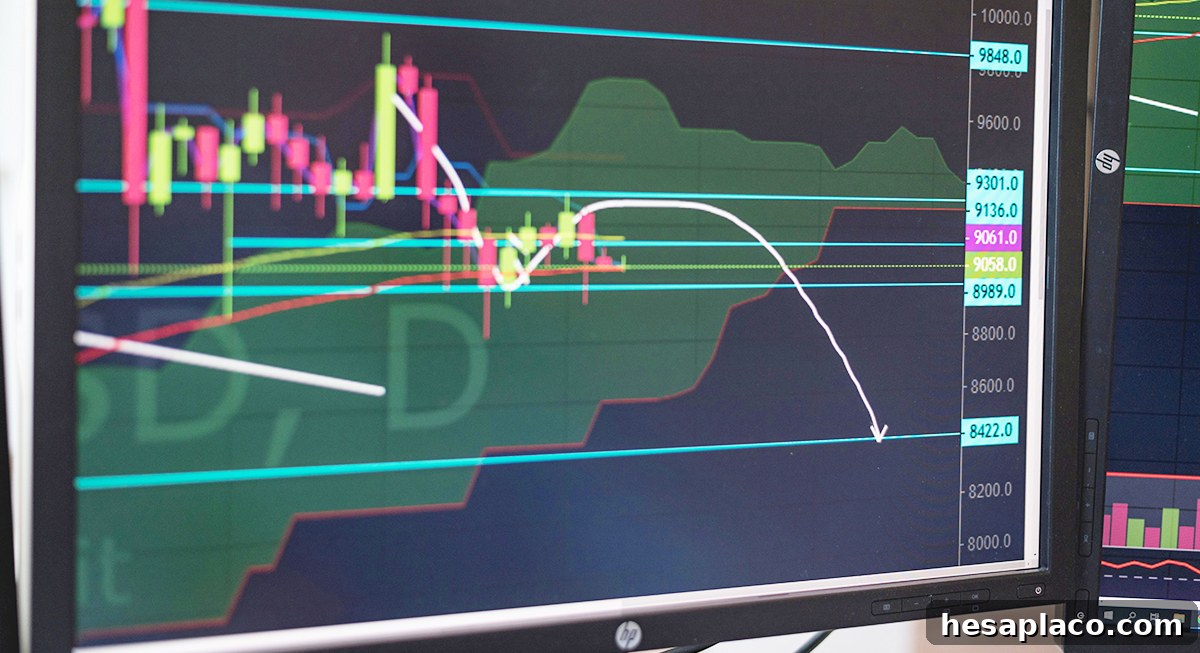
ETFs are efficient and often low-cost, but they are not risk-free umbrellas. Broad equity ETFs fell sharply during major market selloffs, and even core bond funds have experienced significant drawdowns in certain periods. ETFs simply track their underlying markets; they won’t protect a portfolio if the underlying assets decline. Proper portfolio construction and diversification, not just the vehicle type, determine resilience.
Misunderstanding What Gold Actually Does

Credit: Canva
Gold experienced a notable rally in recent years, which drew many individual investors. Central bank demand and geopolitical hedging were among the factors supporting prices. A modest allocation to gold can serve as a portfolio hedge or diversification tool, but treating it as a guaranteed safe haven or overweighting it introduces concentration and opportunity-cost risks. Understand why you hold gold and how it fits into your plan.
Overlooking Less Market-dependent Investment Options

Credit: pexels
Some assets have low correlation with public markets and can reduce overall portfolio volatility. Examples include certain private credit, litigation finance, and other alternative strategies that depend on legal or contractual outcomes rather than market cycles. These investments carry their own risks—liquidity, complexity, and fee structures—so due diligence is essential. For investors heavily exposed to market swings, adding genuinely uncorrelated exposures can improve diversification and resilience.
Protecting wealth in 2026 requires more than following headlines. It takes disciplined planning, realistic risk assessment, and diversified allocations that reflect personal goals and time horizons. Avoiding these common strategic mistakes helps preserve capital and position portfolios to benefit from opportunities over the long term.