
If your bank balance appears healthy but your business still feels like it’s limping from bill to bill, cash flow is likely the culprit. Cash flow problems often hide beneath solid profit numbers and can hit hard when bills are due and cash isn’t available. The good news: targeted changes can quickly improve your monthly cash position and reduce stress.
Lease What You Can

Credit: iStockphoto
Leasing equipment and vehicles rather than buying outright preserves working capital. Spreading payments over time prevents a large one-time cash outlay and gives you more breathing room for operating expenses. Lease payments are frequently tax-deductible, which can further ease the monthly burden.
Offer a Discount for Fast Payment

Credit: iStockphoto
Encourage quicker payments by offering small discounts for early settlement—2% if paid within 10 days, for example. The trade-off is a slight reduction in margin, but faster cash inflows often outweigh the cost by preventing late payments and easing short-term liquidity needs.
Send Invoices Immediately

Credit: iStockphoto
Prompt invoicing accelerates payment cycles. Delays in sending invoices are a common but avoidable cause of slow collections. Automating invoicing to go out immediately after job completion or delivery makes it easier for customers to pay on time and keeps cash flowing.
Use Electronic Payments for Bills

Credit: iStockphoto
Switching from checks to electronic bill payments saves time and lets you schedule payments closer to their due dates without risk of postal delays. That extended float keeps cash available longer and improves accuracy in budgeting and payment timing.
Ask for Better Payment Terms

Credit: iStockphoto
Talk to your suppliers about extending payment terms. If you’re a dependable buyer, many vendors will grant extra days. Even a two-week extension can smooth your monthly cash flows by aligning supplier due dates with customer receipts.
Improve Your Inventory Flow

Credit: iStockphoto
Slow-moving inventory ties up cash that could be used for higher-priority needs. Identify items with low turnover and stop automatic reorder points for them. Move excess stock through promotions or clearance sales to convert inventory into working capital that helps cover urgent expenses or restocking of top sellers.
Check Your Customer’s Credit First

Credit: iStockphoto
A sale isn’t real until you’re paid. Run basic credit checks or ask for trade references before offering extended terms. For higher-risk customers, require deposits, shorter payment windows, or upfront payment to reduce the chance of late or unpaid invoices.
Try Raising Prices Strategically

Credit: iStockphoto
Rather than cutting costs alone, consider a modest price increase where the market allows. Test changes on a limited set of products or services, measure customer reactions, and adjust. Even small, well-targeted increases can improve cash flow without damaging relationships.
Use a Business Credit Card With Perks

Credit: iStockphoto
A business credit card can serve as a short-term bridge when used responsibly. Cards with grace periods, rewards, or cash-back can offset expenses and buy time between paying suppliers and collecting receivables. Avoid carrying revolving balances; treat the card as a liquidity tool rather than a long-term loan.
Set Up Auto-Pay for Recurring Expenses

Credit: iStockphoto
Automating fixed monthly payments like rent, insurance, and subscriptions prevents missed deadlines and late fees. Auto-pay keeps predictable costs on schedule, reduces administrative overhead, and frees attention for revenue-generating tasks.
Encourage Bigger Orders With Incentives

Credit: iStockphoto
Offer incentives to increase order sizes—free shipping over a threshold, a bonus item, or tiered discounts for larger purchases. Larger transactions bring more cash per sale, reducing the need for a higher volume of small orders and improving collection efficiency.
Create a Subscription Option

Credit: iStockphoto
Recurring revenue smooths out monthly variability. If your offerings fit a subscription or retainer model, create packages that incentivize recurring billing. Even modest monthly subscriptions add predictability and make planning and cash management easier over time.
Sell Off Unused Assets

Credit: flickr
Unused machinery, furniture, or excess equipment collects dust and ties up funds. Selling these assets frees physical space and turns dormant value into immediate cash. Use local marketplaces or community groups to find buyers and redeploy proceeds where they’re needed most.
Offer Tiered Payment Plans

Credit: iStockphoto
When clients balk at large invoices, offer staged payment plans. Dividing payments into biweekly or monthly installments increases affordability for customers and gives you a more reliable, steady cash inflow. Clear terms and simple schedules help maintain trust and improve collection rates.
Join a Buying Group

Credit: iStockphoto
Buying groups let small businesses access bulk pricing and supplier discounts typically reserved for larger customers. Pooling orders with peers can reduce costs for supplies and materials, and those savings directly support your cash reserves instead of being spent on recurring vendor bills.
Review Your Service Contracts

Credit: pexels
Regularly audit subscriptions and service contracts. Small recurring charges add up, especially for underused tools. Canceling unnecessary services or renegotiating terms can free cash quickly without disrupting core operations.
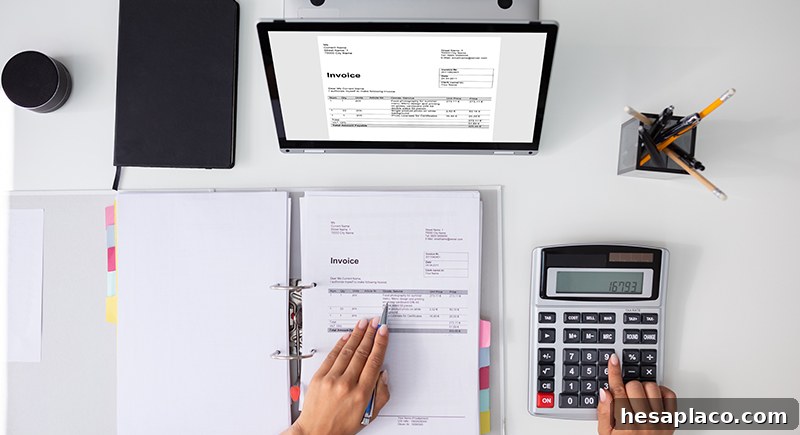
Implement Progress Billing
Credit: iStockphoto
Instead of waiting until a project ends to invoice, bill in stages as milestones are met. Progress billing delivers a steady stream of funds throughout a project, reducing the need to dip into reserves and helping you manage ongoing expenses more predictably.