
When money gets tight, even reasonable purchases can quietly become burdens. Whether your budget is shrinking, your job feels less secure, or you’re trying to be smarter with your cash, economic slowdowns don’t always announce themselves—but their effects are quick to show: layoffs, tighter credit, and slower business activity. That’s why steering clear of high-risk or nonessential spending matters more than ever.
Below are 17 purchases to reconsider or avoid when the economy starts contracting, with practical reasons and alternatives to help protect your finances.
Shiny New Cars

Credit: pexels
That new-car smell is irresistible, but a financed vehicle creates a recurring obligation that can become heavy when income falls. If your current car is still reliable, hold off on buying new and consider extending its life with routine maintenance. If a change is necessary, used vehicles with good reliability records are a safer, lower-cost route.
Bigger Homes with Bigger Headaches

Credit: Getty Images
Upsizing when home prices dip can be tempting, but a larger property brings higher mortgage payments, property taxes, utilities, and maintenance. Those extra costs add stress during downturns. Staying put or choosing a modest, well-priced home lets you preserve liquidity and reduce monthly obligations.
Home Renovations That Can Wait

Credit: Getty Images
Renovations can improve comfort and value, but remodeling projects often face cost overruns and supply delays—risks that grow during economic stress. If the work is cosmetic rather than essential, postpone it. Minor fixes and smart staging can wait until your financial position is firmer.
Luxe Vacations

Credit: Getty Images
Spending a lot on an upscale getaway can provide short-term relief from stress but may undermine long-term financial stability. Instead of draining savings on a big trip, consider local escapes, shorter stays, or staycations that let you reset without risking emergency funds.
Second Homes or Vacation Rentals

Credit: Getty Images
A second property can seem like a smart retreat or income source, but it brings ongoing costs—property taxes, maintenance, insurance, and vacancy risk. In a downturn, rental demand drops and expenses remain. If you’re not certain you can cover those costs during lean times, delay the purchase.
Fancy Gadgets You Don’t Need

Credit: iStockphoto
High-end electronics lose value quickly and newer models arrive regularly. Unless a device is essential for work or communication, postpone upgrades. Keeping older, functional tech and waiting for sales or price drops preserves cash when it matters most.
Subscription Overload

Credit: Canva
Subscriptions add up quietly. A monthly audit—checking streaming services, apps, memberships, and recurring deliveries—often uncovers easy savings. Cancel or pause services you rarely use and keep only what provides real value.
Designer and Name-Brand Clothing

Credit: Getty Images
If your closet functions well, skip high-priced fashion splurges. Affordable, classic pieces and discount retailers can meet your needs without hurting your budget. Prioritize essentials and save splurges for times when your finances are stable.
Items That Require Installment Plans
Credit: Getty Images
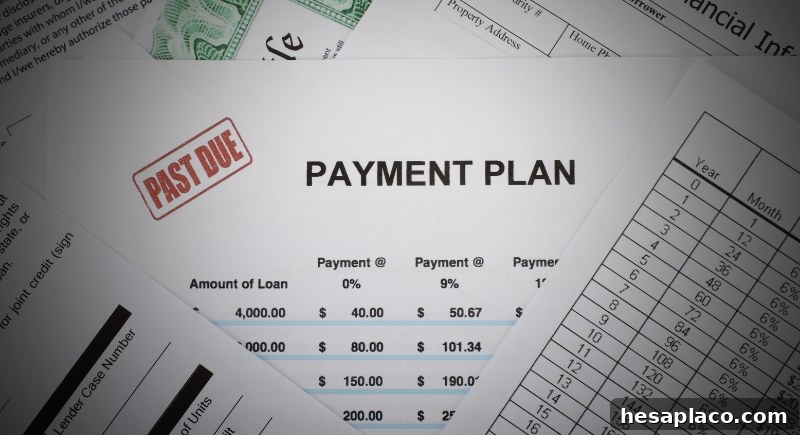
Monthly installment plans can make big purchases feel manageable, but they increase your fixed expenses. In a recession, those extra monthly charges can erode flexibility. If you can’t pay for something outright without stretching your emergency funds, it’s worth reconsidering.
Pricey Schools with Cheaper Equivalents

Credit: Canva
Private education can deliver value, but only if it’s affordable long-term. When tuition or fees strain your finances, explore strong public or lower-cost alternatives that still offer quality outcomes. Student loans and tuition commitments are riskier when job security is uncertain.
Refinancing Without a Clear Win

Credit: Getty Images
Refinancing can cut costs if it meaningfully lowers your rate or payments. But don’t refinance just for the sake of it; consider closing costs, loan terms, and potential risks. Only proceed when the numbers clearly favor you and you understand the trade-offs.
Personally Backing Business Loans
Credit: Getty Images
Using personal assets to secure business debt increases your exposure if the business struggles. During downturns, defaults and cash flow problems rise. Avoid personally guaranteeing loans unless you can afford to cover repayments without jeopardizing your household finances.
Impulse Grocery Splurges

Credit: Canva
Small grocery extras add up fast. Stick to a shopping list, choose store brands, and avoid frequent impulse buys. Bulk purchases for pantry staples and meal planning can lower costs while keeping variety in your diet.
High-End Convenience Upgrades

Credit: pexels
Smart appliances, robot vacuums, and luxury coffee makers are conveniences, not necessities. In tight times, prioritize essential expenses and postpone high-cost gadgets that offer lifestyle upgrades rather than financial value.
Investments Made on a Hunch
Credit: pixabay
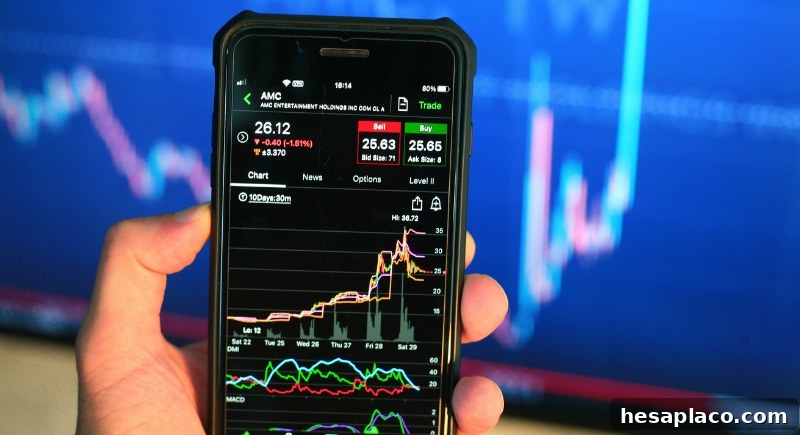
Speculative investments based on hype are particularly risky in volatile markets. Instead, stick to a long-term plan, maintain diversified holdings, and invest only in assets you understand. Avoid frantic buying or selling driven by short-term noise.
Jewelry and Luxury Watches

Credit: Getty Images
Luxury items like high-end jewelry and watches may seem like store-of-value purchases, but resale markets can be illiquid during downturns. Holding cash or liquid investments typically provides more flexibility than tying significant funds into luxury goods.
Timeshares

Credit: iStockphoto
Timeshares lock you into recurring fees and long-term commitments that don’t disappear when your budget tightens. If you’re unsure you’ll use the vacations or can afford the ongoing charges during a slowdown, skip the timeshare and choose pay-as-you-go travel options instead.
In uncertain times, the best financial moves are simple: preserve liquidity, reduce monthly obligations, and prioritize essentials. Delay discretionary purchases, review recurring expenses, and focus on emergency savings. Small changes now can prevent major stress later and help you weather an economic slowdown with greater confidence.