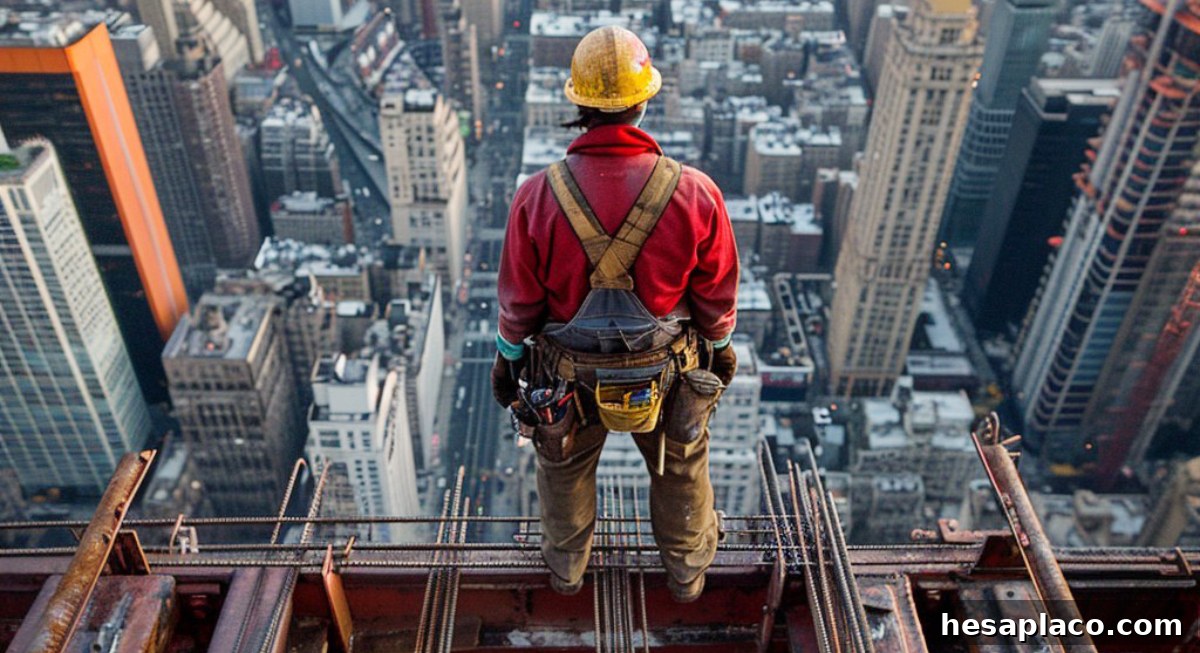
Office work can be stressful, but many Americans start their shifts knowing their job could be deadly. These occupations carry real risk—often involving great heights, heavy machinery, volatile environments, and rapid decisions—without necessarily offering high pay. The following overview highlights some of the most hazardous jobs in the United States, summarizing causes of fatality and the everyday dangers these workers face.
Logging Workers – 98.9 Deaths per 100,000
Credit: Canva
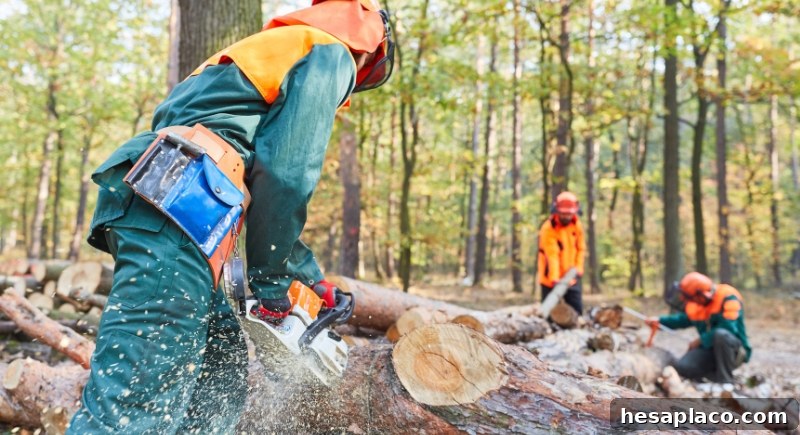
Logging is the most dangerous occupation listed. Crews working in remote forests contend with falling trees, heavy equipment, unstable ground, and sharp tools like chainsaws. Most fatalities occur when workers are struck by equipment or collapsing timber. The combination of unpredictable terrain and powerful machinery makes logging exceptionally hazardous, and many loggers earn under $42,000 a year despite the risks.
Roofers – 51.8 Deaths per 100,000
Credit: Getty Images
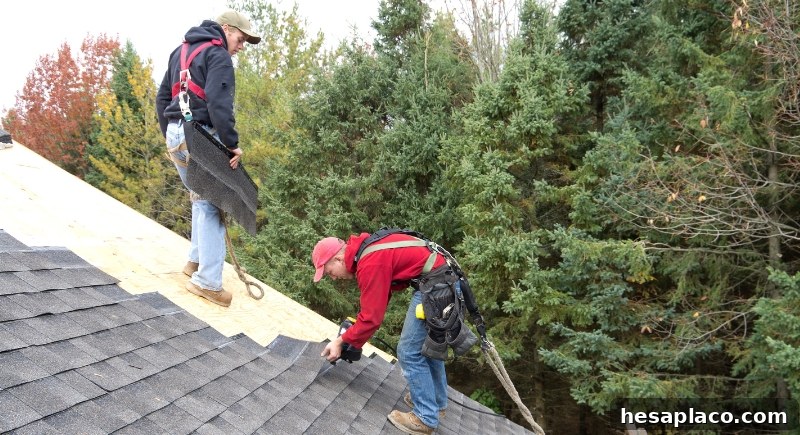
Roofers routinely work on sloped surfaces with power tools and hot materials, often in hot sun or wet conditions. Falls are the leading cause of fatalities in this trade, and a single slip or a poorly secured ladder can have catastrophic consequences. Safety measures and fall protection are crucial, but hazards remain high.
Garbage Collectors – 41.4 Deaths per 100,000
Credit: Canva
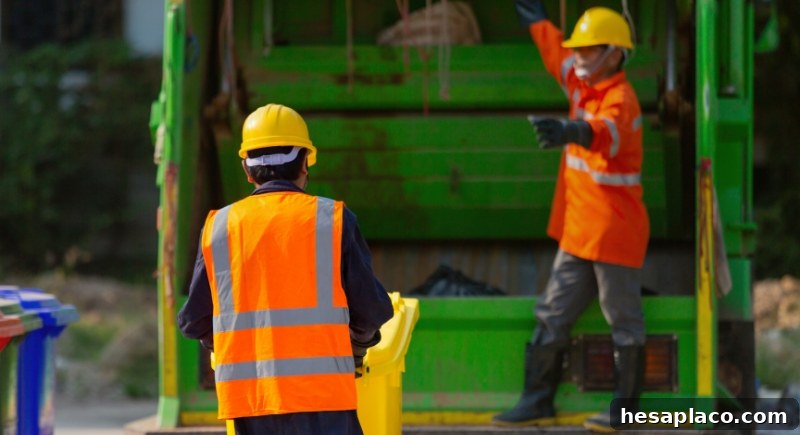
Garbage collectors face significant danger from transportation incidents—being struck by vehicles, pinned by compacting equipment, or injured during loading and unloading. The job is physically demanding, often performed along busy roadways or in low-visibility conditions. These essential workers deal with risks most of us rarely consider while tossing items to the curb.
Aircraft Pilots and Flight Engineers – 31.3 Deaths per 100,000

Credit: Wikimedia Commons
Pilots and flight engineers contend with weather, mechanical failures, and challenging terrain. Fatal incidents are more common in smaller aircraft or in remote operations rather than major airline flights. Despite potentially high pay in certain sectors, their margin for error is small and emergencies can develop rapidly.
Construction Helpers – 27.4 Deaths per 100,000
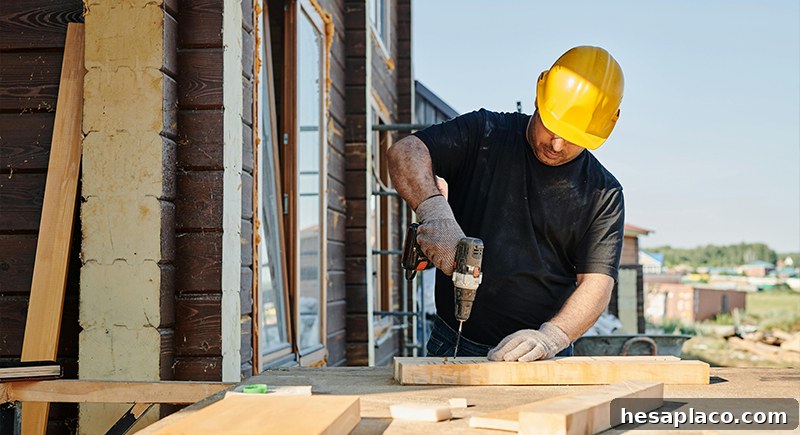
Credit: pexels
Construction helpers support skilled tradespeople by moving materials, setting up equipment, and maintaining worksites. Their tasks place them close to heavy machinery, hazardous tools, and elevated work areas. Physical strain plus constant exposure to site hazards contribute to a notable fatality rate.
Driver-Sales Workers and Truck Drivers – 26.8 Deaths per 100,000
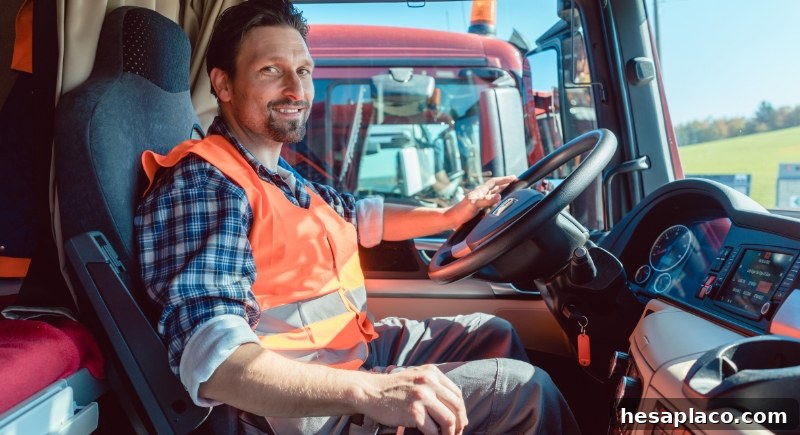
Credit: Canva
By sheer numbers, drivers experience many fatalities due to road-related crashes—nearly 1,000 deaths annually in this sector. Long hours, demanding schedules, nighttime driving, and fatigue increase the likelihood of severe accidents. Truckers and delivery drivers log enormous miles and face continuous exposure to highway hazards.
Farmers and Agricultural Managers – 23.5 Deaths per 100,000
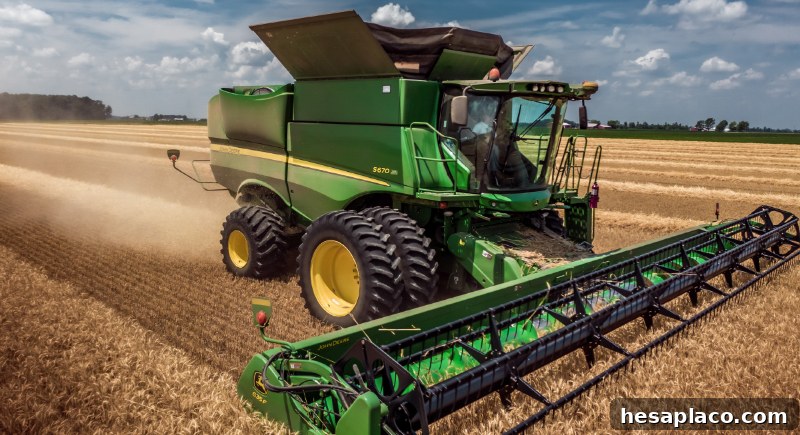
Credit: iStockphoto
Farming combines long hours, heavy equipment, unpredictable weather, and animals. Tractor rollovers are a leading cause of on-farm fatalities, and many incidents occur far from immediate medical help. The labor is relentless and can become dangerous quickly due to environmental and mechanical factors.
Landscaping Supervisors – 20.5 Deaths per 100,000

Credit: Canva
Supervisors in landscaping coordinate crews and perform or oversee tasks such as mowing, trimming, and planting. They and their teams face exposure to traffic, heavy equipment, and machinery-related accidents. Transportation incidents are a common source of serious injury and death in this field.
Ironworkers – 19.8 Deaths per 100,000
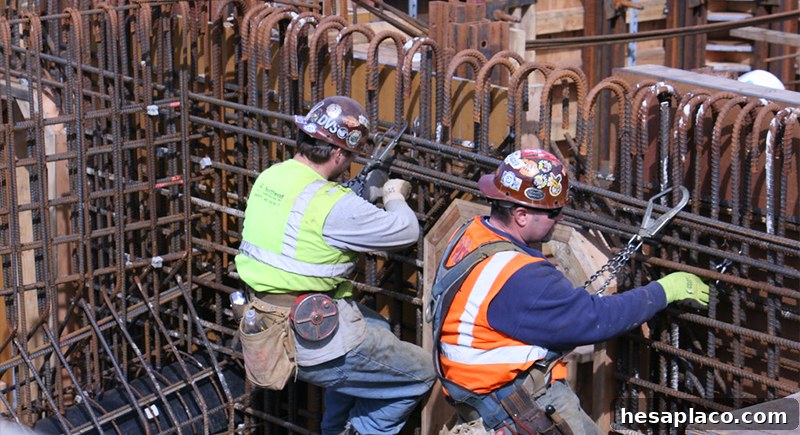
Credit: flickr
Ironworkers erect the structural framework of buildings and bridges, often working on narrow beams hundreds of feet above ground. They coordinate with cranes and contend with changing weather and shifting loads. Falls during installation or while guiding heavy components are the most frequent cause of fatalities.
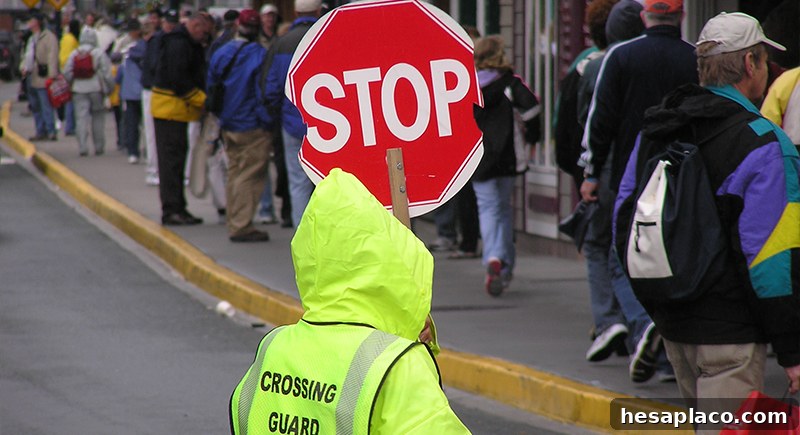
Crossing Guards – 19 Deaths per 100,000
Credit: Wikimedia Commons
Crossing guards protect pedestrians at schools and busy intersections, but they are vulnerable to inattentive or speeding drivers. Many fatalities occur when guards are struck by vehicles while directing traffic or assisting children across streets.
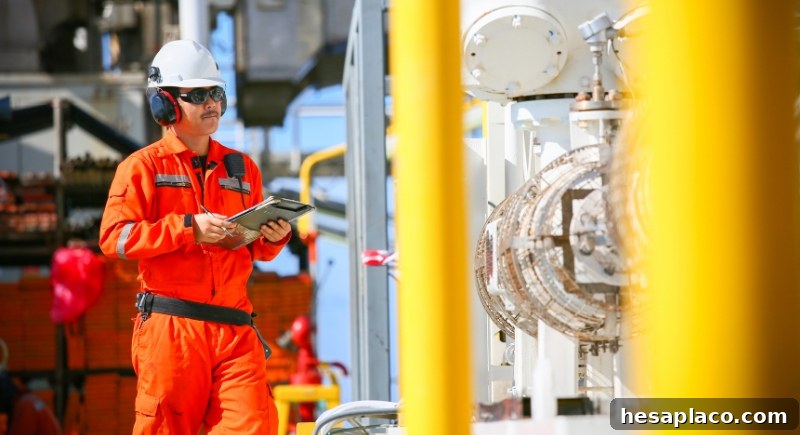
Derrick Operators in Oil, Gas, and Mining – 13 Deaths per 100,000
Credit: Getty Images
Derrick operators work on drilling rigs and extraction sites, handling rotating equipment and volatile substances. Work often occurs at height or in confined spaces, where mechanical failures, entanglement, and hazardous exposures present constant risks.
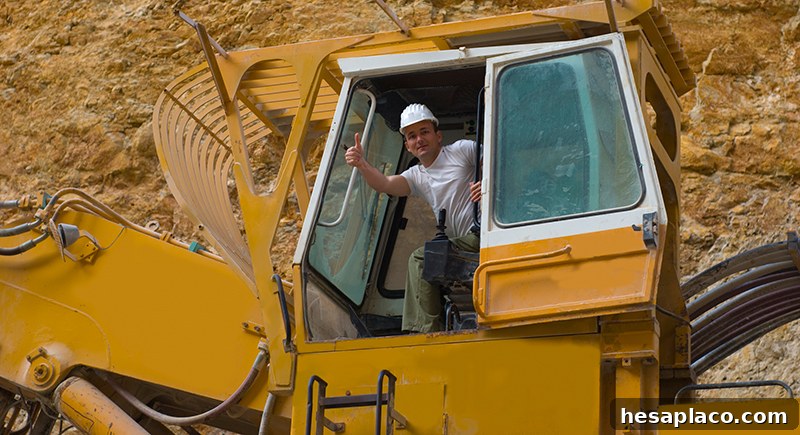
Mining Machine Operators – 13 Deaths per 100,000
Credit: iStockphoto
Mining machine operators run heavy equipment underground or in open pits to remove rock and ore. Confined spaces, unstable ground, and powerful machinery make this work dangerous; accidents can be sudden and severe, and remote locations can delay emergency response.
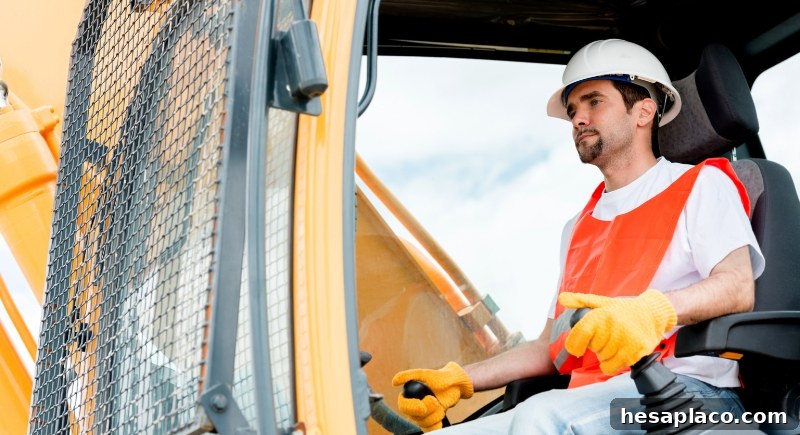
Crane Operators – 13 Deaths per 100,000
Credit: Canva
Crane operators lift and move massive loads on construction and industrial sites. Precision and constant situational awareness are essential; equipment failure, contact with power lines, or dropped loads can cause catastrophic outcomes.
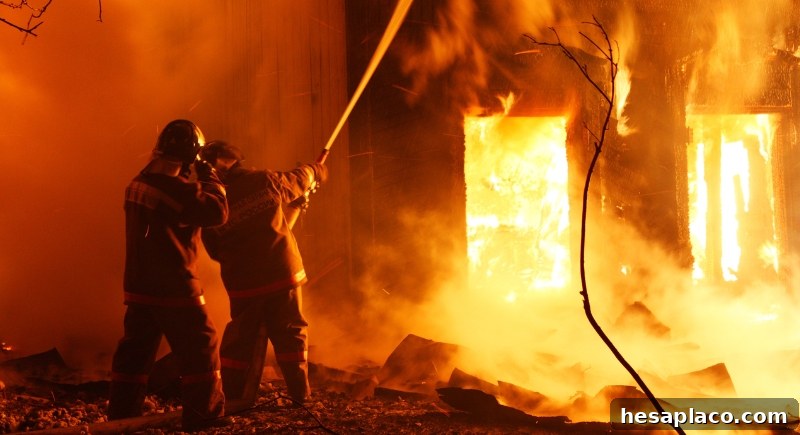
Firefighting Supervisors – 10.2 Deaths per 100,000
Credit: pexels
Firefighting supervisors lead crews into burning structures and disaster zones, facing flames, smoke, structural collapse, and heat-related hazards. While firefighting itself is perilous, traffic accidents during emergency response also account for a notable share of fatalities in the profession.
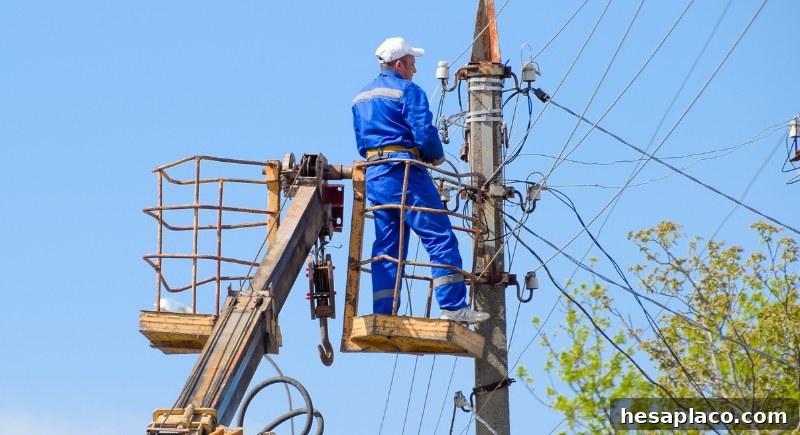
Electrical Power-Line Installers and Repairers – 8.8 Deaths per 100,000
Credit: eleonimages
Lineworkers regularly handle live electrical wires while working at height, often from aerial lifts and in severe weather. Electrocution is a leading cause of death, along with falls and equipment-related incidents. These crews are often first responders restoring power after storms, which adds urgency and danger to their duties.
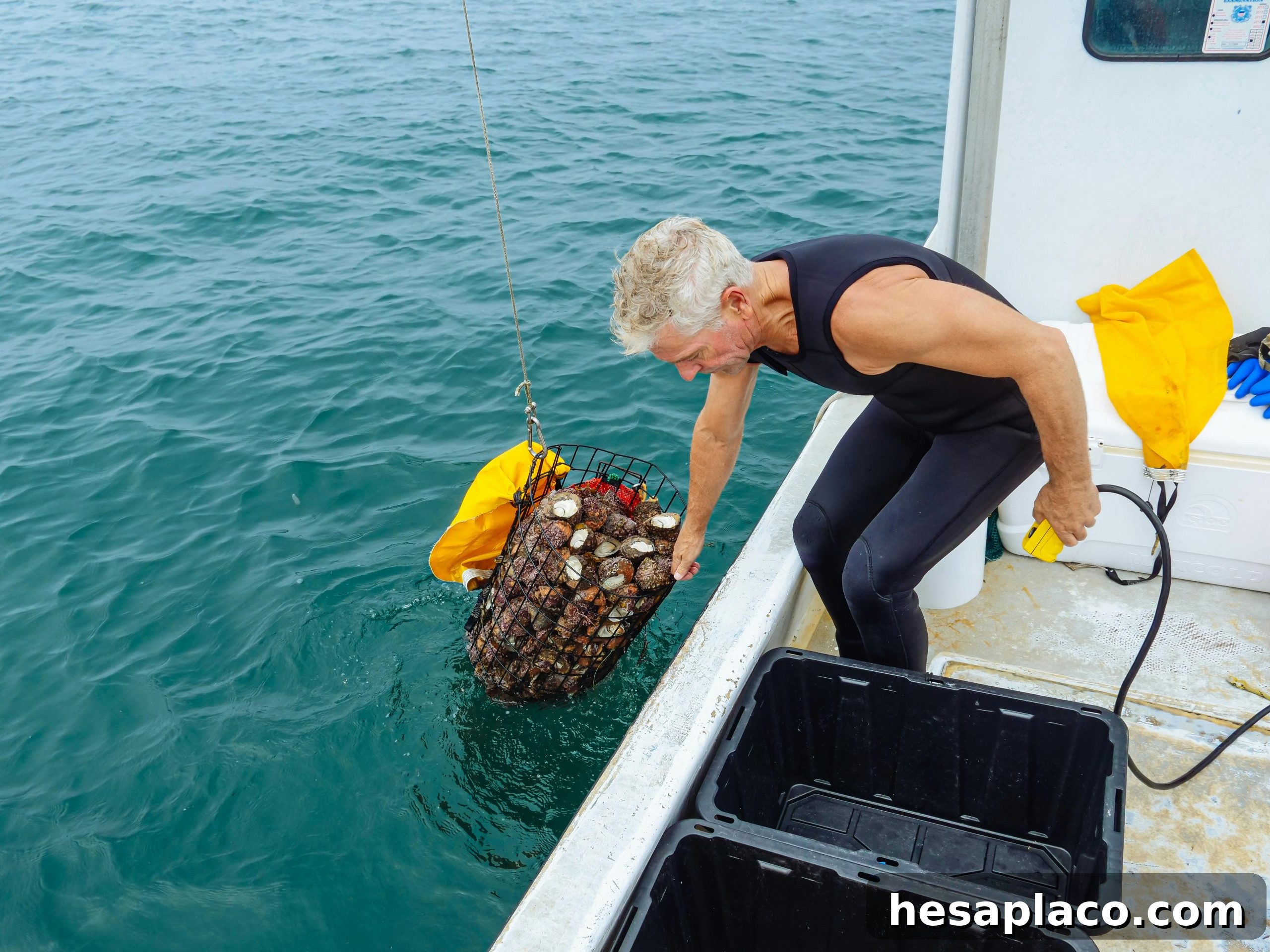
Commercial Fishing – 75.2 Deaths per 100,000
Credit: pexels
Commercial fishing is notoriously dangerous: rough seas, icy decks, heavy gear, and the risk of capsizing or falling overboard make survival difficult once an incident occurs. Harsh weather and long hours amplify the hazards, and many fishing jobs pay far less than the level of risk they entail.
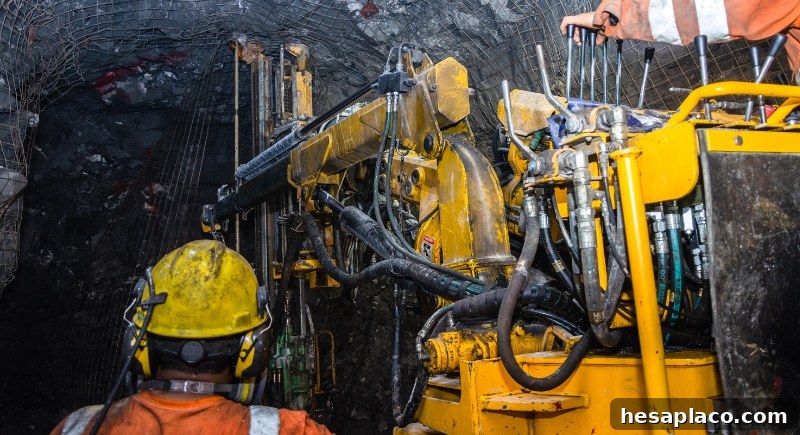
Underground Mining Machine Operators – 35.6 Deaths per 100,000
Credit: Canva
Underground machine operators work in narrow tunnels where cave-ins, equipment failures, and toxic gases are ever-present threats. Working far below the surface means rescue and medical help can be delayed, and the environment itself can shift suddenly, increasing risk at any moment.
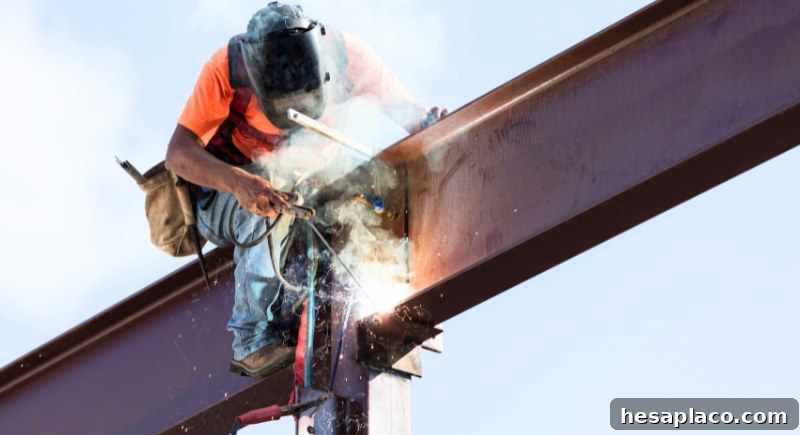
Structural Iron and Steel Workers – 37.8 Deaths per 100,000
Credit: Getty Images
Structural iron and steel workers place and secure large steel components high above the ground. Their tasks demand steady balance and precise coordination with cranes and other crews. Falls are the most common fatal hazard, and even experienced workers face severe consequences from a single mistake.
These occupations underscore the range of dangers present in many essential jobs across the country. Improvements in safety training, equipment, and workplace protocols have reduced risks in some fields, but for many workers the threat remains real every day. Recognizing these dangers helps highlight the value of rigorous safety standards and support for the people who perform these vital, high-risk jobs.