
Real estate no longer follows the steady patterns it once did. Recent shifts are evident: work-from-home habits, advancing technology, and evolving expectations for living and working space are reshaping how people buy, sell, and invest. These changes have produced new strategies that balance caution with creativity, emphasizing flexibility while preserving long-term value. Instead of reacting to isolated trends, successful players are adapting to a market that keeps changing.
Flexible Living Takes Center Stage

Credit: pixelshot
Homes must serve more functions than before. Buyers want layouts that accommodate work, exercise, relaxation, and daily routines without feeling cramped. Developers are responding with adaptable designs—movable walls, convertible rooms, and communal spaces that extend how properties can be used. Residences that can be easily reconfigured appeal particularly to younger buyers who need to combine multiple lifestyles within a single space.
Data Shapes Smarter Investment Decisions

Credit: Canva
Analytics now underpin many real estate choices that once relied on intuition. Tools tracking migration flows, job growth, household spending, and other metrics help paint a clearer picture of future demand. Investors increasingly use predictive models to identify risks and opportunities earlier, reducing guesswork and informing long-term planning. This data-driven approach improves the ability to spot resilient markets and avoid pitfalls.
Strategic Partnerships Gain New Importance

Credit: Canva
Collaboration has shifted from a competitive advantage to a practical necessity. Developers increasingly partner with technology firms, local governments, and financial institutions to manage escalating costs and the complexity of major projects. These alliances distribute risk, bring specialized skills into developments, and speed up approvals and financing. Joint ventures are becoming common in larger-scale developments, allowing participants to pool resources and expertise.
Technology Drives Property Value

Credit: Getty Images
Digital tools now influence almost every stage of real estate. Virtual tours let buyers explore properties across cities without traveling, while artificial intelligence helps agents match listings to serious prospects. Blockchain is beginning to streamline transactions and reduce paperwork delays. Properties outfitted with smart security, automated energy management, and connected systems often stand out in competitive markets, delivering both convenience and measurable operational savings.
Sustainability Moves Into the Mainstream

Credit: Getty Images
Energy efficiency has shifted from a niche preference to a baseline expectation. Buyers now factor in insulation quality, solar readiness, and long-term utility costs when evaluating properties. Developers seek green certifications and integrate eco-friendly materials and systems during construction. Lenders and investors increasingly reward projects that meet environmental benchmarks with more favorable financing terms, making sustainability both an ethical and financial consideration.
Alternative Assets Expand Investment Portfolios

Credit: pexels
Traditional residential and office assets are no longer the only focus for investors. Logistics centers, data centers, and life sciences facilities are attracting capital thanks to structural demand from e-commerce, cloud computing, and growing biotech activity. These specialized properties often offer steadier returns because of long-term leases and stable tenants, diversifying portfolios beyond conventional real estate holdings.
Hybrid Work Reshapes Commercial Spaces

Credit: Getty Images
Office buildings are being reimagined to align with hybrid work models. Companies prioritize flexible floor plans that support collaboration on in-person days while enabling seamless remote operations on others. Short-term leases, shared workspaces, and amenity-rich environments have gained popularity as businesses avoid long-term commitments and seek spaces that attract employees when they choose to be in the office.
Affordable Housing Sparks Creative Solutions
Credit: Canva
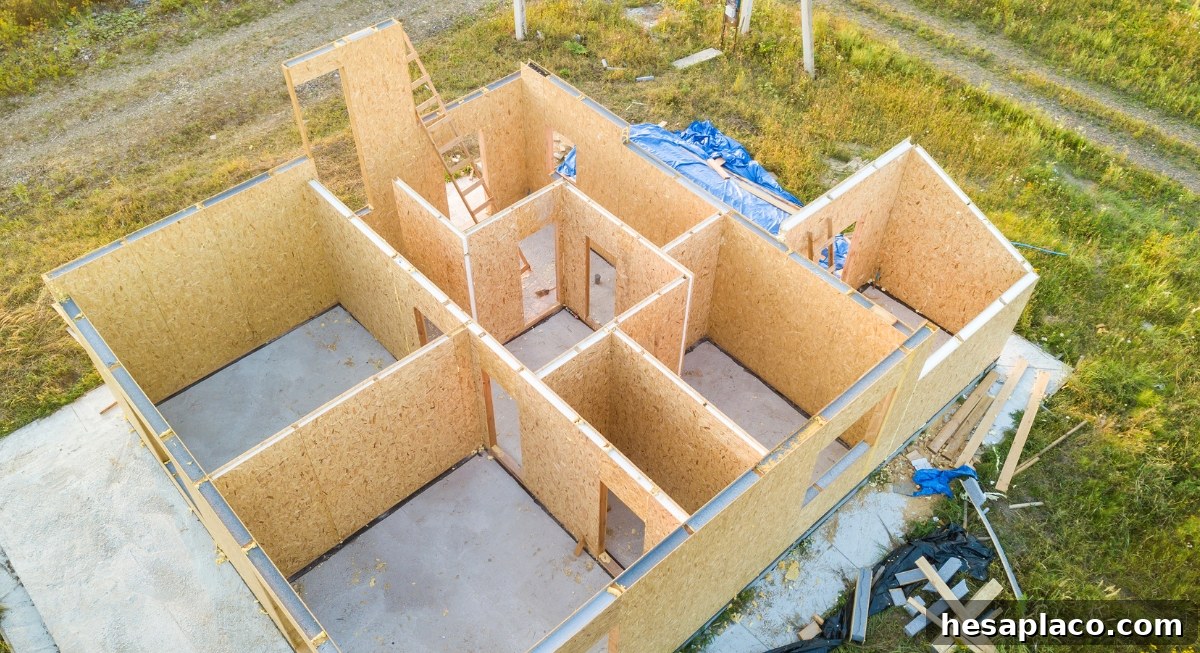
Persistent housing shortages have pushed developers and planners to innovate. Modular construction, co-living concepts, and mixed-use developments help reduce costs and increase supply. Public-private partnerships and targeted financing mechanisms support projects aimed at improving affordability. Addressing the housing gap has become a central priority for many communities, prompting new models for design, funding, and delivery.
Demographic Shifts Influence Market Demand

Credit: Canva
Generational changes are reshaping priorities around location and lifestyle. Millennials and Gen Z often prioritize access to transit, walkable neighborhoods, and nearby amenities over sheer square footage. At the same time, aging populations are increasing demand for accessible housing and communities that integrate healthcare and supportive services. Recognizing these diverging needs helps developers and investors align products with evolving buyer preferences.
Resilience Planning Becomes a Priority
Credit: pexels
Global uncertainty has prompted more cautious and resilient real estate planning. Investors look for properties that can perform well across varied economic conditions—those with steady rental demand, diversified tenant mixes, and strong local infrastructure. Building flexibility and contingency planning into projects has become standard practice, as market participants aim to prepare for unexpected shifts and protect long-term value.