
Money softens life’s edges but does not erase anxiety. For billionaires, fears are not about covering rent or paying monthly bills. Their sleepless nights are filled with worries about legacy, betrayal, sudden collapse, and the gradual loss of relevance. When an empire spans continents, many of the things that keep someone awake can’t be bought or fully controlled.
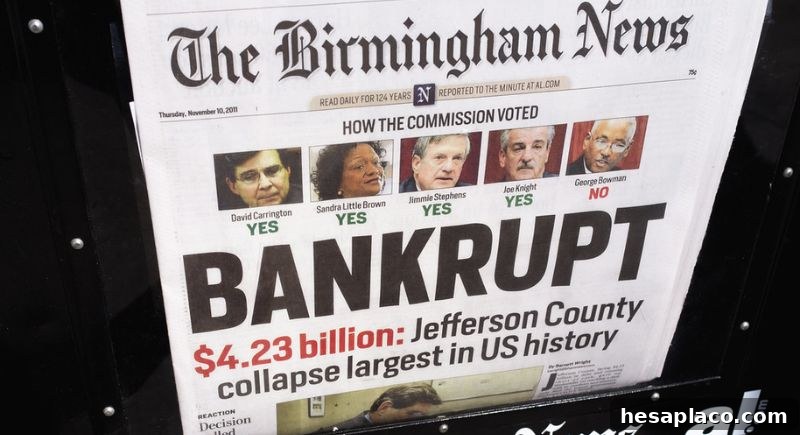
Collapse from the Top – Wealth, Reputation, and the Fall
Credit: flickr
The most devastating declines are not always dramatic: they can be slow, public unravellings masked by denial. Wealth can diminish quietly even as headlines imply stability. Lawsuits accumulate, investigative pieces emerge, private messages leak. Often it doesn’t take a major scandal — a single ill-advised post or persistent investigative reporting can catalyze a cascade. The internet’s appetite for public failure accelerates the undoing, and years of success can feel undone in a single news cycle.
Legacy in Limbo – Can the Next Generation Handle It?

Credit: Getty Images
Building a lasting enterprise is a monumental task; watching it potentially be squandered by heirs is a persistent source of anxiety. Estate planning can protect assets legally, but it cannot guarantee successors will have the vision, discipline, or ambition to steward an empire well. Many wealthy founders worry their descendants will rest on reputation alone, mismanage resources, or dismantle what took decades to build. The fear of being misrepresented, forgotten, or betrayed after death is very real.
Trust No One – When Loyalty Has a Price Tag

Credit: studioroman
Extreme wealth changes interpersonal dynamics. Relationships that should be simple become transactions or strategic alignments. Longtime friends, family members, and associates may be scrutinized for motives, and genuine loyalty becomes harder to identify. The imbalance of power that comes with wealth breeds suspicion, leaving many affluent people isolated and constantly evaluating who truly has their best interests at heart.
Facing Mortality – Health That Money Can’t Fix

Credit: Canva
Access to top medical care and experimental treatments eases some fears but cannot remove the fundamental reality of aging and illness. Wealthy individuals may invest heavily in longevity research, concierge medicine, and tailored lifestyles, yet the existential vulnerability remains. The knowledge that money cannot ultimately conquer mortality is a profound source of unease for people accustomed to solving problems with resources.
Alone at the Top – Isolation of Influence

Credit: Getty Images
Even surrounded by advisors, executives, and admirers, billionaires often experience profound loneliness. The higher someone rises, the fewer peers share their experiences. Echo chambers can form, reducing honest feedback and increasing the chance of strategic errors. Lacking candid counsel and real peers creates a silent risk to decision-making and mental wellbeing.
The Obsolescence Trap – Staying Relevant in a Fast World

Credit: pexels
Industries move quickly, especially in technology. What once served as a durable competitive advantage can be undermined by new entrants or innovations. The fear of being overtaken by younger, nimbler competitors drives many wealthy founders to stay in perpetual motion, constantly learning and adapting. This pressure can fuel innovation but also keeps them on edge.
Steward of the World – The Crushing Weight of Responsibility

Credit: Getty Images
With vast resources comes broad responsibility—to shareholders, employees, communities, and markets. Many wealthy individuals feel the weight of their choices, knowing mistakes can ripple far beyond personal loss. This duty often breeds anxiety about the societal consequences of business decisions and philanthropic efforts.
Meaning Deficit – The Fear That It’s All Empty

Credit: Getty Images
After major milestones—a successful IPO, lavish purchases, or public acclaim—some wealthy people confront an unexpected emptiness. When external challenges fade, internal questions about purpose and meaning can intensify. For some, the absence of struggle triggers a crisis that money alone cannot resolve.
Crisis Mode – Doomsday and Collapse Anxiety

Credit: pexels
Some affluent individuals prepare for worst-case scenarios—investing in bunkers, survival plans, or alternative refuges—driven by fears of societal breakdown. Wealth cannot guarantee safety in every global crisis, and the belief that catastrophe could render assets irrelevant fuels significant anxiety and precautionary measures.
Identity Drift – Who Are You Without the Empire?

Credit: pexels
For many founders and business leaders, their identity is wrapped up in the work. Leaving that role can trigger existential questions: who are they without the company that defined them? Retirement or stepping back can feel like a loss of purpose and status, prompting difficult transitions and introspection about value beyond professional achievement.
The Fear of Political Retaliation

Credit: Getty Images
Engaging in politics or public advocacy can invite backlash. High-profile support for candidates or causes can make wealthy individuals targets for audits, contract denial, or political retribution. Prominent figures have publicly expressed concern about the personal and financial consequences of political involvement, underscoring how influence can create vulnerability.
Ownership Without Influence – The Fear of Symbolic Power

Credit: Canva
Owning a company or platform no longer guarantees cultural or narrative control. Employees, activists, and online communities can push back and force changes, regardless of who legally owns the assets. Titles and wealth buy power in certain ways, but they do not ensure public consent or unquestioned obedience.
Proxy Chaos – Fear of Untraceable Influence Gone Rogue

Credit: Getty Images
Funding think tanks, media outlets, PACs, and foundations extends influence, but those entities can develop independent agendas once active. A supported organization may take positions that conflict with a benefactor’s intentions or that become politically or socially embarrassing. The risk of proxies diverging from original goals creates anxiety about unintended consequences.
Displacement by a Cult Following – When Your Company Outgrows You

Credit: Getty Images
Some brands and companies evolve into movements that no longer rely on their founders. As new leaders or influencers emerge, the founder can find themselves sidelined emotionally and culturally. Being the original owner does not guarantee continued relevance, and watching a creation develop a life of its own can feel like being pushed aside without acknowledgment.
Kidnap Insurance Isn’t Enough – Fear of High-Value Physical Risk

Bessi/pixabay. “You cannot protect yourself from sadness without protecting yourself from happiness.” – Jonathan Safran Foer
Public prominence erodes anonymity and increases physical risks. High-net-worth individuals worry about kidnapping, stalking, or threats aimed at family members because their wealth makes them visible targets. Even with armed security and insurance, the constant sense of exposure and the possibility of violent targeting remain persistent concerns.
Technological Disruption by AI – The End of Traditional Moats

Credit: iStockphoto
Artificial intelligence and rapid technological advances can dissolve long-standing business advantages in months rather than decades. Innovations built by unexpected competitors can render established models obsolete, creating fear among owners that their competitive edge might vanish almost overnight.
Philanthropic Failure – The Dread of Ineffective Giving

Credit: Getty Images
Philanthropy presents its own anxieties. Donors want to make a real difference, but measuring impact is difficult. Polished reports and public relations can mask unclear outcomes, and the worry that generous funding merely creates the appearance of change—rather than sustainable results—haunts many major benefactors. Ultimately, the fear is leaving behind a legacy that looks impressive on paper but lacks substantive, lasting benefit.