
Growing up with limited money shapes the small habits you carry into adulthood. You learn to stretch resources, repair what you can, and avoid waste because you had to. Even when finances improve, many of these frugal behaviors remain. To outsiders they may seem extreme, but anyone raised with financial strain will recognize these instincts immediately.
Washing and Reusing Ziplock Bags
Credit: pexels
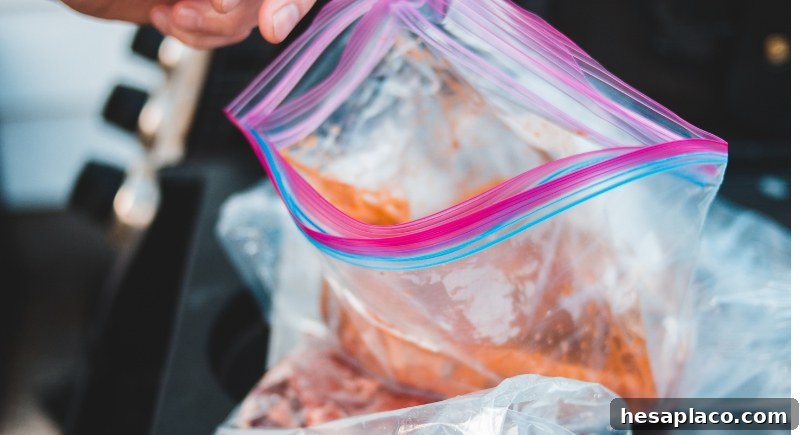
Ziplock bags were rarely single-use. After holding snacks or leftovers, they were rinsed with the dishes and left to dry by the sink. That habit came from knowing replacements weren’t always available. Even now, tossing a barely used bag feels wasteful—almost like throwing money away.
Turning the Shampoo Bottle Upside Down
Credit: Reddit
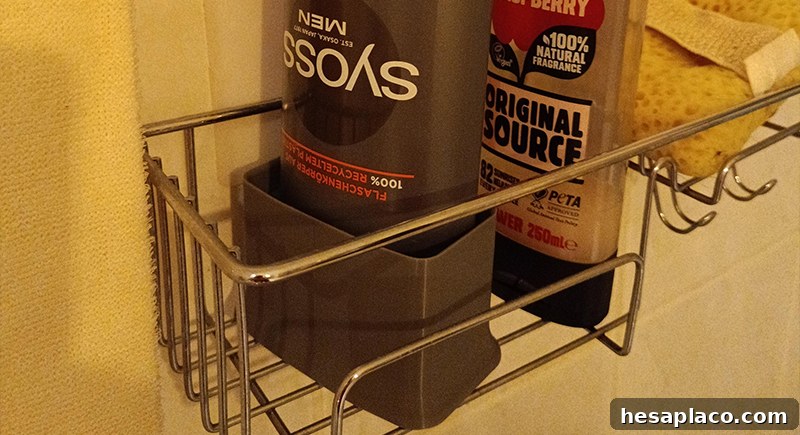
When the pump stopped dispensing, the bottle went upside down in the shower corner. There was almost always more product than it looked like at first. Getting every last bit out mattered—nothing got wasted unless it was truly finished.
Avoiding Restaurants Unless There’s a Coupon
Credit: flickr
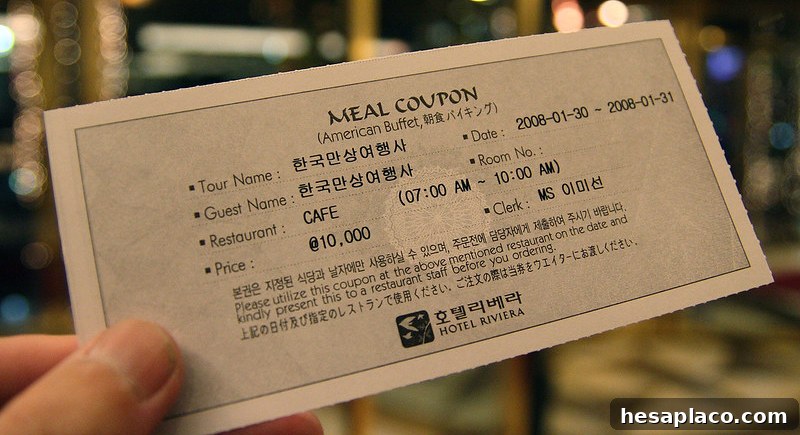
Dining out usually meant a birthday coupon or special deal—paying full price wasn’t part of the plan. Even now, a restaurant visit often begins with checking for offers. It’s a reflex born from a childhood where eating out simply didn’t happen often.
Wearing Shoes Until They Fall Apart
Credit: flickr
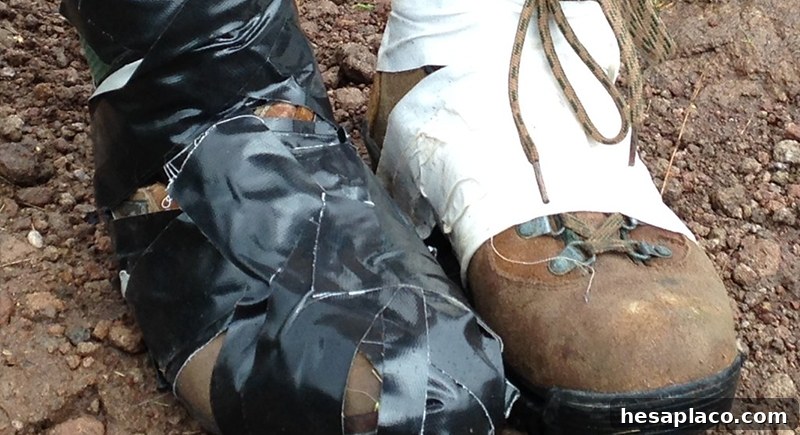
Shoes were kept until they truly wore out—holes in the toe or soles falling apart. Buying new pairs for style didn’t make sense when the old ones still worked. For many, shoes remain practical tools rather than fashion statements.
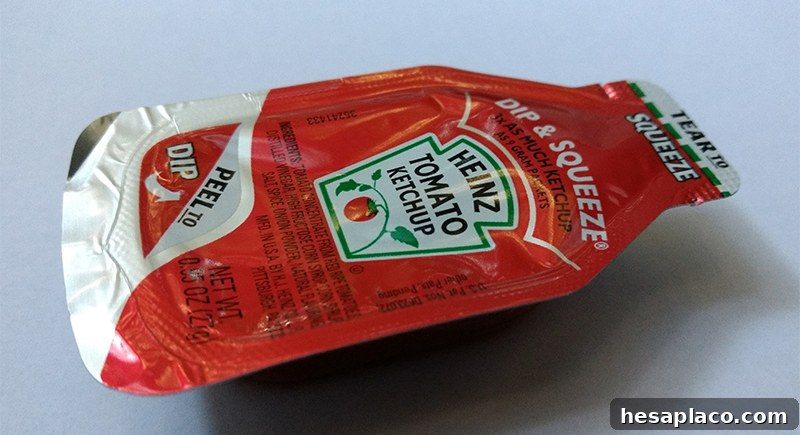
Keeping a “Takeout Drawer” of Soy Sauce and Ketchup
Credit: Wikimedia Commons
Fast-food condiment packets were collected and stored in a drawer or jar to use when the bottle at home ran out. It was practical—store-bought condiments weren’t always in the budget, and those tiny packets felt like useful freebies.
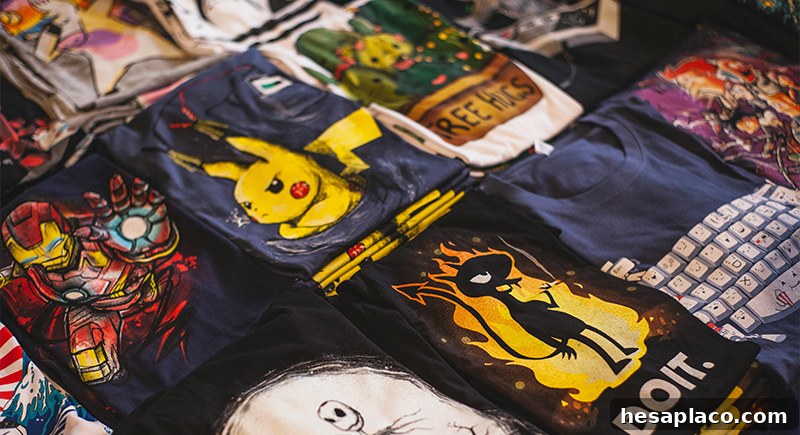
Not Throwing Away Old T-Shirts
Credit: Wikimedia Commons
Worn-out T-shirts often lived on as pajamas, painting clothes, or rags. Even with holes, a shirt could be repurposed rather than discarded. Finding another use extended the life of everything you owned.
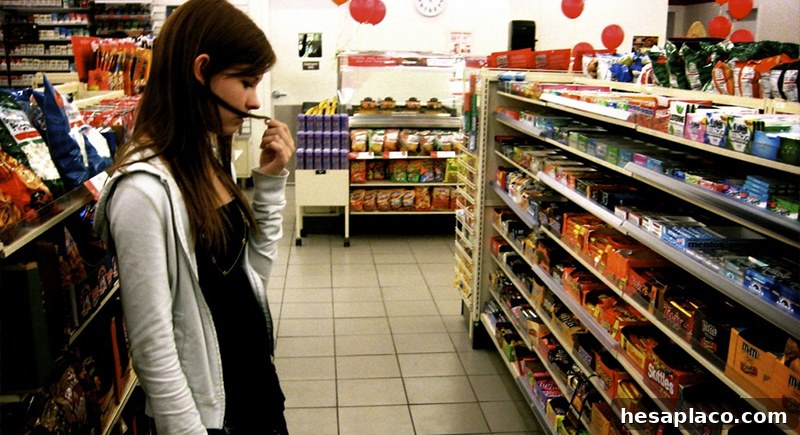
Comparing Prices for Everything, Even Cheap Stuff
Credit: flickr
Even small price differences mattered. Growing up with a mental calculator taught you that tiny savings add up over time, so checking tags and comparing costs became second nature.
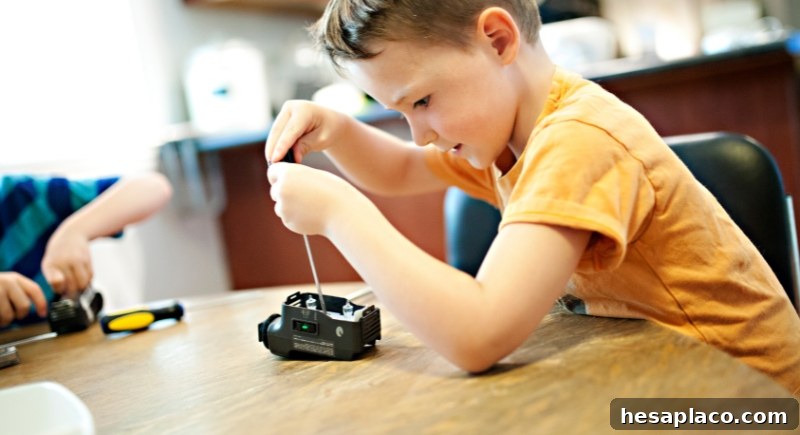
Fixing Stuff Before Replacing It
Credit: Canva
Broken items were repaired instead of replaced. Tape, glue, thread, or a quick DIY fix could extend something’s life. That problem-solving mindset makes you ask whether something can be mended before you buy a new one.
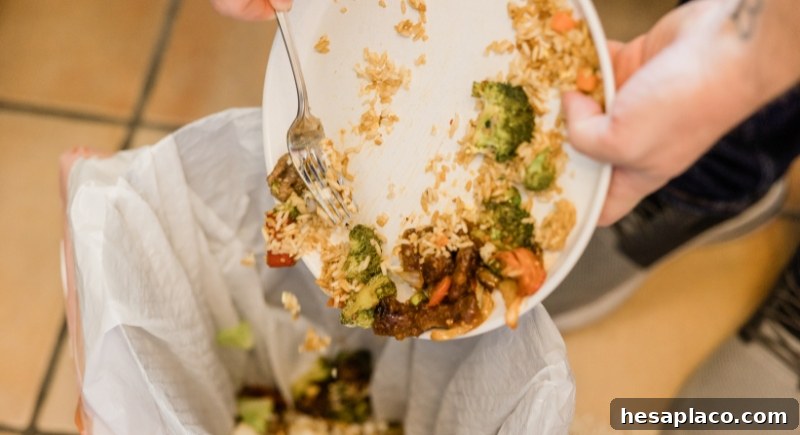
Never Wasting Leftovers
Credit: baseimage
Leftovers were saved and reused—tomorrow’s meal or an ingredient in something new. Small portions were kept in reused containers, and wasting food felt like throwing away value.
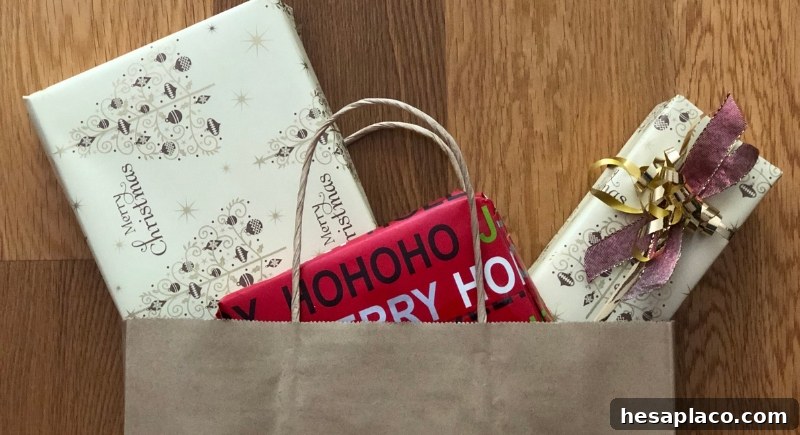
Keeping Gift Wrap, Bows, and Bags
Credit: Getty Images
Wrapping paper was carefully peeled off, folded, and stored. Gift bags were flattened and saved, and bows went into a tin. Preserving usable wrapping materials felt practical when money was tight.
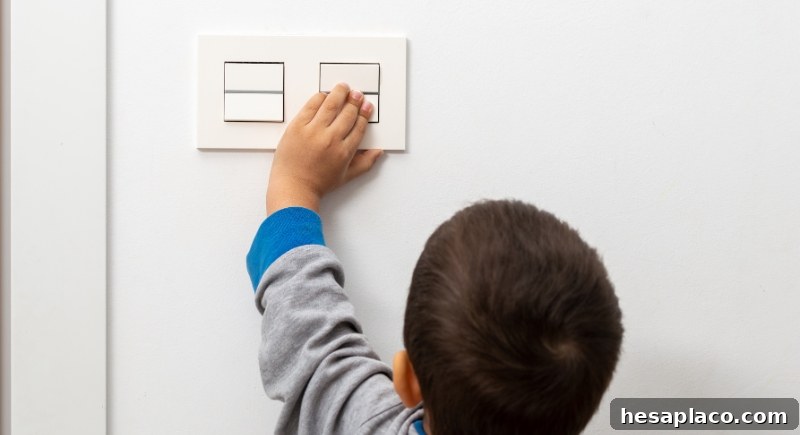
Turning Off the Lights in Empty Rooms
Credit: Getty Images
Leaving lights on got you a quick reminder—electricity wasn’t free and every extra dollar on the bill mattered. Turning off switches became automatic, a small habit that still persists for many.
Only Buying Generic Unless the Name Brand Is on Sale

Credit: photobyphotoboy
Store brands were the default unless a name-brand was on sale. If the cheaper version tasted fine and saved money, it was the smart choice. Spending more without clear benefit still feels unnecessary for many.
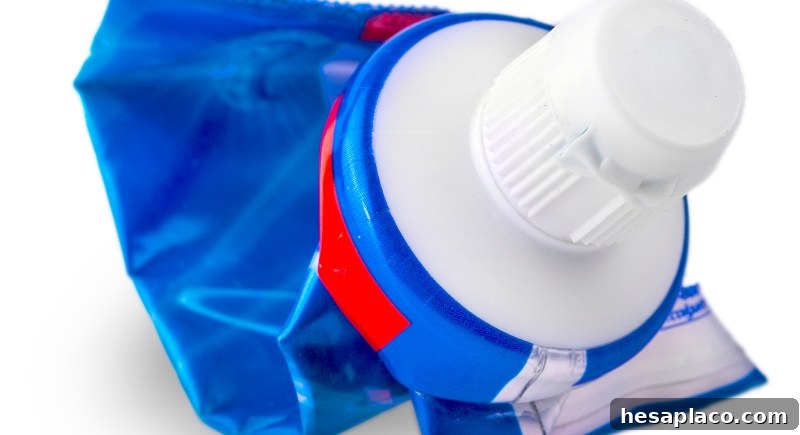
Using Up Every Drop of Toothpaste
Credit: Getty Images
Squeezing, flattening, and even cutting open the tube to scrape out the last bits became normal. It might seem extreme, but it came from knowing essentials needed to last as long as possible.
Keeping Boxes, Jars, and Containers “Just in Case”
Credit: Getty Images
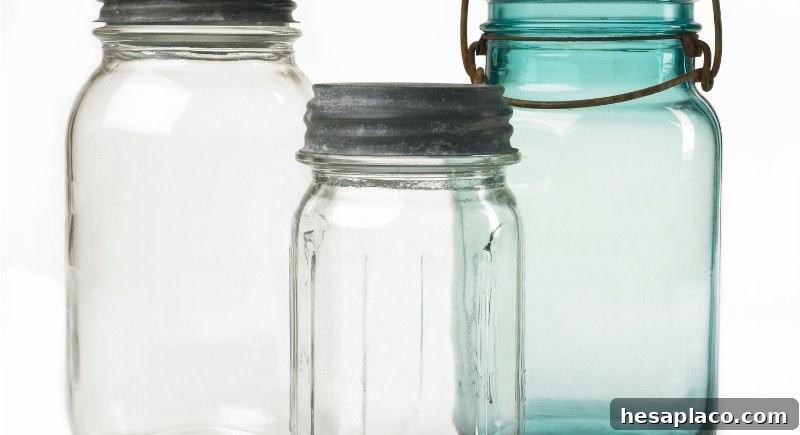
Butter tubs, jars, and sturdy boxes were cleaned and kept for future use. Buying extra containers felt wasteful when something you already had would do the job. Storing useful containers became a practical habit.
Saving Every Plastic Grocery Bag
Credit: Getty Images
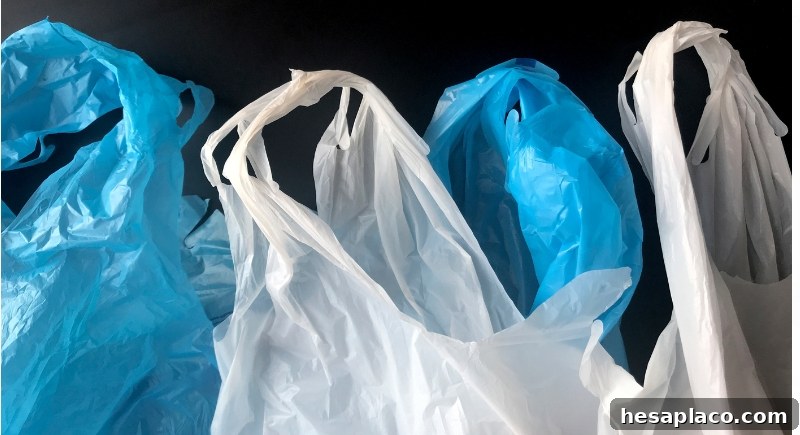
Plastic bags were kept for small trash bins, packing lunches, or wrapping wet laundry. Tossing a bag felt wrong when it could serve a purpose later.
Avoiding Debt Like the Plague

Credit: Canva
Watching parents stress over bills and collectors changes how you view credit. If you don’t have the money, you simply don’t buy it. Borrowing feels risky rather than convenient, and even with improved finances many remain cautious about debt.
Picking Up Change Off the Ground
Credit: Getty Images
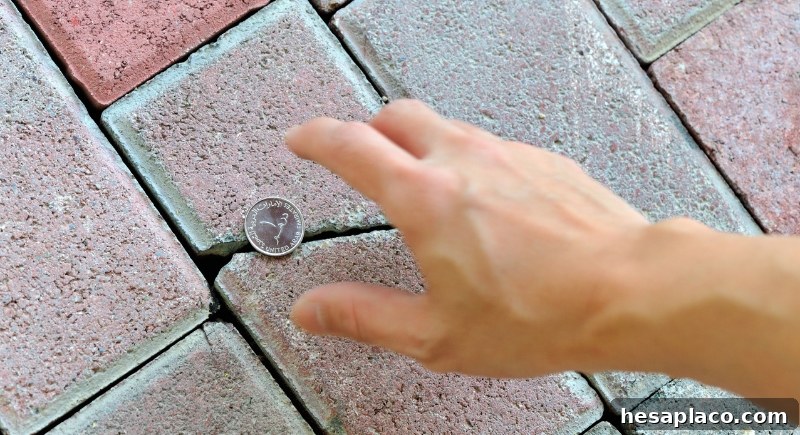
Loose change never went unnoticed. Even a single coin held value, a habit formed when every cent counted. That instinct to collect small amounts still adds up over time.
Stockpiling Toilet Paper and Non-Perishables
Credit: pexels
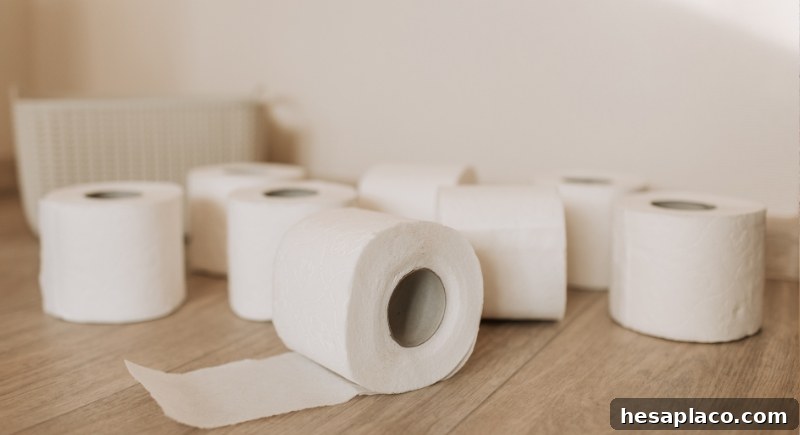
Running out of essentials leaves a lasting impression. Stocking canned goods and toilet paper isn’t panic—it’s preparedness. A well-stocked pantry brings a quiet sense of control and comfort.
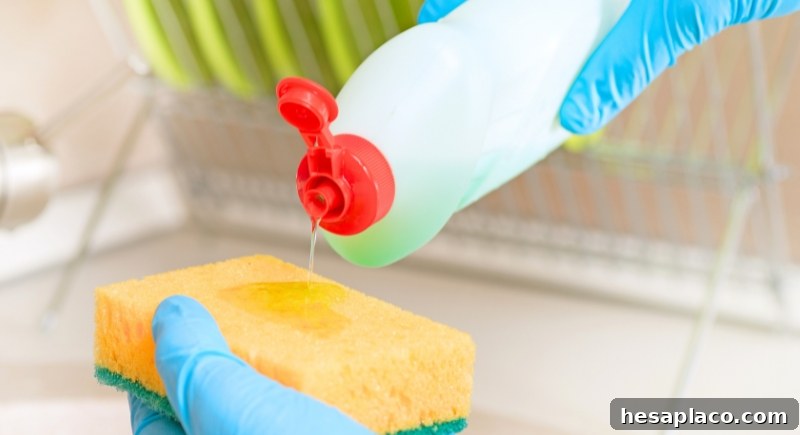
Adding Water to the Last Bit of Dish Soap
Credit: Canva
When dish soap runs low, adding a little water and shaking the bottle to get a few more washes is automatic. It’s another way of making every drop count and avoiding waste.
Scraping the Bottom of the Peanut Butter Jar

Credit: Getty Images
A peanut butter jar wasn’t done until every last bit was scraped out—spoon, knife, or whatever worked. That habit turns what seems nearly empty into one more sandwich instead of waste.
These small habits reflect a lifetime of learning to make resources last. They’re less about stinginess and more about respect for what you have—practical instincts that often stay with you long after circumstances change.