When the economy slows, many industries feel the impact. Yet some sectors remain steady—or even gain importance—because they provide essential goods and services or adapt quickly to tighter budgets. Below is a clear, concise look at the industries that tend to hold up during recessions and why they matter.
Healthcare Providers Never Fall Off the Radar

Credit: Getty Images
Medical care remains a non-negotiable expense. People can postpone many discretionary purchases, but treatments for chronic conditions, emergency care, and necessary prescriptions persist regardless of market swings. Hospitals, clinics, and pharmaceutical companies benefit from steady demand, though outcomes vary by provider and product.
Grocery Chains Serve Recession-Driven Habits

Credit: pexels
Eating at home becomes more common as people cut back on dining out. Supermarkets, especially those emphasizing bulk items and private-label budget brands, often see increased traffic and higher basket sizes. Value-focused chains tend to outperform when consumers switch to lower-cost meal planning.
Auto Repair Shops Keep Engines and Margins Running

Credit: Getty Images
When vehicle purchases are delayed, car owners tend to keep older cars longer and invest in repairs. That drives demand for mechanics, parts suppliers, and tire shops. With new financing often harder to obtain during downturns, maintenance and repair services become an economical alternative to replacement.
Discount Stores Attract Broader Audiences

Credit: flickr
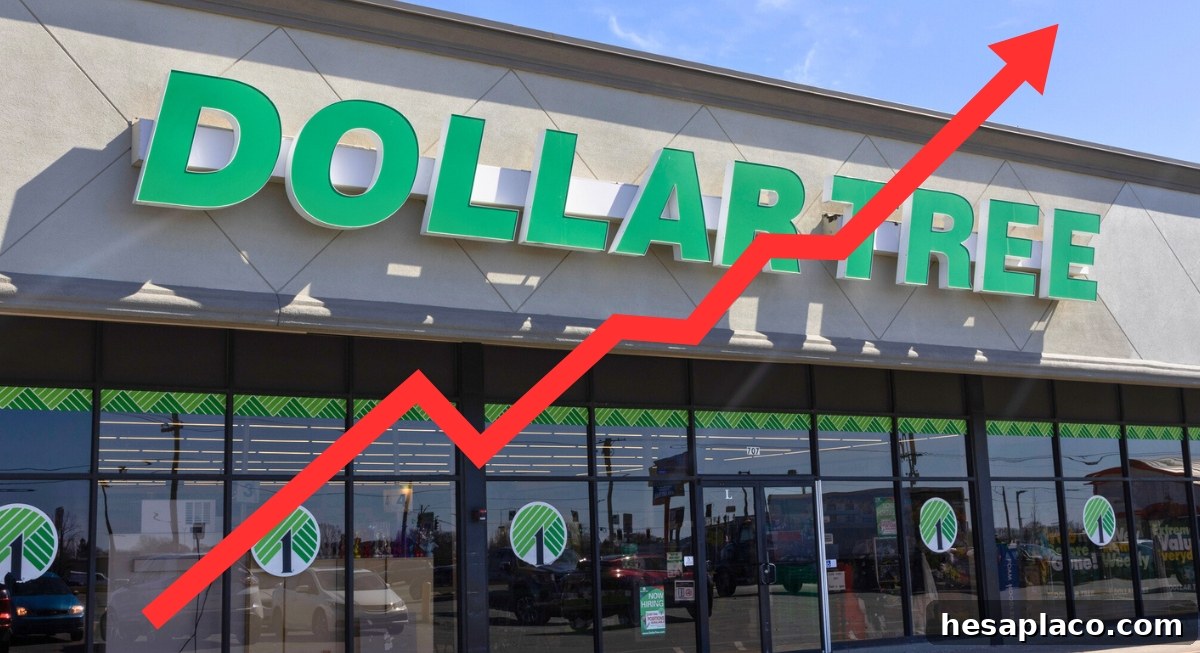
Dollar stores and discount retailers become go-to destinations as shoppers trade down to save money. These retailers offer essential household items and pantry staples at lower price points, widening their customer base and increasing repeat visits during tight economic periods.
Accounting Firms Step Up During Fiscal Anxiety

Credit: flickr
Economic uncertainty increases demand for accounting and financial planning services. Businesses and households seek help with tax planning, cash-flow management, and navigating relief programs. Accountants and bookkeepers often see sustained or increased workloads as clients try to protect liquidity and comply with changing regulations.
Financial Advisors Become Steady Hands Amid Volatility

Credit: Canva
Market downturns drive clients to seek guidance on preserving wealth, adjusting portfolios, and planning for emergencies. Financial advisors who provide calm, well-informed counsel often strengthen client relationships during recessions, as both individuals and companies reassess risk and investment strategies.
Home Maintenance Retailers Thrive on DIY Shifts

Credit: Canva
With moving and large renovations often postponed, homeowners turn to smaller repair and improvement projects. Hardware stores and home improvement chains benefit as DIY activity increases. These purchases can be driven by necessity—fixing what’s broken—or by a desire to refresh living spaces affordably.
Technology Support Becomes Indispensable

Credit: Getty Images
Remote work, online schooling, and cloud services keep tech spending relevant during downturns. IT support, cybersecurity, and managed services remain essential as businesses prioritize uptime and data protection. Companies that maintain reliable infrastructure often become more valuable in times of uncertainty.
Pharmaceutical Companies Benefit from Necessity, Not Choice

Credit: Getty Images
Demand for certain medications—especially those for chronic illnesses and infectious diseases—remains consistent. Public health needs can accelerate demand for specific treatments, making some pharmaceutical companies more resilient during health-related economic downturns.
Property Management Meets Shifting Housing Needs

Credit: Prostock-studio
When home purchases decline, renting often becomes the practical alternative. Property managers and landlords typically see persistent demand for rental properties, especially in urban areas where affordability pressures rise. Turnover patterns change, but occupancy remains a core need.
Streaming Platforms Win Time, If Not Always Money

Credit: Getty Images
As consumers reduce discretionary spending, on-demand streaming often replaces more expensive entertainment options. Platforms that offer a wide catalog and affordable monthly pricing can gain users seeking low-cost leisure at home, though profitability depends on content costs and subscriber retention.
Courier Services Ride Out Mobility Limits

Credit: pexels
Online shopping often increases in a downturn, driving demand for delivery and logistics services. Couriers and last-mile delivery providers remain essential as households shift purchases from brick-and-mortar stores to e-commerce platforms.
Pet Care Holds Firm as Loyalty Runs Deep

Credit: Getty Images
Pet owners typically prioritize their animals’ wellbeing even when cutting other expenses. Veterinary care, pet food, and grooming services often remain stable because many people view pets as family members rather than luxuries.
Home Staging Finds a Niche in Tough Real Estate Markets

Credit: pexels
Sellers looking to make properties more appealing in a slow market often hire staging professionals. Small investments in appearance can improve listing performance and help homes sell faster or at better prices.
Childcare Businesses Remain Essential for Working Parents

Credit: pexels
Even during downturns, many parents must continue working. Childcare centers and related services provide essential support that enables caregivers to hold jobs, making this sector more resilient than many discretionary services.
Consumer Staples Provide Everyday Stability

Credit: Canva
Basic household goods—food, cleaning supplies, personal care items—remain part of regular spending, even as consumers hunt for bargains or switch brands. Companies producing and distributing these staples often experience steady sales in downturns because their products are essential to daily life.
Waste Management Stays Busy Regardless of the Market

Credit: Canva
Trash collection and disposal are ongoing necessities that don’t pause when economic activity slows. Waste management companies benefit from predictable, contract-based revenue streams tied to routine services for homes and businesses.
In short, while recessions put pressure on many industries, sectors tied to essential needs, cost-saving behaviors, or services that help manage financial and operational stress tend to remain resilient. Investors, job seekers, and business owners often look to these areas for greater stability during economic uncertainty.