
Trading in 2026 happens at lightning speed: reactions unfold in seconds and errors become apparent just as quickly. Charts, tools, and strategies are widely accessible, so the true edge no longer rests on discovering a secret setup. It comes from disciplined execution, rigorous risk management, and the ability to make clear decisions when real capital is on the line.
Most traders don’t fail for lack of opportunities; they fail for lack of consistency. The guidelines below are designed to help you stay controlled under pressure, make better choices during live trades, and scale your approach sensibly when results start to show.
Build a Trading System Before You Place Trades

Credit: Canva
A trade without a defined system is simply a reaction to price. A structured plan specifies entry criteria, exit rules, position sizing, and maximum risk before you ever press a button. That removes guesswork when markets move quickly. Traders who rely on instinct tend to change course mid-trade; traders with a written system follow predetermined rules and produce more consistent outcomes over time.
Define Risk Before You Think About Profit

Credit: Canva
Every trade starts with potential loss. Setting a clear percentage of capital at risk—commonly 1%–2% per trade—creates a boundary that protects your account from large drawdowns. Once this risk is defined, position size and stop placement become mechanical. That discipline keeps risk in check even when a setup looks especially attractive.
Size Positions Based on Conditions, Not Confidence
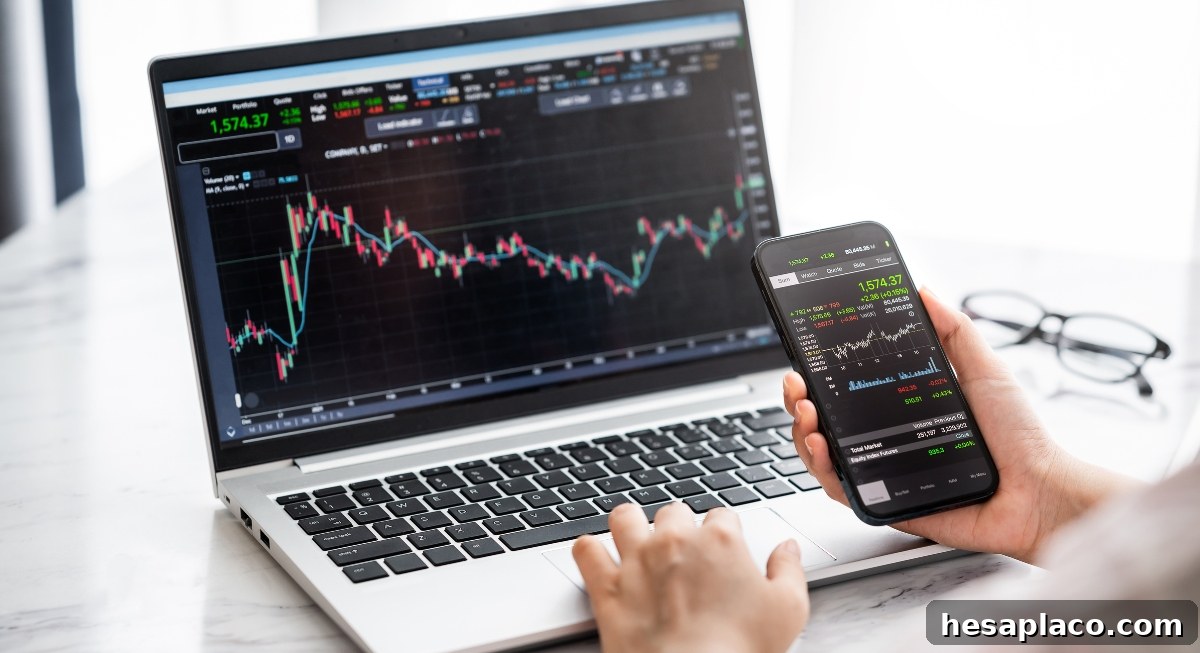
Credit: Canva
High conviction does not reduce risk, but market volatility does change the appropriate exposure. A position that fits in a calm environment can become dangerously large in a high-volatility session. Adjust size for volatility, liquidity, and uncertainty so no single trade can dominate performance as conditions shift.
Cut Losses in a Way That Stops Them From Compounding

Credit: Canva
Small losses are part of trading, but uncontrolled losses compound and destroy progress. A predefined exit—based on price structure or a fixed percentage—keeps losing trades contained. Letting a position drift beyond planned risk forces a pressured second decision, which is where most accounts suffer. Consistency in exits matters more than always being right about direction.
Let Winning Trades Expand Beyond Fixed Targets
Credit: Getty Images
High-probability trades, particularly in trending or momentum markets, often extend further than their initial targets. Locking profits too early limits long-term performance. Using trailing stops or scaling out incrementally lets winners run while preserving gains—capturing extended moves instead of capping upside at an arbitrary point.
Stop Trading When Your Limits Are Hit
Credit: pexels
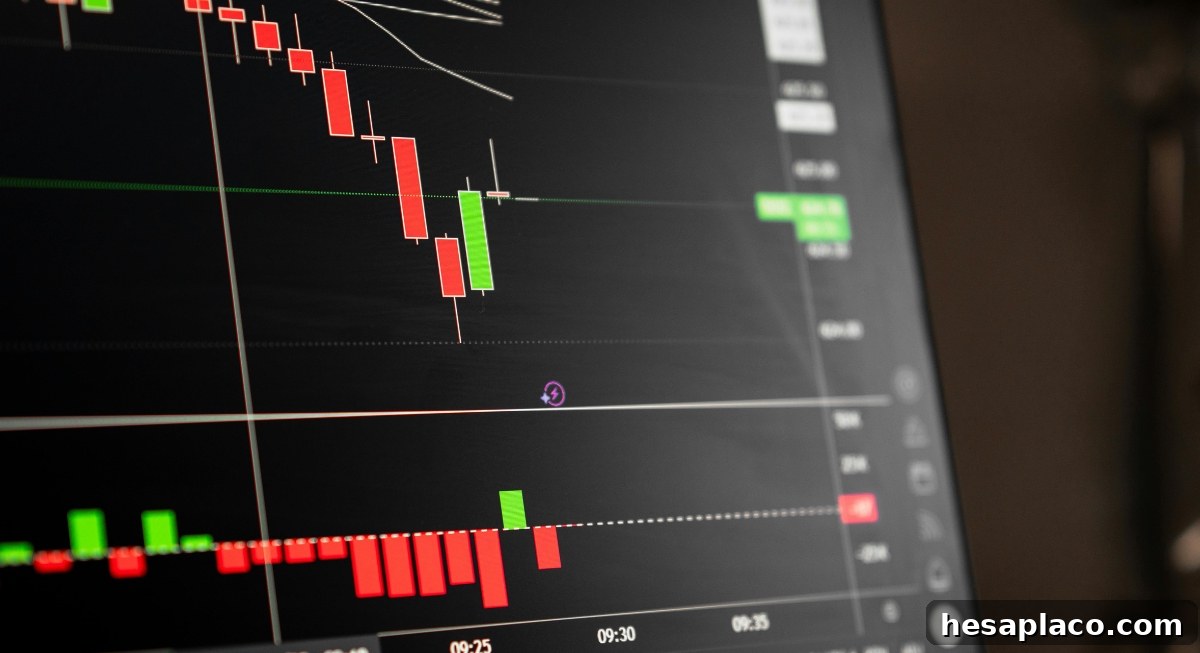
Daily or weekly loss limits protect both capital and the quality of decisions. When a drawdown threshold is breached, continuing to trade usually leads to forced setups and poor execution. Walking away resets focus and prevents a short-term lapse from turning into a larger setback.
Focus on One Edge Before Expanding Your Playbook

Credit: pexels
Jumping between strategies too soon dilutes focus and obscures what truly works. Master one approach—trend-following, breakout, or range trading—and learn how it behaves across different market conditions. Only after consistent results should you add new strategies, so expansion becomes an enhancement rather than a reset.
Trade the Market in Front of You
Credit: Canva
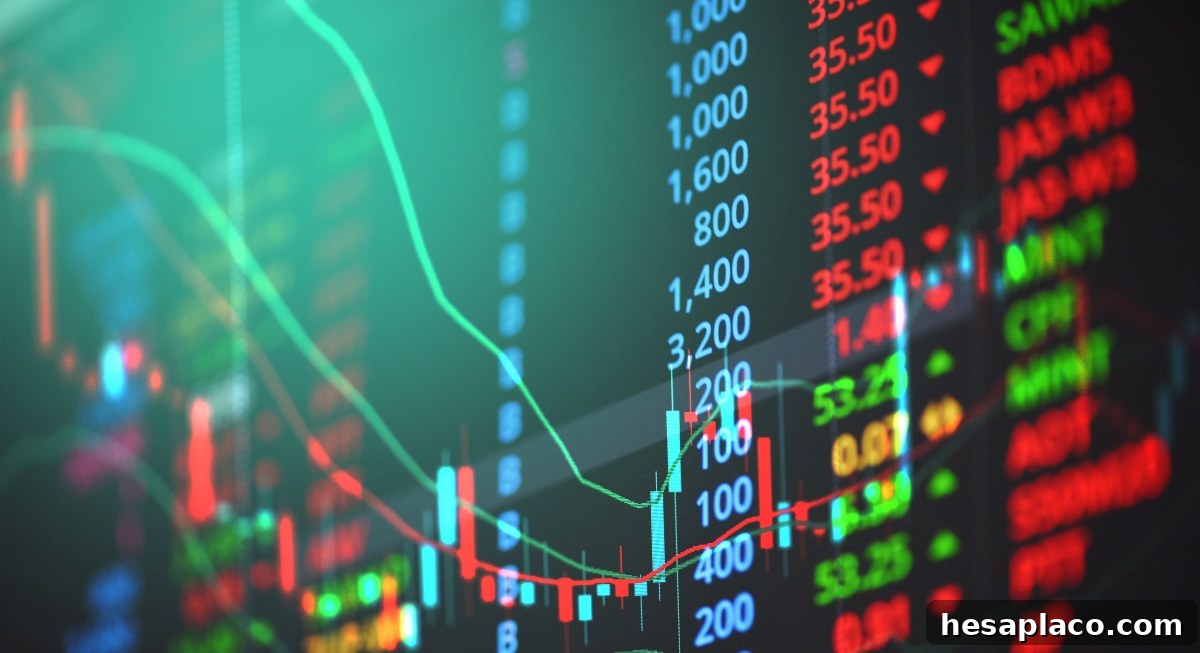
Market structure cycles between trending, declining, and range-bound phases. Each environment requires a different approach, and forcing one strategy across all conditions reduces effectiveness. Recognize the current market type and adapt your entries and risk accordingly—flexibility keeps your process aligned with real price behavior.
Scale Only When Consistency Is Proven

Credit: pexels
Scaling too quickly amplifies mistakes as much as it magnifies success. Growth should follow a track record of stable performance over many trades, not a brief winning streak. Increase size gradually to confirm your process holds under larger exposure; if execution deteriorates, scale back and refine before growing further.
Use Data to Refine Decisions, Not Replace Them
Credit: pexels
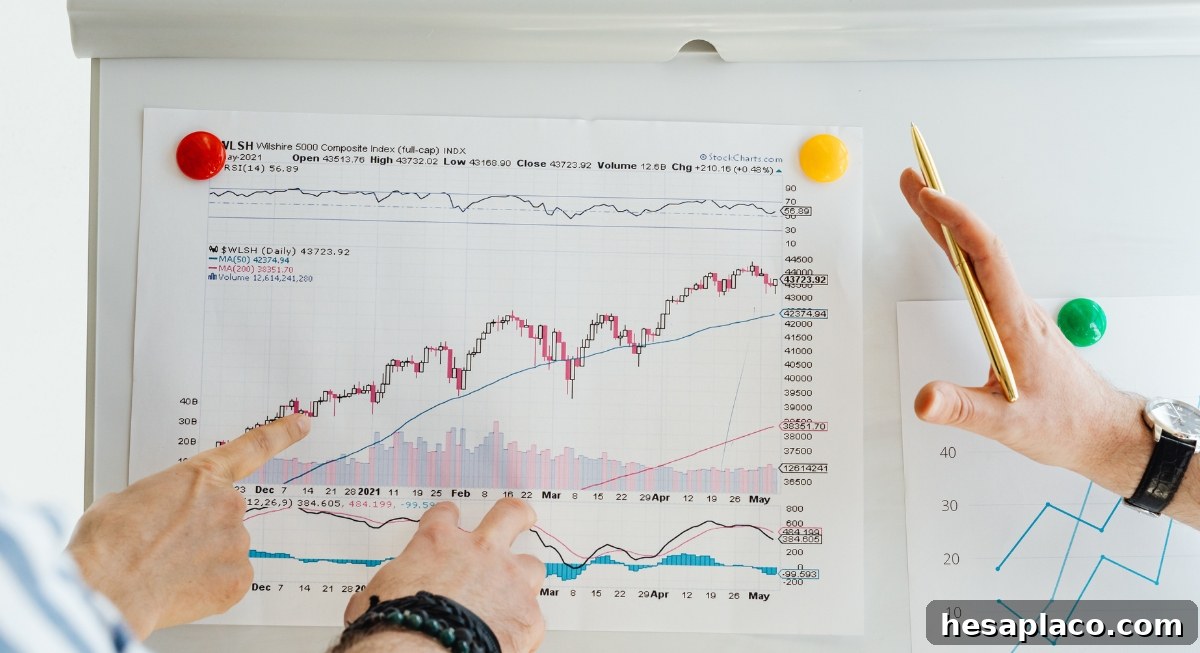
Tracking your trades turns activity into actionable feedback. Regularly reviewing entries, exits, and outcomes uncovers patterns that are easy to miss in real time. Automation and tools can aid execution, but they perform best when directed by a clear framework. Use data to adjust behavior and improve processes—not to supplant judgment entirely.