
The 2008 financial crisis upended lives almost overnight: jobs disappeared, savings dwindled, and uncertainty became the new normal. Yet many people didn’t simply endure the shock — they adapted. They reduced expenses, changed habits, and discovered practical ways to move forward. The following real-world strategies, forged under pressure, offer clear, resilient approaches to managing economic hardship.
Revive Your Ride

Credit: flickr
When gas topped $5 a gallon during the recession, one person ditched their car and refurbished an old Schwinn mountain bike. New tires, fenders, and a homemade cargo trailer turned it into a dependable, all-weather vehicle for errands and commuting. Small repair costs replaced large fuel and maintenance bills, and the bike paid for itself in months.
Choose Pay Cuts Over Layoffs

Credit: Pexels
A senior union worker was offered a choice: accept a 10% pay cut or face coworkers being laid off. They accepted the cut, then tightened the household budget by eliminating nonessentials, preparing meals at home instead of ordering out, and relying on public transit. The steady paycheck provided stability in a chaotic time.
Embrace Free Entertainment

Credit: pixabay
A week after moving into a new home, one homeowner watched jobs vanish and expenses pile up. Instead of giving up, they turned to low-cost options: the library for books and movies, budget pizzas for occasional treats, and tight, deliberate budgeting. Stretching resources and celebrating small wins helped them rebuild over time.
Consolidate Debt

Credit: Getty Images
Facing five separate loans with different terms and due dates, one person simplified their finances by consolidating everything into a single loan and monthly payment. That move reduced stress, made budgeting clearer, and often lowered the total monthly outflow, making it easier to keep up with obligations during the downturn.
Swap Takeout for Staples

Credit: SeventyFour
One household replaced frequent takeout with grocery-store staples, planning meals around weekly flyers and cooking at home. Homemade coffee replaced café runs, and budgeting became a monthly routine. Every dollar was assigned a purpose. They also joined a carpool and used public transportation to cut fuel expenses.
Focus on Routine and Creativity

Credit: Getty Images
One parent maintained stability for their child by emphasizing routine, creativity, and shared time rather than material comforts. Budget limits encouraged imaginative play, simple family activities, and meaningful traditions. The result: a grounded, happy upbringing that proved stability is more about presence than spending.
Live Modestly as a Freelancer

Credit: Getty Images
A freelance entertainment worker had already adopted a frugal lifestyle before the recession hit. Living modestly and avoiding debt gave them a buffer when gigs dried up. Discipline and conservative spending kept them afloat while others struggled to cover basic expenses.
Work in Recession-Resistant Fields

Credit: SeventyFour
While many sectors struggled, some niches continued to find demand. Professionals serving affluent clients in luxury services, high-end real estate, or specialized consulting often maintained steadier income streams. Focusing on markets and services less tied to broad economic swings helped certain workers keep business flowing.
Pivot to Safety, Then Re-enter

Credit: Getty Images
When markets plunged, one investor moved funds into Certificates of Deposit to preserve capital. After the economy stabilized and confidence returned, they gradually re-entered the market. In volatile times, temporarily prioritizing capital preservation can be an effective strategy.
Seek Work in Essential Industries

Credit: Getty Images
Jobs in essential sectors — healthcare, utilities, public safety — are less likely to be cut during downturns because demand persists regardless of market conditions. Securing roles in these fields can provide a level of job security that’s especially valuable when the broader economy falters.
Cut Extras and Get Creative

Credit: Getty Images
One family tightened their belt and embraced creativity: they grew some of their own vegetables, shopped discount stores, and planned meals from pantry inventory. Free local events replaced expensive outings. Working together, they prioritized teamwork over sacrifice to stretch their resources and maintain quality of life.
Downsize Home and Transportation

Credit: Monkey Business Images
When a family’s business income fell from $100,000 to $25,000, they preemptively gave up their house to avoid credit damage and moved into a modest $650 rental. They also sold a newer vehicle and bought a $3,000 used car, cutting monthly payments and insurance in one decisive move that stabilized cash flow.
Temporarily Pause Retirement Contributions

Credit: Canva
Faced with rising costs and flat wages, one family temporarily stopped retirement contributions to free up cash for immediate needs. While this short-term fix can have long-term consequences, it provided breathing room when paychecks were strained.
Cash Out Savings When Necessary

Credit: Canva
In the middle of the crisis, a single mother in Los Angeles raising a newborn on $45,000 and without family support cashed out her 401(k) to cover essentials. She cooked every meal at home, sold unneeded items, and walked whenever possible to save on transportation. It was a difficult choice driven by necessity.
Rely on Savings and Live Lean

Credit: Canva
A mid-career professional who lost their job relied on two decades of steady saving and an investment cushion to cover daily expenses while collecting unemployment. Living alone made it easier to keep rent low and avoid debt, and strict budgeting helped them ride out the job search.
Prioritize an Emergency Fund

Credit: Getty Images
When instability grows, building even a small emergency fund can make a major difference. Setting aside modest amounts each week accumulates over time and reduces the need for panic decisions when bills arrive or income drops unexpectedly.
Use Strategic Bartering and Skill Swaps
Credit: Getty Images
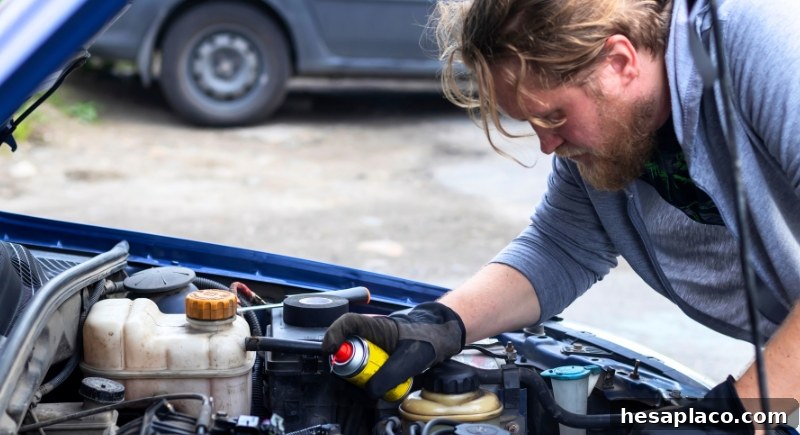
When cash was scarce, people traded skills and services. One person bartered car repairs for childcare, another exchanged graphic design work for groceries. These arrangements weren’t perfect, but they kept essential needs met without increasing expenses and reinforced community cooperation.