
As people grow older, important legal paperwork is often postponed or forgotten. Leaving these documents unfinished can create uncertainty and force loved ones to make difficult decisions without clear guidance. According to AARP data, only about four in ten adults over 65 have a living will—an indication that many critical documents remain unaddressed.
Last Will and Testament

Credit: Getty Images
A last will and testament remains one of the most essential estate-planning documents, yet it’s often overlooked. A will specifies who receives property and assets after someone dies. Without a valid will, state intestacy laws determine the distribution, which can lead to delays, added expense, and family disputes. Creating a clear, legally valid will reduces uncertainty and helps ensure a person’s final wishes are honored.
Living Will
Credit: Getty Images
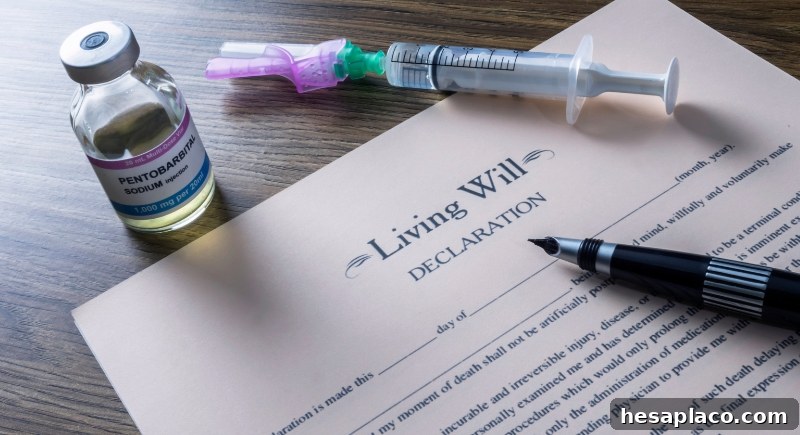
A living will documents a person’s preferences for medical treatment if they become unable to speak for themselves. It typically addresses life-sustaining interventions such as feeding tubes, ventilator use, and resuscitation. Unlike a testamentary will, a living will focuses on health-care choices and quality of life rather than asset distribution. Health professionals and family members can refer to it when making difficult medical decisions. Many experts recommend having one in place by age 60 or earlier if health conditions warrant.
Healthcare Power of Attorney

Credit: Getty Images
Also called a medical power of attorney, this document appoints a trusted person to make health-care decisions if the individual cannot do so. While doctors may consult next of kin, a properly executed healthcare power of attorney provides legal authority and clear direction, helping prevent disputes among family members and ensuring decisions align with the patient’s wishes during emergencies.
HIPAA Authorization Form
Credit: Getty Images
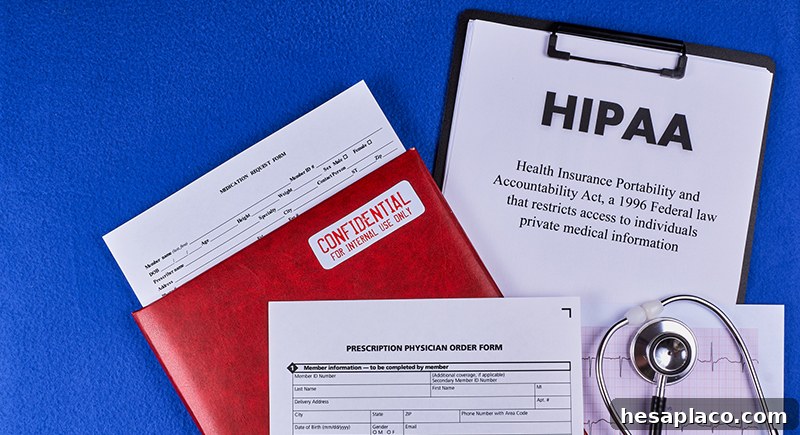
Health Insurance Portability and Accountability Act (HIPAA) privacy rules prevent providers from sharing medical information without permission. A HIPAA authorization form names who is allowed to receive medical updates and access records. Without it, even close family members can be blocked from important health information, which complicates decision-making during treatment or emergencies.
Do Not Resuscitate Order (DNR)
Credit: iStockphotos
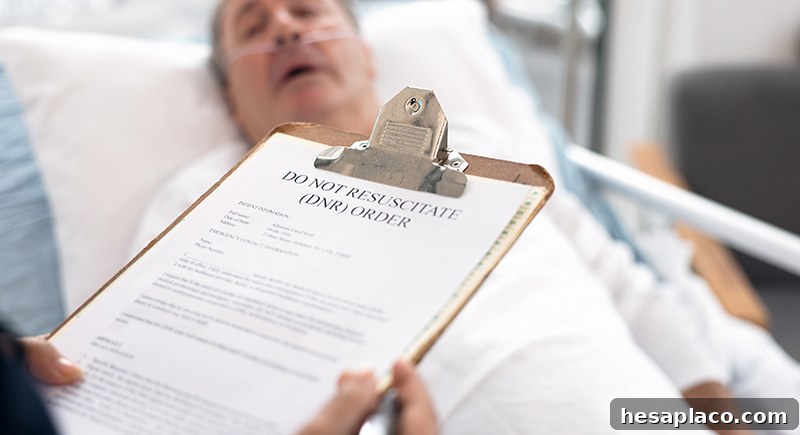
A Do Not Resuscitate (DNR) order instructs medical personnel not to perform cardiopulmonary resuscitation (CPR) or other life-saving procedures if a person stops breathing or their heart stops. DNRs are typically used by those with terminal conditions or strong preferences about end-of-life care. A physician must sign the form, and it is usually placed in the patient’s medical record and kept accessible at home for first responders.
Revocable Living Trust
Credit: Getty Images
A revocable living trust is an estate-planning tool that can reduce or eliminate the need for probate. The grantor transfers assets into the trust but retains control and can modify or revoke it during their lifetime. At death, trust assets typically transfer directly to named beneficiaries, avoiding court administration. This approach can be particularly useful for owners of property in multiple states or those seeking privacy and a faster distribution process.
Durable Power of Attorney

Credit: iStockphotos
A durable power of attorney appoints someone to manage financial affairs if the grantor becomes incapacitated. This authority can include paying bills, managing investments, and filing taxes. The “durable” designation means it remains in effect even if the signing person loses mental capacity, ensuring continuity in financial management and reducing the risk of missed obligations or financial mismanagement.
Beneficiary Designation Forms

Credit: iStockphotos
Beneficiary designations on accounts such as IRAs, 401(k) plans, and life insurance policies override instructions in a will. These forms must be kept current after major life events—marriage, divorce, births, or deaths—because an outdated beneficiary can result in assets going to an unintended recipient. Regularly reviewing and updating beneficiaries is a simple but crucial step in effective estate planning.
Letter of Intent

Credit: Getty Images
A letter of intent is an informal but valuable document that explains personal wishes, practical details, and specific desires that legal documents may not cover. It can include the location of passwords, instructions for family heirlooms, funeral preferences, or the story behind sentimental items. While not legally binding, it offers clarity and context that can ease emotional stress for survivors.
Prepaid Funeral Contract

Credit: Kzenon
Prepaid funeral contracts let a person arrange and pay for funeral services in advance, locking in current prices and specifying details such as casket type, music, and location. This can relieve surviving family members of financial and logistical burdens during a difficult time. It is important to understand the contract terms and how prepaid funds are held and protected.
Organ and Tissue Donation Registration

Credit: Zerbor
Registering as an organ and tissue donor provides explicit legal consent and helps ensure that a person’s donation wishes are honored. Donor registration reduces uncertainty for family members and facilitates the donation process. One donor can potentially save or improve many lives, making this a meaningful decision to document clearly.
Digital Assets Authorization

Credit: Getty Images
As more personal and financial activity moves online, planning for digital assets becomes essential. A digital assets authorization grants a designated person access to social media, email, cloud storage, and online financial accounts. Relying on a simple list of passwords is often insufficient; formal authorization helps prevent loss of irreplaceable photos, documents, and account access, and ensures online matters can be properly managed after incapacity or death.
Pet Care Agreement

Credit: Getty Images
For people with pets, a pet care agreement outlines who will assume responsibility for an animal, what food and medications the pet requires, and veterinarian preferences. This can be included in broader estate documents or kept as a separate instruction. Clear arrangements protect pets from uncertain futures and relieve family members of last-minute decisions.
Property Deed Transfer on Death (TOD)

Credit: Getty Images
A Transfer on Death (TOD) deed lets property pass to a named beneficiary at the owner’s death without probate. Unlike adding someone to the deed during life—an action that can have tax or legal consequences—a TOD keeps ownership in the original owner’s name until death, simplifying the transfer process while preserving certain protections.
Medical Information Sheet

Credit: Canva
A concise medical information sheet lists medications, allergies, primary doctors, and key diagnoses. Kept in an easy-to-find place—taped to the refrigerator, placed in a wallet, or available electronically—this one-page summary gives first responders and emergency caregivers crucial information quickly and can speed up appropriate treatment in urgent situations.
Personal Financial Statement

Credit: Getty Images
A personal financial statement compiles assets, liabilities, account numbers, and income sources in one place. Although not always a legal requirement, this document streamlines estate administration by helping executors and family members find important financial information quickly. It reduces delays and confusion after a person’s death or incapacitation.
Final Arrangements Memorandum

Credit: iStockphoto
A final arrangements memorandum outlines practical and personal requests that may not be legally binding but provide clear direction to loved ones. It covers funeral or memorial preferences, burial or cremation choices, readings or music selections, and other details that ease decision-making. Providing this guidance spares family members from guesswork and helps ensure the person’s wishes are respected.
Completing these documents can feel overwhelming, but taking the time to organize legal and personal instructions protects both the individual and their loved ones. Regularly reviewing and updating documents as circumstances change—such as after marriage, divorce, births, or changes in health—keeps an estate plan current and effective.