
Aging alone brings independence — and blind spots. Many people who grow older without a partner or nearby family discover, sometimes too late, that they overlooked important planning steps. Below are common things solo agers often forget to prepare for, and practical reminders to avoid those pitfalls.
No One Knows What to Do in an Emergency

Credit: iStockphotos
Many assume that “someone” will step in during a medical emergency, but without designated emergency contacts who know your health history, responders may face delays or confusion. List a primary contact who can be reached quickly and understands your medical conditions, medications, and preferences to speed appropriate care and avoid mistakes.
Your Belongings Could Go to the State

Credit: iStockphotos
If you die without a will, state law determines how your assets are distributed — often in ways that don’t match your wishes. Without clear estate planning, heirlooms, pets, and savings can end up in unexpected hands or tied up in legal processes. Making even a simple will or estate plan ensures your possessions and intentions are respected.
That Charming Apartment Could Be a Future Trap

Credit: Proxima Studio
A home that works at 60 may become unsafe at 80. Stairs, narrow hallways, and slippery tubs can limit mobility and require stressful moves. Plan ahead for accessibility: consider grab bars, step-free entrances, non-slip floors, and layouts that accommodate mobility aids. Small changes now preserve independence later.
Friendships Don’t Run on Autopilot

Credit: Canva
Unlike family ties that can be driven by obligation, friendships require effort. People aging alone often feel isolated because they didn’t actively maintain social ties. Make time to nurture friendships, join clubs, volunteer, or attend community events. Intentional social connections greatly reduce loneliness and build a support network.
Discussing Death Is Practical, Not Morbid

Credit: iStockphotos
Failing to share funeral wishes, legacy intentions, or final messages leaves loved ones guessing. A written note or basic directive about your preferences eases decision-making and aligns your final arrangements with your values. Clear communication is a considerate gift to those you leave behind.
Retirement Funds Can Run Out Fast

Credit: Canva
Single retirees don’t have the safety net of shared Social Security benefits or dual incomes. Unexpected costs — a major medical bill or significant home repair — can quickly change your financial picture. Schedule regular reviews with a financial planner, build emergency savings, and reassess budgets to avoid unpleasant surprises.
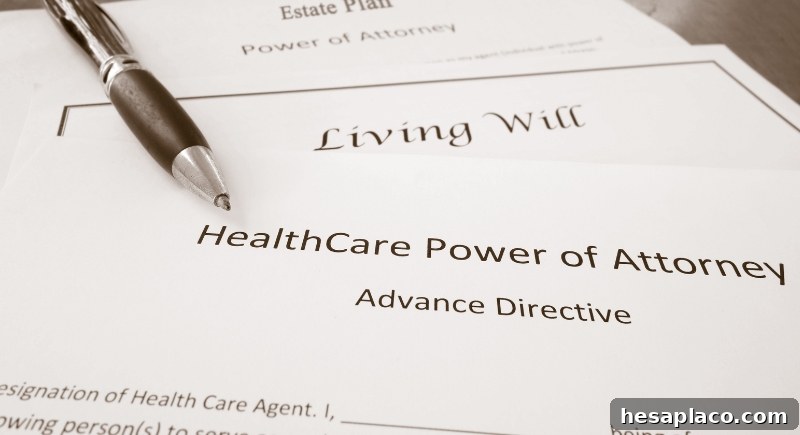
Without a Health Proxy, Decisions Are Guesswork
Credit: Getty Images
If you become unable to make medical decisions for yourself, someone needs legal authority to act on your behalf. A medical power of attorney or health care proxy names a trusted person to make choices that reflect your values. Don’t postpone this — emergencies can happen without notice.
Good Health Now Doesn’t Guarantee the Future

Credit: Canva
Feeling fit in your 60s doesn’t guarantee you’ll remain healthy decades later. Keep up with preventive care, screenings, and timely specialist visits. Building relationships with health professionals who understand the needs of people aging alone helps detect problems early and coordinate care when needed.
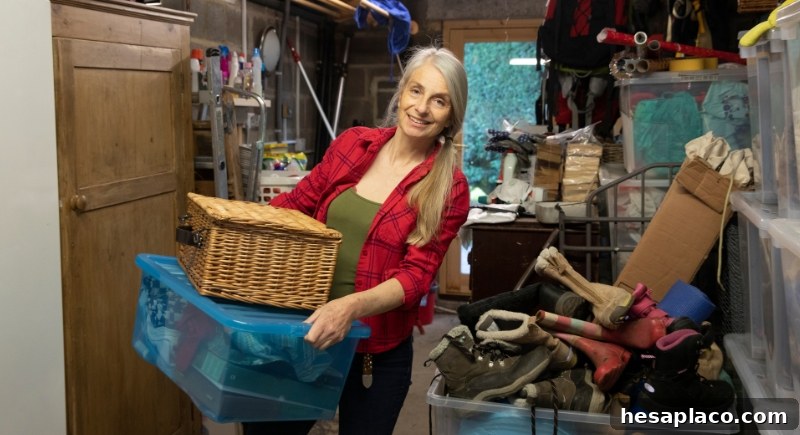
Clutter Becomes Someone Else’s Burden
Credit: Getty Images
If you don’t sort belongings gradually, executors or friends may inherit a large, stressful task. Decluttering over time and documenting what matters — what to keep, donate, or discard — makes transitions easier and preserves the items you care about. Passing cherished pieces to named recipients reduces confusion and hurt feelings.
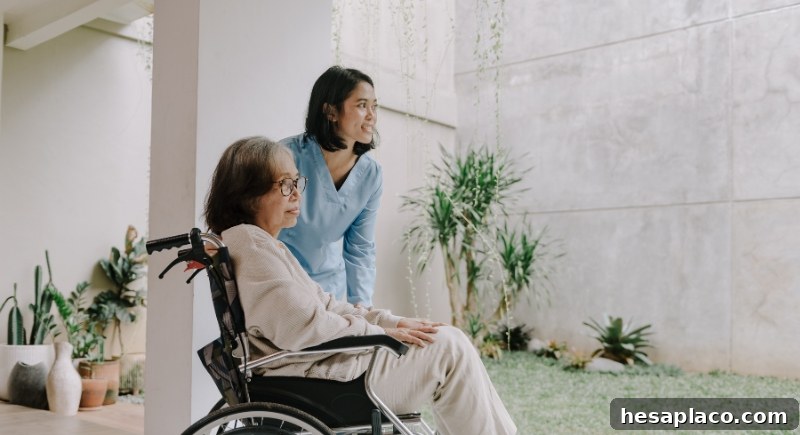
Choosing Senior Living Shouldn’t Be a Last-Minute Decision
Credit: Canva
When a crisis dictates the choice of a senior living option, your choices and preferences shrink. Touring communities and understanding what matters to you — from social atmosphere to services and cost — lets you make a deliberate choice. Early research preserves dignity and comfort when a move becomes necessary.
Pets Need a Plan Too

Credit: Canva
Pets often outlive their owners, and shelters become the default when no caregiver is named. Include pet care instructions and funds in your plans, and arrange a clear, written agreement with a trusted friend or family member who will take responsibility. That ensures your companion receives ongoing care and affection.
Important Documents Need Clear Storage and Access

Credit: pixelshot
Many solo agers stash wills, insurance papers, deeds, and passwords in places only they know. Store critical documents in an organized, labeled file and share access with a trusted person, or keep encrypted digital copies that a designated executor can access. Clear documentation avoids delays and legal headaches.
The ‘It Won’t Happen to Me’ Mentality Is Risky

Credit: pexels
Denial can delay essential preparations. Accidents, cognitive decline, and health setbacks can happen to anyone. Thinking “it won’t happen to me” leaves you unprepared. Face the reality of aging and take concrete steps — legal, financial, medical, and social — so you’re protected no matter what.
You May Outlive Many of Your Peers

Credit: Creativa Images
Living longer than friends or siblings is a difficult reality. Without a diverse support network — including younger contacts — loneliness can deepen. Seek opportunities to connect across generations: volunteer, mentor, or join intergenerational programs. A varied social circle provides emotional and practical support over time.
Build a Trusted Inner Circle

Credit: Getty Images
Solo doesn’t have to mean isolated. Neighbors, friends from faith communities, coworkers, and other trusted people can form an informal care team. Be open, helpful, and reliable in return — relationships are reciprocal. Cultivate a small circle of people who know your preferences, can check in, and step in when needed.
Digital Accounts and Passwords Need an Exit Strategy

Credit: iStockphoto
So much of modern life is online — accounts, photos, financial records — and without a clear list of usernames, passwords, or a designated digital executor, those assets can become inaccessible. Keep an updated, secure record of accounts and instructions for trusted people to follow so memories and records aren’t lost.
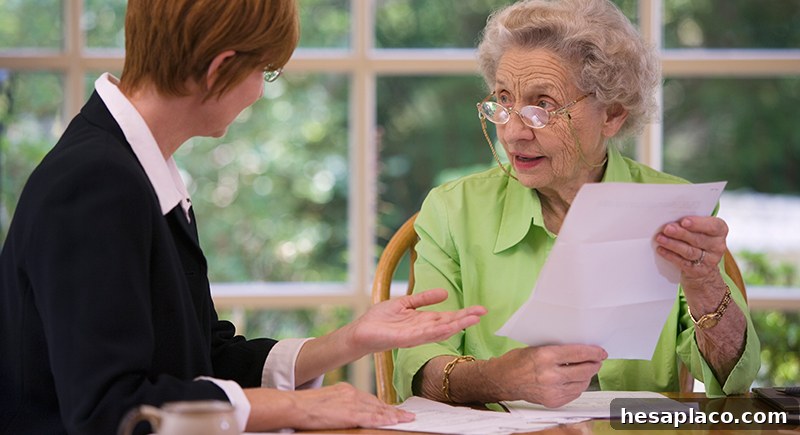
Professional Advocacy Can Be Expensive
Credit: iStockphoto
At some point many who age alone depend on paid professionals for financial management, legal advice, or daily care. Those services add up quickly. Budget for potential advocacy and care costs, explore long-term care insurance if appropriate, and plan early so you’re not forced into expensive solutions when needs arise.
Preparing ahead reduces stress, preserves autonomy, and protects the people who might help you. If you’re aging solo, start with a few practical steps today: name emergency contacts and a health proxy, organize important documents, review finances, and intentionally maintain relationships. Small actions now make a large difference later.