A boycott is a form of protest—motivated by moral, social, or political reasons—directed at a person, company, or institution. It involves a collective refusal to purchase goods or services, or to associate with the targeted party. The goal is to inflict economic pressure that persuades the target to change a specific practice or policy.
Public shaming and coordinated avoidance likely stretch back centuries, but the word “boycott” itself originates from a real person whose name became synonymous with the tactic.
Boycotts have been mounted successfully against individuals, corporations, cities, states, and entire nations.
In the age of social media, a boycott can begin with a single hashtag and spread rapidly. Below is a selection of notable boycotts from history and modern times.
1) The First Official Boycott
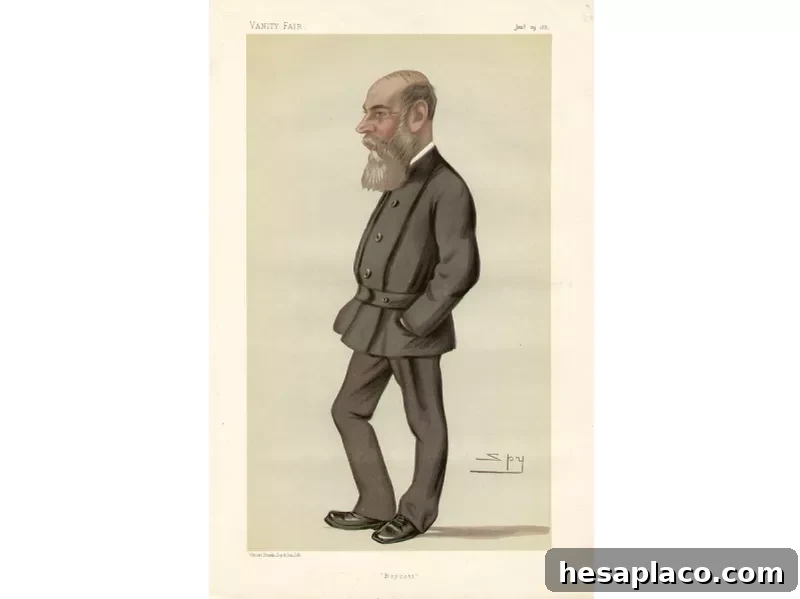
Charles Boycott, a land manager in 19th century Ireland, is the man who’s responsible for the term boycott.
The term “boycott” derives from Captain Charles Boycott. In 19th-century Ireland, absentee English landlords owned most estates and employed local land managers to collect rents. Boycott managed the Earl of Erne’s estate.
Following a poor harvest in 1880, tenants demanded a 25 percent rent reduction; the earl offered only 10 percent. When tenants refused the offer, the earl ordered Boycott to evict nonpaying tenants. In response, local communities socially ostracized Boycott—refusing to work for him, take over abandoned farms, or even sell him food. Isolated and unable to conduct business locally, Boycott left for Dublin and later attempted to relocate to the United States, but his reputation preceded him and those who dealt with him risked being shunned.
The episode was so prominent that the Oxford English Dictionary recorded “boycott” in 1888.
2) The Stamp Act Boycott
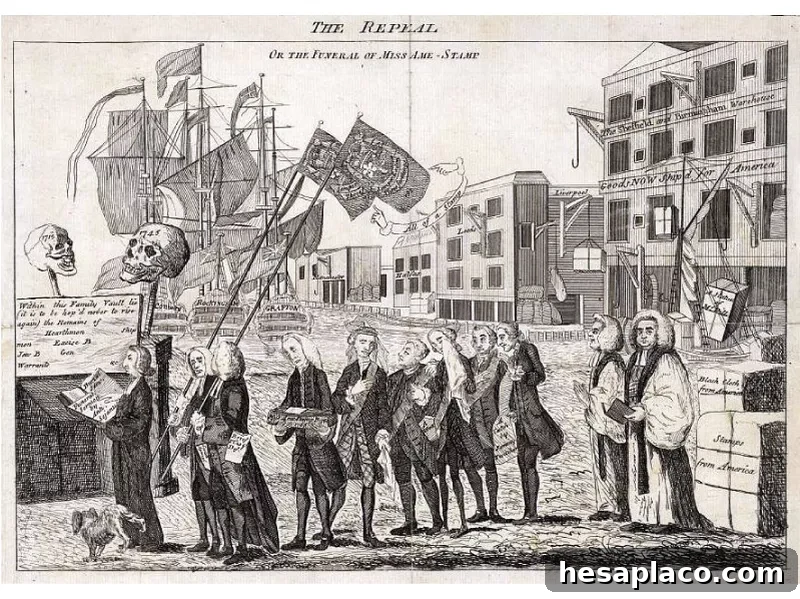
After colonists organized an effective boycott of British goods, Parliament repealed the Stamp Act in 1766.
After the 1763 French and Indian War, Britain faced heavy debts and levied new taxes on its American colonies to raise revenue, culminating in the Stamp Act of 1765. The Act imposed an internal tax intended to help pay for British troops stationed in North America.
Colonists protested with the slogan “no taxation without representation,” arguing that only local colonial assemblies—not a distant Parliament where they had no vote—could lawfully tax them. Through organized boycotts of British goods and threats and intimidation directed at tax officials, colonists forced most stamp distributors to resign. In 1766 Britain repealed the Stamp Act.
3) The Slave Sugar Boycott
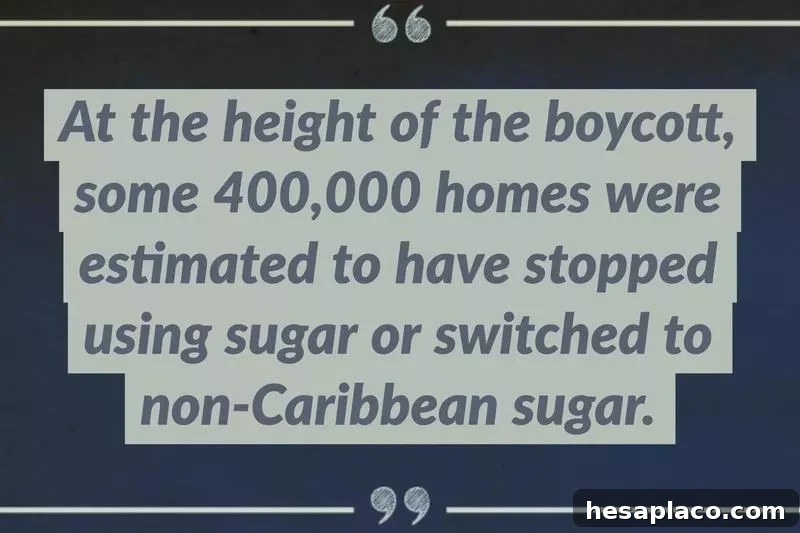
In 1791, when abolitionists failed to convince Parliament to abolish slavery in the colonies, they called for a boycott of Caribbean sugar, a commodity produced with slave labor. Activist William Fox published a pamphlet urging British households to refuse “slave sugar.” At its height, the boycott led an estimated 400,000 homes either to stop using sugar or to switch to sugar from regions not reliant on enslaved labor.
East Indies sugar suppliers capitalized on the movement by labeling their products “slave-free,” and households displayed such jars to demonstrate their support. Sugar sales fell sharply—down about a third in the first two months—and many merchants either refused Caribbean sugar or ceased selling sugar entirely. Abolitionists revived the sugar boycott in the 1820s as part of renewed efforts to end slavery in the British Empire.
4) The Ford Motor Company Boycott
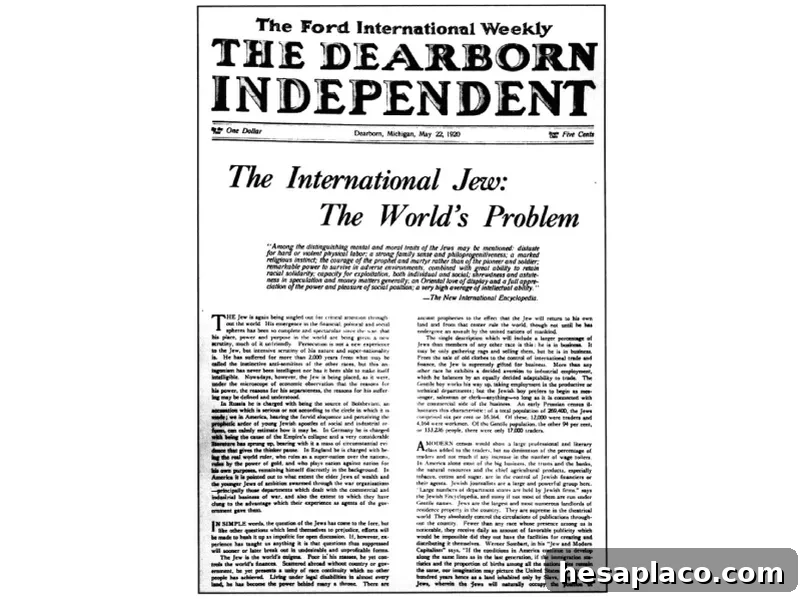
In 1927, public pressure forced Henry Ford to apologize and close the Dearborn Independent, the newspaper that published anti-Jewish articles.
In the 1920s Henry Ford’s weekly newspaper, the Dearborn Independent, published anti-Semitic articles that were widely associated with Ford. The Anti-Defamation League sued for libel and helped organize a boycott of Ford cars. Jews and many sympathetic Christians refused to buy Fords, and studios threatened to show negative newsreel footage of wrecked Ford cars. Facing declining sales and reputational damage, Ford apologized and closed the Dearborn Independent in 1927.
5) The Salt March
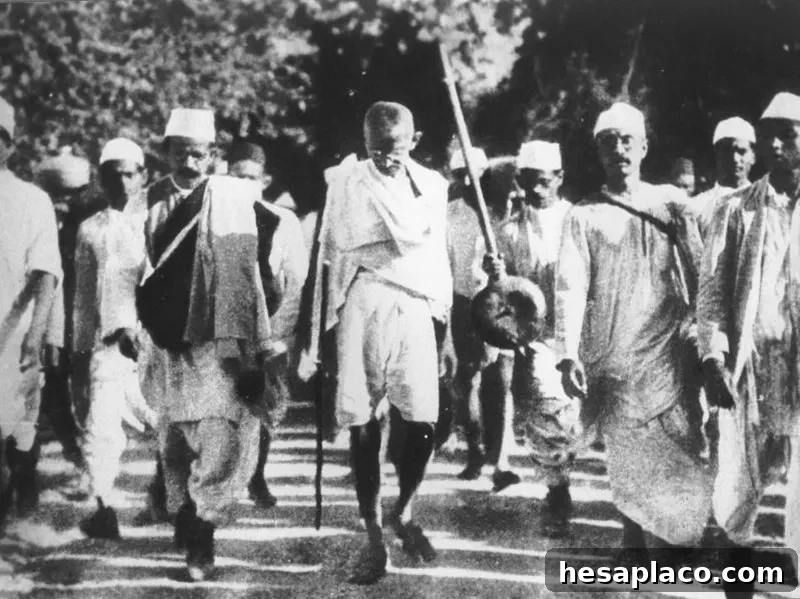
In 1930, Gandhi chose to boycott British salt as a symbolic and practical act of mass civil disobedience.
The British Salt Act of 1882 imposed heavy taxes on salt and prohibited Indians from collecting or selling it. In 1930 Mohandas Gandhi launched a campaign of satyagraha—nonviolent resistance—targeting the salt tax. He led thousands on a march to the sea to make salt from seawater, and millions across India staged similar acts of civil disobedience. British authorities arrested tens of thousands, and international coverage of violent repression drew global condemnation.
Gandhi expanded his campaign into boycotts of British-made goods and promoted the spinning of indigenous cloth as part of a successful movement to weaken British economic control and build Indian self-reliance.
6) The Montgomery Bus Boycott
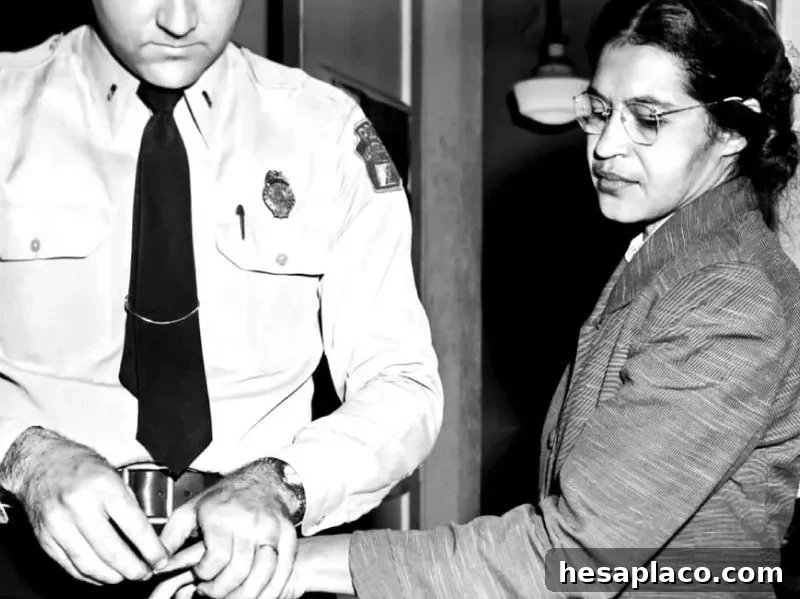
Rosa Parks’ refusal to give up her bus seat catalyzed the 1955–56 Montgomery bus boycott and helped launch the U.S. Civil Rights Movement.
In 1955 Rosa Parks, an African-American woman in Montgomery, Alabama, refused to yield her seat to a white passenger under Jim Crow segregation laws. In response, Black community leaders organized a citywide bus boycott. For 381 days, African-Americans carpooled, walked, or used alternative transportation instead of riding the buses, severely reducing the transit company’s revenue.
The boycott persisted until the U.S. Supreme Court ruled that segregation on public transportation was unconstitutional. The Montgomery ordinance barring segregation on buses was enacted, marking an early and influential victory for the Civil Rights Movement.
7) South Africa’s Bus Boycott
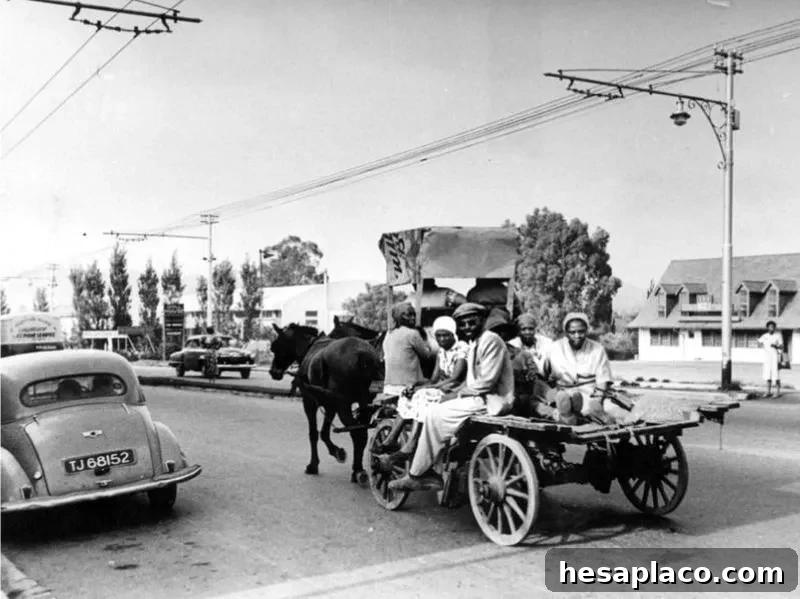
During Johannesburg’s 1957 bus boycott, residents from multiple townships walked up to 20 miles daily rather than pay a fare increase.
In 1957, after a significant bus fare increase in Johannesburg, residents from many townships refused to ride and walked long distances—sometimes up to 20 miles daily—instead. As many as 60,000 riders participated. The six-month boycott ended when the local Chamber of Commerce agreed to subsidize fares to the previous level. The protest energized broader resistance to South Africa’s apartheid system and helped build momentum for the anti-apartheid movement.
8) The Delano Grape Boycott
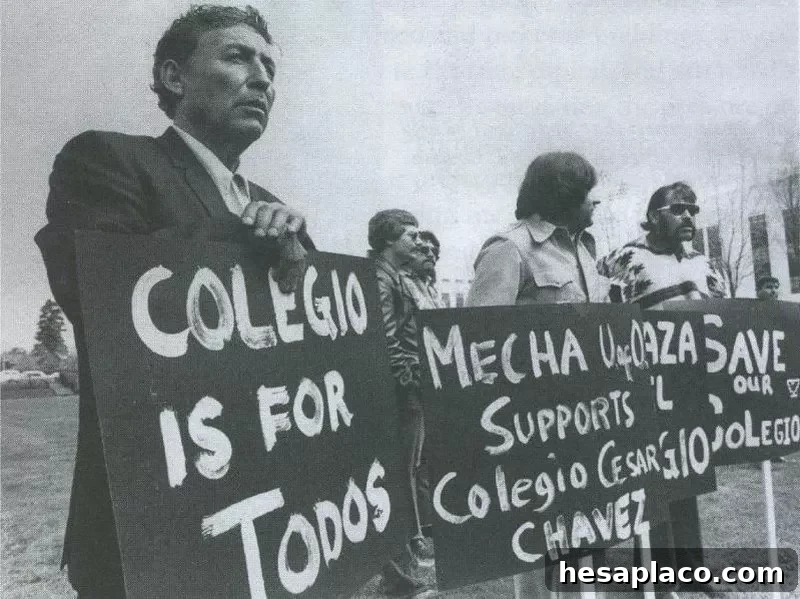
Cesar Chavez and the United Farm Workers led a successful grape boycott that improved wages and labor conditions for farmworkers.
In 1965 Filipino farmworkers in Delano, California, struck grape growers to demand better pay and conditions. The Mexican-American National Farmworkers Association, led by Cesar Chavez, soon joined the strike and the groups merged to form the United Farm Workers. Chavez enlisted dockworkers and warehouse employees to refuse handling grapes, which left tons of fruit unshipped and unsold.
Chavez launched a nationwide consumer boycott of table grapes, maintaining strict nonviolence and appealing to public sympathy. Millions of consumers participated. By 1970 growers had signed collective bargaining agreements that provided improved wages, benefits, and working conditions for more than 10,000 farmworkers.
9) The Nestlé Boycott
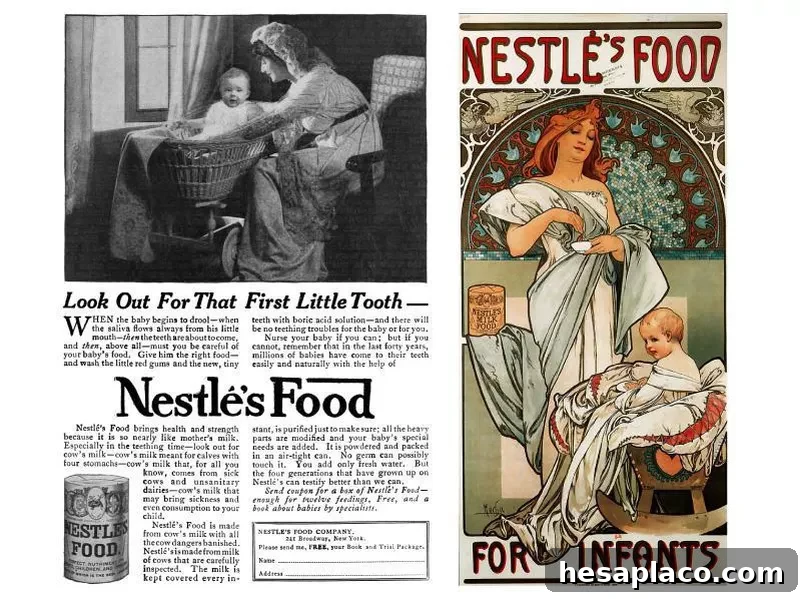
In 1977, the Infant Formula Action Coalition launched an international boycott of Nestlé over infant formula marketing practices.
Critics, including the International Baby Food Action Network and Save the Children, accused Nestlé of aggressive and unethical marketing of infant formula in developing countries—practices alleged to discourage breastfeeding and endanger infant health. Nestlé denied wrongdoing and pursued libel suits against critics. In 1977 the Infant Formula Action Coalition began a global boycott, which spread widely and pressured Nestlé to meet with organizers.
In 1984 Nestlé agreed to follow the World Health Assembly’s International Code of Marketing of Breast-Milk Substitutes, and organizers lifted the formal boycott. However, renewed complaints in later years prompted new campaigning and boycotts in some countries that have continued in various forms.
10) The Anti-Apartheid Boycott of South Africa
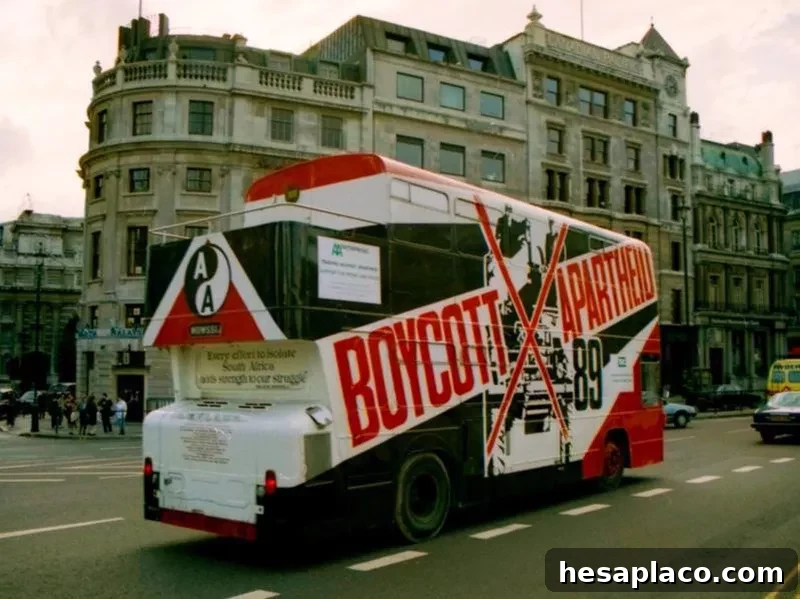
International economic pressure and sanctions over apartheid led many companies to withdraw from South Africa, contributing to economic strain and political change.
In 1986 the U.S. Congress passed the Anti-Apartheid Act, restricting imports and banning South African airlines from U.S. airports, while cutting off certain forms of aid. Those sanctions, along with international boycotts and divestment campaigns, prompted many multinational firms to pull operations out of South Africa, causing significant revenue and job losses.
A sequence of reforms followed: in 1990 F.W. de Klerk legalized the African National Congress and released political prisoners. By 1993—after the announcement of plans for nonracial elections—many sanctions were lifted. In 1994 South Africa held democratic elections and Nelson Mandela became the nation’s first Black president.
11) The Taco Bell Boycott
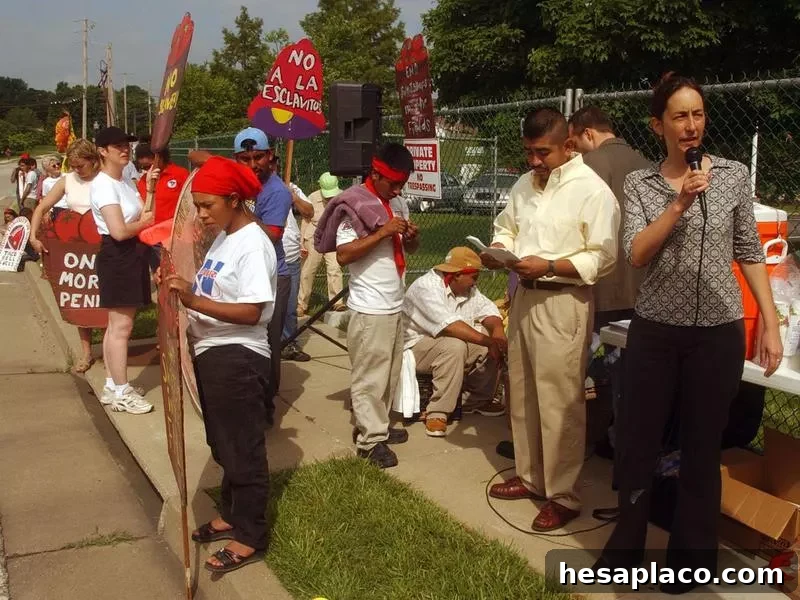
The Coalition of Immokalee Workers protested outside YUM! Brands’ headquarters in 2004 to demand better pay and conditions for farmworkers supplying major food chains.
The Coalition of Immokalee Workers (CIW) formed in 1991 to campaign for fair wages and safer conditions for migrant tomato pickers in Florida, who faced low pay, harassment, and abusive labor conditions. Targeting the buyers rather than growers, the CIW launched a national boycott of Taco Bell in 2001 and pressured other major buyers such as Whole Foods and Walmart.
After years of organizing, public pressure, and consumer action, Taco Bell and its parent companies agreed to source tomatoes only from growers who guaranteed improved wages and conditions for workers. The campaign’s success led to similar agreements with other major purchasers.
12) The NFL Boycott Movement
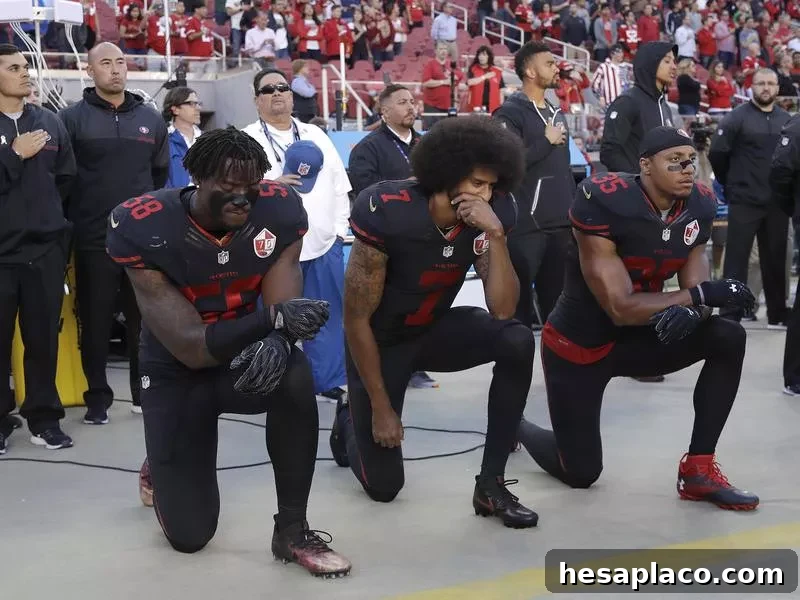
Colin Kaepernick and teammates took a knee during the national anthem in 2016 to protest racial injustice and police violence, sparking national debate and calls to boycott the NFL.
In 2016 quarterback Colin Kaepernick knelt during the national anthem to protest racial injustice and police brutality. His action sparked a broader movement—“taking a knee”—and drew both support and criticism. Kaepernick was not signed by any NFL team the following year, which supporters attributed to a de facto blacklist.
Advocates called for an NFL boycott to reduce viewership and advertising revenue. Change.org and other platforms collected hundreds of thousands of signatures urging advertisers and networks to respond. While NFL ratings dipped in 2017, analysts note multiple contributing factors—such as growing concerns about player safety and general viewership trends—so the boycott’s direct impact remains debated.
13) The North Carolina Boycott
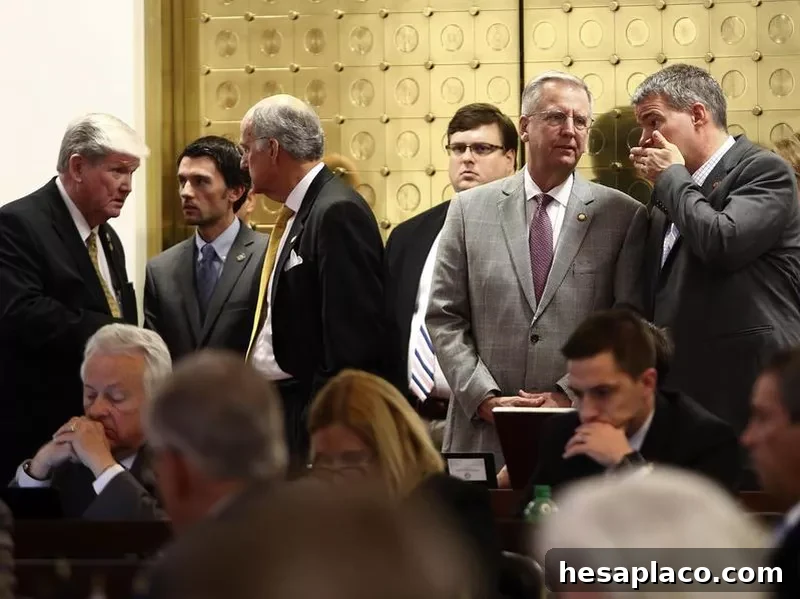
After North Carolina passed a controversial “bathroom bill” in 2016, businesses, sports organizations, and governments pulled events and investments, costing the state billions.
In 2016 North Carolina enacted the “Bathroom Bill,” which restricted legal protections for transgender people and set regulations for restroom use in public buildings. Civil rights advocates responded with widespread boycotts and travel bans. Nearly 30 counties, several states, the District of Columbia, and dozens of cities curtailed official travel to North Carolina. Major sports organizations and entertainment companies canceled events or relocated projects.
Economic impact estimates suggested the state lost billions in revenue. Facing mounting pressure, North Carolina lawmakers moved to repeal or modify the law in 2017.
14) The NRA Boycott
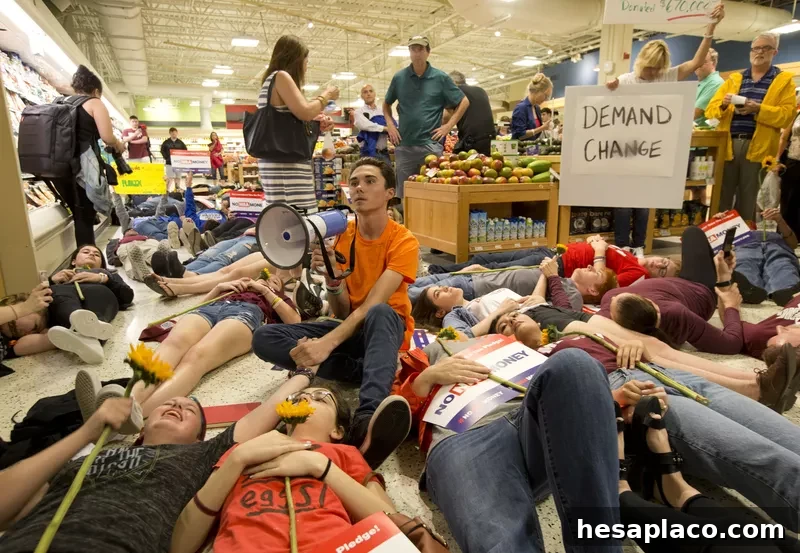
Survivors of the Parkland school shooting and other activists organized protests and boycotts aimed at the NRA and entities supporting it.
Following the 2018 mass shooting at Marjory Stoneman Douglas High School in Parkland, Florida, survivors and activists called for boycotts targeting the National Rifle Association (NRA) to pressure lawmakers to enact stricter gun laws. Prominent student activists, including David Hogg, used social media to mobilize public opinion and urged consumers to withdraw support from companies that financially backed the NRA.
The campaign persuaded multiple corporations and organizations to end promotional relationships or withdraw financial support from the NRA, while some retailers adopted new restrictions on certain firearm sales. The movement illustrated how grassroots activism and consumer pressure can influence corporate behavior and public policy debates.