
When Graham Walker sold his family company, Fibrebond, for $1.7 billion, the surprise wasn’t just the size of the deal — it was what he did afterward. Instead of keeping the proceeds for himself, Walker set aside $240 million to share with the employees who helped build the business. A sale that might have followed a familiar script instead transformed the lives of hundreds of workers.
A Massive Payday for Employees Who Didn’t Own Stock

Credit: Canva
Large payouts when a company is sold usually flow to shareholders or executives with equity. Fibrebond’s workers had neither stock nor options, yet 540 full-time employees received bonuses tied to the sale. The average payout was roughly $443,000. For many recipients, the announcement came out of nowhere and changed their financial outlook overnight.
The Deal Included an Unusual Condition
Credit: Fibrebond
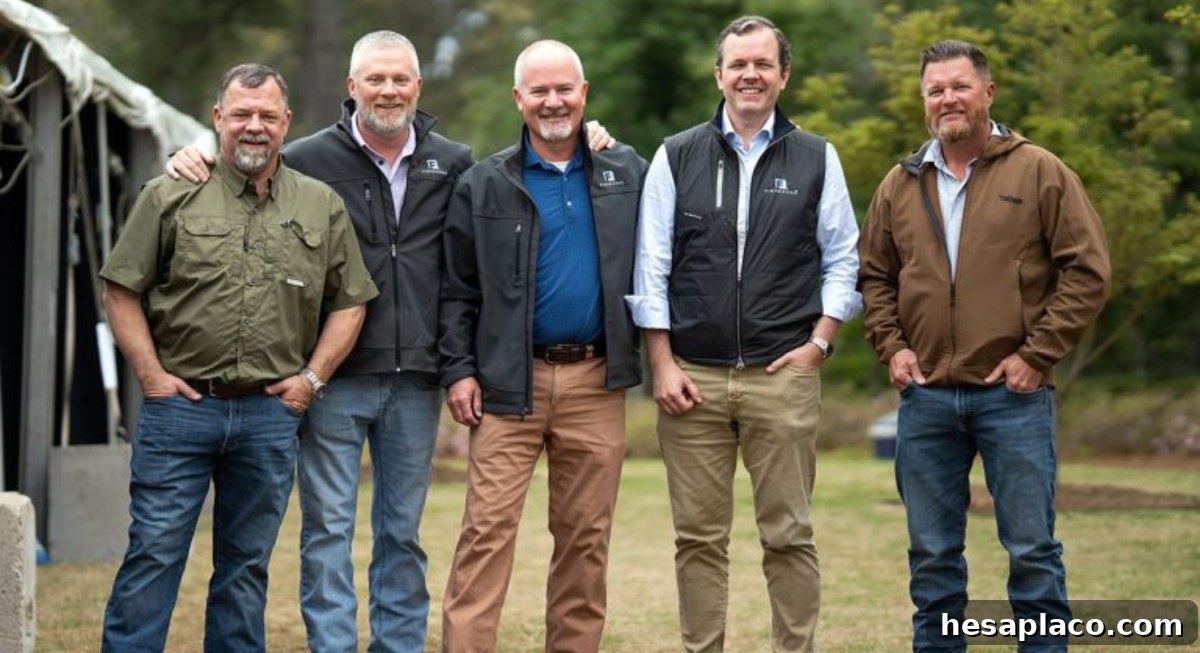
Walker didn’t leave the employee rewards to chance after the sale closed. During negotiations he insisted that 15% of the sale proceeds be distributed to the workforce. That condition remained nonnegotiable throughout talks, so any buyer interested in Fibrebond had to accept the arrangement as part of the deal.
Employees Initially Thought It Was a Prank

Credit: Canva
Company leaders called employees in one by one and handed them letters detailing their bonus amounts. Reactions ranged from disbelief to amusement: one worker reportedly looked for hidden cameras, another asked whether the announcement was a joke. Executives spent the day answering stunned questions — an understandable response when life-changing money is revealed during a normal shift.
A Plain White Tent Hosted the Announcement

Credit: Canva
There was no extravagant gala to mark the sale. Leaders set up a simple white tent outside the warehouse with drinks and cookies, and employees gathered in a setting that felt more like a community event than a corporate celebration. That modest scene — a parking-lot tent and shared refreshments — became one of the most memorable images from a billion-dollar deal.
The Company Nearly Didn’t Survive

Credit: pexels
Fibrebond’s path to success included serious setbacks. In the late 1990s a fire destroyed the factory, and the company rebuilt while continuing to pay employees. After the dot-com collapse, demand plunged and the business briefly served only three customers. Those difficult years left a deep impression on Walker and influenced his decision to reward long-term, loyal employees when the company was sold.
Data Centers Changed the Company’s Fortunes

Credit: Canva
A strategic bet on infrastructure for data centers transformed Fibrebond’s prospects. The investment required heavy upfront spending with no guaranteed demand, but the market surged and sales climbed sharply. That growth turned the company into an attractive acquisition target and set the stage for the eventual sale.
Retirement Plans and Financial Security Transformed
Credit: Getty Images
For employees near retirement, the bonuses opened options that previously seemed out of reach. Some paid off large debts and retired with greater financial security, while others used the funds for college costs or to eliminate long-standing obligations. Goals that once required years of saving suddenly became attainable much sooner.
One Employee Opened a Dream Business

Credit: Canva
Lesia Key, who began at Fibrebond earning just above minimum wage, used her bonus to pay off her mortgage years early and to open a clothing boutique she had long wanted. Her story became a widely shared example of how the payout changed individual lives and allowed longtime employees to pursue personal dreams.
Local Economy Felt the Impact
Credit: Fibrebond
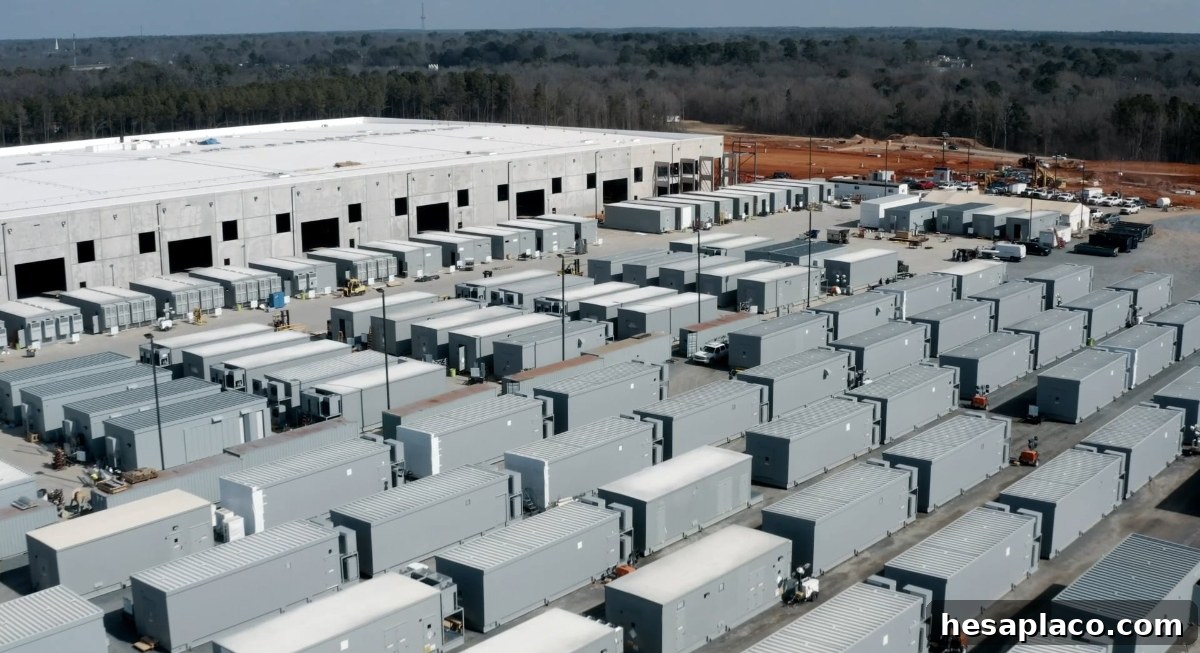
Minden, Louisiana, home to about 12,000 residents, counts Fibrebond among its largest employers. When hundreds of employees suddenly received substantial bonuses, the effects rippled through the community. People spent money on cars, travel, education and home improvements, and city leaders noticed a clear uptick in local economic activity.
A Simple, Neighborly Reason Helped Shape the Decision

Credit: Getty Images
Walker’s rationale was straightforward. He said he wanted to do something good and admitted he didn’t relish the idea of returning to the grocery store and feeling awkward about keeping all the proceeds to himself while his neighbors and co-workers received nothing. That practical, neighborly concern — rather than a polished corporate strategy — helped shape his choice to share a portion of the sale with the people who had stood by the company through thick and thin.