I have been a dedicated thrift shopper for decades, and in a city as large as Los Angeles, California, that means I have visited countless estate sales, flea markets and secondhand stores. Nearly everything in my home has been found secondhand, right down to my 1950s Inland “Magic Touch” aluminum ice cube trays.
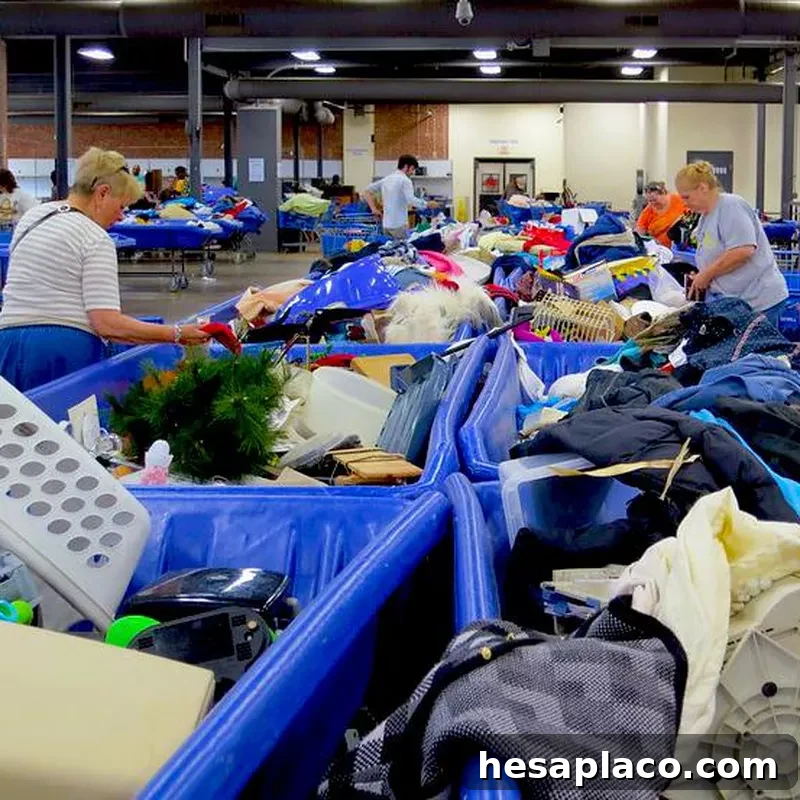
Lately, because it is close to where I live, I have been spending more time at the Goodwill Outlet Store, better known by regular shoppers as “the Bins.” These outlet stores can be one of the best places to find affordable secondhand goods, vintage clothing, books, housewares and resale inventory. But shopping there is very different from browsing a normal thrift store. You have to dig, move quickly, follow the rules and understand the etiquette.
As prices have risen almost everywhere, even thrift store prices have gone up. Goodwill outlet stores are often the final stop for donations that did not sell in traditional retail locations. That does not mean the items are worthless. In fact, some of the best thrift finds are hidden in the bins, waiting for shoppers willing to put in the effort.
What Happens to the Stuff You Donate to Goodwill?
Work + Money
After donations arrive at Goodwill, employees sort through them to decide what can be sold. Items that are unusable, unsafe or contaminated, such as pieces that are wet, moldy or covered in mildew, are removed from the regular sales process.
Usable items are separated by category, such as men’s clothing, women’s clothing, books, shoes, accessories and housewares. From there, they are priced and sent to a nearby Goodwill retail store. Many stores use color-coded tags to track discounts, daily or weekly specials and how long merchandise has been on the sales floor.
RELATED: Most Valuable Thrift Store Items of All Time
What Happens If an Item Doesn’t Sell in the Main Store
Work + Money
If a donated item does not sell after roughly a month in a regular Goodwill store, it may be pulled from the shelves and sent to a Goodwill Outlet Store. These outlets are the stores commonly called “the Bins.”
At the outlet, shoppers can buy many items at a steep discount. In most locations, merchandise is sold by the pound, though pricing can vary depending on the store and the category of item. Some Goodwill outlet locations also hold wholesale auctions during the day or throughout the week.
How Many Bins Are Rolled Out Each Day?
Work+Money
The number of bins brought out each day depends on the location. Every outlet has its own system, staffing level and daily process. At the Los Angeles Goodwill Outlet Store, for example, workers are expected to roll out about 400 bins per day, seven days a week. At any given time, there may be around 60 bins on the floor, which means merchandise is constantly being moved in and out.
Because of this fast rotation, regular shoppers often spend hours in the store. Many are resellers who buy inventory to sell online. Over time, you start to recognize the same faces. Shoppers compare finds, talk about their hauls and sometimes trade items with one another inside the store.
If there is a local flea market coming up, the outlet may be even busier. Resellers often stock up during the week so they can sell on the weekend. Some focus only on books, while others look mainly for vintage clothing, shoes, handbags or small household items.
Are The Same Bins Rolled Out More Than Once?
Work + Money
In most cases, you only get one chance to shop a particular bin. A bin may stay on the floor for less than an hour before it is removed. Once it is gone, it usually does not come back for a second round.
Items that do not sell at the outlet may be sold to textile recyclers or other recycling partners. At the Los Angeles store, I was told that one local recycler collects single shoes that do not have a matching pair and recycles them.
Goodwill’s goal is to keep as many unsold items as possible out of landfills. Although some items may still end up being discarded, the organization attempts to reuse, resell or recycle much of what passes through its system.
RELATED: Most Profitable 1990s Collectibles Today
Know the Schedule and How Items Are Divided
Work + Money
Depending on the outlet, you may find clothing, shoes, bags, books, toys, housewares and sometimes furniture. Items are often separated by general category, but not always perfectly. Not every outlet carries furniture, and when it does, it is usually placed in a separate section.
Many stores follow a daily schedule. At the Los Angeles outlet, all categories are available when the store opens. Bags, shoes and books may be brought out again around 10:30 a.m. and 12:30 p.m. After about 2 p.m., clothing may be the main category rolled out until closing.
If you want the widest variety of merchandise, arriving earlier in the day is usually the better strategy.
Hold Onto to the Item You Want, Even If You Don’t Want It
Work + Money
Because bins are changed frequently, no two rounds are the same. If you see something that interests you, pick it up and keep it with you while you shop. Do not assume you can come back for it later. Another shopper may move it, bury it or take it for themselves.
The best approach is to carry anything you are considering until you are ready to check out. Before leaving, you can inspect everything and put back what you do not want. The bins closest to the cashiers can be useful because many shoppers place unwanted items there before they pay.
Do Not Touch Anyone Else’s Stuff
Work + Money
One of the most important Goodwill bins etiquette rules is simple: do not take anything from another shopper’s cart. Even if you want the item, leave it alone. At the Los Angeles outlet, this rule is announced regularly over the PA system. Taking items that are not yours can get you removed from the store, possibly permanently.
If you are using a cart, covering your items with a blanket can help signal that everything inside is claimed. Items that are placed back on the floor or returned to the bins, however, are generally available for anyone to take.
Wearing Protective Gear
Work + Money
Protective gear is highly recommended when shopping at the bins. A mask can be helpful because shoppers often stand very close to one another. Gloves are even more important.
The reason is not pleasant. Shoppers have reported finding everything from dead rats and feces to sex toys while digging through merchandise. Sometimes items come out wet, which may mean they were stored outside or exposed to rain before reaching the sales floor.
Everything gets tossed into the bins together, including broken glass, sharp metal, damaged housewares and loose hardware. Your gloves should be strong enough to protect your hands from cuts but flexible enough to let you sort through items easily.
But Wait … It’s Not All Doom and Gloom
Work + Money
Although digging through bins can be messy and occasionally unpleasant, it can also lead to wonderful surprises. In my own purchases, I have found money, photographs, jewelry and even undeveloped rolls of film.
There are also many items that offer small windows into the past. Signed yearbooks, old diaries, personal letters and vintage paper goods often appear in book piles and are frequently overlooked by shoppers who are focused on clothing or resale inventory.
You Will Not Always Get a Shopping Cart Right Away
Work + Money
There are usually not enough shopping carts for everyone. At the Los Angeles store, shoppers sign up for a cart near the entrance. As customers check out and carts become available, a cashier announces the next name on the list.
It may take a long time to get a cart, especially because many shoppers stay for several hours. If you plan to buy a lot, bring a tote bag from home. You may also be able to find a reusable bag in the bins and use it while you shop.
Be Prepared to Battle
Work + Money
The shopping experience depends on the store, but larger outlets can be intense. Shoppers often wait near the area where the next group of bins will be placed. In Los Angeles, workers may bring out eight bins at a time.
No one is allowed to start digging until all the bins in that group are positioned. Trying to shop before staff gives the signal can get you kicked out. Once the bins are ready, shoppers move quickly, grabbing items first and sorting through their selections later.
If you want to shop the bins successfully, you need to be confident, respectful and aware of the people around you.
Remember to Dig, Dig, Dig
Work + Money
The best items are not always visible on top. To find valuable thrift store items, vintage clothing or hidden resale pieces, you often have to dig all the way to the bottom of the bin.
This is especially true with shoes. A matching pair is not always together. If you are lucky, both shoes may be in the same bin or in a nearby bin, but it can take patience to find the match.
Resellers Reveal Treasure Can Be Found at the Bins
Work + Money
There really can be treasure at a Goodwill outlet store, but you will have to sort through plenty of junk to find it. That is part of the experience.
Vintage enthusiasts and resellers often share their Goodwill bins hauls on social media, along with practical tips about what to buy and what to leave behind. If you are interested in reselling, studying those kinds of examples can help you learn which brands, categories and items may be worth picking up.
Before You Leave, Check All Your Items
Work + Money
Items from Goodwill outlet stores are not always in perfect condition. When you first grab something, you may not have time to inspect it closely. Before checking out, take a few minutes to examine everything.
Look for stains, tears, missing pieces, broken zippers, chips, cracks and other damage. If you cannot repair an item yourself, it may not be worth buying, especially if you plan to resell it.
Finding the Bins Nearest You
Work+Money
Goodwill has thousands of stores across the United States, but outlet locations are much less common than regular retail stores. New outlets do open over time, so it is worth checking whether one is available near you.
If you enjoy thrifting, bargain hunting or searching for resale inventory, the Goodwill bins can be one of the most interesting places to shop. The experience is fast, unpredictable and sometimes chaotic, but with patience, gloves and a good eye, you may walk away with excellent secondhand finds at very low prices.